Non‑Resident Mortgages in Cyprus: Unusual Routes to Better Rates
Contrarian mortgage routes for non‑residents in Cyprus: why local relationships, timing and property type can yield better terms than you expect.

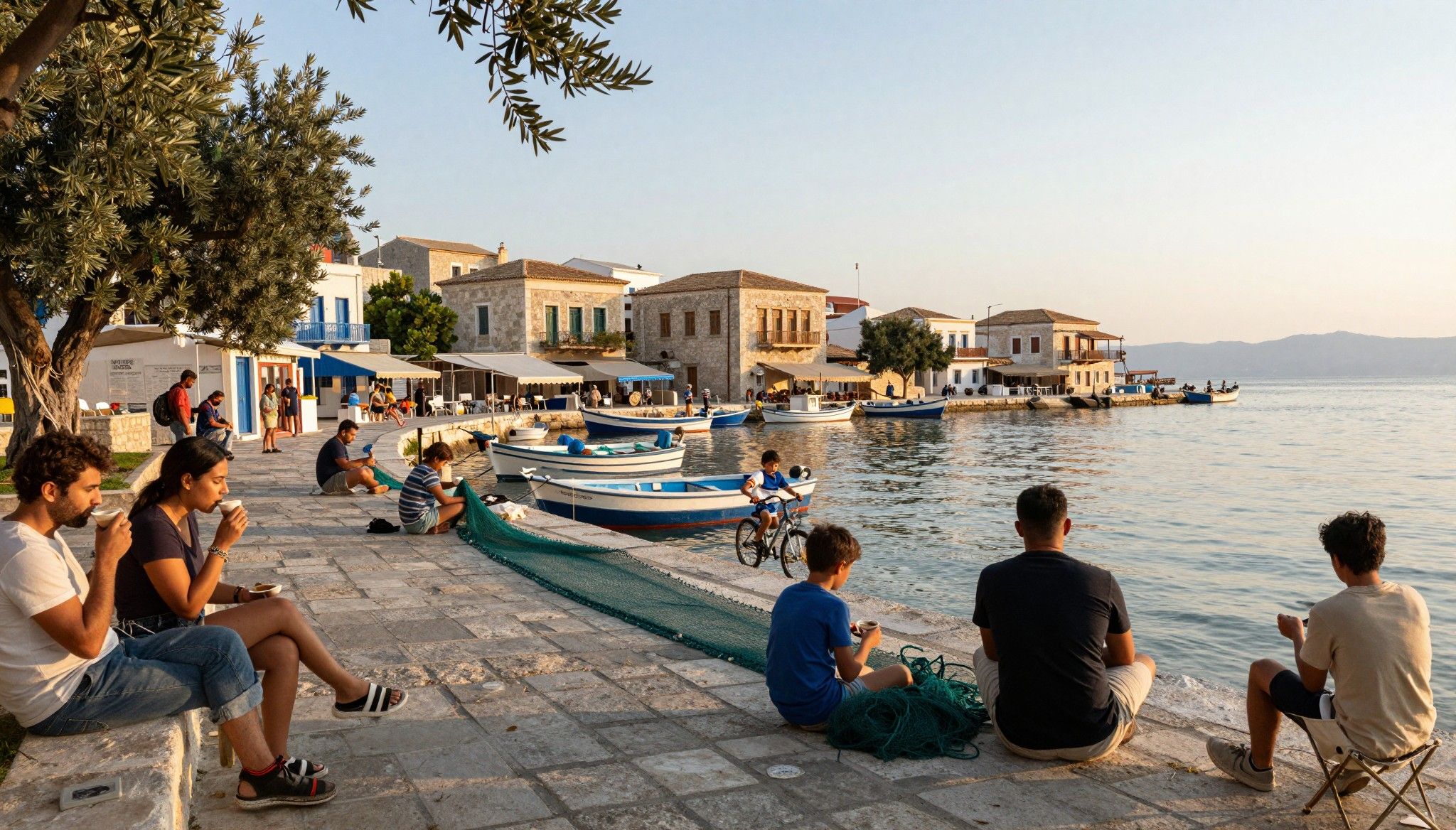
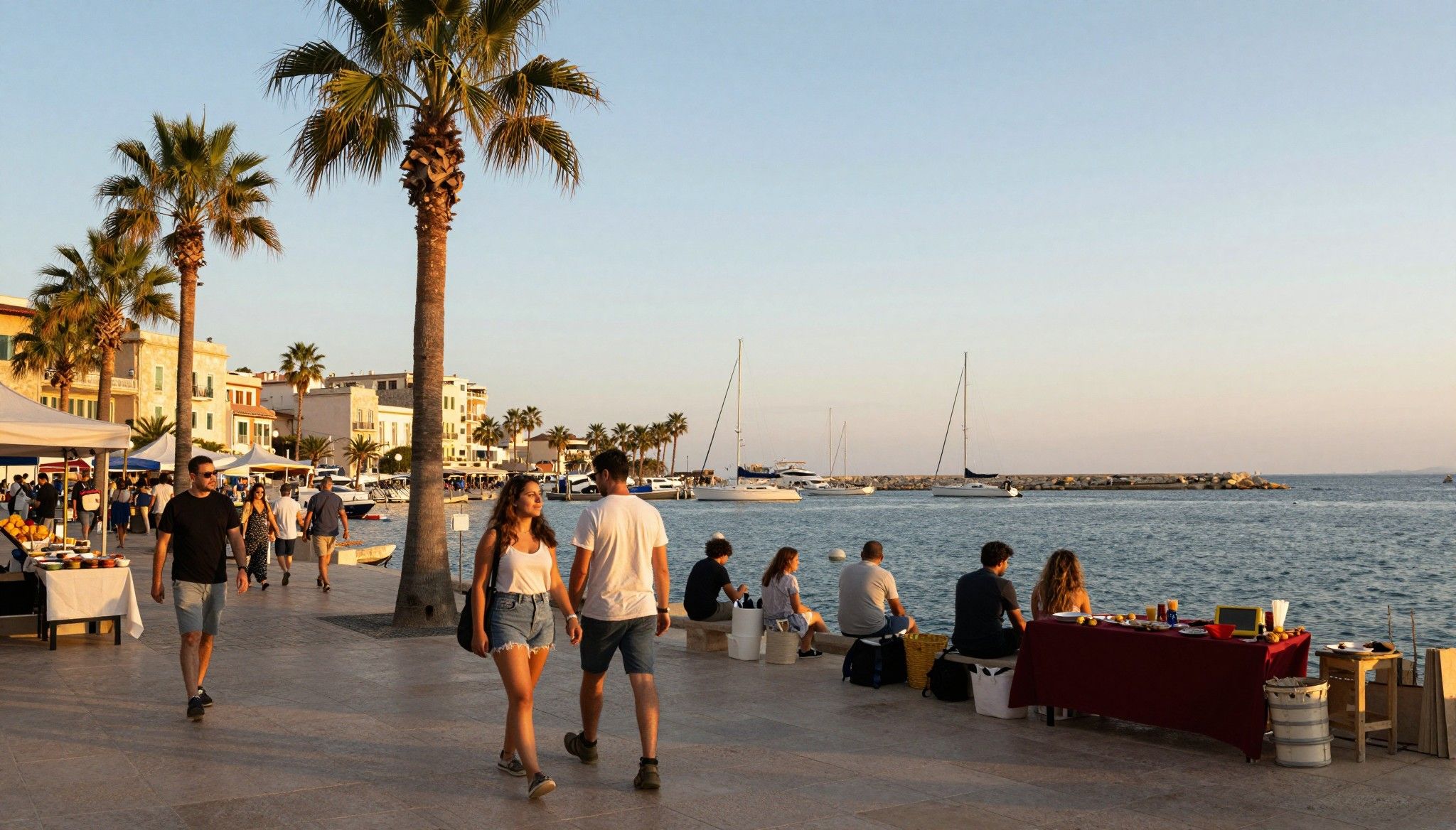
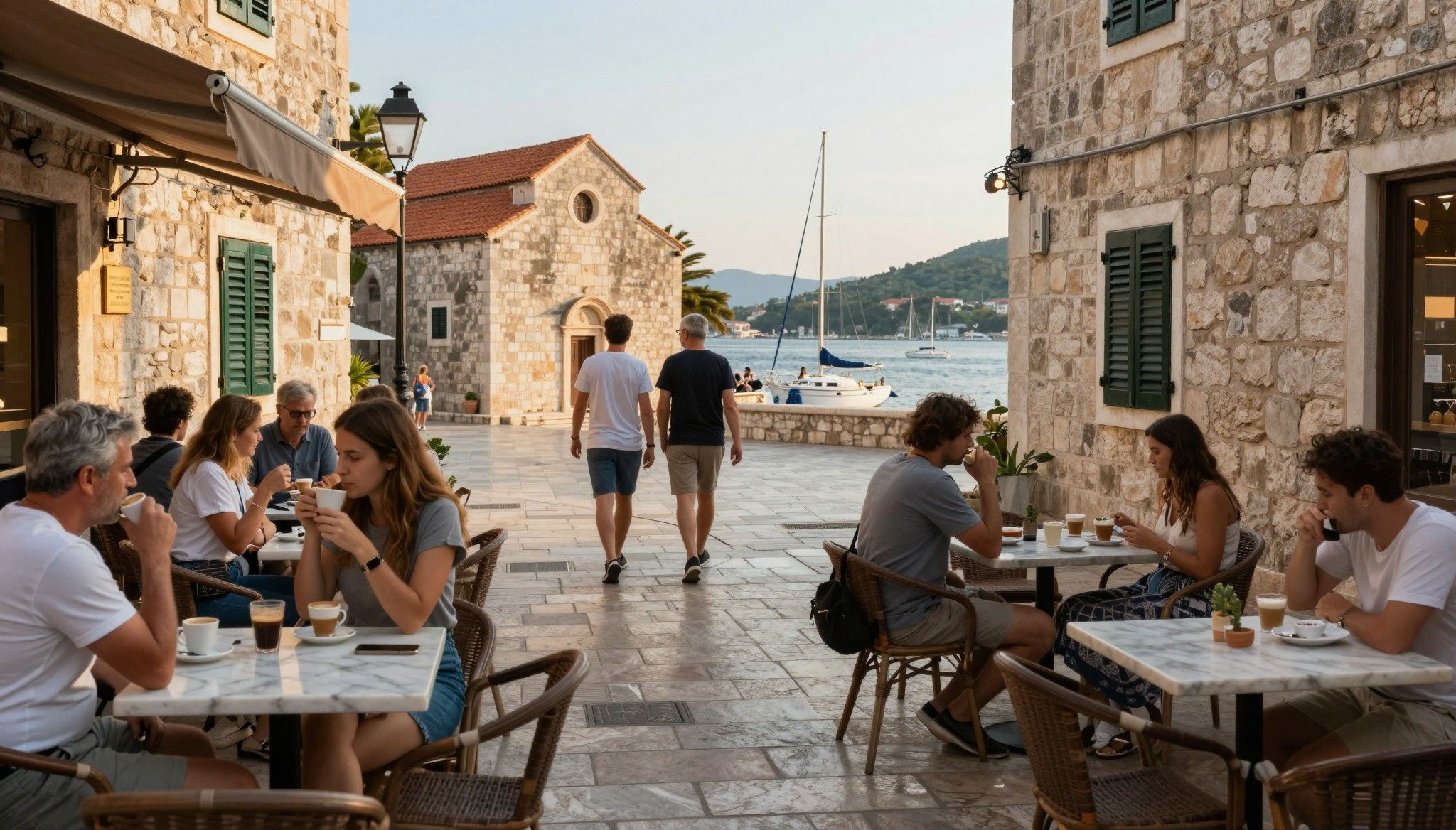
Imagine a late afternoon in Limassol: espresso at a shaded table on Anexartisias, the sea on the horizon, contractors discussing stone façades and mature cypresses shading a neighbourhood courtyard. That ease—sunlight, good food, neighbourly courtesy—is why buyers come to Cyprus. Yet the paperwork, mortgage offers and unseen costs often interrupt an otherwise graceful arrival. This guide looks at financing in Cyprus through a contrarian lens: practical routes non‑residents use to secure competitive mortgages, timed strategies that beat the market, and local realities seasoned buyers quietly rely on.
Living the Cyprus Life—and What It Costs

Cyprus offers a layered life: coastal promenades in Limassol, Byzantine lanes in Nicosia’s old town, olive‑scented mornings in Paphos. That variety shows in price dynamics—Limassol commanding premium prices, while Larnaca and Paphos increasingly attract buyers seeking relative value. Recent market reporting notes a record value of transactions in 2024, underscoring demand from both domestic and foreign purchasers. Understanding these rhythms helps when you consider loan size, amortisation and the district where you will live.
Neighborhoods that shape expectations
Walk the seafront in Limassol and you feel why buyers accept higher bids: marina lifestyle, international schools and hotel‑grade services. Cross to Kato Paphos for quieter mornings among Byzantine mosaics, where villa plots and traditional stone houses hold different financing logic — larger deposits but lower per‑square‑metre costs. Nicosia’s inner ring offers townhouses and apartments with steady demand from professionals, while Larnaca’s compact centre rewards buyers who prize local cafés and an emergent arts scene.
Food, light and seasonality—how they influence value
Seasonal life matters: summer brings tourism premiums to coastal rentals; winter reveals the quieter fabric of villages and can be when motivated sellers appear. Macroeconomic forecasts projecting modest growth and stable tourism underpin lender confidence; yet interest‑rate shifts and construction costs change the calculus for new builds versus restored stone homes.
- Lifestyle highlights that affect financing choices: Limassol marina living (higher loan‑to‑value tolerance by lenders); Paphos village villas (larger cash down payments preferred); Larnaca central apartments (rental demand for short lets); Nicosia townhouses (stable resale market).
Making the Move: Practical Financing Considerations

Your vision of life in Cyprus should guide which loan you seek. Non‑resident buyers face different thresholds for loan‑to‑value (LTV), documentation and currency exposure. Yet the contrarian observation is that several less obvious routes—local bank relationships, euro‑denominated mortgages from Cyprus banks, and structured lender introductions via experienced agencies—often produce materially better terms than a straightforward overseas bank application.
Property types and financing logic
New developments command predictable underwriting: valuations, completion guarantees and developer reputations matter. For restored villages or listed homes, lenders may discount value for renovation risk, increasing deposit requirements. Apartments linked to tourist rental programmes can attract shorter‑term, higher‑rate lending but also better rental yield assumptions in an application. The Central Bank’s indices show diverging dynamics between houses and apartments—use that data when testing valuations with lenders.
Working with local experts who actually know lenders
- Steps a seasoned local adviser will take to improve your mortgage outcome: 1) pre‑qualification with multiple Cypriot lenders to benchmark LTV and rates; 2) align property valuation with bank criteria (floor plans, local comparables); 3) assist with translated documentation and tax residency proofs; 4) introduce currency‑hedging options where necessary; 5) negotiate a conditional offer timed to exchange rates and seasonal market activity.
Insider Knowledge: Myths, Red Flags and Unusual Opportunities
Many foreigners assume Cyprus mortgages are categorically more expensive for non‑residents. In practice, relationships and timing matter more than nationality alone. Banks prize well‑documented income, a reasonable deposit and a conservative valuation. Conversely, red flags include properties with unresolved title issues, developments lacking building permits, and reliance on optimistic rental forecasts without historical data.
Cultural and procedural quirks to expect
Expect a measured pace: public offices move with formality, and not all disclosures are automatic. English is widely spoken in business, but contracts and municipal records may require certified translations. Working with a solicitor experienced in Cyprus conveyancing and a bilingual mortgage broker eases this friction and prevents costly delays at exchange.
- Practical financing tips that work in Cyprus: establish local bank relationships before bidding; budget for 10–25% deposit depending on LTV and property type; confirm building permits and title from the District Lands Office; factor in currency exposure if your income isn’t in euros; ask lenders how they treat rental income in serviceability tests.
A final note on timing: data from Cyprus’s market reporting and international observers suggest that short windows of opportunity open when tourist seasons ebb and when banks adjust appetite following macro shifts. A deliberate, agency‑assisted approach—where lifestyle priorities guide the financing structure—lets you move with certainty rather than haste.
- Next steps: 1) speak with a Cyprus‑based mortgage adviser and your preferred agency to pre‑qualify; 2) request a formal bank valuation before offer; 3) instruct a local solicitor to begin title checks; 4) plan currency and tax advice ahead of completion.
If Cyprus feels like a private garden you want to enter, financing is the gatekeeper. With the right local counsel, timed strategy and respect for the island’s rhythms, you can secure funding that supports the life you imagine: sea‑side afternoons, village mornings, and a home that will age with the same quiet distinction as the island itself.
Former Copenhagen architect who relocated to Provence, offering relocation services, market analysis, and a curator’s eye for authentic regional design.