Buy Off‑Season: How Croatia’s 2025 Tax Shift Shapes Timing
Croatia’s 2025 tax reforms make off‑season, lifestyle‑led purchases fiscally smarter: align neighbourhood choice with municipal tax bands to reduce holding costs.
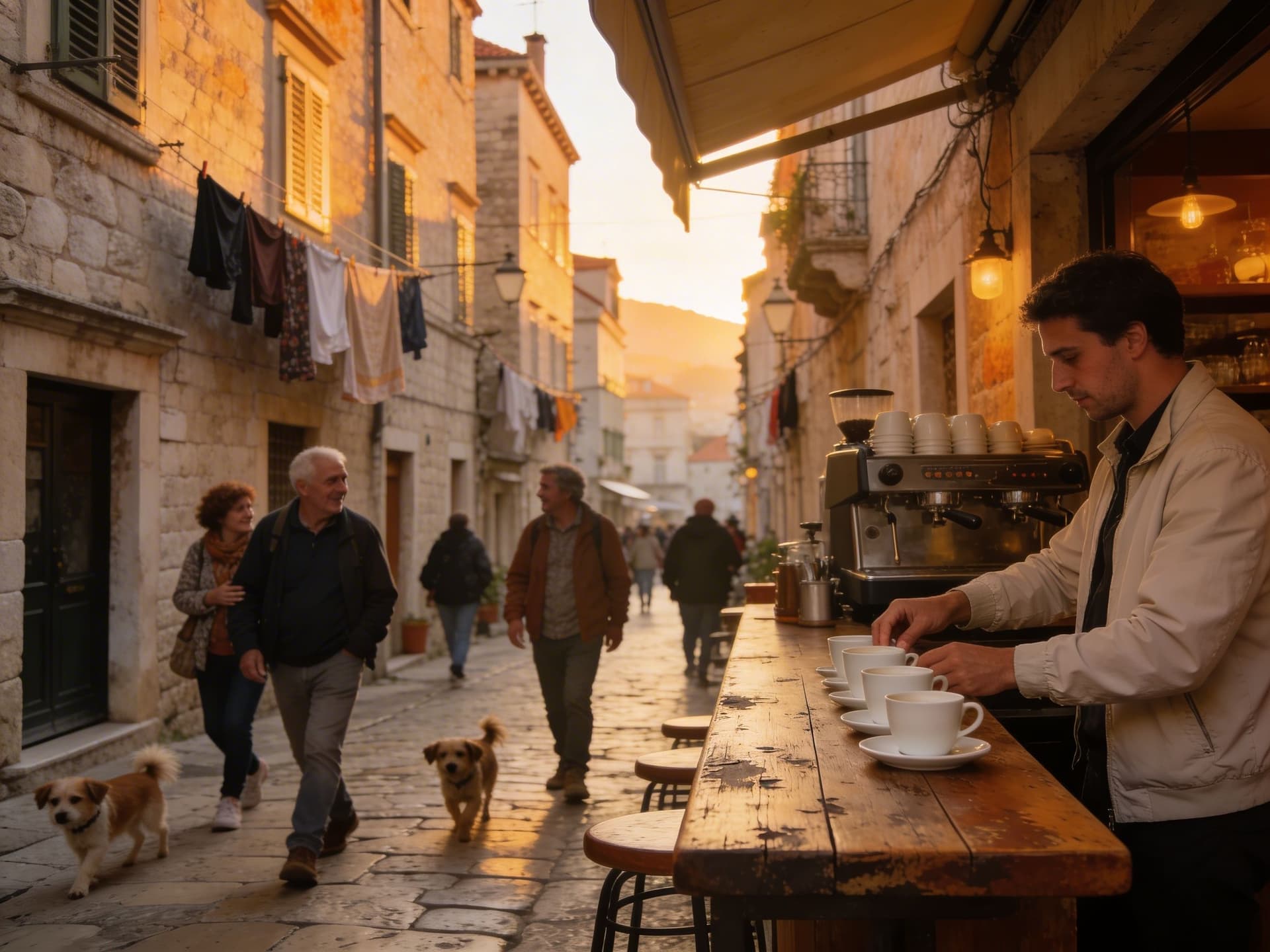
Imagine an autumn morning in Dubrovnik: light hits the honeyed limestone of a narrow street, a barista pulls espresso outside a small kafana on Ulica od Puca, and the summer crowds have folded away. In such quiet months the rhythms of daily life — local markets, fishing boats, the cadence of neighborhood conversation — are clearer; the real estate market feels less like theatre and more like a craft. That change in tempo now matters financially: Croatia’s 2025 tax reforms have altered holding costs and seasonal advantages in ways buyers rarely consider. If you dream of living here, timing your purchase with both the lifestyle season and the tax calendar can save money and preserve the pleasure that brought you here.
Living Croatia: rhythms that shape where you buy
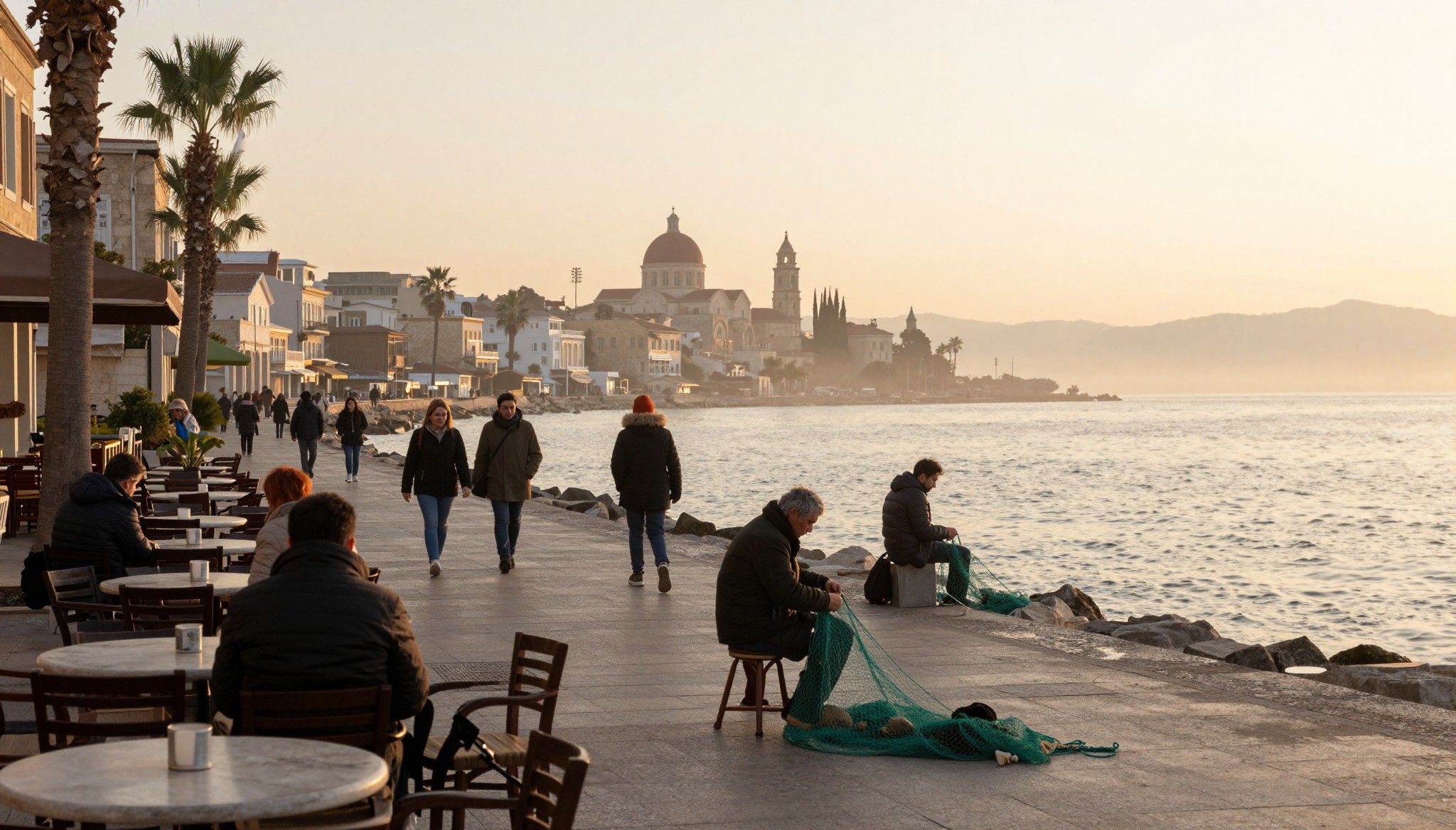
Life in Croatia is measured in small pleasures: morning markets in Split’s Pazar; late-afternoon swims off Brac’s Zlatni Rat; aperitivo on Korčula’s old town walls. These rituals determine which property suits you — a compact stone apartment a short walk from Hvar’s harbour, or a terraced olive-grove house near Istria’s truffle routes. Recent local tax reforms (introduced in 2025) also make seasonality part of the calculation; municipalities now set annual property taxes that vary by zone and amenity, so location determines both daily life and recurring costs. Understanding that rhythm — where you will live day-to-day — is the first, practical step in tax-smart buying.
Neighbourhood pulse: Dubrovnik’s Old Town versus Lapad
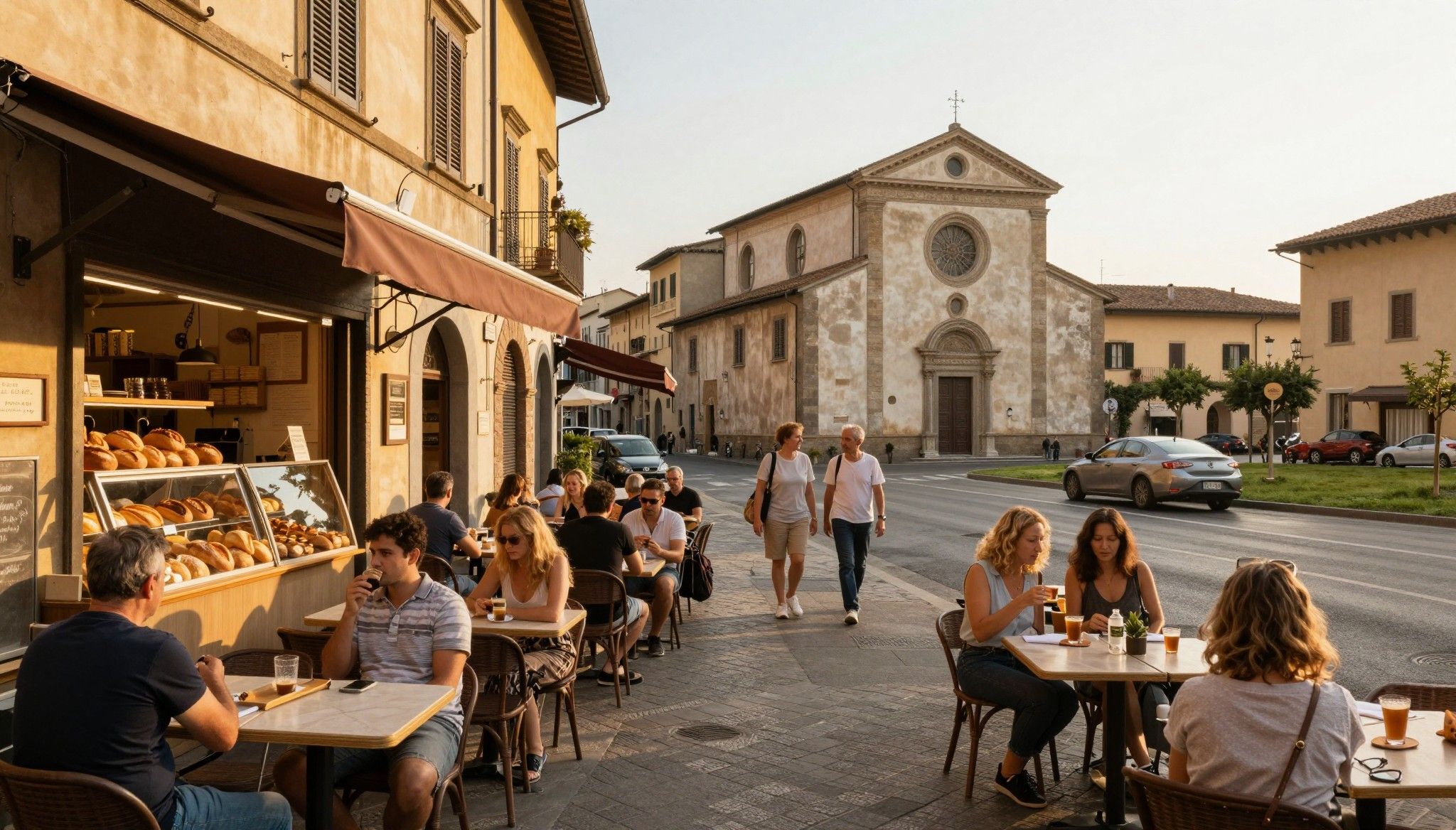
In Dubrovnik, an apartment beside Stradun places you in a museum of living history; a flat on Lapad offers quieter, green promenades and more year-round residents. The difference is not merely aesthetic: municipal tax bands and visitor‑pressure feel different in each quarter. If you prefer everyday life to spectacle, look where locals gather for coffee rather than where tour buses park — these are often the properties that age gracefully and avoid punitive local tax uplifts tied to short‑term rental zones.
Food, markets and slow seasons: where the calendar helps buyers
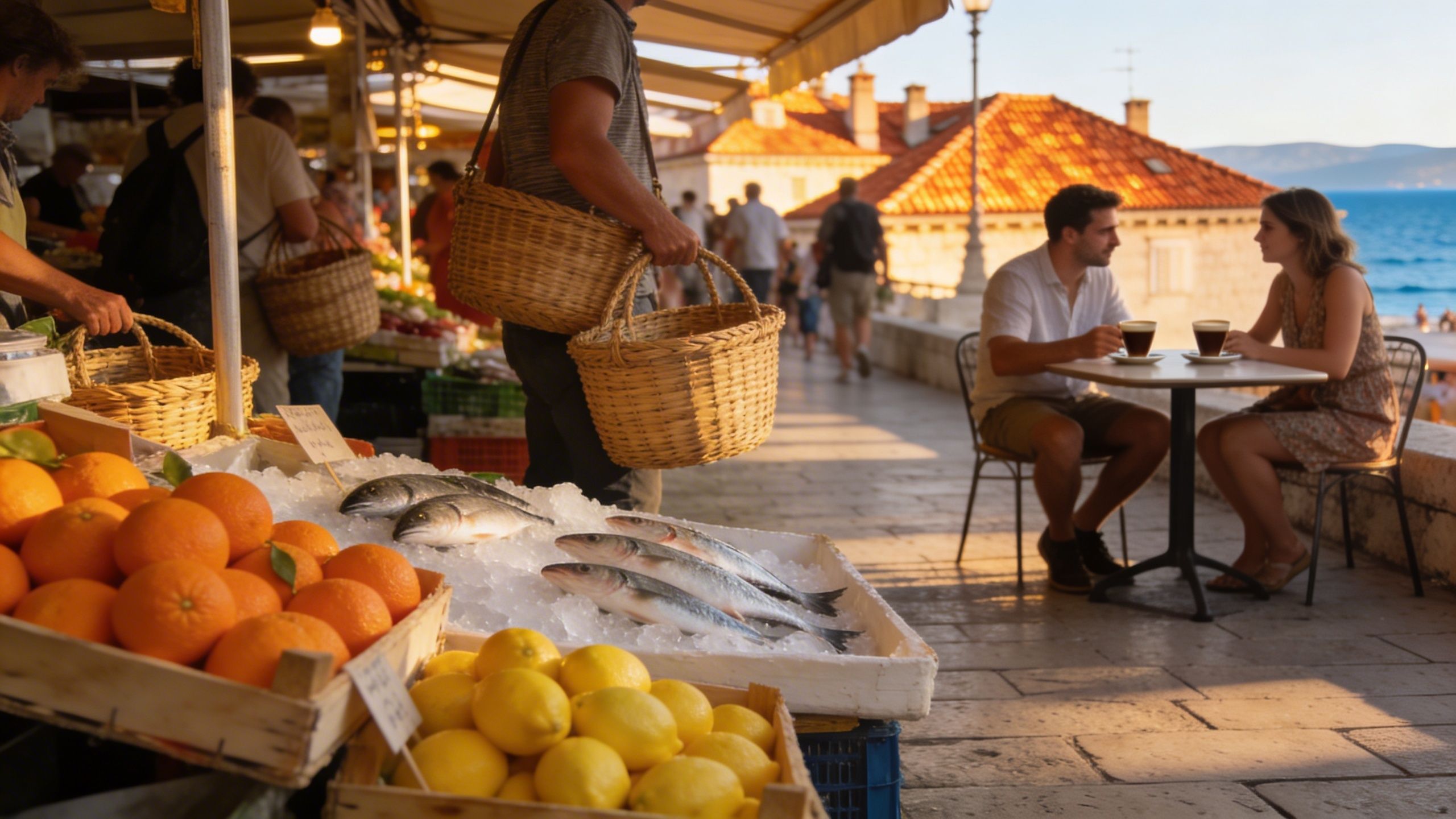
Market stalls in Rijeka or Split teem with citrus and fresh fish through spring and summer, but it is the off‑season calm that reveals neighbourhood integrity: families, artisans and long-term residents. That social texture helps when assessing whether a property will be classed by local authorities as a holiday unit — a designation that can influence annual tax bands since 2025. Buying with the slow season’s cues in mind helps you choose homes that suit permanent life rather than ephemeral rental returns.
Making the move: practical considerations and tax realities

The practicalities of buying in Croatia remain straightforward in structure but nuanced in detail: resale transactions typically attract a 3% real estate transfer tax, while new builds are subject to 25% VAT and therefore exempt from that transfer tax. Municipalities now set annual property tax rates within a legal band introduced in 2025, which means the same square metre can carry very different holding costs depending on local decisions. For a discerning buyer this is an invitation to align lifestyle preferences with fiscal impact — select streets and neighbourhoods where both daily life and long‑term tax exposure feel right.
Property types and how tax treats them
A stone villa with a pool in Istria will attract different municipal uplift than a modest apartment in Zagreb’s Donji Grad: recent rules allow local authorities to increase rates for newer constructions or amenities such as pools. Likewise, the transfer tax applies to resale deals (3%), while VAT affects primary market transactions. If you wish to avoid immediate VAT exposure, resale properties can be fiscally cleaner — but they require careful due diligence on title, renovation history and true market value.
Working with experts who know both lifestyle and law
A local lawyer and a tax advisor are indispensable for premium buyers: they translate municipal decisions into dollars or euros, advise on whether a property’s advertised price reflects market value for transfer tax purposes, and help structure purchases to minimise unnecessary VAT or tax band exposure. A refined agency acts as cultural translator as well as market gatekeeper — recommending streets where neighbours will sustain the lifestyle you seek while flagging municipal leanings that affect annual costs. Engage advisors early; for high‑value, historic properties, small legal oversights compound into expensive surprises.
Practical, lifestyle‑aware buying checklist
1. Inspect the neighbourhood off‑season to judge year‑round life rather than peak impressions. 2. Ask the municipality for exact property tax band information and any amenity surcharges (pools, new builds). 3. Confirm whether the seller declared the price fully; undervaluation can trigger reassessment and extra transfer tax. 4. Compare resale (3% transfer tax) versus new build (25% VAT) scenarios with your tax adviser. 5. Factor in agency and notary fees (typically 1–3% combined) and local registration costs in your cash‑flow plan.
Insider knowledge: what expats wish they’d known
Long‑term residents often say their best purchases came not from timing market headlines but from attending local markets and listening. An Istrian neighbour told me she chose a modest villa near Motovun because the town’s municipal council resisted tourist zoning; today her holding costs are lower and the neighbourhood remains authentic. Conversely, buyers who chased summer returns in small islands found municipal uplifts and short‑term rental designations raised their annual bills. Local nuance — one street’s character, one council’s appetite for tourist levies — makes all the difference.
Cultural cues that affect tax and lifestyle
Speak with bakers, cafe owners and the postman; they will tell you which corners of town are steady and which are seasonal. Language matters but so does patience: many municipal offices require specific forms and local proofs for exemptions or long‑term rental classifications. A modest investment in translation and local representation often reduces tax friction later and helps you claim exemptions where eligible — for example properties let long‑term may avoid certain surtaxes aimed at short‑term holiday rentals.
Steps to align lifestyle with tax efficiency
1. Visit in two seasons: once in high season to see amenities, and once in slow season to judge everyday life. 2. Request municipal tax schedules in writing and ask about planned changes or surcharges. 3. Structure purchase (resale vs new build) with tax counsel to choose between 3% transfer tax or VAT exposure. 4. Include holding costs (annual property tax up to €8/m² in some municipalities) in your five‑year cash plan. 5. Work with an agency that values provenance and can source properties whose style and placement minimise punitive local levies.
Croatia offers a rare balance: a Mediterranean lifestyle rooted in community, and clear, recently adjusted tax rules that reward thoughtful buyers. The lesson is simple but rarely followed — choose a property that fits the life you want to lead, and then marry that choice to a purchase strategy that respects local tax realities. Begin with neighbourhood visits out of season, secure a local tax lawyer, and ask the municipality for written tax band details before signing a preliminary contract. By doing so you preserve the pleasures that first drew you to Croatia and avoid fiscal surprises that erode them.
Norwegian with years in Florence guiding clients across borders. I bridge Oslo and Tuscany, focusing on legal navigation, cultural context, and enduring craftsmanship.