Tourist Hype vs Quiet Value: Greek Neighbourhoods
Greece’s romance hides practical choices — learn which neighbourhoods preserve daily life, where policy and price meet, and the contrarian areas offering true value.
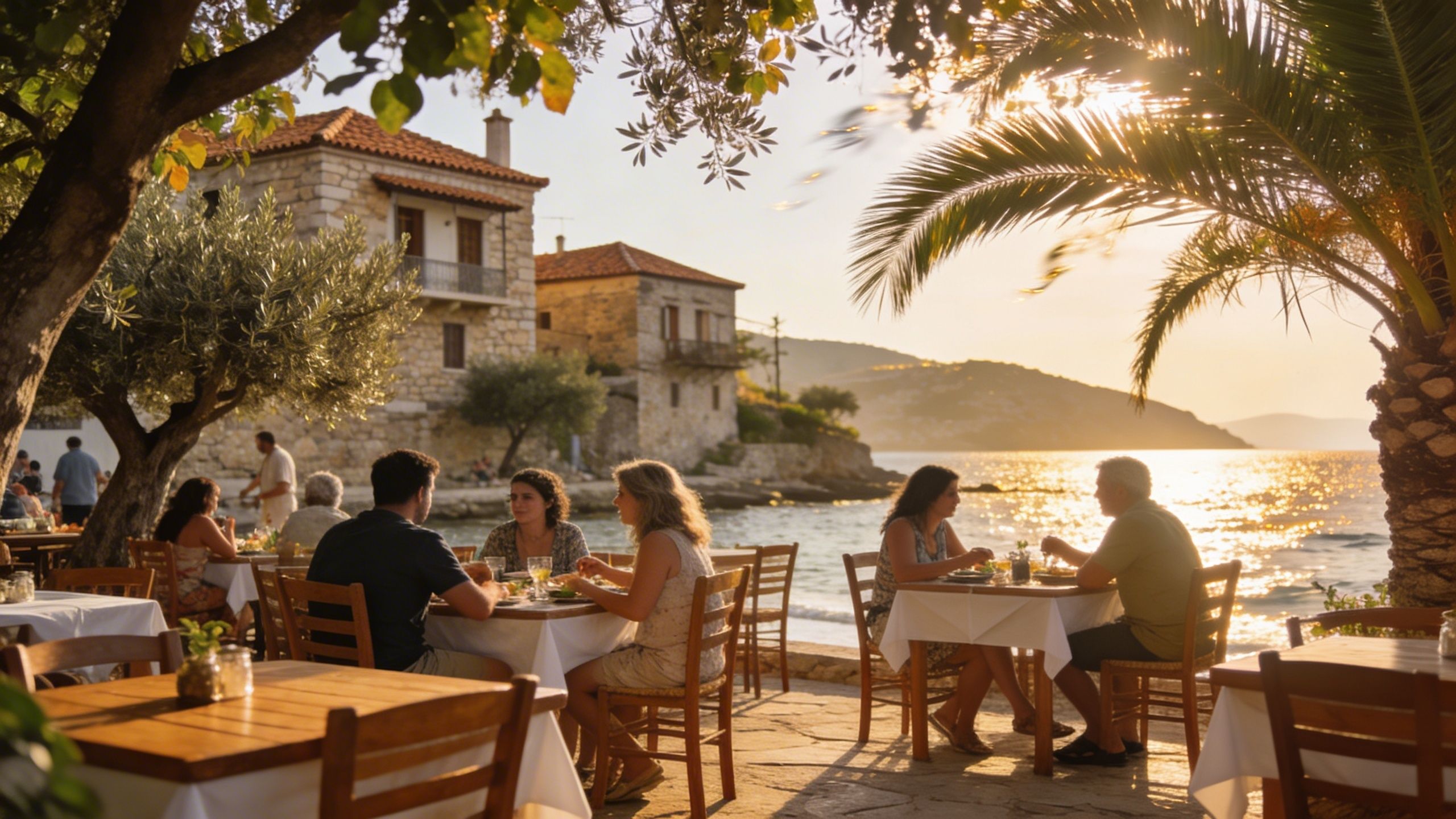
Imagine a late-afternoon in Athens: espresso cups clink under plane trees on Dionysiou Areopagitou, a stray dog naps on a warm step, and the Acropolis sits quietly above a city that is, paradoxically, both centuries‑old and markedly modern. For many international buyers Greece is a series of romantic images — whitewashed islands, neoclassical facades in central Athens, and sea‑fringed villas — yet the lived experience is textured, local, and changing fast. This piece looks beyond postcards to show where lifestyle and value intersect, and how a few contrarian neighbourhood choices can deliver better living and stronger long‑term prospects. It is rooted in recent market data and local reporting so that desire is paired with discretion and clarity.
Living the Greek life: more than a holiday
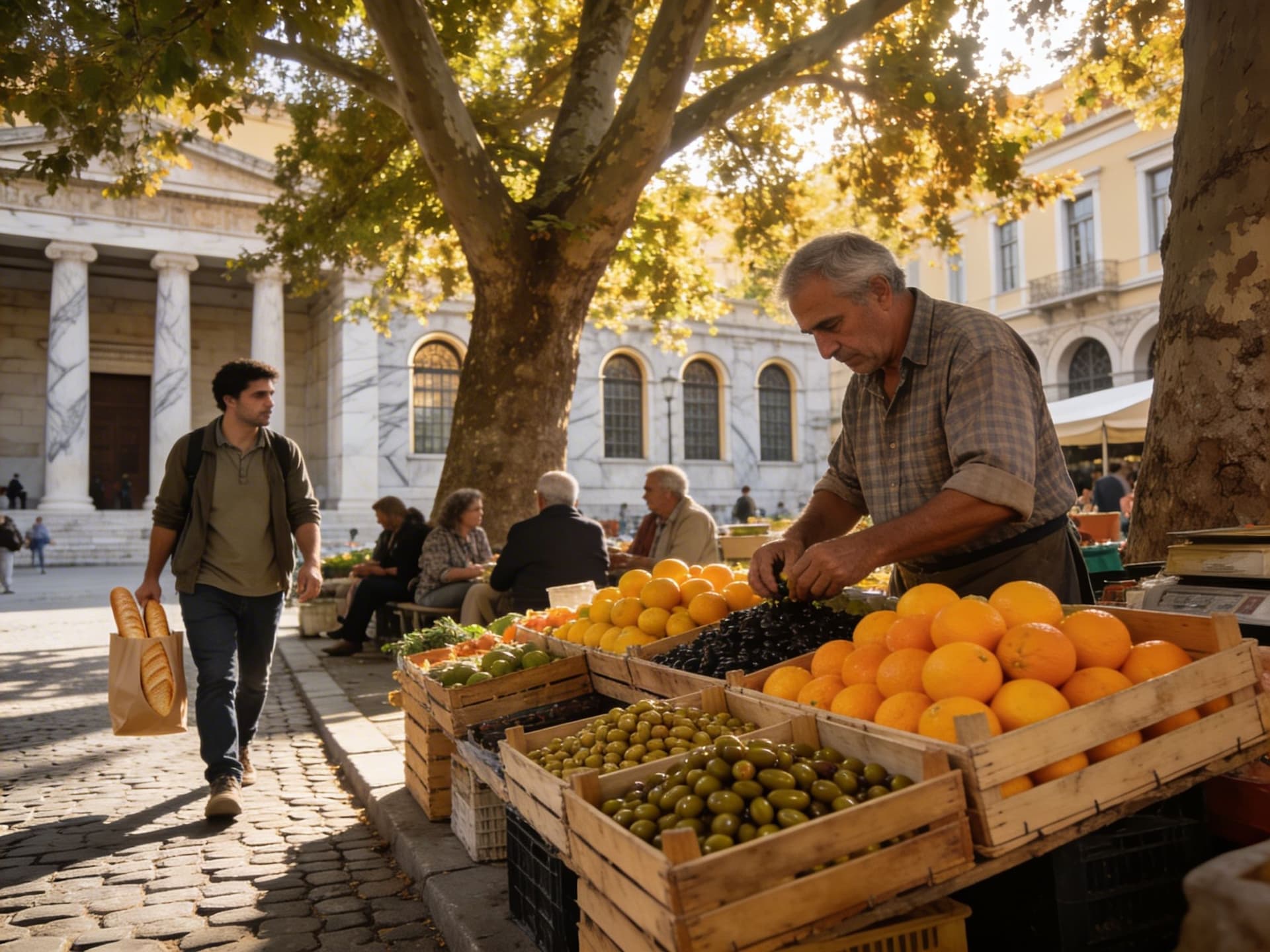
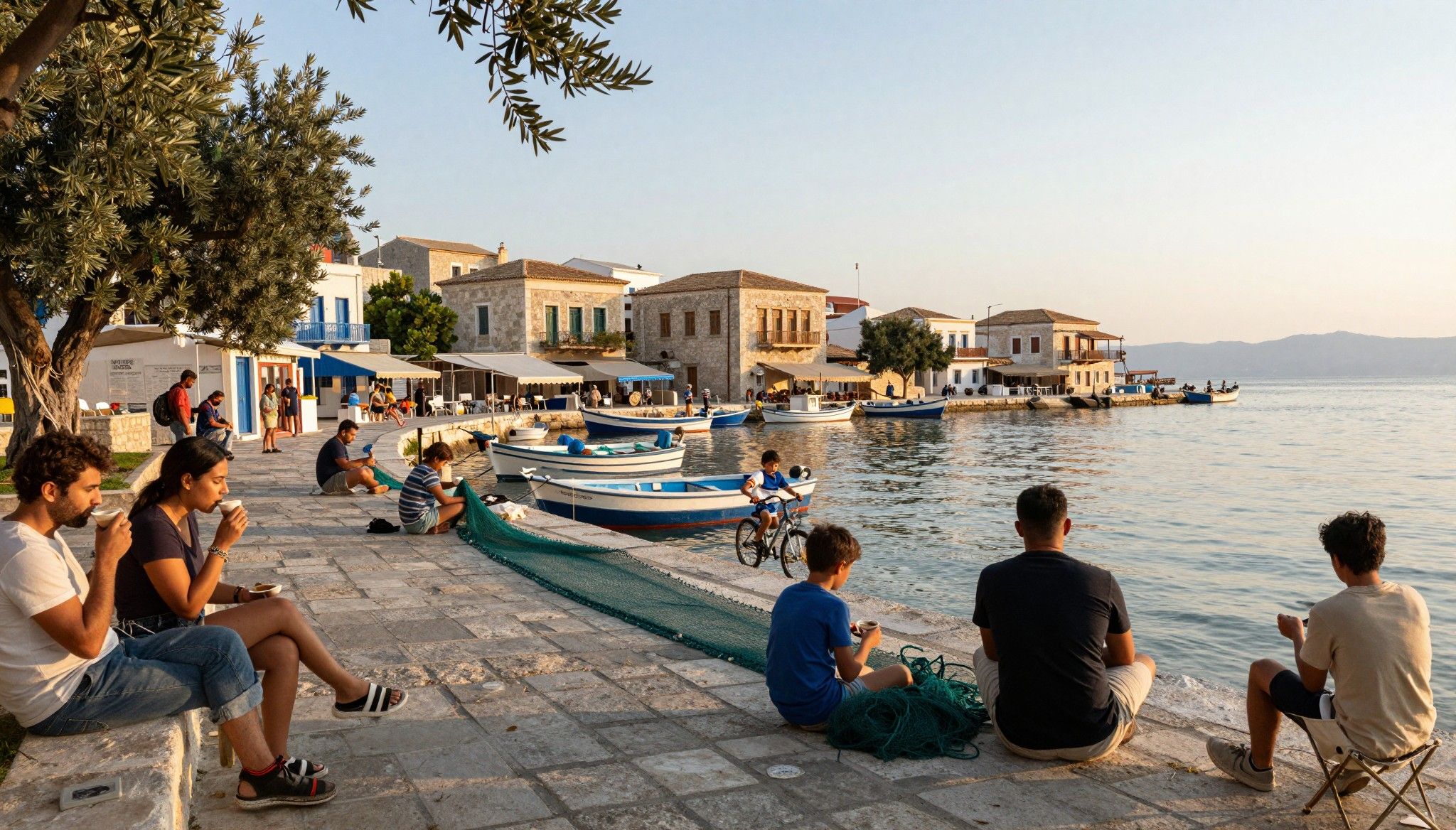
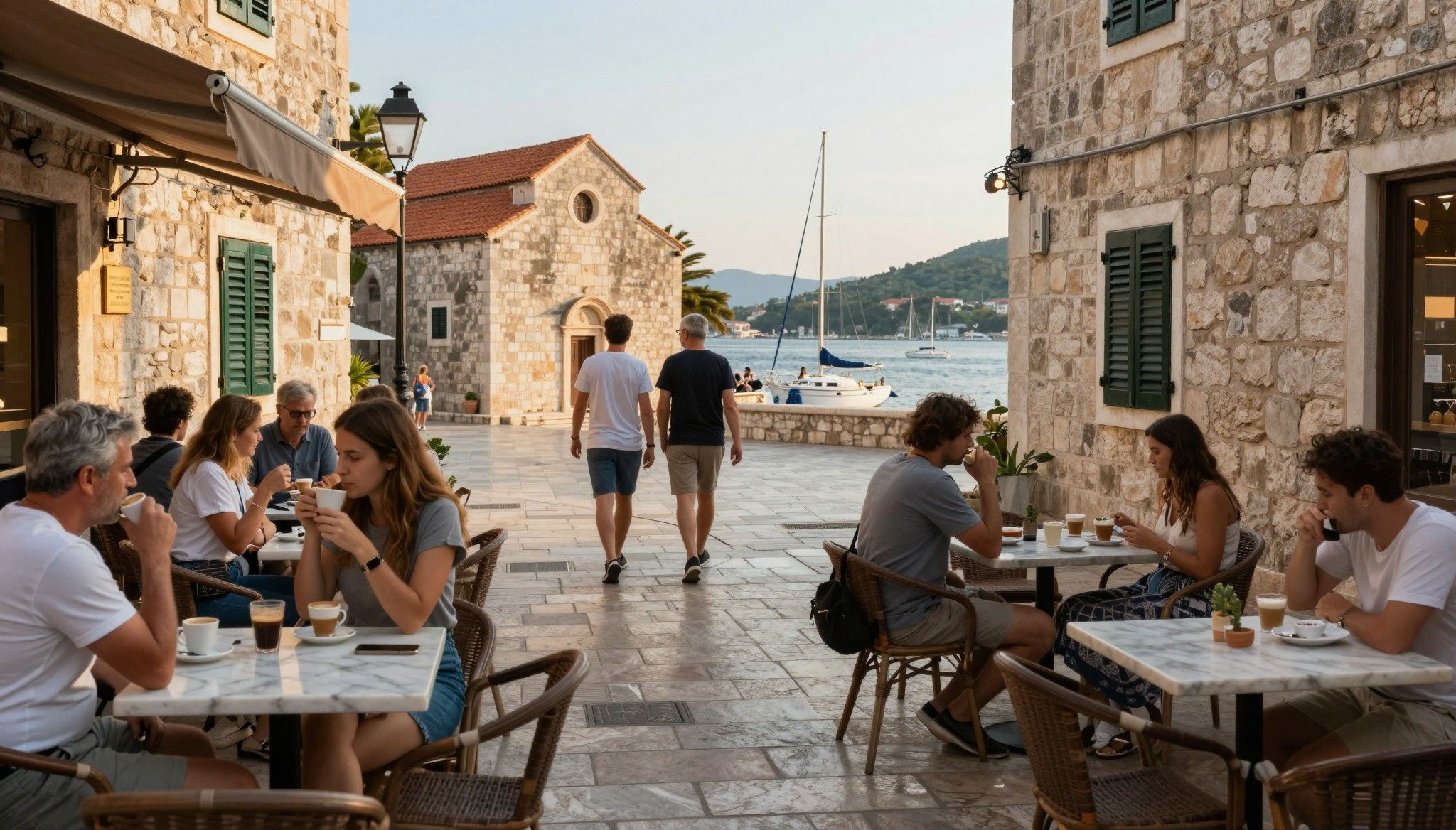
Greece’s rhythms are defined by light, food and a tolerant pace. Mornings are for markets — vendors unpack mounds of citrus and small fish — while evenings belong to taverna tables and long conversations. Streets in Kolonaki and Kifisia have a different tenor to the lanes of Koukaki or Exarchia; each quarter offers a specific pattern of daily life, from slow café mornings to active coastal promenades. For the buyer seeking permanence, these everyday textures determine which property type will suit both routine and temperament.
Athens: neighbourhoods where life is actually lived
Plaka and the historic centre are irresistibly beautiful, but long‑term residents and civic groups warn that short‑term rental pressure and tourist conversion are hollowing out daily life. In contrast, Koukaki — once a service neighbourhood for theatre workers — now sustains cafés, bookstores and families; its proximity to the Acropolis feels lived‑in rather than theatrical. Upmarket Kolonaki offers refined apartment living, discreet restaurants and galleries; the northern suburb of Kifisia provides gardened villas and a quieter tempo. Choosing a neighbourhood, therefore, is as much about conserving a daily life as it is about securing a view.
Islands and coasts: sunlit trade‑offs
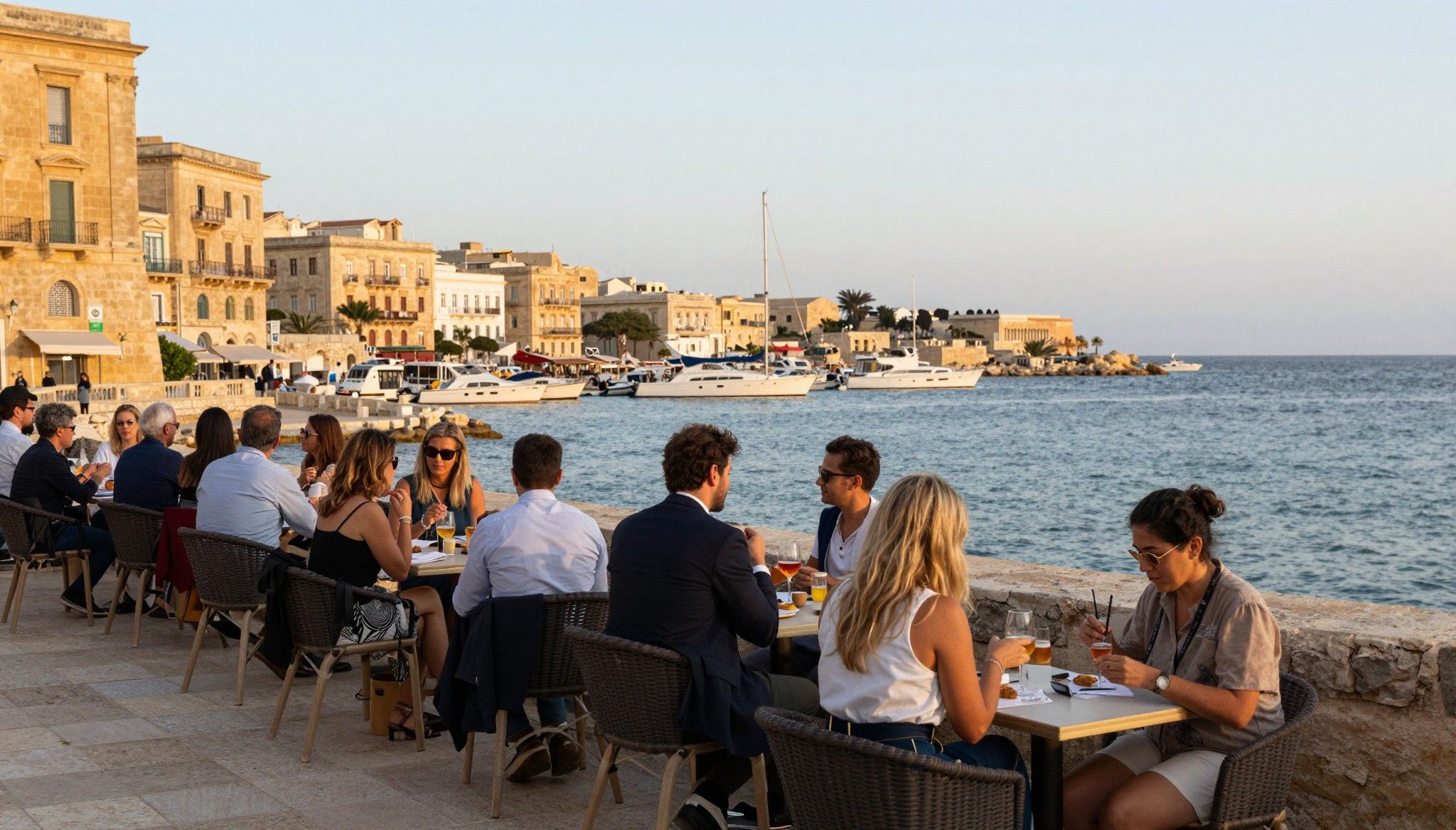
The Cyclades carry a global image that affects price and use: Mykonos and Santorini are reliably costly and seasonal, while islands such as Naxos, Paros and Tinos combine quieter daily communities with strong summer demand. On the Athenian Riviera — Vouliagmeni and Glyfada — villas and contemporary developments appeal to families who want year‑round schooling and hospital access close by. For buyers who prize solitude, Crete and the Peloponnese offer scale and agricultural proximity, but require an acceptance of slower services and longer travel times.
- Lifestyle highlights to seek: Kolonaki cafés, Koukaki bookshops, Vouliagmeni sunset promenades, Paros’s farm‑to‑table tavernas, Tinos marble ateliers, and Athens’ central morning markets.
Making the move: practical choices that preserve the life you want
The real estate market is active yet regional: the Bank of Greece reported notable price rises in 2024, with growth moderating into 2025 — a reminder that timing matters but momentum remains. Meanwhile, policy changes to investor residency rules have shifted where foreign demand concentrates, raising thresholds in Attica and popular islands. Understanding these dynamics early helps preserve both lifestyle intent and investment prudence.
Property styles: match form to daily life
Neoclassical flats with high ceilings reward collectors who value period detail and centrality; they excel where walkability and cultural life are priorities. Contemporary villas with shaded terraces answer buyers seeking indoor‑outdoor living and private gardens on the islands or Riviera. Stone farmhouses and olive groves suit those who want stewardship and agrarian calm, but they demand patience: maintenance, water management and seasonal staffing are real commitments. The chosen property type should reflect how often you will use it, whether you need year‑round services, and the level of hands‑on care you welcome.
Working with local experts who value place
- 1. Engage an agency that knows the neighbourhood social fabric — not simply listings — so they can judge which streets retain residents rather than tourists. 2. Ask for provenance: paperwork for restorations, architect names and planning permissions — these details protect both heritage value and resale clarity. 3. Insist on a local property audit that covers water, seismic reinforcement and insulation — Greece’s climate and geology make these more than formalities. 4. Source a property manager with references for off‑season upkeep; this preserves condition and community ties when you are away. 5. Clarify expected year‑round running costs linked to heating, cooling and maintenance — lifestyle choices translate into predictable budgets.
Insider knowledge: what expats say after two winters
Expats commonly recount a surprise: Greece is not uniformly seasonal. Cities have winter rhythms — theatres, neighbourhood cafés and schools — that reward year‑round occupiers. Conversely, the islands’ off‑season reveals quieter infrastructure and, often, friendlier local relations. Long‑term residents advise buying where you can imagine a full calendar of life: markets, medical access, and neighbours, rather than a postcard view alone.
Cultural integration and daily customs
Learn a few Greek phrases, adopt local hours — a late lunch, a relaxed evening — and you will find doors open to community. Participating in local festivals, market days and coffee rituals is the fastest way to understand neighbourhood boundaries and informal norms. For many buyers, these small rituals become the deciding factor between a house that looks good and a home that feels right.
The long view: stewardship and generational value
Buying in Greece often means becoming a steward of place: masonry, lime wash, marble thresholds and mature gardens require care that preserves the property’s cultural and financial value. The market’s recent appreciation underlines the benefit of thoughtful maintenance and authentic restorations. For buyers with an eye to legacy, prioritising craftsmanship and provenance often yields steadier returns than stylistic renovations that date quickly.
- Red flags and practical checks: title irregularities, missing renovation permits, water rights on rural plots, seismic reinforcement certificates, and evidence of short‑term rental conversion in ostensibly residential blocks.
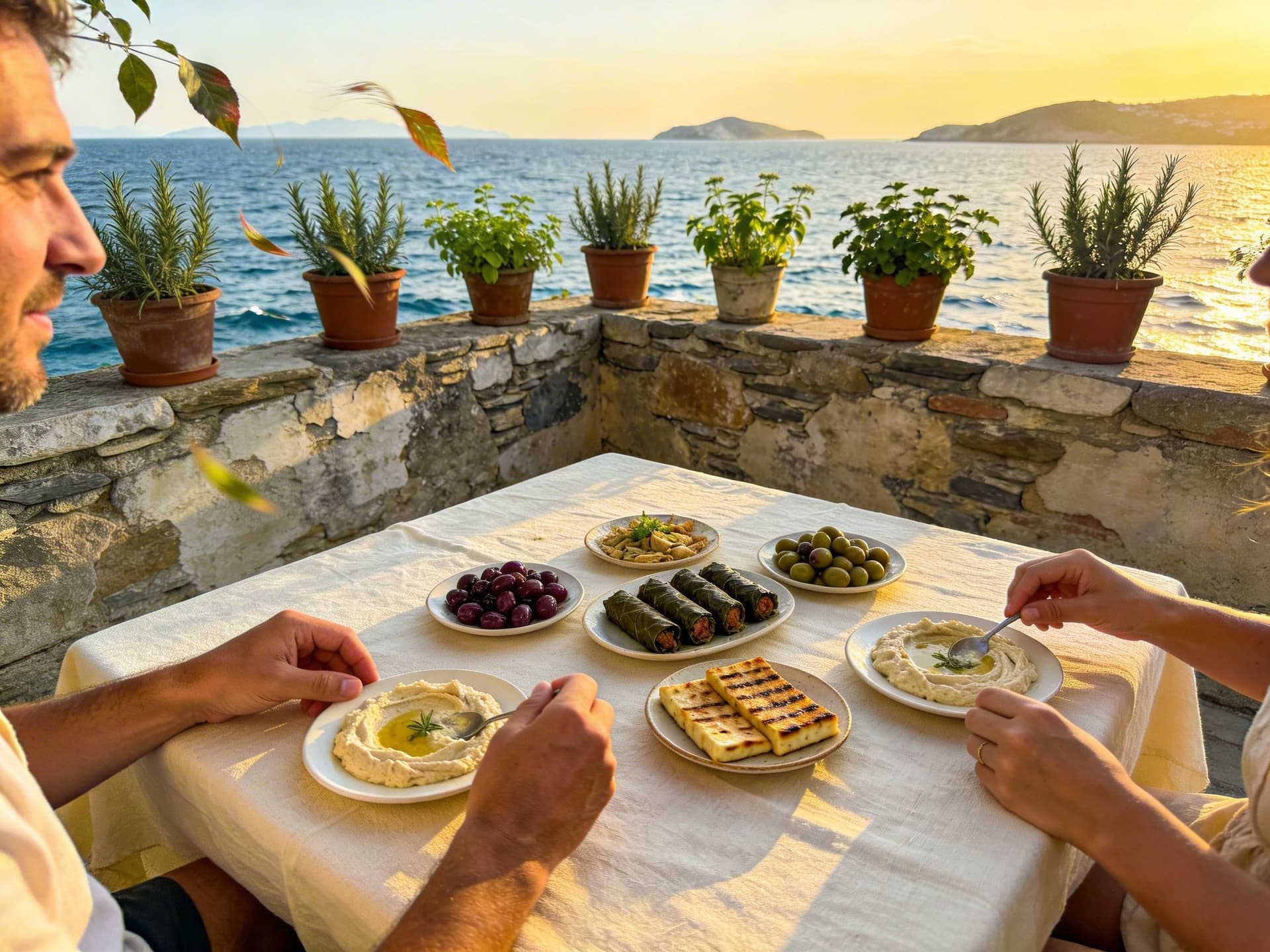
Imagine sipping late‑morning coffee beneath plane trees in Pangrati, strolling past the island baker in Paros, or returning to a sea‑facing terrace in Vouliagmeni as the light softens. Each of these scenes requires a different property strategy: residency rules, seasonal usage, service expectations and the patience to steward materials that age gracefully. If you love the life, let the life lead the purchase. Begin with a short stay in your chosen neighbourhood, meet residents and agents who value heritage, and ask to see how properties function in winter as well as summer.
Next steps: contact an agency with local provenance, request full technical dossiers and neighbourhood references, and plan a viewing schedule that includes off‑season visits. Where lifestyle and reality align, Greece rewards patient, place‑led buyers with homes that promise both beauty and lasting value.
Dutch former researcher who moved to Lisbon, specialising in investment strategy, heritage preservation, and cross-border portfolio stewardship.