Insure a French Home: The Quiet Risks to Cover
How to protect a French home without losing the romance: seasonally smart insurance, contract safeguards and local expertise that preserve both lifestyle and value.
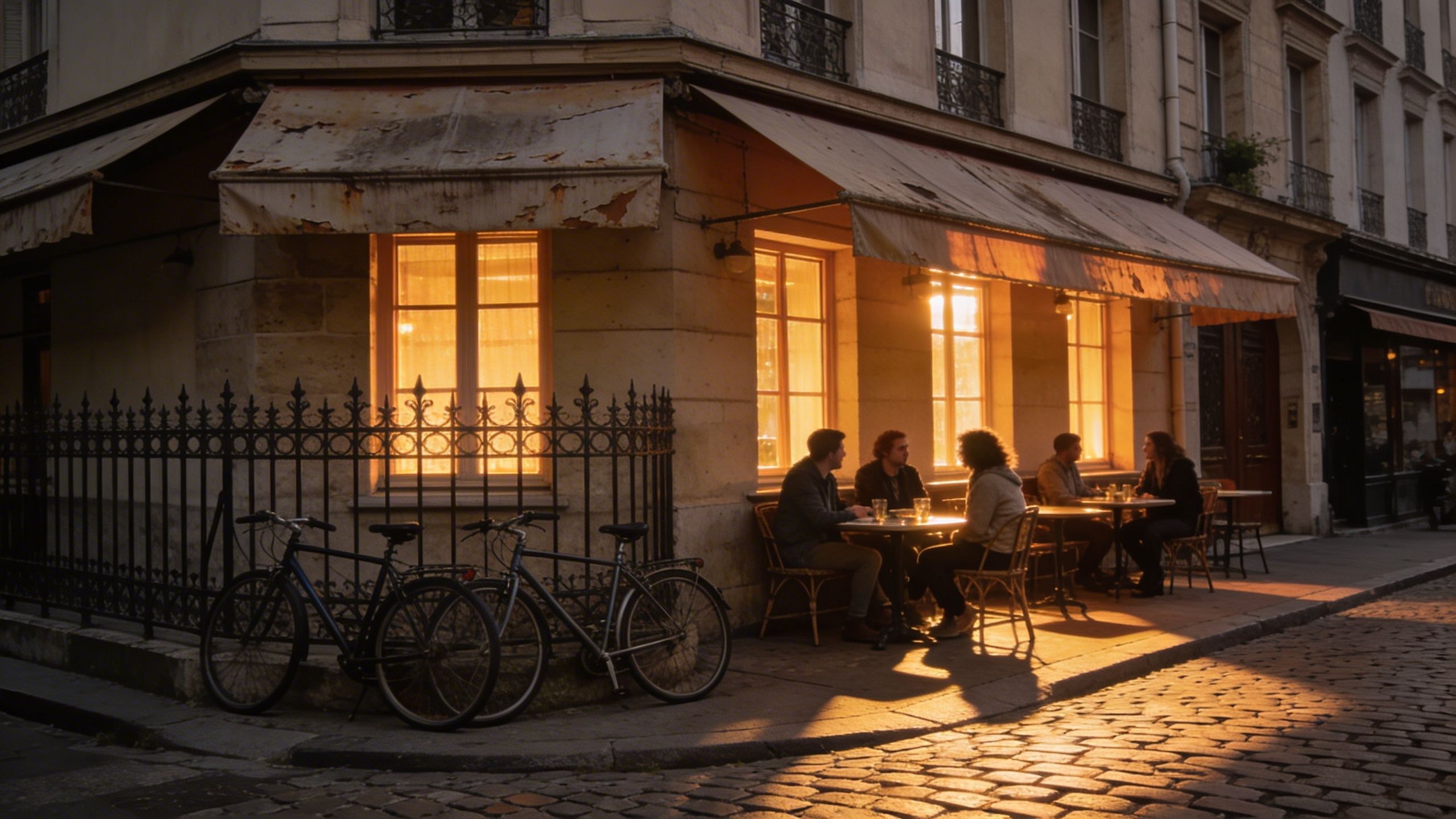
Imagine waking to the muffled clatter of a boulangerie oven on Rue des Martyrs, or an autumn light that turns limestone façades honey‑gold in Dordogne. France is a country of rhythms — market mornings, late cafés, small rituals of craftsmanship — and these rhythms shape how a home is lived and protected. For international buyers, the romance of place must be married to quiet diligences: the right insurance, prudent contractual safeguards and a local team who reads both the market and the calendar.
Living the French life — what the place feels like
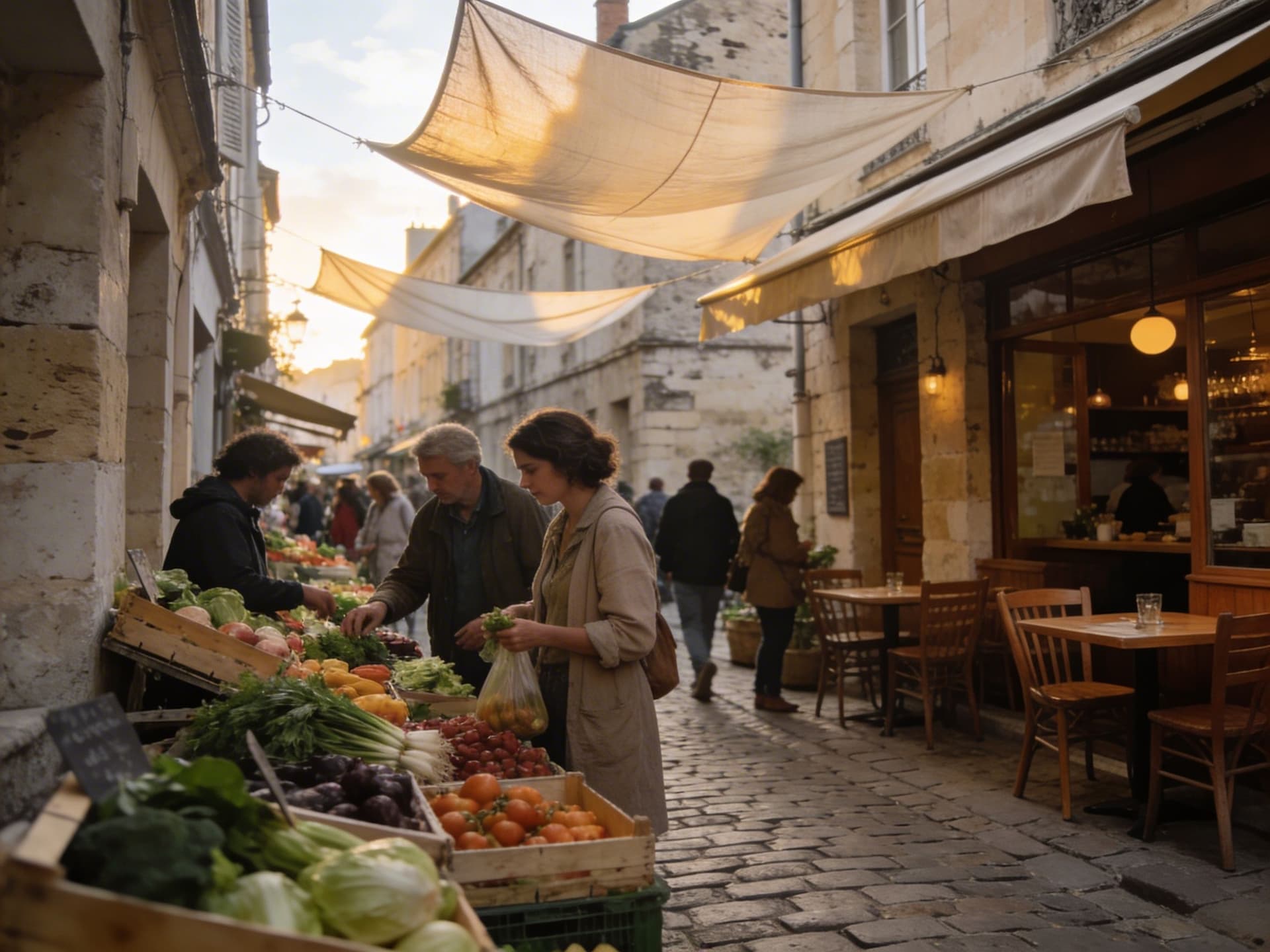
In France, daily life is tactile: market stalls in Nice lined with citrus and thyme, early morning bicycles on the Promenade des Anglais, shutters opened late in summer on Île‑de‑Ré to catch the breeze. Neighborhoods are defined by a single café, a marché and a boulanger; the quality of those small things often matters more than proximity to a cathedral or sea view when choosing where to live.
Parisian arrondissements and provincial towns — different temperaments
An apartment on Rue Cler in the 7th will offer ritual market life and instant cafés; a stone house on Rue des Chanoines in Sarlat provides quiet winters punctuated by truffle season and weekly markets. Both offer distinct protections to consider: city flats often require copropriété (co‑ownership) policies and reserves, while country houses need broader property and garden cover — and a different relationship with local authorities and craftsmen.
Food, festivals and seasons — how life changes through the year
Summer terraces bring streets to life in Provence and Bordeaux; winter surfacing in Brittany reconfigures routines and exposes roofs and drainage to harsher weather. Seasonal cycles affect insurance needs — from wildfire and storm endorsements in the south to freeze and roof‑collapse risks in alpine towns — and they should shape when you schedule surveys and renew policies.
Making the move: practical protections that preserve lifestyle
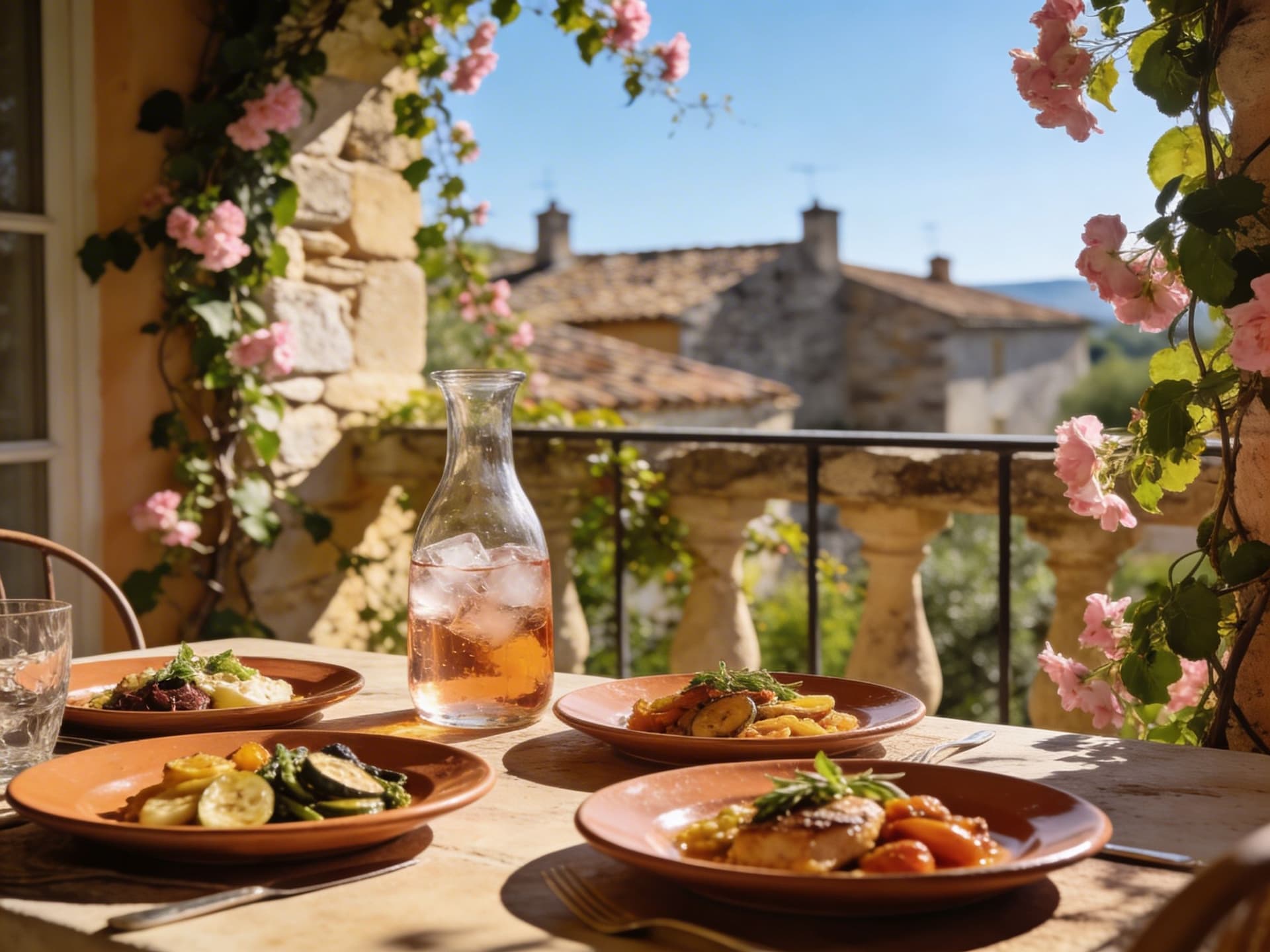
The emotional decision to buy in France must be accompanied by contractual clarity. French purchase contracts include a ten‑day cooling‑off period and common suspensive conditions — protections that let you secure a property without surrendering every leverage point. Use those moments to commission surveys, confirm insurance options and test local services that will sustain day‑to‑day life.
Property types and the insurance they require
Copropriétés (apartments in co‑ownership) carry communal risks: lift failures, shared roofs, and latent structural defects. A village maison or chambre d’hôtes introduces garden, outbuilding and liability exposures. For historic manors and restored hôtels particuliers, look for policies that cover artisan restoration work, specialty materials and châteaux‑scale liabilities.
Working with notaires, courtiers and local insurers
A local notaire drafts and registers the acte de vente; an independent insurance broker (courtier) translates French policy terms into practical coverage for foreign owners. Not all insurers provide identical endorsements for non‑resident owners; a broker can secure cover for short‑let liability, contents in seasonal use, and restoration works — matters that matter when a property is both a home and an investment.
Insider knowledge: the protections buyers most often overlook
Expat buyers often assume the notaire’s process is sufficient and that standard assurance habitation (home insurance) will cover every eventuality. In practice, meaningful gaps persist: elongated vacancy, artisan restoration, water infiltration in old stone, and third‑party liability during short lets. Anticipating these gaps preserves both lifestyle and value.
Common red flags and how to protect against them
- No recent claims history for the building; incomplete copropriété minutes; absence of up‑to‑date electrical or termite certificates; poorly documented restorations; thin or non‑existent insurer responses to coastal storm or wildfire claims.
Mitigation is practical and local: insist on full copro minutes, commission an independent diagnostic (diagnostics immobiliers), arrange periodic occupied‑house checks with a local property manager, and buy vacancy and restoration endorsements that remain valid during renovation.
Seasonal timing — an unconventional insurance advantage
Counterintuitively, buying outside high tourist season — late autumn or late winter — can reduce short‑term insurance exposure. Properties left empty in peak summer face higher squat and burglary risk; a winter purchase lets you confirm heating, insulation and drainage, and begin the insurance year with a property in use rather than vacancy.
Steps to secure a French property before signing (practical checklist)
- 1. Obtain a full set of diagnostics (termites, lead, electrical). 2. Request recent copropriété meeting minutes and budget forecasts. 3. Commission an independent surveyor for structural or roof concerns. 4. Consult a courtier to draft tailored insurance endorsements. 5. Include suspensive conditions for mortgage and insurance in the compromis de vente. 6. Arrange a local caretaker or property manager before the deed is signed.
- Why these steps matter: they protect your lifestyle — the small pleasures of a reliable heating system, a dry wine cellar, an operative garden irrigation — and they lock in legal and financial protections that preserve value across seasons.
Conclusion: steward the life you buy
Buying in France is an invitation to a particular life: measured, textured and tied to place. Protecting that life asks for a local team — notary, broker, surveyor and property manager — and insurance solutions that reflect the rhythms you intend to keep. Begin with a seasonally informed inspection, insist on contractual suspensive conditions, and treat insurance as a stewardship tool rather than a checkbox.
Relocating from London to Mallorca in 2014, I guide UK buyers through cross-border investment and tax considerations. I specialise in provenance, design integrity, and long-term value.