The Neighbourhood Malta’s Buyers Overlook (and Why It Pays)
Malta’s interior neighbourhoods — not only the seafront — offer superior daily life, better space and resilient value; recent NSO data confirms steady price growth.
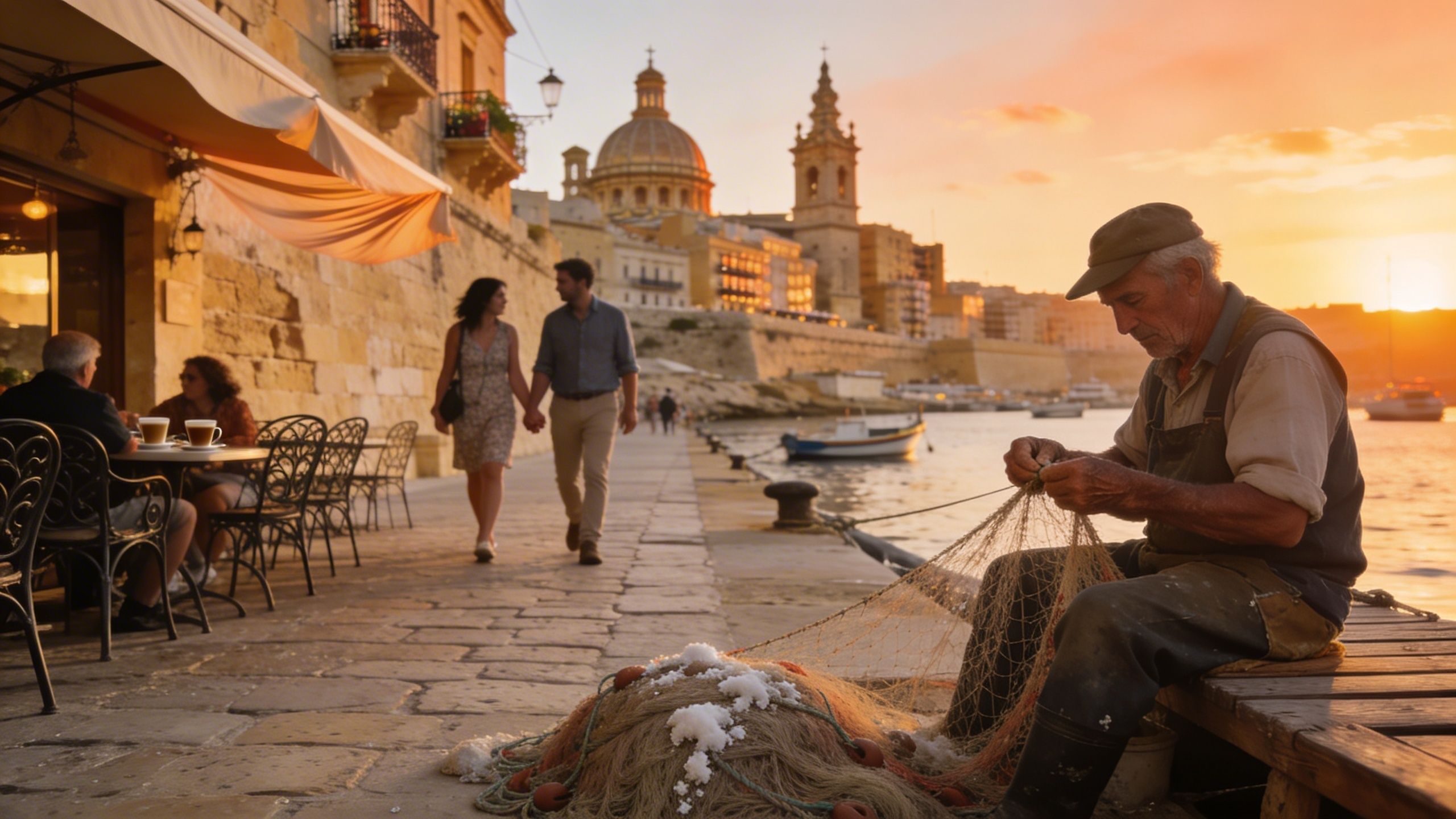
Imagine standing beneath a row of wooden balconies in a narrow Valletta lane as the light slips into ochre stone, then catching the harbour breezes five minutes later. Malta is compact in a way few countries are: history, sea and neighbourhood life coexist inside a twenty‑minute commute. For international buyers, that compactness rewrites assumptions — the coastline is only one facet of value, and the quiet interior quarters often hold the most enduring rewards. Recent official figures show steady price growth that repays patience rather than spectacle.
Living the Malta lifestyle
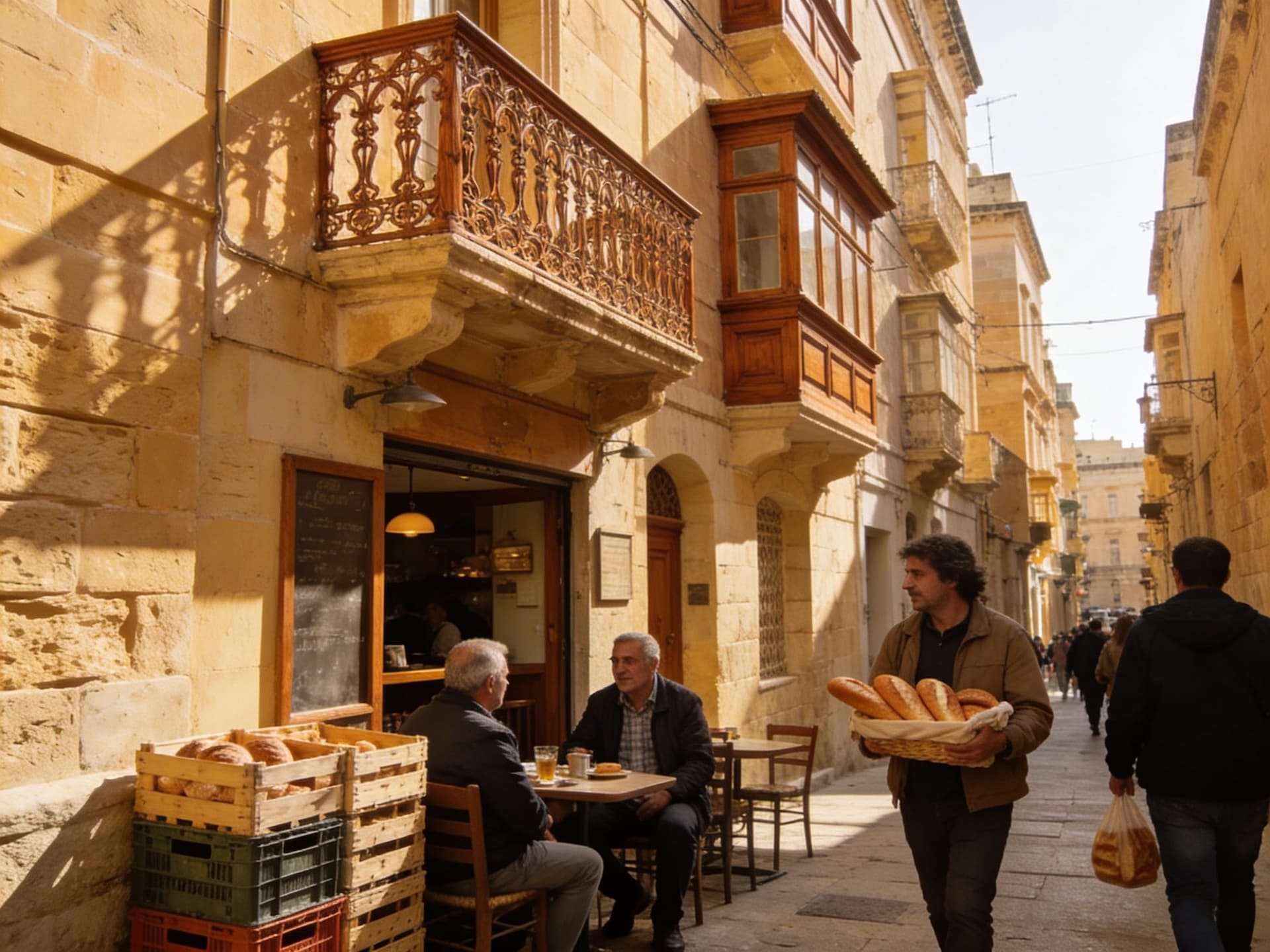
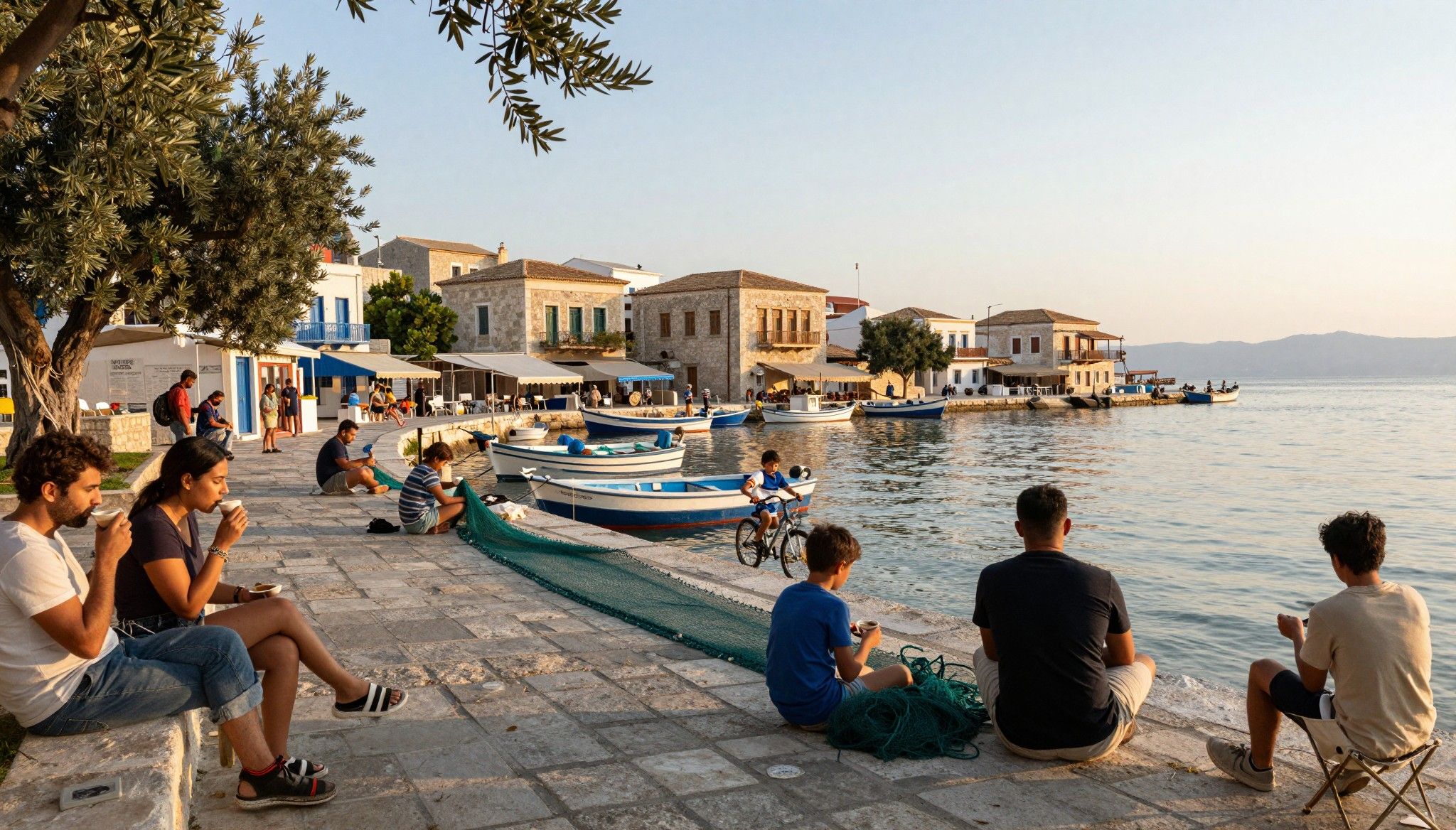
Daylight in Malta begins with markets and ends at small family‑run restaurants. Mornings unfurl with baristas in Sliema and fisherman selling the day’s catch in Marsaxlokk; afternoons favour harbour promenades in Birgu and Mdina’s hush. For someone moving from abroad, the rhythm is immediate: English is widely spoken, cafes supply reliable espresso, and seasonal festivals give the year a measured cadence. This is not an island of resort spectacle so much as of lived detail — shutters, stone staircases, neighbourhood piazzas.
Neighbourhood spotlight: Ħamrun, Żabbar and the interior surprise
While Sliema and St Julian’s attract obvious attention for sea views and short‑let income, interior towns such as Ħamrun and Żabbar are quietly changing hands. These neighbourhoods offer stone townhouses and maisonettes that are often more spacious, better value per square metre, and closer to authentic community life than a glossy seafront apartment. For many buyers the appeal is domestic: local bakeries, morning markets, and a day‑to‑day life that feels rooted rather than transient.
Food, ritual and seasonal life
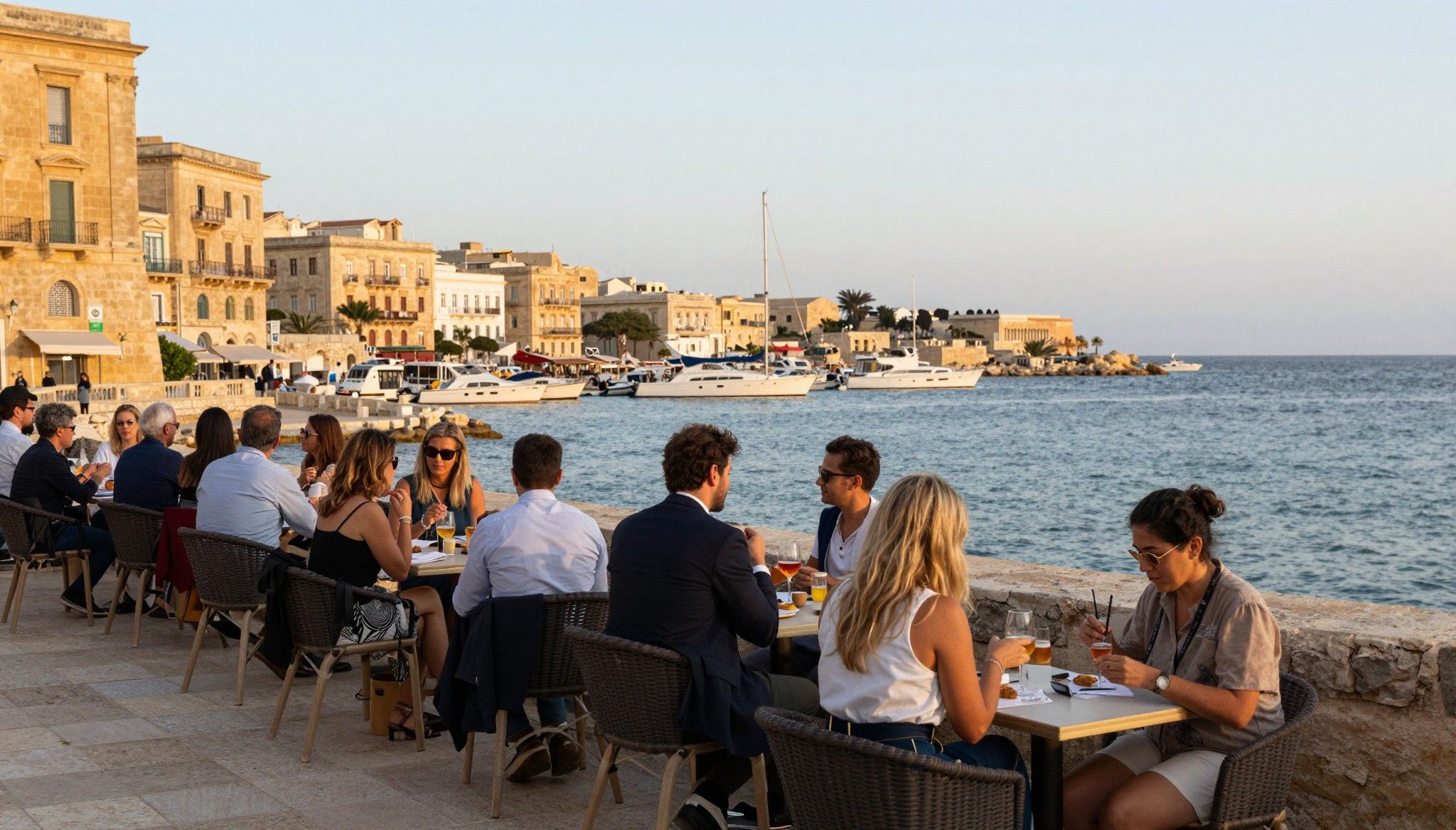
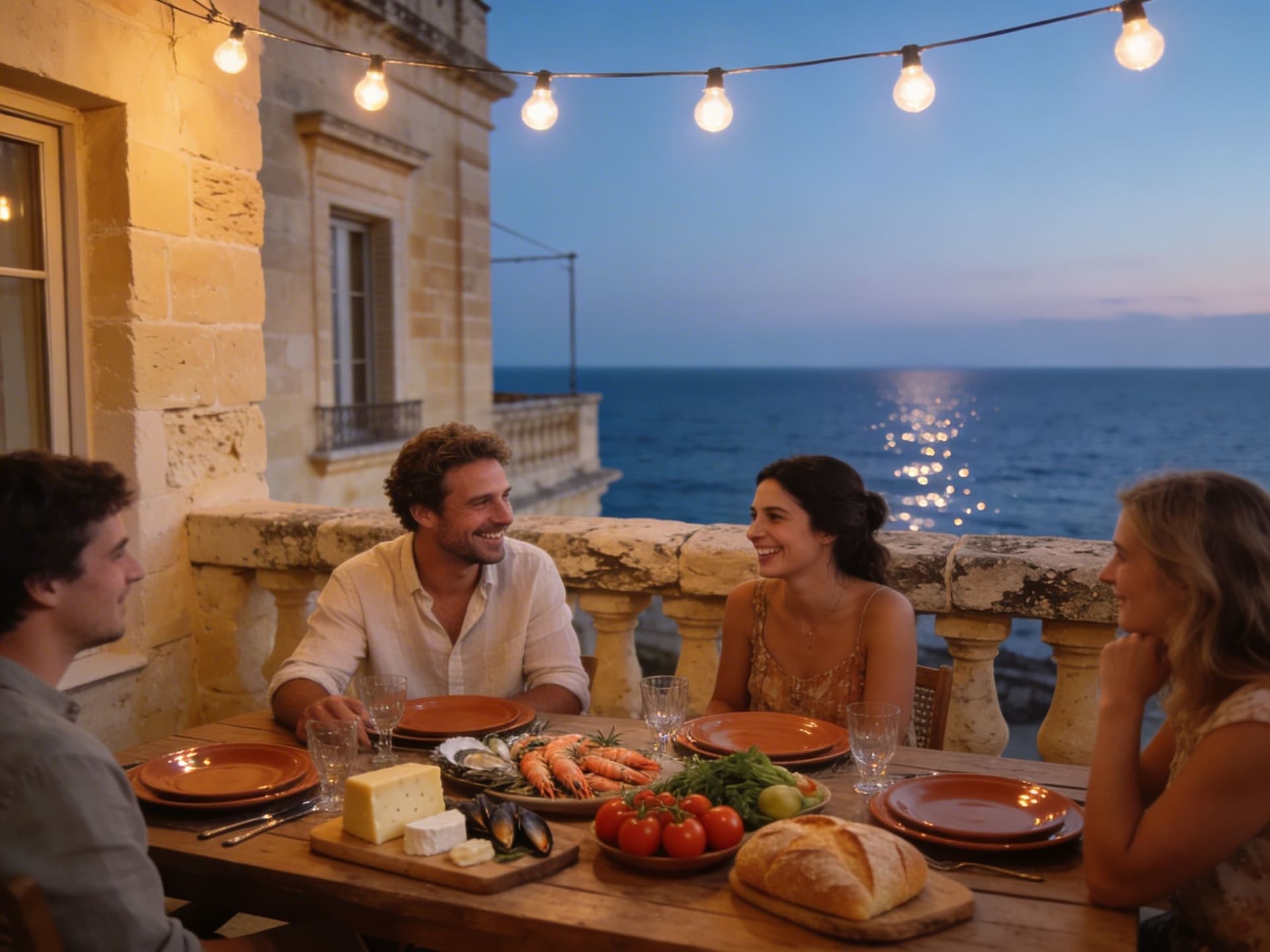
Walk a day in Valletta and you will meet seasonal produce, cafés where neighbours linger, and evening passeggiatas that thread the city. The food scene ranges from ftira stalls to serious fine dining, and chefs increasingly buy in quieter quarters where kitchens are larger and delivery routes simpler. That domestic scale changes how properties are used: terraces and roof spaces become living rooms in summer, and well‑insulated masonry matters more than floor‑to‑ceiling glazing.
- Lifestyle highlights to seek in interior neighbourhoods
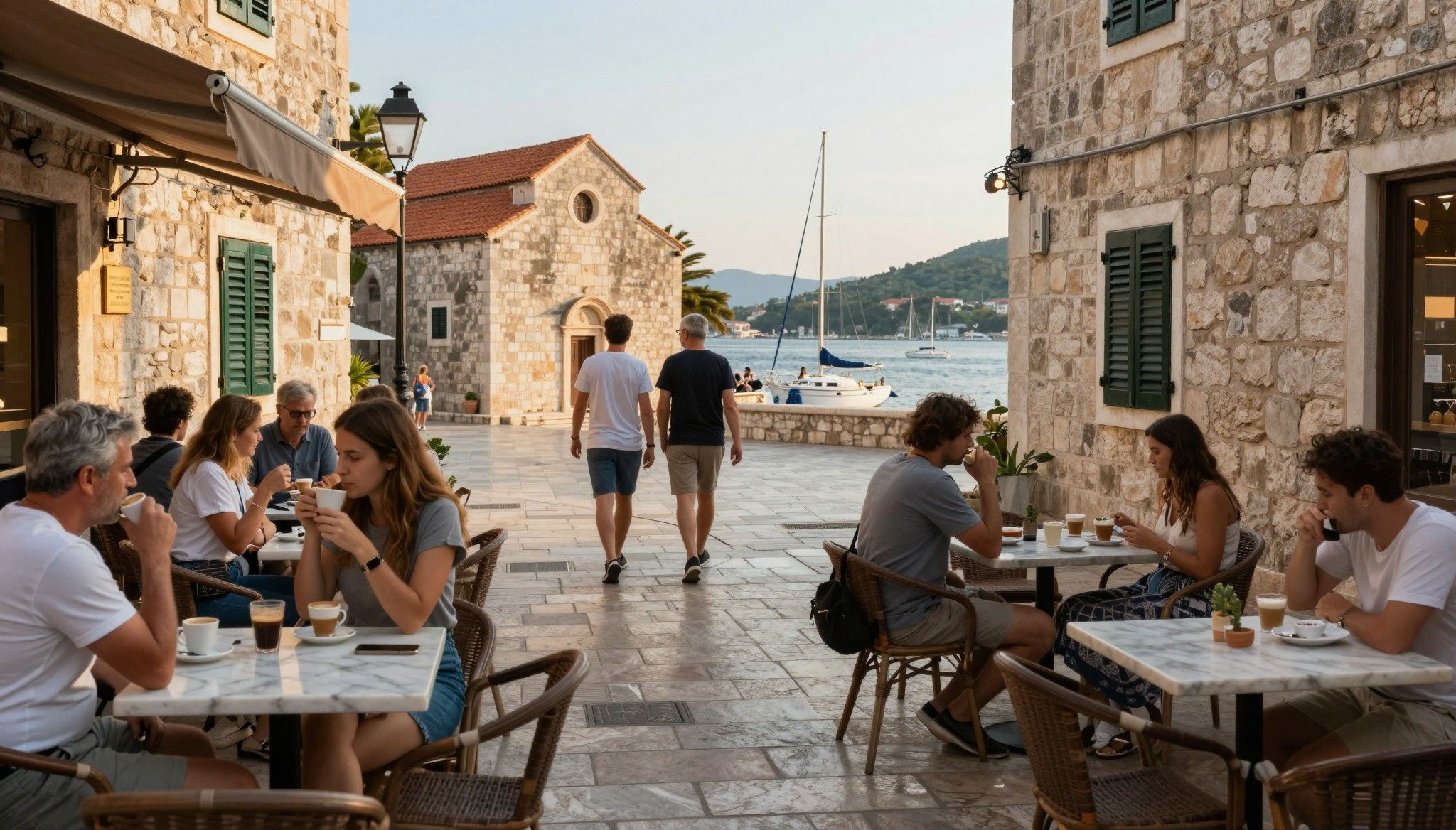
- Morning coffee culture in local bars (not tourist promenades)
- Traditional bakeries and morning markets within a five‑minute walk
- Stone balconies, roof terraces and private courtyards for outdoor living
- Short walks to local parish churches, civic squares and neighbourhood restaurants
Making the move: practical considerations
Lifestyle must be reconciled with data. Malta’s official Residential Property Price Index has recorded steady increases in recent periods, reflecting strong demand across apartments and maisonettes. Local industry surveys note resilient transaction volumes even as prices climb. For an international buyer this means prioritising value drivers beyond headline locations: proximity to services, the quality of masonry and roof terraces, and the likelihood a neighbourhood will sustain daily life rather than tourist income.
Property styles and how they shape life
Maltese real estate ranges from austere stone townhouses and traditional maisonettes to modern apartments and new‑build villas. If you value domestic ritual — laundry hung on a balcony, a rooftop dinner, neighbours who know your name — choose a townhouse or maisonette with outdoor spaces. If ease of travel and rental potential drive your decision, an apartment near transport hubs may be sensible. Each type demands different stewardship: historic stonework needs masonry expertise, while modern builds require mechanical services checks.
Working with local experts who understand life, not just listings
A good Maltese agent will be fluent in both lifestyle fit and regulatory detail. They can point to neighbourhoods where the local school has an after‑school programme, or where a roof terrace gets afternoon shade in August. For international buyers, agencies that broker long‑term relationships with local tradespeople and heritage conservators offer particular value when dealing with older properties.
- Steps to pair lifestyle with market reality
- 1. Map daily routines: visit cafés, shops and transit at the hour you’d use them.
- 2. Inspect a property’s fabric in person: roofs, shutters and masonry tell the maintenance story.
- 3. Ask an agent for transaction comparables within a 500‑metre radius, not the broader town average.
Insider knowledge: what expats wish they'd known
Long‑term residents often say they underestimated the value of daily ease: a quiet street with a greengrocer changes day‑to‑day satisfaction far more than a seafront view visible only from one room. Official indices show Malta’s house price index has risen steadily, underscoring that buying for lifestyle in the interior is also a defensible economic choice rather than purely sentimental. Prioritise livability; the market tends to reward consistently used spaces.
Cultural integration and language
English is an official language, which eases administration, schooling and social entry. Yet customs matter: Maltese society keeps pace with parish calendars and local festivals, and building work often pauses for festa days. Social integration is best achieved by frequenting the same bar, supporting a local shop, and learning a few Maltese phrases. These small rituals both deepen enjoyment and open networks that reveal off‑market opportunities.
Long‑term lifestyle and stewardship
Think in terms of stewardship. Malta’s compactness means a care plan for an older house — regular stonework, roof checks, and respectful restoration — preserves value and community standing. Industry reports note resilient demand; buyers who invest in materials and provenance tend to see steadier returns than those chasing temporary trends.
Conclusion: seek the life, then the listing. If you arrive with a map of daily pleasures — where you buy bread, where you will take friends for dinner, where you will watch the light at dusk — the right property in Malta will reveal itself. The interior neighbourhoods most international buyers overlook offer a combination of authentic living, better space, and market resilience. Begin with a few neighbourhood walks, bring a trusted local agent, and let the island’s quieter streets make the case for themselves.
Norwegian with years in Florence guiding clients across borders. I bridge Oslo and Tuscany, focusing on legal navigation, cultural context, and enduring craftsmanship.