When Seafront Hype Fails: Where Malta’s Value Hides
Seaside romance is only part of Malta’s story. Choose neighbourhoods and property types that match daily rhythms — and verify market signals with official data.
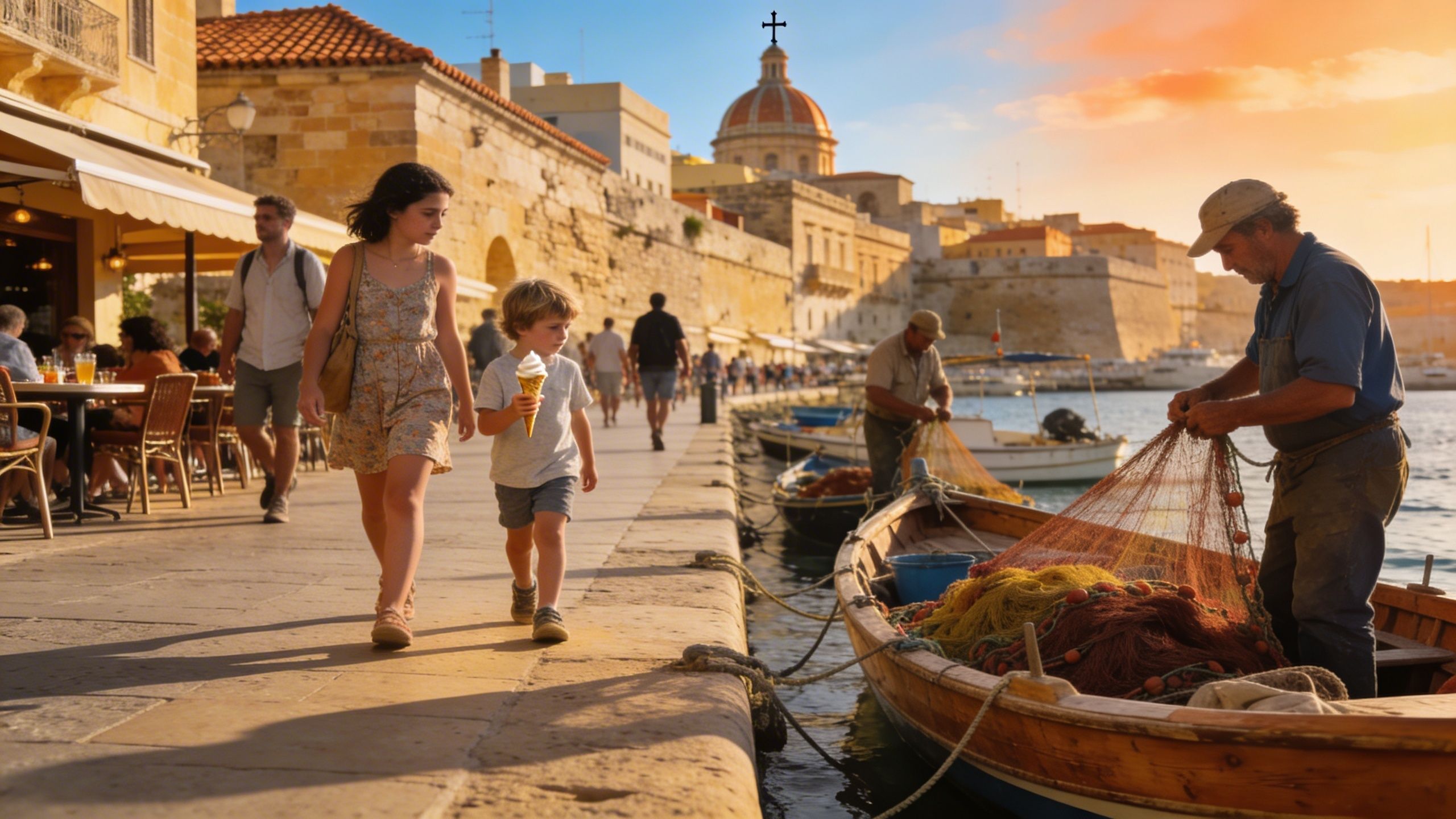
Imagine arriving in Valletta at dawn: limestone façades warmed by low sun, espresso being pulled in a narrow café on St. Paul Street, and fishermen untying nets below the bastions. That first hour captures why buyers fall for Malta — the intimacy of compact streets, the weight of history, the sea always close enough to be felt. Yet beneath this romance lies a practical question: where in this small archipelago will a home give you the daily life you want and the investment resilience you need?
Living the Maltese Life: more than sun and sea
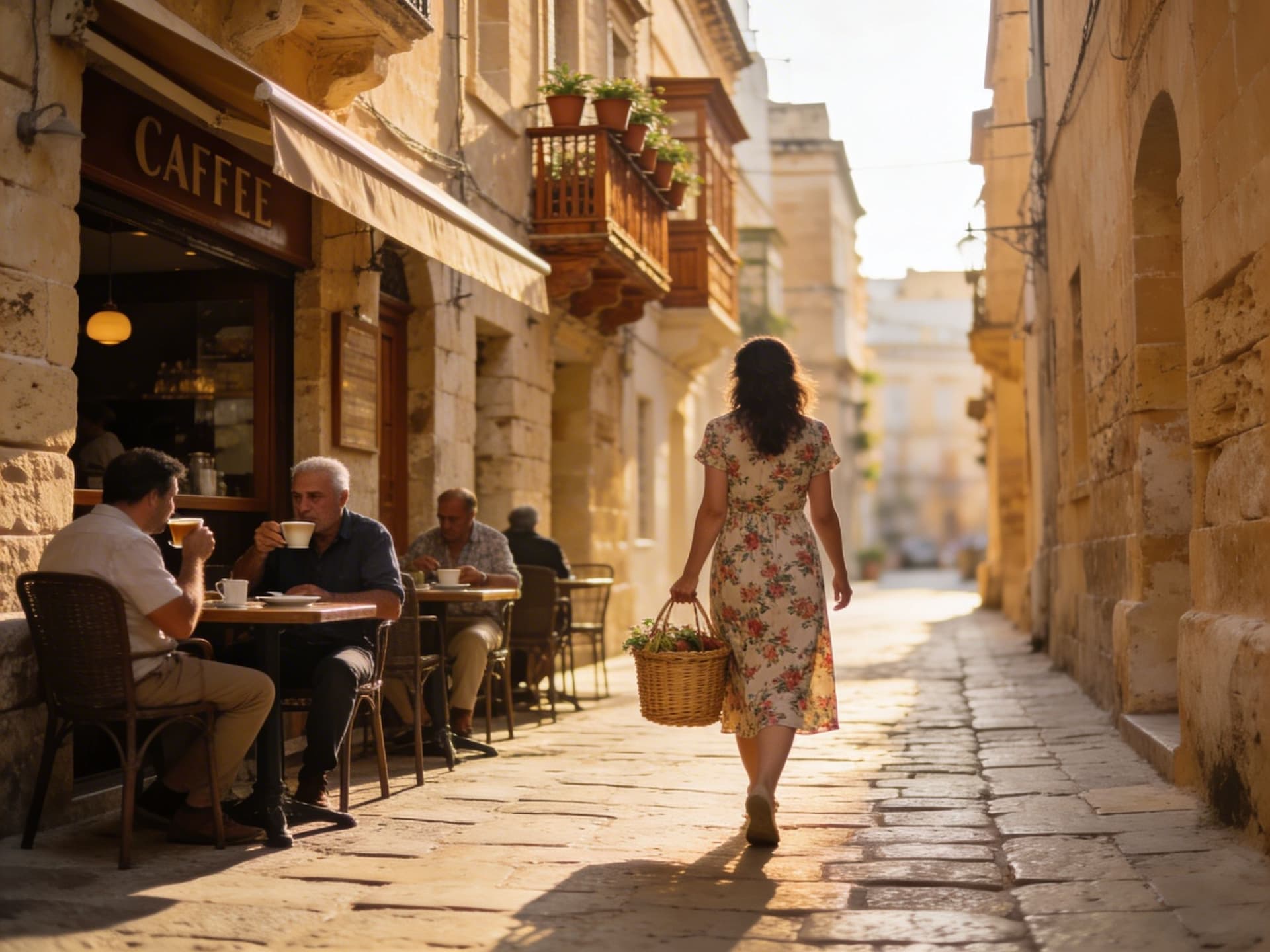
Malta’s pace is compact and communal. Weekdays revolve around cafés, short market runs and late afternoons on small terraces; weekends belong to harbourside promenades, open‑air festas and quiet swims in coves such as Għajn Tuffieħa. English is an official language, but Maltese cadence — the local rhythms of church bells, market stalls and siestas — shapes daily life. The result is a lifestyle that feels both Mediterranean and distinctly insular: easy to learn, hard to leave.
Valletta, Mdina and the old towns: provenance and presence
Valletta’s baroque streets and Mdina’s silence offer heritage living: high ceilings, original sash windows, and carved stone balconies. These addresses reward restoration-minded buyers who prize provenance — a restored palazzo on Archbishop Street will feel like living inside a museum, in the best sense. Expect limited parking, narrow service routes and the quiet premium that comes with protected status; these are tradeoffs for architectural pedigree.
Coastal towns and villages: rhythm by the sea
Sliema and St Julian’s are the islands’ social engines: cafés, waterfront promenades and an evening rhythm that suits those who like bustle without the anonymity of large cities. For quieter coastal living, villages such as Marsaxlokk or the bays around Mellieħa provide small‑scale harbours, family tavernas and beaches edged by fishermen’s huts. When you choose coast over centre, you buy a different daily tempo — mornings on the promenade, afternoons on the terrace, evenings at a harbour table.
- Lifestyle highlights: real places, real life - Morning espresso at Café Cordina, Valletta and a stroll past the Grandmaster’s Palace - Sunday fish market at Marsaxlokk followed by lunch at Tartarun - Sunset swims at Għajn Tuffieħa and picnics above golden cliffs - Weeknight aperitifs on Sliema’s Strand and dinner at a family-run trattoria in Gżira - Quiet terraces in Rabat for restoration projects and long-term stewardship
Making the Move: practical realities that shape lifestyle choices
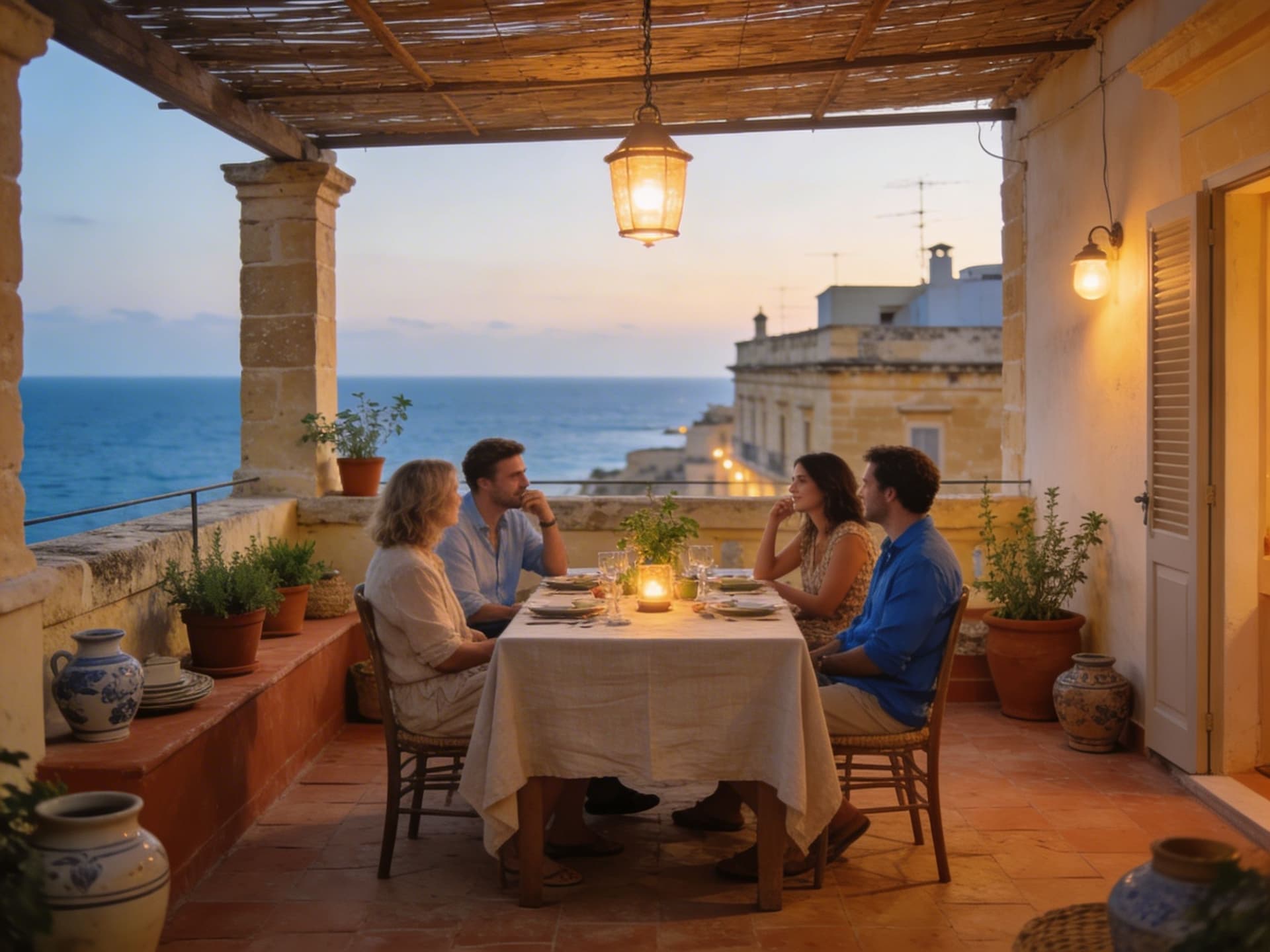
The romance of place must be reconciled with market data. Official figures show steady upward pressure on prices — Malta’s Residential Property Price Index recorded notable annual increases through 2024 and into 2025 — a sign that demand outpaces supply on this compact island. That makes timing, neighbourhood choice and property type decisive: a maisonette in an overlooked alley can outperform a hyped seafront flat if it matches local demand and has fewer management headaches.
Property types and how they map to life
Maisonettes and traditional townhouses promise indoor‑outdoor living: street entrances, roof terraces and thick limestone walls that keep interiors cool in summer. Apartments and penthouses favour convenience — proximity to services and straightforward letting potential — while farmhouses and villas on Gozo deliver space and privacy. Think in terms of lived patterns: do you want daily walks to cafés, or tranquil gardens and longer drives? Your property type should enable the lifestyle you imagine.
- How local experts convert lifestyle into a shortlist 1. Ask an agency to map 4‑6 homes by lifestyle, not just price: morning routine, evening options, noise and access. 2. Prioritise walkability for town living; accept a car for rural tranquillity. 3. Verify restoration quality: original stone, roof slab condition, dampproofing and planning approvals. 4. Confirm short‑term letting regulations if you plan revenue; local rules change and affect net returns. 5. Test a neighbourhood at different times of day and different seasons before committing.
Insider Knowledge: what expats wish they’d known before buying
Many newcomers arrive hoping a property purchase will fast‑track residency or citizenship. Recent legal developments mean buyer expectations should be recalibrated: EU-level rulings have curtailed citizenship-by-investment programmes, so housing choices are more about life quality and medium-term value than shortcut access to an EU passport. Plan for residence through genuine integration, not transactionality.
Cultural and seasonal realities
The festa calendar shapes weekends in summer: streets fill with processions, band clubs and kitchens serving Ftira and lampuki. Summers can feel crowded in Sliema and St Julian’s; many seasoned buyers prefer to visit in autumn or winter to assess neighbourhood calm and service continuity. Winters are mild but wetter — roof maintenance and insulation matter more here than you might expect.
- Expat practicalities and red flags - Confirm whether a property is listed or in a conservation zone — restrictions can be strict. - Check roof slab condition and party-wall agreements in terraced houses. - Ask for utility histories and water infiltration reports on older stone buildings. - Beware developments marketed as “seafront” that are separated from the shore by busy roads. - Seek agencies with proven restoration experience and local planning relationships.
Years after the move, Malta rewards stewardship. A carefully restored townhouse in Rabat or a well‑specified apartment in Sliema will deliver daily pleasures — lunches on harbour walls, neighbours you know by name, quick trips to Sicily — along with steady capital performance in a constrained market. The right advisor will help you pair sensory preference with due diligence, turning affection for place into a durable investment.
Having moved from Stockholm to Marbella in 2018, I help Scandinavian buyers navigate Spanish property law, restoration quality, and value through authentic provenance.