Italy: Neighbourhood Rituals That Shift Property Value
Italy’s daily rituals—markets, cafés, seasonal rhythms—shape property value. Pair neighbourhood sensibility with up‑to‑date Italian market data to buy a home that feels lived in and lasts.
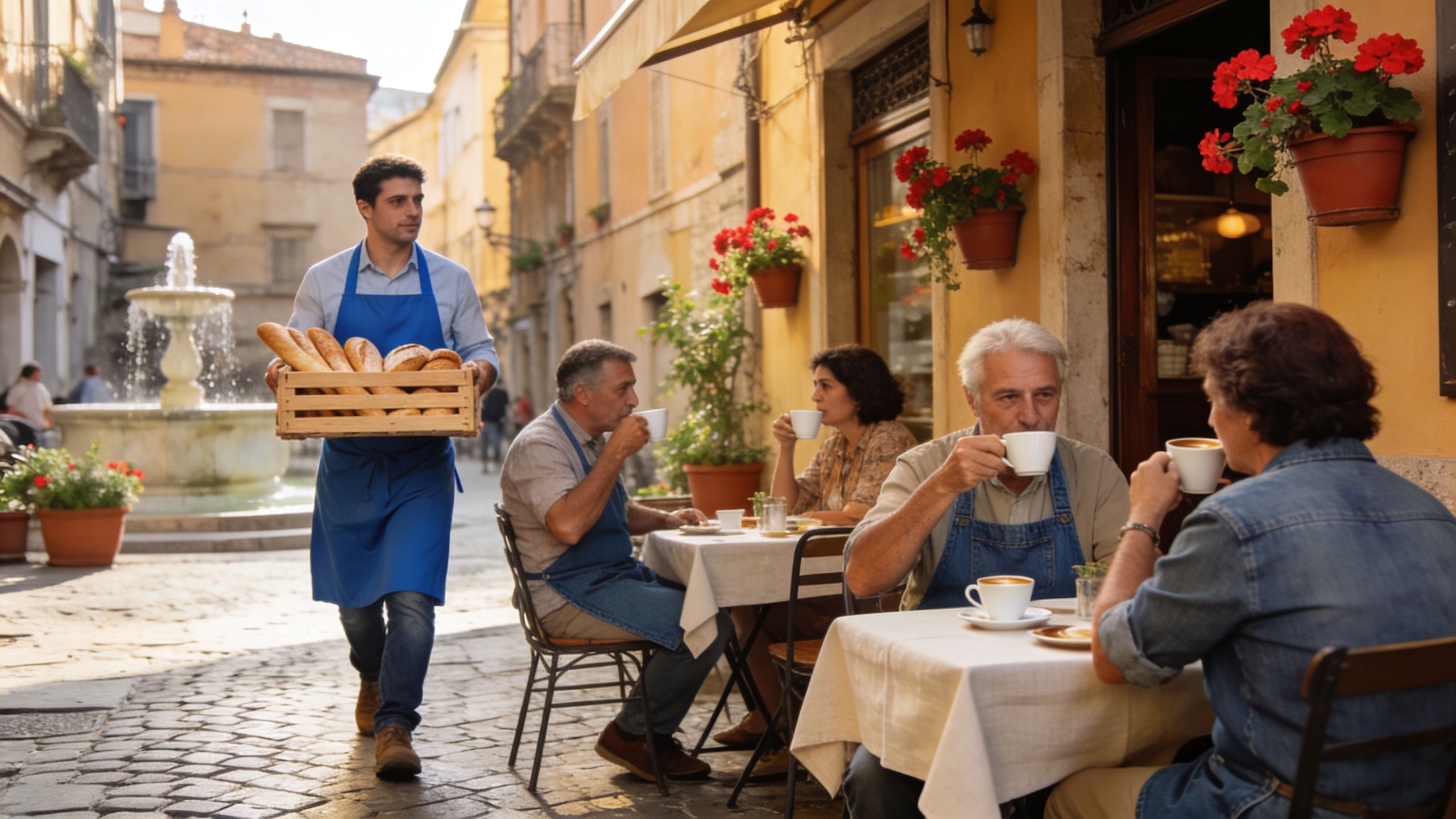
Imagine an autumn morning in Oltrarno: espresso steam rising against ochre façades, a baker arranging warm focaccia, and a narrow street that still feels owned by neighbours rather than tourists. That slow, tactile rhythm—markets at dawn, passeggiata at dusk, food that determines the day’s plan—defines why people buy in Italy. Yet the romance is only half the story; understanding how neighbourhood character, seasonal life and recent market shifts interact is what turns longing into a wise purchase. Recent market analysis helps international buyers see where feeling and value converge in Italy.
Living the Italy lifestyle
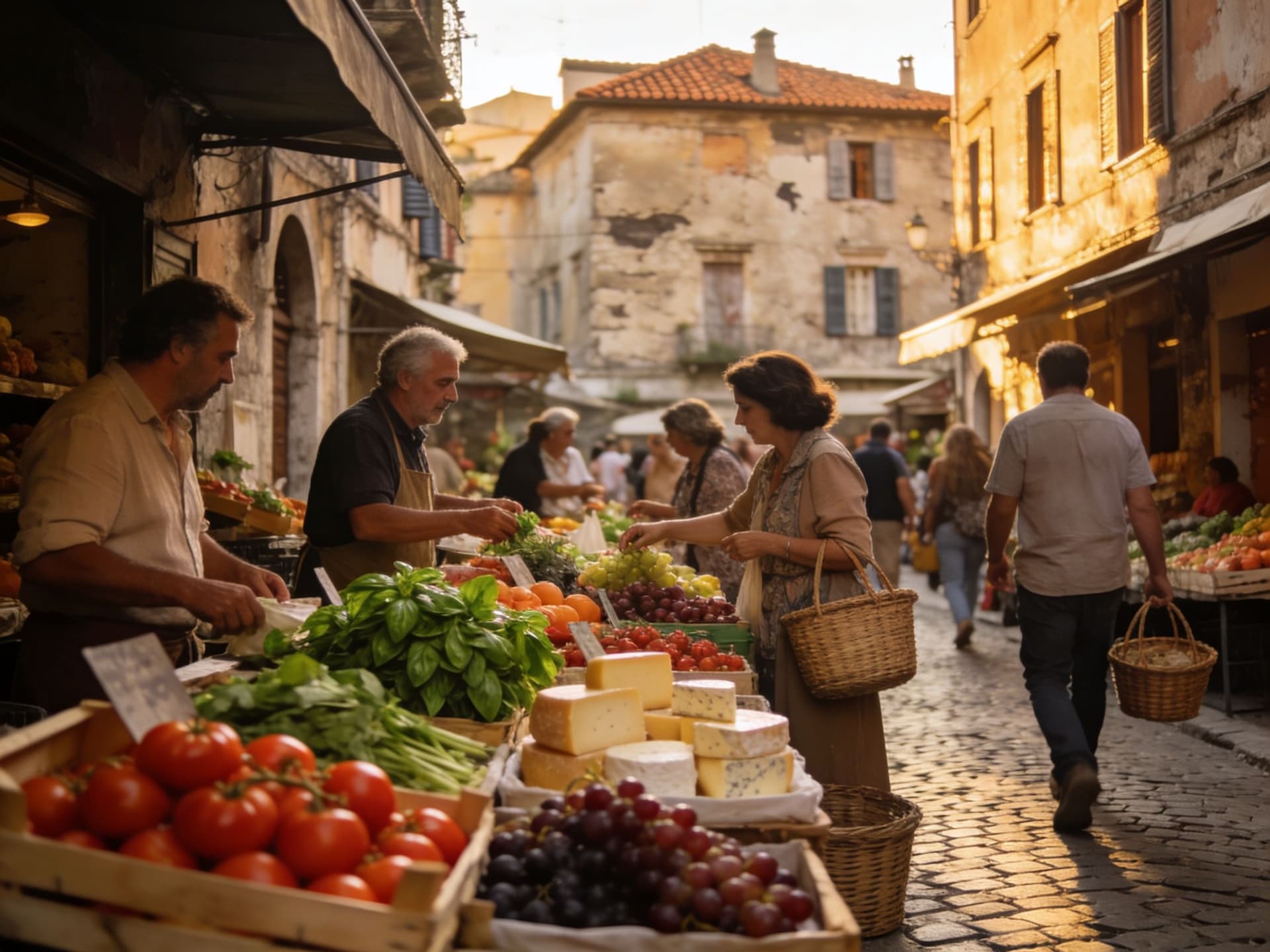
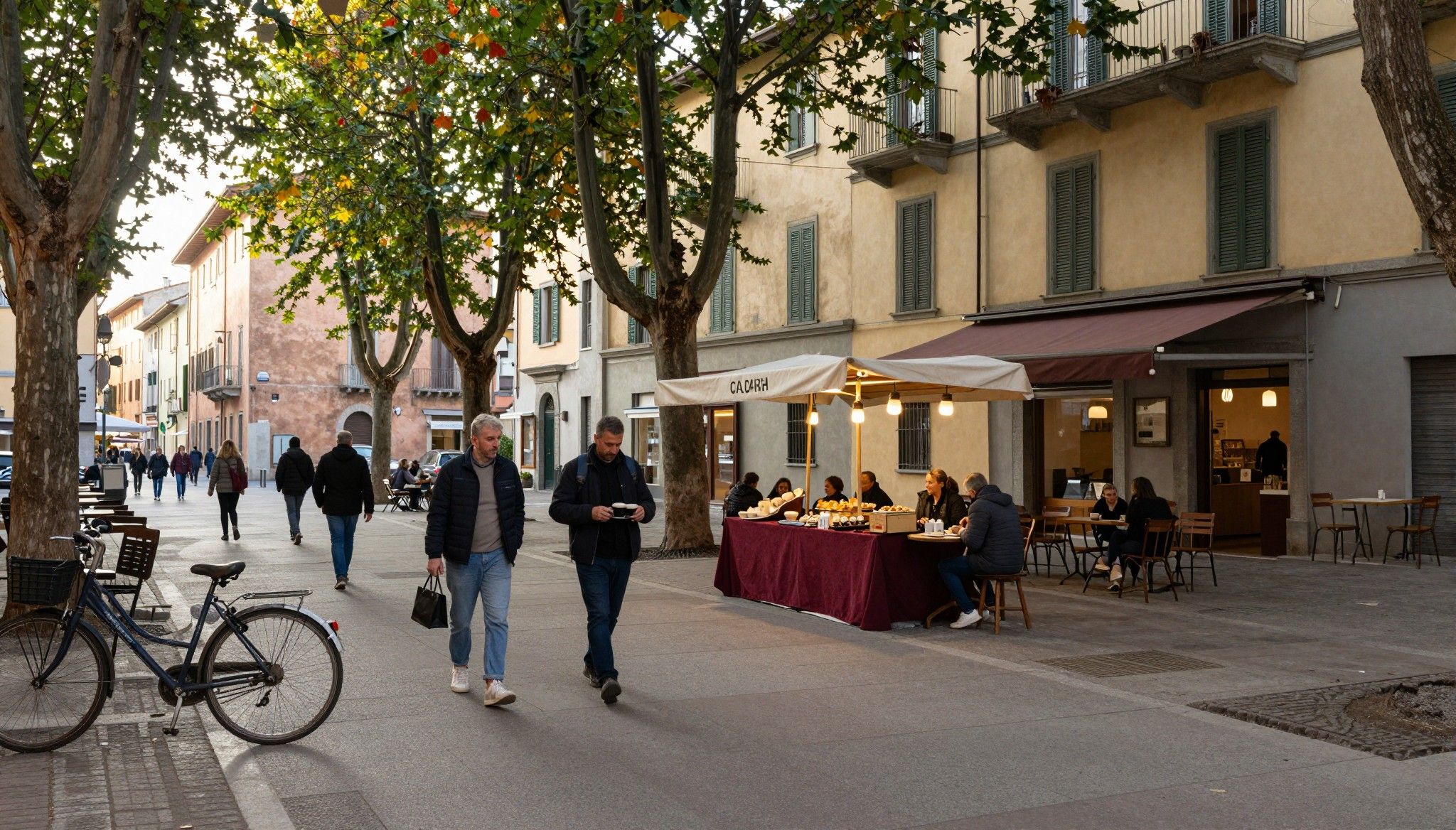
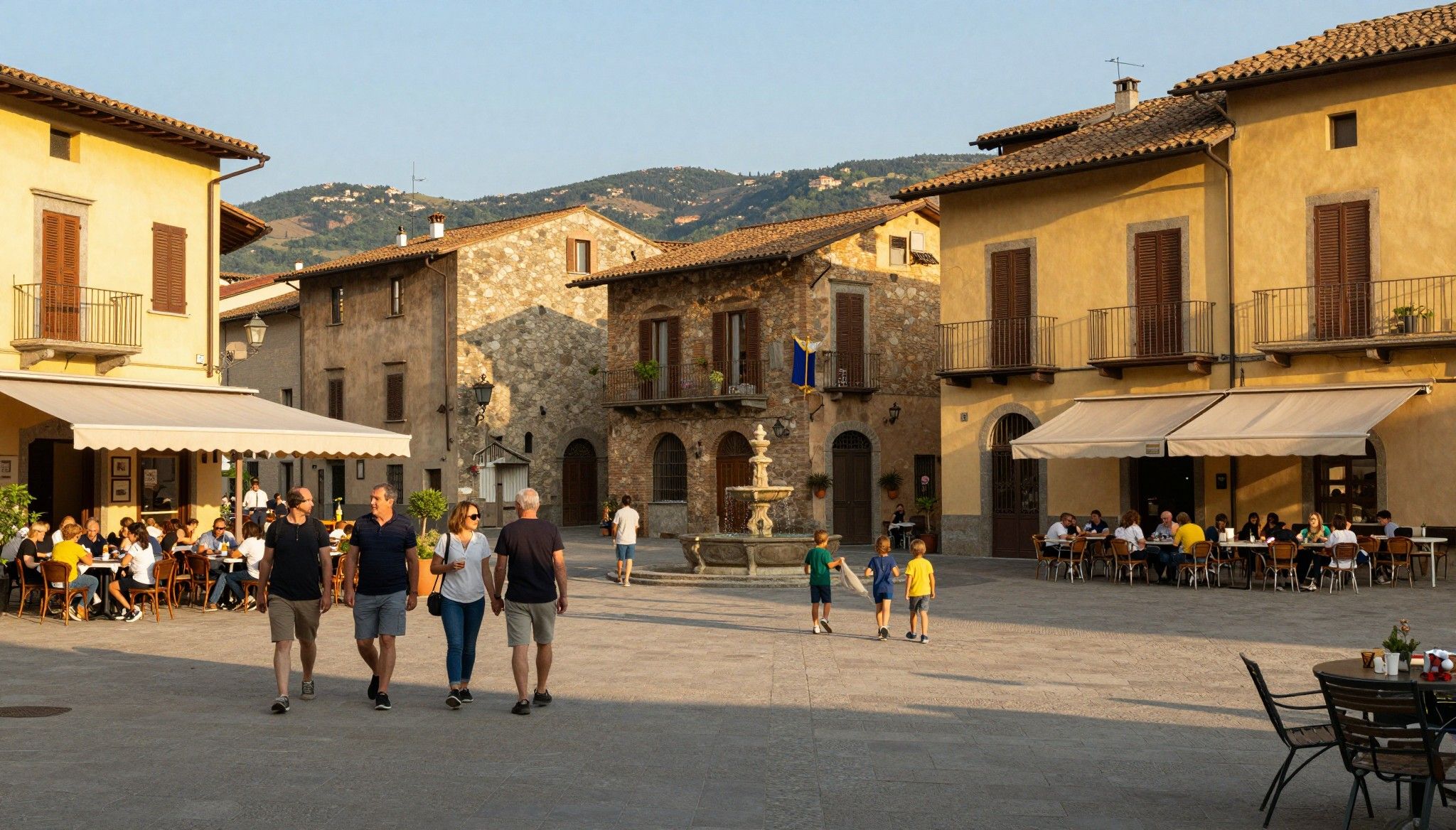
Living in Italy is an accumulation of small, exact pleasures: a morning at Mercato di Sant’Ambrogio or Campo de’ Fiori, weekday aperitivo on a piazza ledge, Sunday market bargains turned into a long lunch. Different cities curate those pleasures differently—Milan’s ordered design and discreet restaurants, Rome’s layered history where Roman ruins meet neighbourhood trattorie, and Puglia’s slow coastal afternoons with figs and sea salt. These patterns matter for property because they shape demand, rental appeal and how a home is actually used across seasons. Consult national figures when considering value—Italy’s HPI shows modest growth but strong local divergence, especially between major cities and interior towns.
City and neighbourhood flavour
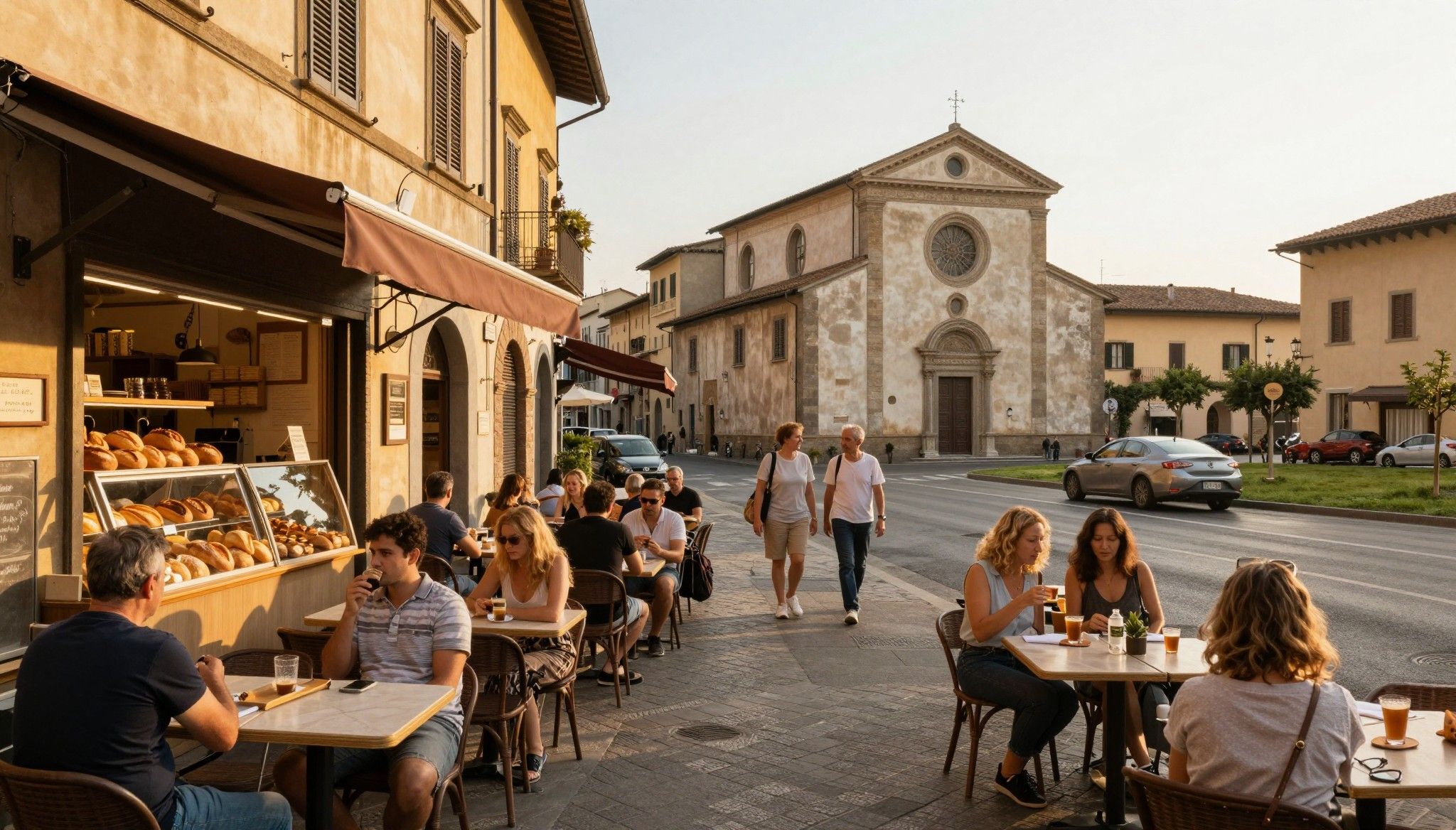
Where you choose a home in Italy is less about headline price per square metre and more about which daily ritual you want to inhabit. In Milan, Brera and the Navigli are compact canvases of galleries and late dining; in Florence, Oltrarno offers artisans and quiet palazzi; in Rome, Trastevere still hums with evening life while Prati lends measured civility near the Vatican. Coastal options vary—from the restrained glamour of Porto Venere and Ligurian villages to the olive-grove calm of Puglia’s Ostuni—each neighbourhood attracting a different buyer temperament and practical need (parking, winter heating, or seasonal rental demand).
Food, markets and weekend life
Daily life in Italy orients around food in ways that affect property choices. Proximity to a good mercato or a baker who opens at 6am transforms morning routines; an apartment without a balcony can feel claustrophobic in summer when neighbours dine outdoors. Seasonal rhythms matter: many coastal towns are quiet in winter, vibrant from May to September, while cities like Milan retain a year-round cultural calendar. These rhythms influence whether you buy for full-time life, a seasonal retreat, or a hybrid model that mixes personal use with short-let income.
- Lifestyle highlights to seek when visiting neighbourhoods
- A daily market within a ten‑minute walk (Campo de’ Fiori in Rome; Sant’Ambrogio in Florence)
- A neighbourhood bar that knows your coffee order by the third visit (Brera, Navigli, Oltrarno)
- Access to green space or a coastal promenade for weekend life (Lungomare in Bari; the Passeggiata in Genoa)
Making the move: practical considerations
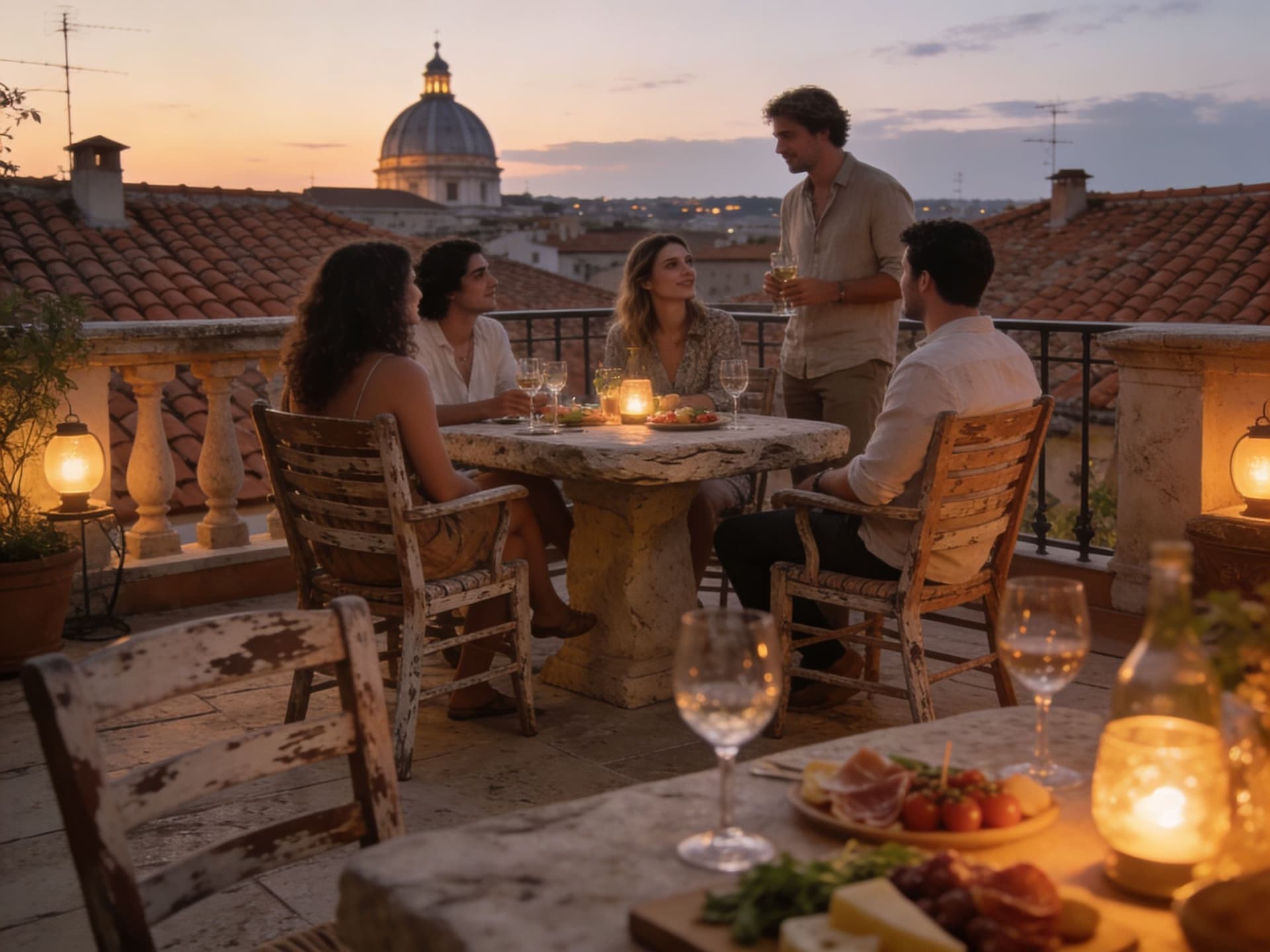
The emotional case for Italy must be balanced with recent market direction and local detail. National statistics indicate modest, steady turnover—nearly one million transactions in a recent year—while city-level strength (Milan, Rome, parts of Tuscany and Lake Como) outpaces interior provinces. For an international buyer, that means pairing neighbourhood intelligence with up-to-date data: small price differences can translate into large lifestyle gains when you pick a street with a morning market or access to year‑round services. Local agents are indispensable because they read microtrends—street-by-street—better than national tables ever can.
Property styles and what they give you
Italy’s architectural variety is a practical pleasure. A restored palazzo flat in Genoa offers high ceilings, original moldings and a sense of provenance; a renovated farmhouse in Tuscany supplies land, olive trees and privacy; a contemporary penthouse in Milan provides light, service and proximity to design institutions. Each typology carries trade-offs: historic buildings may resist modern insulation; rural houses often need systems work; city flats can demand patience with elevators, cisterns and local building consortia. Assess how you want to live—gardens, studio light, or walkable cafes—and let that preference steer the typology you prioritise.
Working with local experts who know the lifestyle
A refined local agency will do more than show listings; it will introduce you to the barber, the market vendor, the architect who understands local restoration rules, and the property manager who knows winter rental dynamics. Look for agencies that demonstrate stewardship—knowledge of period materials, architects for sensitive restorations, and relationships with bilingual notaries and accountants. Their introductions shorten the time between arrival and feeling at home; their market sense ensures you pay for provenance, not hype.
- A practical six-step approach when buying to match lifestyle and value:
- Visit neighbourhoods at different times (weekday morning, Saturday market, evening) to feel real rhythms.
- Prioritise micro‑features (mercato proximity, balcony orientation, storage for winter clothing) that affect daily life.
- Engage an agent with local conservation and restoration contacts if buying historic fabric.
- Commission a survey focused on energy systems and winterisation rather than cosmetic fixes alone.
- Consider seasonal rental potential only after matching the property to your lifestyle use‑pattern.
Insider knowledge: what expats wish they'd known
Seasonality, language and social mores quietly reshape expectations. Many buyers assume Italy ‘shuts down’ in winter—true in seaside resorts, less so in cities, where cultural life and business continue. Language fluency accelerates trust but is not essential; local relationship networks, once unlocked, are the real currency. Finally, anticipate that historical homes require patience: restoration schedules, heritage permissions and artisan lead times are part of stewardship, not obstacles to be circumvented.
Cultural integration and daily community life
Integration usually begins at the market or café counter. Regular visits, a few learned phrases, and respect for local rhythms (late lunches, quiet hours) open doors to neighbourhood life. Expat communities exist—international schools, English‑language cultural centres, and professional networks—but the most durable friendships grow from small, local rituals. Expect social life to be embodied: a chef who remembers your taste, a shopkeeper who saves your olive oil, a neighbour who watches your plants while you travel.
How life changes over five years
After five years, most buyers speak enough Italian to read contracts and order confidently in restaurants; their routines centre on local doctors, markets and a chosen café. The house itself often evolves—restored kitchens, upgraded heating, or garden improvements—reflecting a long view of stewardship rather than flip profit. Plan for incremental investment: buy a house that supports the life you want now, and adapt it with the craftsmen and designers whose work preserves value and character.
Conclusion: imagine morning light on a terracotta roof, then check the data. Italy rewards those who pair feeling with informed choices—neighbourhood knowledge, an agent who understands preservation, and realistic expectations about seasonality and restoration. If you want a home that endures, begin with lifestyle priorities, validate them with local market insight and engage experts who value provenance as much as price. Start by visiting the streets that make your heart decide and bring a local agent who knows the people behind the listings.
Former Copenhagen architect who relocated to Provence, offering relocation services, market analysis, and a curator’s eye for authentic regional design.