Rowhouse Rhythm or Seaside Routine? Malta’s Real Tradeoffs
Compare Valletta’s courtyard intimacy with Sliema and St Julian’s coastal routine; align lifestyle rhythm with Malta’s steady price growth and local rules for lasting value.
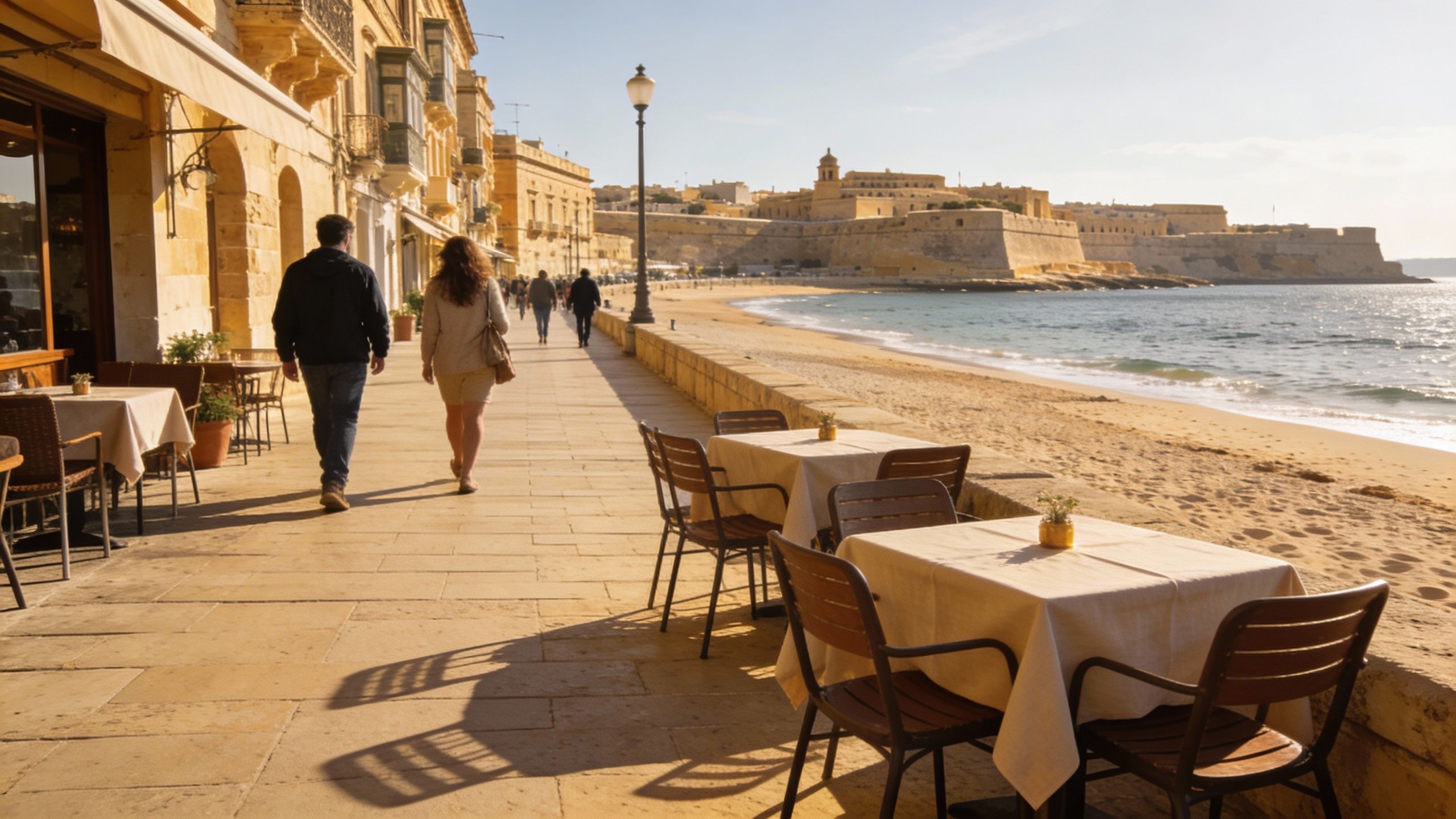
Imagine morning light on a limestone façade in Valletta, the scent of espresso rising from a doorway café, and a neighbour tending bougainvillea from a narrow balcony. Now imagine trading the postcard seafront for a quieter street where children cycle, corner shops still matter and a hidden roof terrace reads like a private garden. This is the rhythm Malta offers in micro — each address prescribes a life. For international buyers the question is less which island and more which rhythm: rowhouse intimacy, historic courtyard life or a coastal apartment’s day-to-day ease.
Living Malta's Contrasts: Rhythm over Stereotype
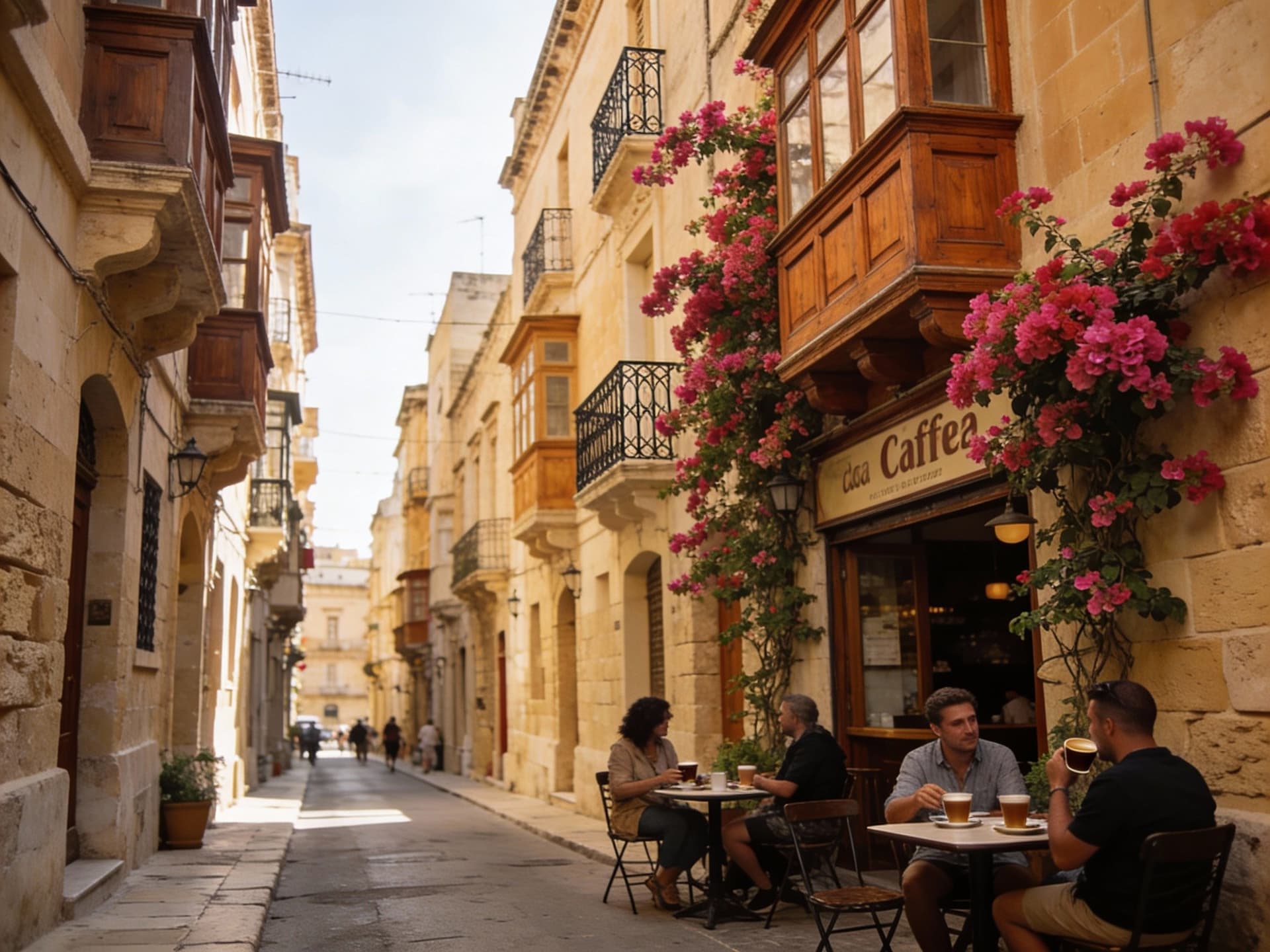
Malta’s market is compact and persistent; prices rose roughly 5–6% year‑on‑year through 2024–2025 according to the National Statistics Office, a reminder that lifestyle choices are also investment choices. That steady appreciation means location and property type determine both daily life and long‑term stewardship more than raw headline yields.
Valletta and the Historic Core: Courtyards, Craftsmanship, Quiet Mornings
In Valletta and older urban fragments — Strada Stretta, Strait Street, parts of It‑Torrijiet — houses are compact, often arranged around lightwells or narrow courtyards. Living here means long breakfasts, late evening promenades to the Grand Harbour and a daily intimacy with conservation: lime plaster, Maltese timber apertures and wrought‑iron balconies. These homes reward careful restoration and confer architectural provenance; they suit owners who prize heritage and quiet theatricality over wide vistas.
Seaside Towns: St Julian’s, Sliema and the Coastal Daily
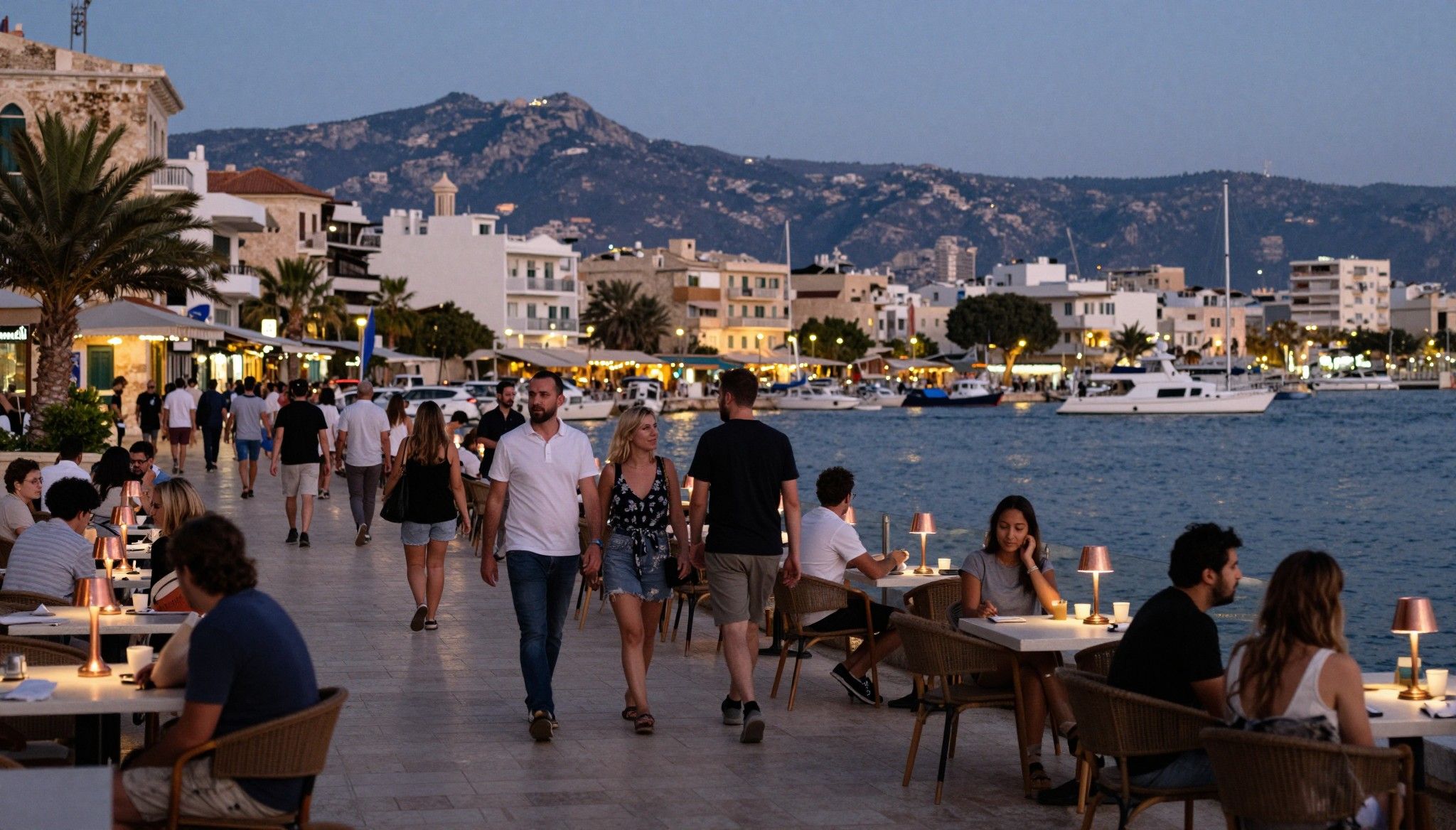
St Julian’s and Sliema offer the seaside rhythm — cafés that stay open late, organised promenades, modern apartment blocks with balconies facing the sea. The lifestyle is more outward-looking: restaurants, marinas and an international social scene. That convenience comes with tradeoffs — higher footfall, shorter quiet hours and property types that favour amenity over provenance. Buyers seeking easy access to restaurants and services will find these towns economical in time, if not always in purchase price.
- Lifestyle highlights to test your rhythm
- Early coffee at Pjazza Regina, Valletta — neighbourhood conversation and bakeries.
- Sunday market at Marsaxlokk — fish stalls, late breakfasts, restored fishermen’s homes.
- Evening promenades in Sliema — sea air, sculpted public spaces and compact apartment life.
Making the Move: Practical Considerations Tied to Lifestyle
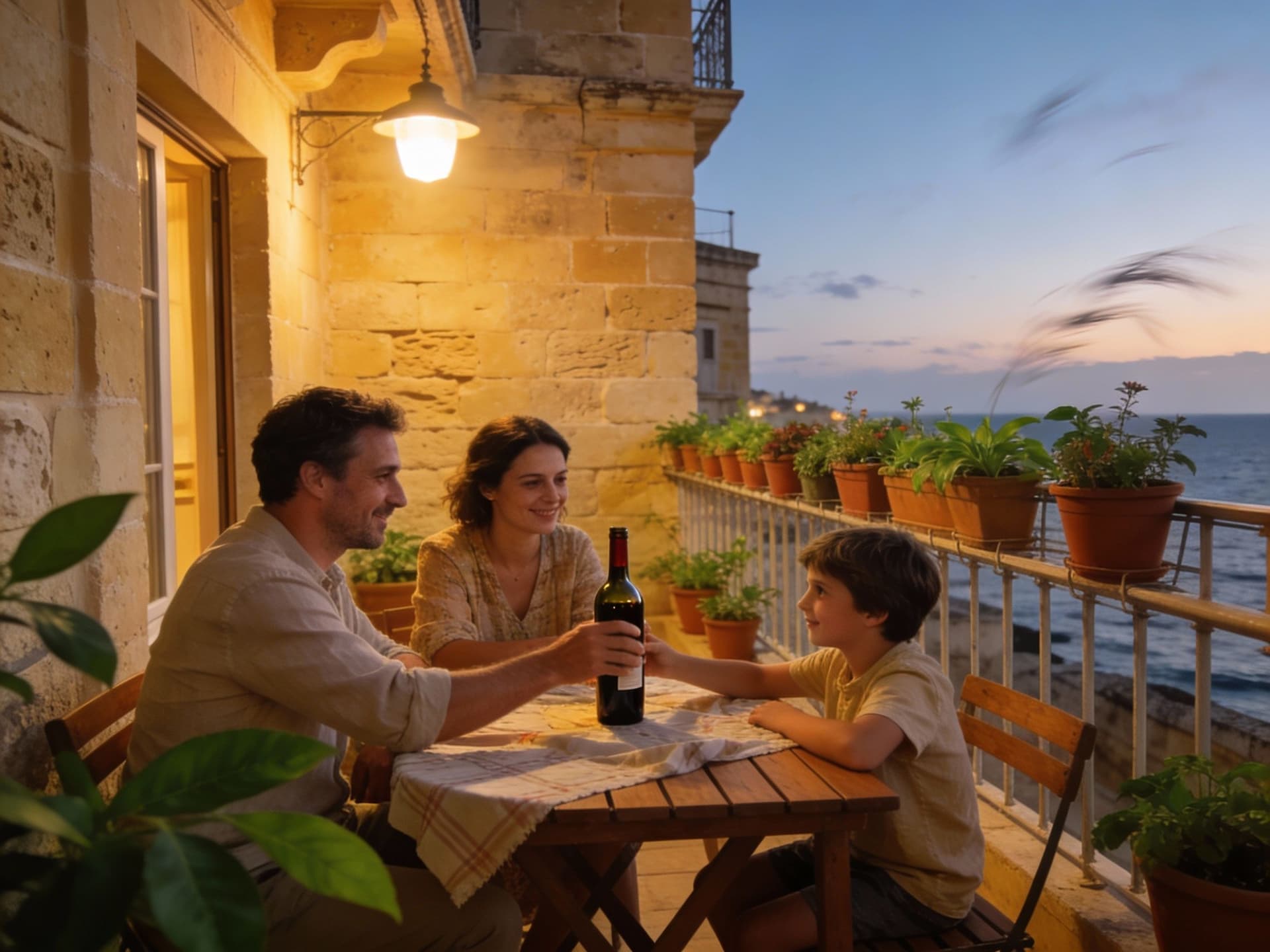
Dreams of a terrace or a courtyard must meet regulation, market momentum and stewardship. Malta’s RPPI data indicates steady price growth; that strengthens the case for areas of durable character rather than trendier seafront investments whose value can be cyclical with tourism patterns. Align property type with how you intend to live there across seasons — winter light matters in narrow streets; cross‑ventilation matters on the coast.
Property types and the lives they support
Maisonettes and terraced houses reward owners who enjoy hands‑on restoration and slow hospitality; their internal courtyards become living rooms in summer. Apartments deliver convenience and lower immediate maintenance but often require accepting shared services and less architectural individuality. Consider how often you will occupy the home: a courtyard property suits long stays and hosting, a coastal flat suits part‑time residence and easy letting.
Working with local expertise who know the rhythm
Select advisers who understand local planning nuance, conservation controls and short‑term letting regulation. Malta requires local authority notifications and, in many cases, change‑of‑use permission for properties used regularly as short lets — an important consideration if you intend to offset ownership costs. An agent fluent in conservation practice, roof‑terrace rights and utility history will protect both lifestyle and value.
- Steps to align lifestyle and purchase
- Visit the neighbourhood at different times (dawn, weekday evening, Sunday morning) to test noise, services and social tempo.
- Inspect orientation and light: courtyard houses need analysis of winter sun and ventilation; seafront flats need salt‑air materials and drainage checks.
- Request a services history and recent conservation reports; where masonry or timber is original, minor defects can be costly if ignored.
- Confirm short‑let permissions if you plan to rent occasionally; failure to comply carries fines and can affect resale.
Insider Knowledge: What Expats Wish They’d Known
Experienced residents describe Malta as modestly metropolitan and deeply local at the same time. English is widely spoken, but social integration often begins on the street: the greengrocer remembers your order, the local festa is a calendar moment. The market’s recent trajectory — a 5% annual rise recorded into 2024 and continued into 2025 — means those street‑level relationships also affect value: neighbours who preserve façades and courtyards support capital in ways a remodelled seafront block cannot.
Cultural integration and daily practices
Join local clubs, volunteer at village festas or frequent a single café to learn the unspoken rules — deliveries, bin collection and parking etiquette differ from town to town. Social rhythms, not paperwork, determine how quickly a place feels like home.
Longer view: stewardship and generational value
Buying in Malta is buying into a built lineage. Choose a property whose repair cycle you can sustain; conservation often yields stronger long‑term value than a fashionable amenity that will date. For international buyers this is both aesthetic choice and fiduciary duty: invest where craft endures, and the island’s compactness will reward careful stewardship.
If your instinct is to follow the seafront lights, pause and test another rhythm. A narrow Valletta rowhouse, a restored farmhouse near Siggiewi or a quiet maisonette tucked behind Sliema’s promenade will each teach you a different Maltese life. Begin with a few deliberate visits, work with advisers who value heritage as much as liquidity, and let the street you intend to live on answer the question of value.
Former Copenhagen architect who relocated to Provence, offering relocation services, market analysis, and a curator’s eye for authentic regional design.