When Cyprus's Non‑Dom Perk Becomes a Costly Illusion
Why Cyprus’s non‑dom advantages and modest transfer fees can mislead buyers — plan domicile, titling and seasonality to protect lifestyle and capital.

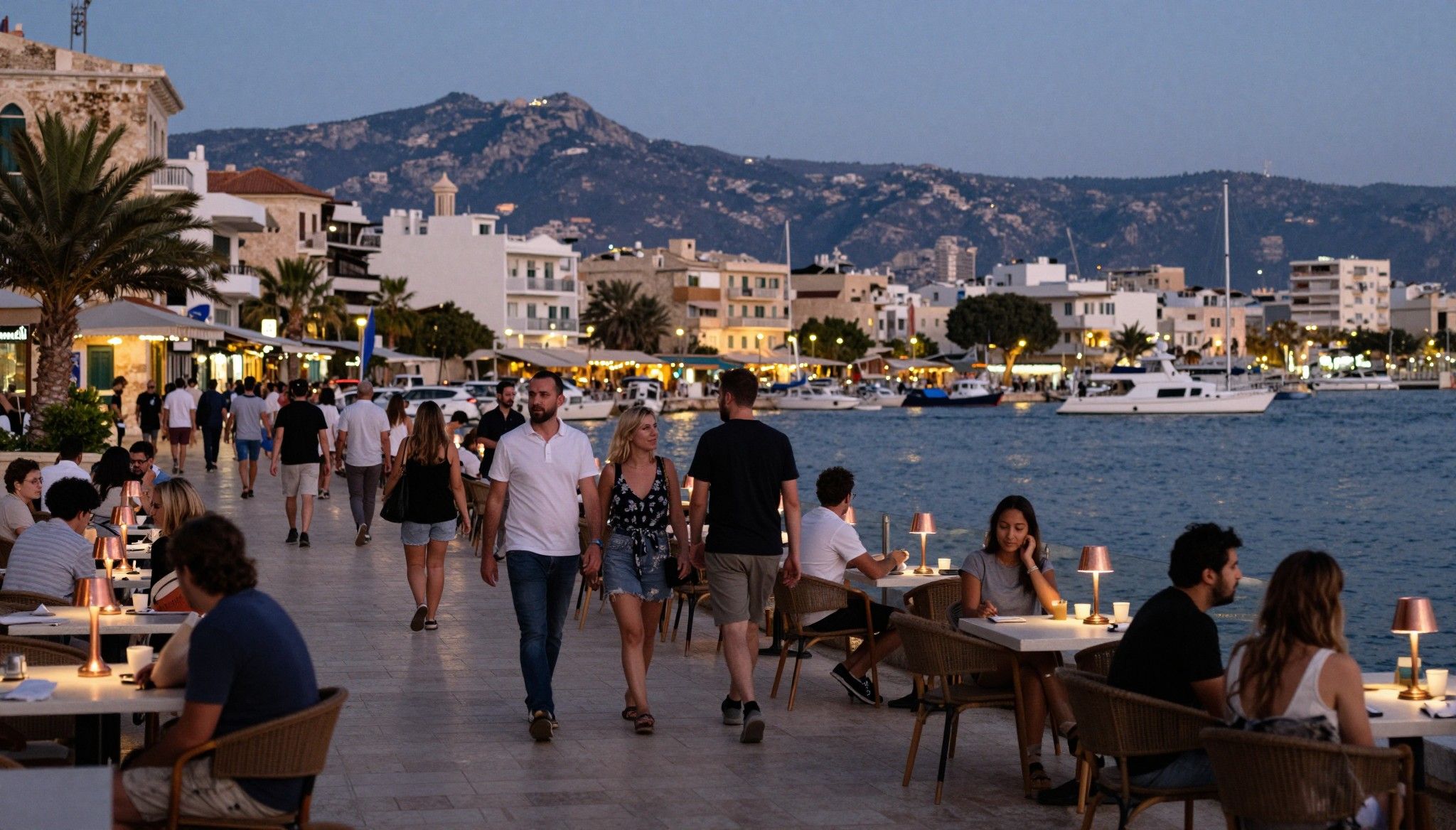
Imagine a soft Friday morning in Limassol: espresso at To Kazani, shutters lifting on narrow streets, fishermen untangling nets at the marina. The light makes low, local stone glow; life is measured by seasons and shared meals. That ease is what draws many of us to Cyprus. Yet beneath the sunlit façades a subtle web of tax rules—non‑dom status, transfer fees and land registry charges—can quietly reshape the cost of living and the long‑term plan for families and collectors. According to recent market analysis, understanding these rules early is essential to preserve both lifestyle and capital.
Living Cyprus: atmosphere, neighbourhoods and seasonal life
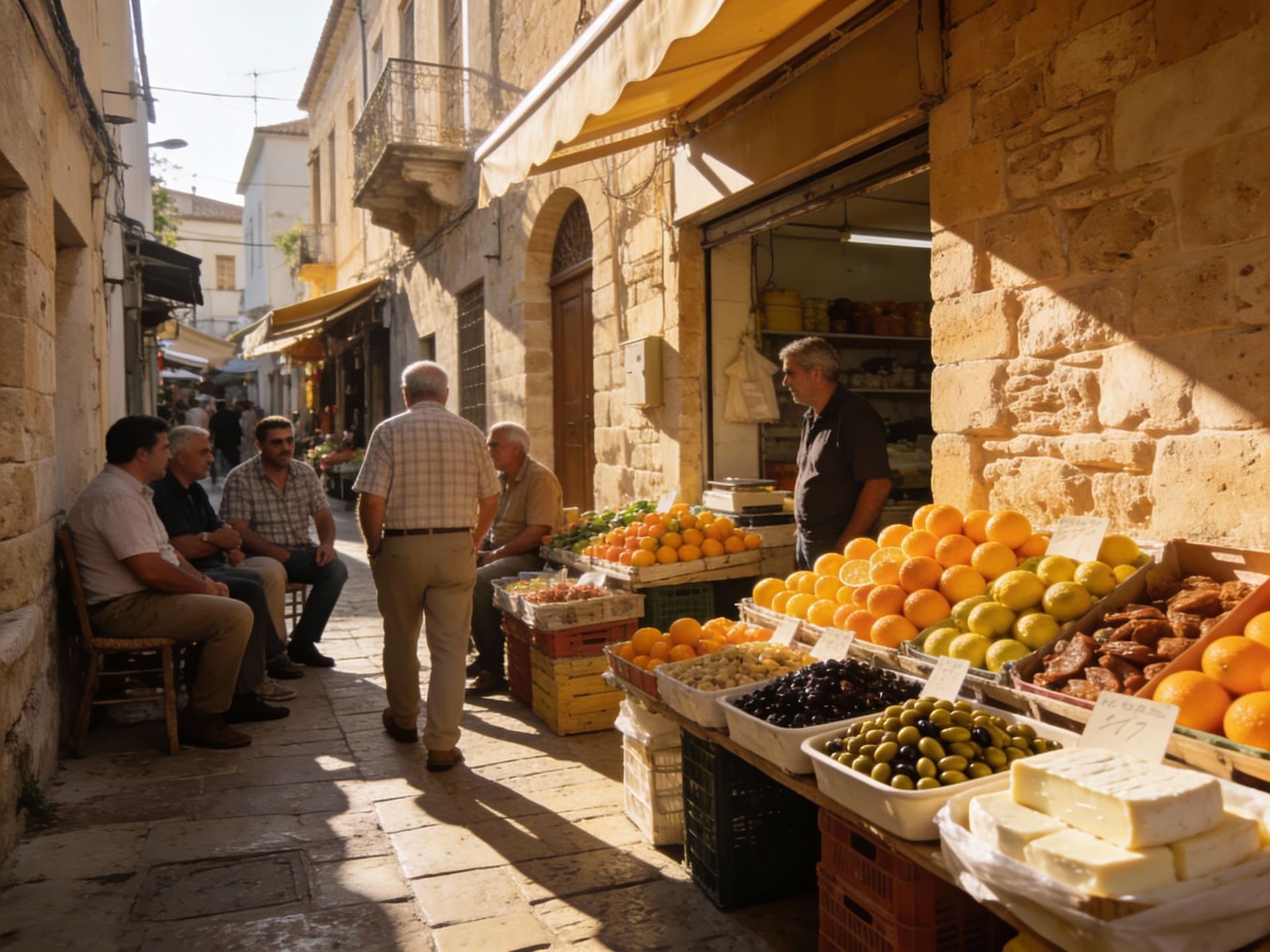
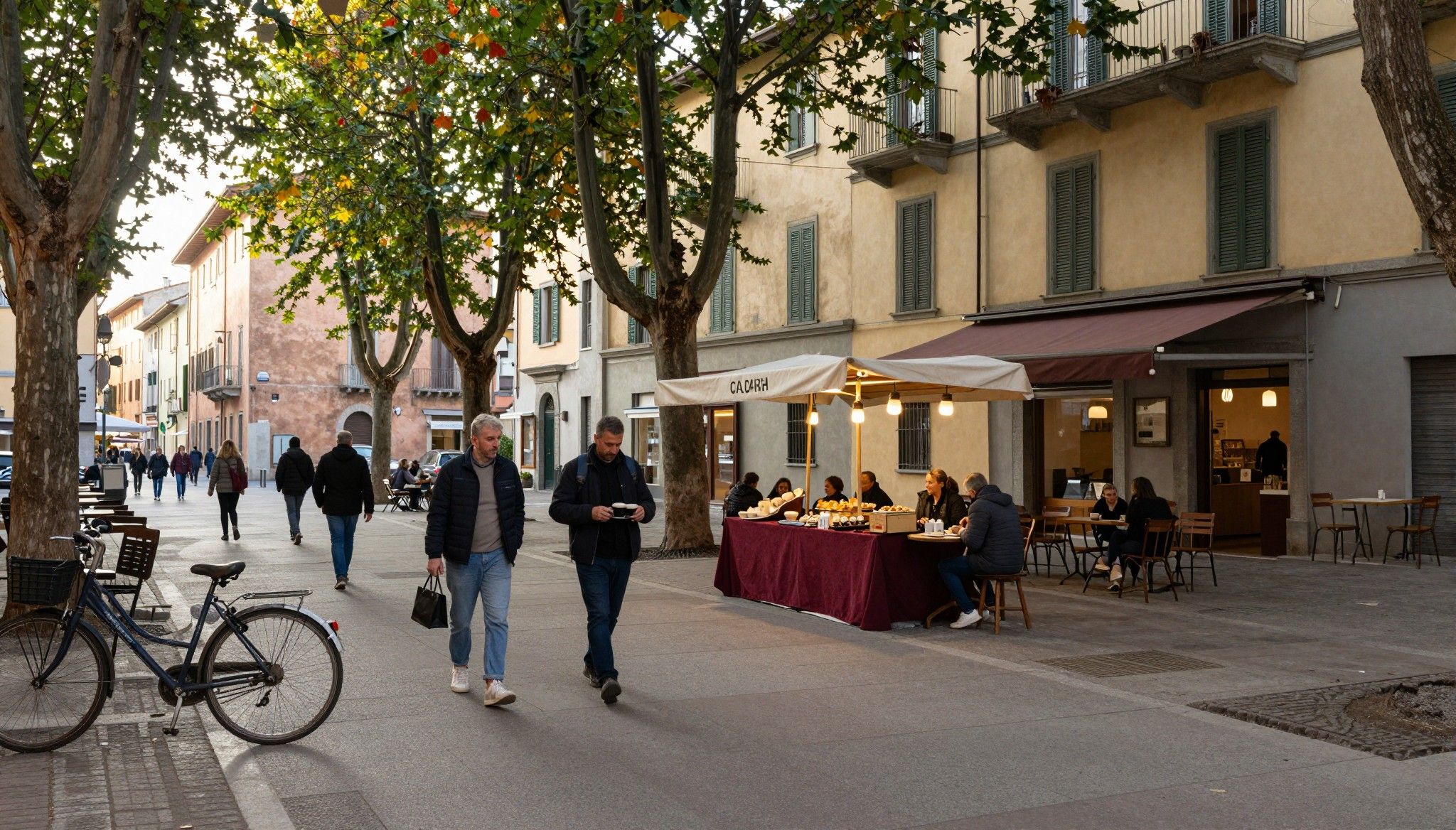
Cyprus is both Mediterranean coastal ease and inland village ritual. Mornings in Nicosia’s Ledra Street feel bookish and deliberate; afternoons in Paphos are small‑port, sea‑salt and citrus. The island’s pace shifts with the seasons — April markets brim with farm cheeses and wild greens, August is quiet on inland lanes while the coast hums — and that rhythm should inform where you buy as much as any tax spreadsheet. Buying a home here is not merely a financial act; it is a decision about daily atmosphere, neighbourly patterns and which months you truly intend to live in the house.
Limassol and the coastal arc
Limassol’s promenade, boutique cafes in the Old Port and Georgian‑planted avenues attract buyers who want an urbane coastal life with private clubs and international schools nearby. Properties range from seafront modernist apartments to restored colonial villas on Anexartisias and surrounding lanes. For buyers seeking rental yield, the town’s year‑round port activity helps sustain occupancy, but higher local council levies and service charges in coastal developments require careful budgeting and legal review of HOA rules.
Paphos, Larnaca and the quieter coastlines
Paphos retains an air of antiquity with narrow lanes clustered around the castle and modest villas tucked into coves like Coral Bay. Larnaca’s salt lake and relaxed Finikoudes promenade suit those who prize simple coastal ritual over permanent spectacle. In both areas you will find renovation opportunities where purchase price and transfer fees can be materially different than Limassol, but the practical differences — proximity to international schools, health services and seasonal demand — will ultimately determine your lifestyle match.
From dream to deed: taxes, transfer fees and the real cost

The fiscal posture you choose on arrival affects the lifetime cost of ownership in ways that stories about sun and sea rarely capture. Cyprus combines generous non‑dom provisions with well‑defined transfer and stamp duties; each interacts with your residency, the property’s VAT status, and whether you structure ownership in joint names. The right structure can reduce Land Registry transfer fees and preserve tax‑efficient treatment of foreign dividends and interest, but mistakes at contract stage are hard to unwind and often costly.
How transfer fees and stamp duty bite
Transfer fees are tiered: lower bands at 3% and 5%, rising to 8% above certain thresholds, though VAT‑charged new builds are exempt from transfer fees. Stamp duty remains modest but immediate on contract registration. Buyers who place a property in multiple names at signing — for instance spouses or adult children — often reduce the aggregate transfer fee. That simple manoeuvre is permissible but must be balanced against inheritance, control and future liquidity considerations.
When non‑dom ceases to be an advantage
Cyprus exempts qualifying tax residents from Special Defence Contribution on dividends, interest and rental income for many years, a magnet for international capital. However, the benefit is conditional; individuals who are tax residents for 17 of the last 20 years may be considered domiciled and thus lose SDC exemptions. For buyers attracted by the headline non‑dom benefit, careful timing and long‑term planning are essential: a prematurely permanent move without estate planning can convert an apparent saving into a lifelong liability.
Working with local expertise: legal, tax and lifestyle counsel
An agent versed in design, a lawyer fluent in registry practice and a tax adviser who understands cross‑border residence together form the practical team every buyer needs. Agents identify neighbourhoods that fit your seasonal habits; lawyers ensure contracts allocate stamp duty and deposit protections correctly; tax advisers model the domestic and international consequences of domicile and of owning property through companies or trusts. In Cyprus, small technical choices at purchase create outsized differences in annual costs and succession outcomes.
Checklist: what your Cyprus adviser should do
- Confirm whether the property is VAT‑liable and the transfer fee implications.
- Model your non‑dom timeline: years of residency, potential deemed domicile and SDC exposure.
- Advise on titling structures (joint ownership, company ownership) with succession and liquidity in mind.
- Inspect HOA/condominium rules, service charge history and any outstanding levies before exchange.
- Estimate recurring municipal and utility costs across seasons to avoid surprise winter bills.
A stepwise approach to protect lifestyle and capital
- Decide where and when you will live seasonally; match neighbourhood choice to that rhythm.
- Ask your tax adviser to run a domicile and SDC projection for 5, 10 and 17 years to reveal cliff edges.
- Structure purchase to optimise transfer fees (co‑ownership options) and secure title clarity through a Cyprus lawyer.
- Agree contractual terms that protect deposits and spell out remedies for defects and delay before registration.
Insider realities: what expats wish they’d known
Several experienced residents recall the same regrets: buying a coastal pied‑à‑terre in July, then learning that winter service costs and local levies halved expected rental income; or assuming non‑dom status would be permanent without a clear succession map. Others note the quiet benefit of buying slightly inland — classical stone houses in villages like Omodos offer restoration projects that mature into both a quiet life and resilient capital, with transfer fee calculations that can be more favourable when structured correctly.
Cultural cues that affect value
Neighborhood reputation is built on long habits: where locals buy, where cafés close at midday for siesta, which streets flood in rare winter storms. These are not mere anecdotes; they affect insurance, maintenance cycles and the desirability of properties for long‑term tenants. Engaging with local shopkeepers, attending a Sunday market in Polis or an olive harvest in the Troodos teaches you more about stewardship needs than pages of regulation ever will.
Conclusion: live here well, and plan with care
Cyprus offers a rare combination: the poetry of Mediterranean life and a tax regime that rewards considered residency. To keep the poetry from turning costly, marry lifestyle taste with disciplined tax planning and precise legal work. Begin with a short visit that pairs neighbourhood walks with an appointment with a tax adviser; let local counsel model transfer fee scenarios and non‑dom timelines. The right purchase will let you keep the light in the lane and the balance sheet intact.
Dutch former researcher who moved to Lisbon, specialising in investment strategy, heritage preservation, and cross-border portfolio stewardship.