When Croatia’s Tax Rules Quietly Shape Where You Live
How Croatia’s mix of transfer tax, VAT rules and municipal regimes quietly alters where lifestyle and returns align; plan at municipal level and confirm VAT early.

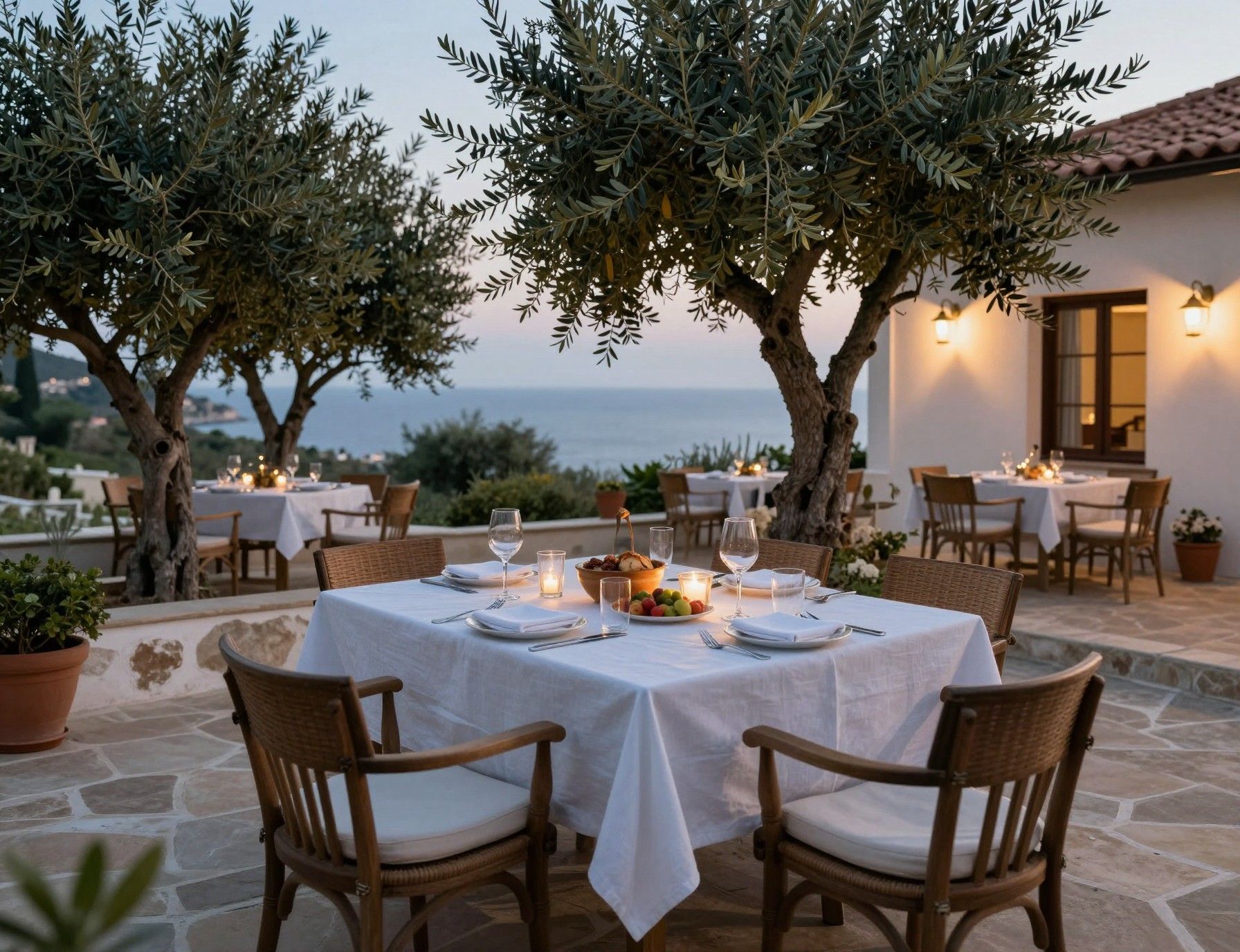
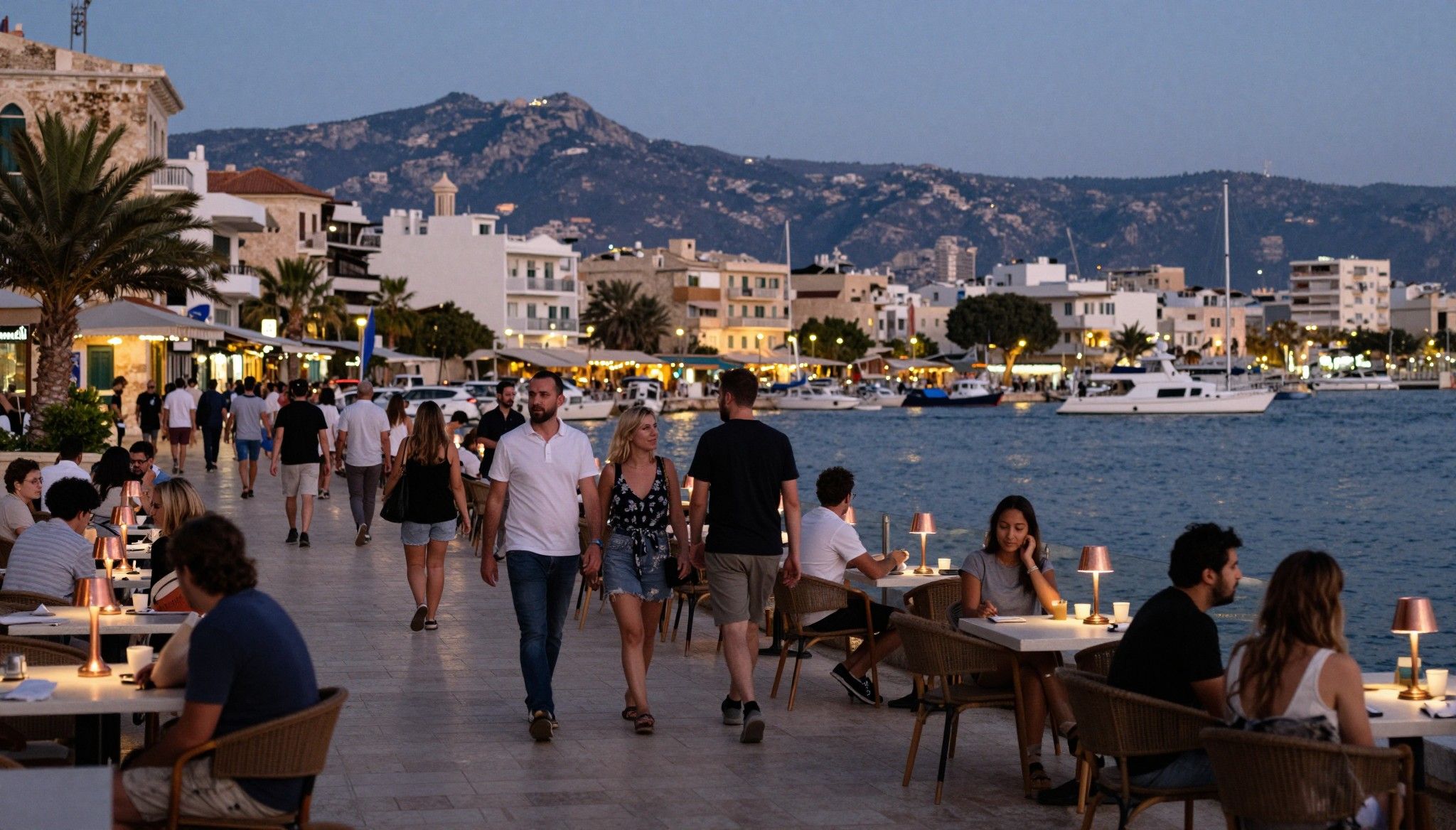
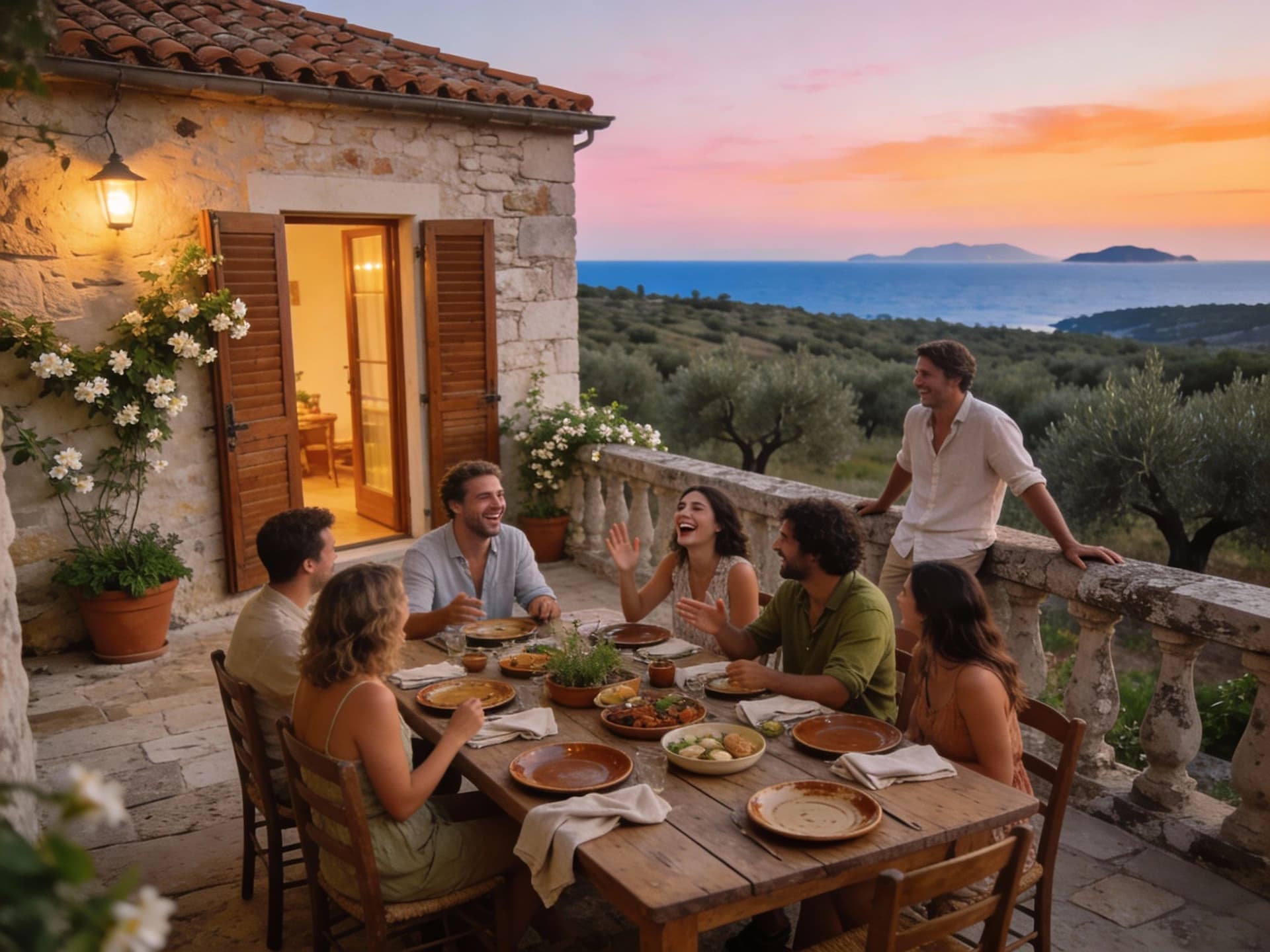
Imagine waking to the smell of espresso and pine, stepping out onto a stone-paved street in Split’s Veli Varoš or an Istrian village where breakfast markets still trade in fresh figs and cured ham. Croatia rewards a life lived outdoors — long lunches on shaded terraces, late-afternoon swims off pebble coves, and evenings that move from piazza to konoba with unhurried ease. But for many international buyers the romance collides with a quieter, legal reality: transfer taxes, VAT rules for new builds, and evolving annual property levies that quietly reshape carrying costs. Knowing which myths are durable and which are simply noise lets you choose the neighborhood that sustains both the life you want and a sensible tax plan.
Living the Croatian Life: rhythms that shape choices
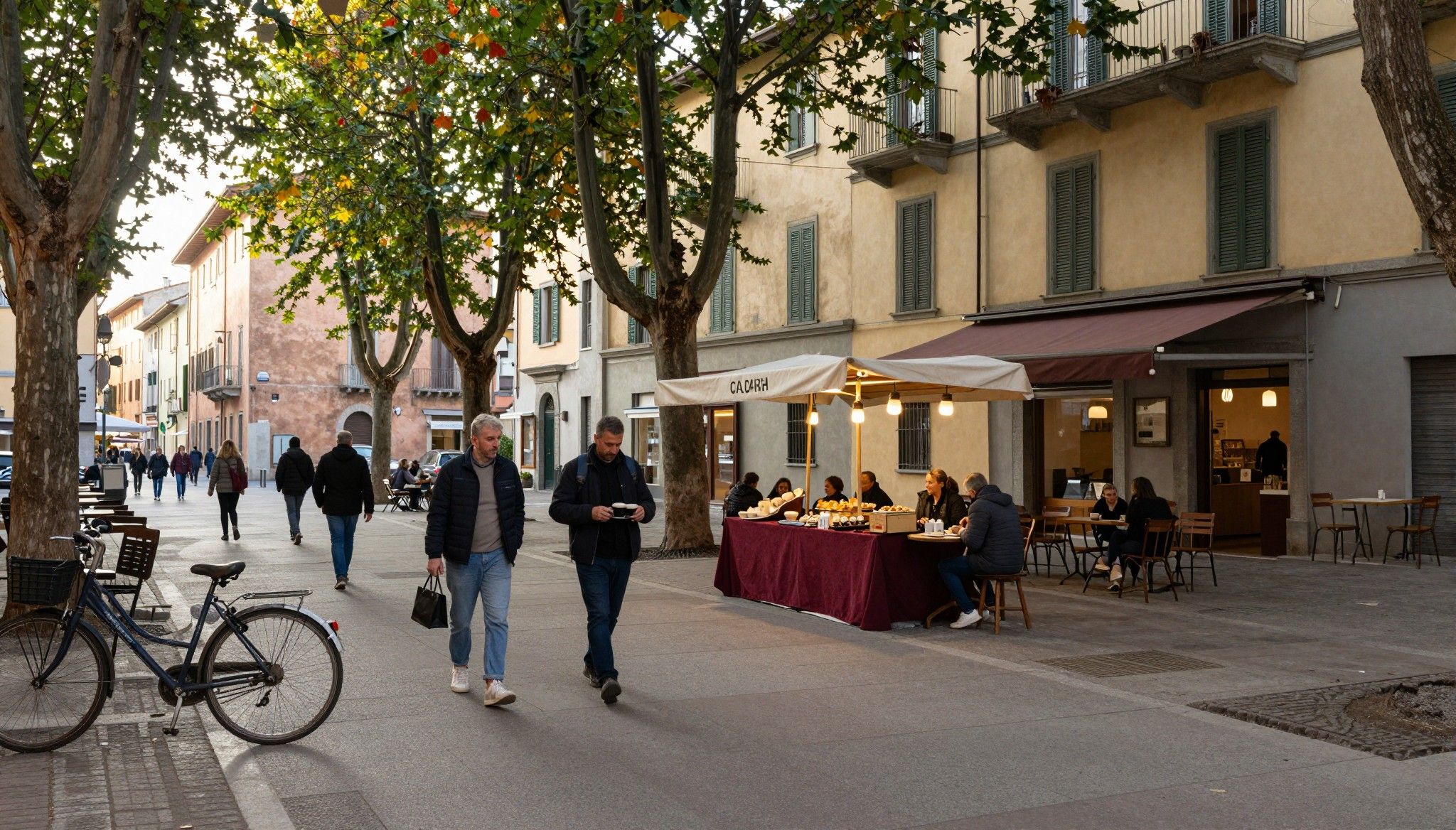
Croatia’s tempo is maritime and local. In Zagreb mornings are brisk and coffee-forward; along the Adriatic, days are measured by tides, seasonal festivals and the cadence of tourist months. When you picture terraces in Hvar’s old town or a stone farmhouse above Rovinj, think also of how seasonality affects utility patterns, rental demand and therefore tax profile — properties that earn strongly in July and August often sit quiet the rest of the year, shifting the balance between short-term accommodation regimes and longer-term residential taxation.
Veli Varoš to Lapad: micro-neighborhood character
Veli Varoš in Split feels intimate: fishing boats, narrow alleys, a handful of family-run konobas where proprietors remember your name. Dubrovnik’s Lapad offers the opposite rhythm — sheltered promenades, quieter residential blocks and year-round cafés that suit extended stays. These contrasts matter for tax planning: central, tourism-driven pockets will push you toward tourist accommodation rules and flat‑rate per‑bed regimes, while quieter residential quarters will more likely fall under standard rental taxation and different VAT treatments.
Food, market life and the cost of convenience
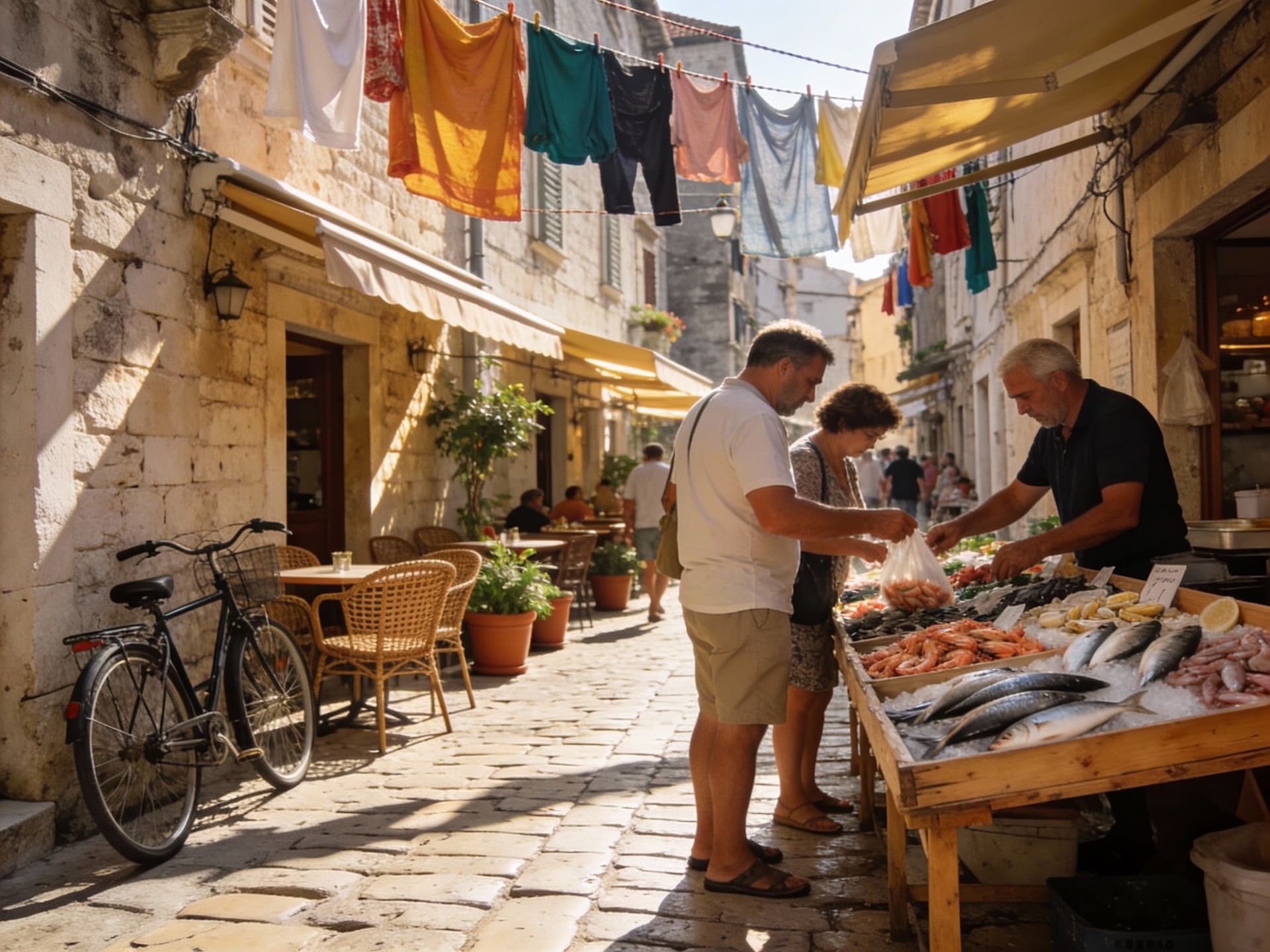
Saturdays in Trogir’s market or the open-air stalls of Rijeka teach you something practical: proximity to services matters more than view premiums when everyday costs and property taxes are tallied. A house two streets from a fish market can reduce running costs for a culinary life and increase long-term demand for short-term lets — which in turn affects whether you opt into VAT registration or a municipal flat-rate tax for tourist accommodation. Lifestyle choices ripple into tax exposure.
Making the move: practical fiscal considerations
The first concrete cost most buyers meet is the real estate transfer tax: where VAT does not apply, a 3% transfer tax is levied on the market value at acquisition. For new builds sold by VAT-registered developers, VAT — not transfer tax — is typically charged, which can shift closing costs significantly. Understanding which regime applies to a given plot or building is one of the few matters worth prioritising with a lawyer and a local tax adviser before you sign.
Property types and their tax consequences
Stone restorations and historic coastal houses often change hands through private sales and attract the 3% transfer tax, while modern developments marketed as new construction usually carry VAT (commonly 25% or reduced rates where applicable), which alters the immediate purchase price. If you plan renovation, consider that declaring a property as a commercial short‑term rental can create VAT obligations for non-residents and potentially open deductibility for renovation costs — a trade-off that rewards precise structuring.
How local experts protect lifestyle value
A local agency that understands the pace of island life, municipal flat‑rate tax options and the nuance of municipal property valuations is not an optional luxury — it is the mechanism that turns lifestyle intent into correct tax outcomes. They will confirm whether a property is subject to VAT, whether short-term accommodation flat-rate regimes exist in the municipality, and whether carrying a property through a Croatian company or personal title best aligns with your goals and inheritance plans.
Insider knowledge: what expats wish they'd known
Many expats arrive thinking the Adriatic’s summer cashflow alone funds ownership; they are surprised by new local levies, seasonal utility spikes and evolving rental regulations aimed at increasing housing supply for residents. Small changes — like municipal choices on flat‑rate tourist taxes or the introduction of annual property taxes in recent reform conversations — can modify yield calculations and the desirability of certain micro‑locations. The quicker you fold these local shifts into your model, the clearer the true lifestyle affordability becomes.
Cultural and practical integration
Learning a few phrases, frequenting a market and aligning with local rhythms opens doors beyond the fiscal — neighbors can advise on short-term demand cycles, seasonal maintenance needs, and municipal procedures that affect taxes and permits. Practically, this local intelligence reduces surprises: different coastal municipalities apply tourist and occupancy rules differently, so an agent who knows where municipal authorities favour long-term housing over holiday lets will steer you to properties that preserve lifestyle and minimise tax friction.
- Quick tax-savvy lifestyle moves to consider
1. Confirm VAT vs transfer tax early — the difference commonly equals several percentage points on purchase price. 2. If you aim for tourist letting, compare municipal flat‑rate per‑bed regimes to percentage taxation on rental income. 3. Consider ownership through a domestic company only after tax modelling for capital gains, inheritance and corporate compliance. 4. Locate services — markets, clinics, schools — within walking distance to reduce running costs that appear in tax-deductible expense calculations. 5. Use local valuers to anticipate the market value the tax administration may adopt for transfer‑tax assessment.
Conclusion: the life you want and the plan that sustains it. Croatia offers a very particular promise — a porous border with Europe, a slow rhythm that rewards presence, and architectural riches from stone Dalmatian houses to refined Istrian villas. The most successful international buyers are those who pair that romantic literacy with careful fiscal choreography: early VAT/transfer tax checks, municipal-level due diligence, and counsel that treats stewardship and lifestyle as equal priorities. If you want to test an idea — a week in Hvar with a tax note in your pocket, or a walk through Rovinj’s back lanes with a lawyer who knows municipal practice — that practical curiosity is where sound purchases begin.
Dutch former researcher who moved to Lisbon, specialising in investment strategy, heritage preservation, and cross-border portfolio stewardship.