Turn Croatia’s 3% Transfer Tax Into Practical Advantage
Practical, lifestyle‑aware tax planning for buying property in Croatia — how the 3% transfer tax, VAT and timing can be shaped to your advantage.
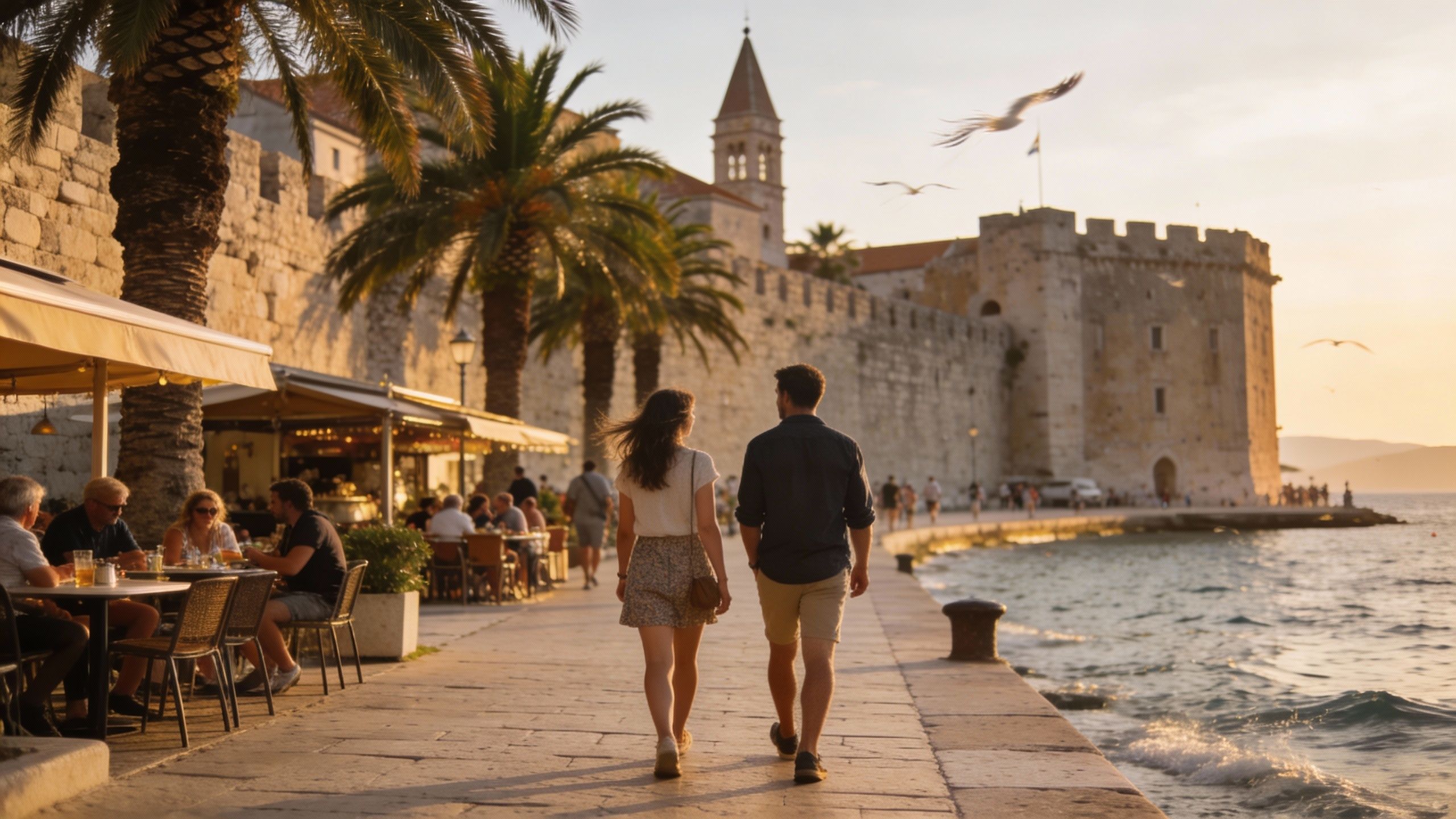
Imagine arriving in Dubrovnik before the high season, sunlight soft on limestone, the market at Gundulićeva Poljana just waking up and a sea breeze drifting over a recently restored stone terrace. In Croatia that morning light often reveals the practical truth behind romantic assumptions: timing, tax treatment and local custom change which homes feel like a bargain and which become expensive mistakes.
Living the Croatian life — habits that shape property choices

Daily life in Croatia is governed by a slow attention to place: espresso at small cafés in Zagreb’s Tkalčićeva, fishermen’s nets drying on Hvar’s Riva, late-afternoon promenades in Split beneath the palace walls. Those rhythms affect the type of property that suits you. A compact apartment on Varšavska hums with city conveniences; a stone villa on Brač offers seasons of light and lawn work. Knowing how you will live — seasonally or year‑round, privately or as a host — changes the tax conversation in ways few buyers expect.
Neighborhood notes: Zagreb, Split, Dubrovnik and the islands
Zagreb’s historic quarters reward proximity to galleries and classical cafés; Split’s Old Town is compact, where narrow stairways and palace facades mean smaller footprints but high tourist demand; Dubrovnik’s city core remains tightly regulated with restoration rules; the Adriatic islands trade seclusion for seasonal revenue and local governance that can alter taxes and service charges. Each district’s character intersects with municipal tax decisions — from annual property levies to how short‑term rental revenue is treated.
Food, markets and the year’s pulse — why seasonality matters
Weekends revolve around markets: Dolac in Zagreb on Saturday, Pijaca in Split by the fruit stalls, fish auctions at Zadar’s waterfront. That seasonal pulse means many homes earn disproportionate short‑term rental income in summer, which can push you into different tax regimes, VAT thresholds and municipal levies. Plan around those rhythms: buying to host every August is not the same as buying to live quietly eight months a year.
Making the move: taxes that actually matter (and how to plan)

Two practical realities will shape your wallet: VAT on new builds and the 3% real‑estate transfer tax that applies where VAT is not charged. The 3% tax base is the market value at acquisition, not always the contract price; municipalities and tax offices use valuation methods that can raise the taxable base above your purchase price. Thoughtful timing, contract structuring and valuation evidence can reduce surprises.
Property types and tax outcomes — a short map
New developments sold by a VAT-registered developer are usually subject to 25% VAT rather than transfer tax. Older apartments, resales and many plots are liable for the 3% transfer tax. If you are buying through a company, or planning to operate rentals, different thresholds apply and may require local company registration. Knowing which side of the VAT/transfer tax line a property sits on is the single most effective early tax check.
Practical checklist before you sign
Before exchange, collect the seller’s VAT status, an up‑to‑date land registry extract, recent municipal property tax decisions and a professional market valuation you control. These documents determine whether you pay VAT, transfer tax, or face higher assessed values. A local lawyer and a chartered valuer are not optional — they are the tools that keep the 3% figure honest.
Insider knowledge: tax strategies many buyers overlook
There are legitimate, modest strategies that preserve lifestyle and reduce friction: using evidence to contest an assessed market value, choosing a legal vehicle that aligns with your rental intentions, and planning holding periods to avoid short‑term capital gains exposure. These are not tricks but careful alignment of intent, documentation and local rules.
Lifestyle‑aware tax moves
- Buy for private use outside peak-tourist months to keep short‑term rental registration simpler and VAT exposure lower.
- If you intend to rent, assess whether operating as a non‑resident individual or establishing a Croatian company produces lower overall tax (factor in corporate tax bands and deductible expenses).
- Use a recent independent market valuation to contest a tax office assessment and ensure the 3% basis is fair.
Step‑by‑step: living with the numbers
- Obtain seller VAT status and land registry extract; commission an independent valuation; agree contract clauses specifying which side pays transfer tax if a higher assessment arises; register documents with local tax office within statutory deadlines; retain proof of primary residence if claiming exemptions.
These steps preserve both the lifestyle you desire and the tax clarity you need. Real savings come from paperwork and timing, not from cutting corners.
What expats wish they’d known
Many newcomers are surprised that municipal decisions — small, local votes on property tax rates or exemptions — materially affect annual costs. Others underestimate the administrative delay when non‑residents must submit paperwork to tax offices; expect processing times of several weeks. Local agents who understand neighbourhood rhythms will advise on whether a home is likely to be a quiet sanctuary or a seasonal business; that shapes tax planning just as surely as location.
Cultural notes that change fiscal choices
Croatians prize provenance and restoration. Opting for authentic repair over full modern rebuild can reduce VAT exposure and align with local conservation rules — a small civic choice with tax consequences.
Conclusion — how to make Croatia feel like home, and your purchase feel measured
Croatia rewards patience and local understanding. Treat tax planning as part of discovering where you will live: a seaside lane that attracts summer guests, a stone courtyard for year‑round calm, or a buzzing capital flat with cultural life. Align your lifestyle intent with the right legal structure, valuation evidence and seasonal timing, and the 3% transfer tax and VAT thresholds become manageable elements of a considered purchase rather than obstacles.
Next steps: commission a local valuation, request the seller’s VAT certificate, and speak with a Croatian notary or tax adviser familiar with municipal property tax decisions before you exchange contracts. The life you seek in Croatia begins with these small, decisive papers.
Former Copenhagen architect who relocated to Provence, offering relocation services, market analysis, and a curator’s eye for authentic regional design.