Croatia: Seasonal Life, Reciprocity and Quiet Legal Rules
Fall in love first, legalise second: how Croatia’s seasonality, reciprocity rules and local customs shape confident property purchases.
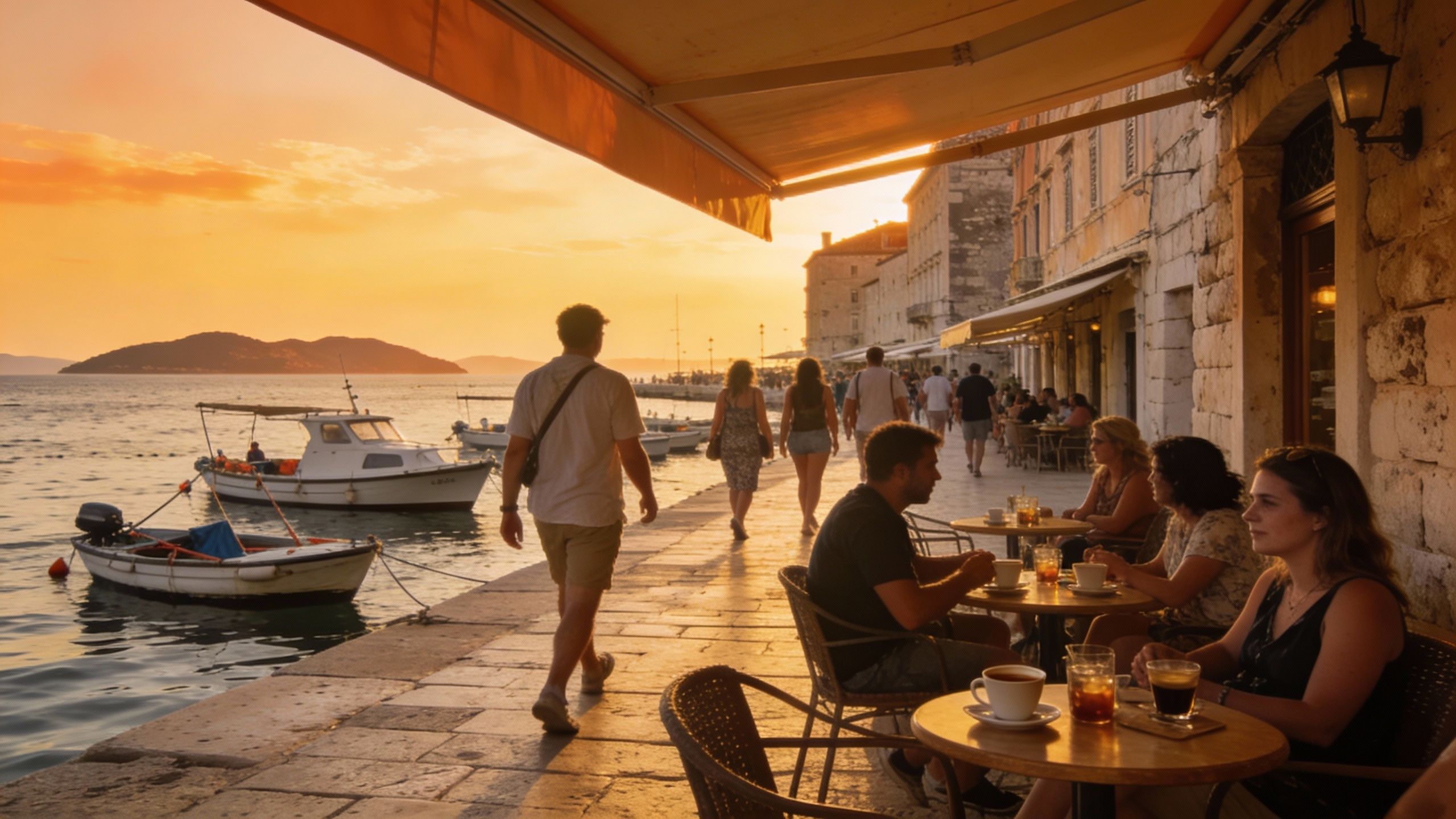
Imagine a spring morning in Hvar’s old harbour: fishermen mend nets while a café on Ulica kralja Tomislava pulls espresso into slender porcelain cups. The light softens the limestone façades and a breeze carries rosemary and salt. For many international buyers the romance of Croatia begins in moments like this, but turning that feeling into a properly executed purchase requires knowledge of national rules, seasonal market rhythms and the right local counsel. This guide pairs those lived sensations with concrete legal touchpoints so a dream purchase becomes a defensible one.
Living the Croatian life
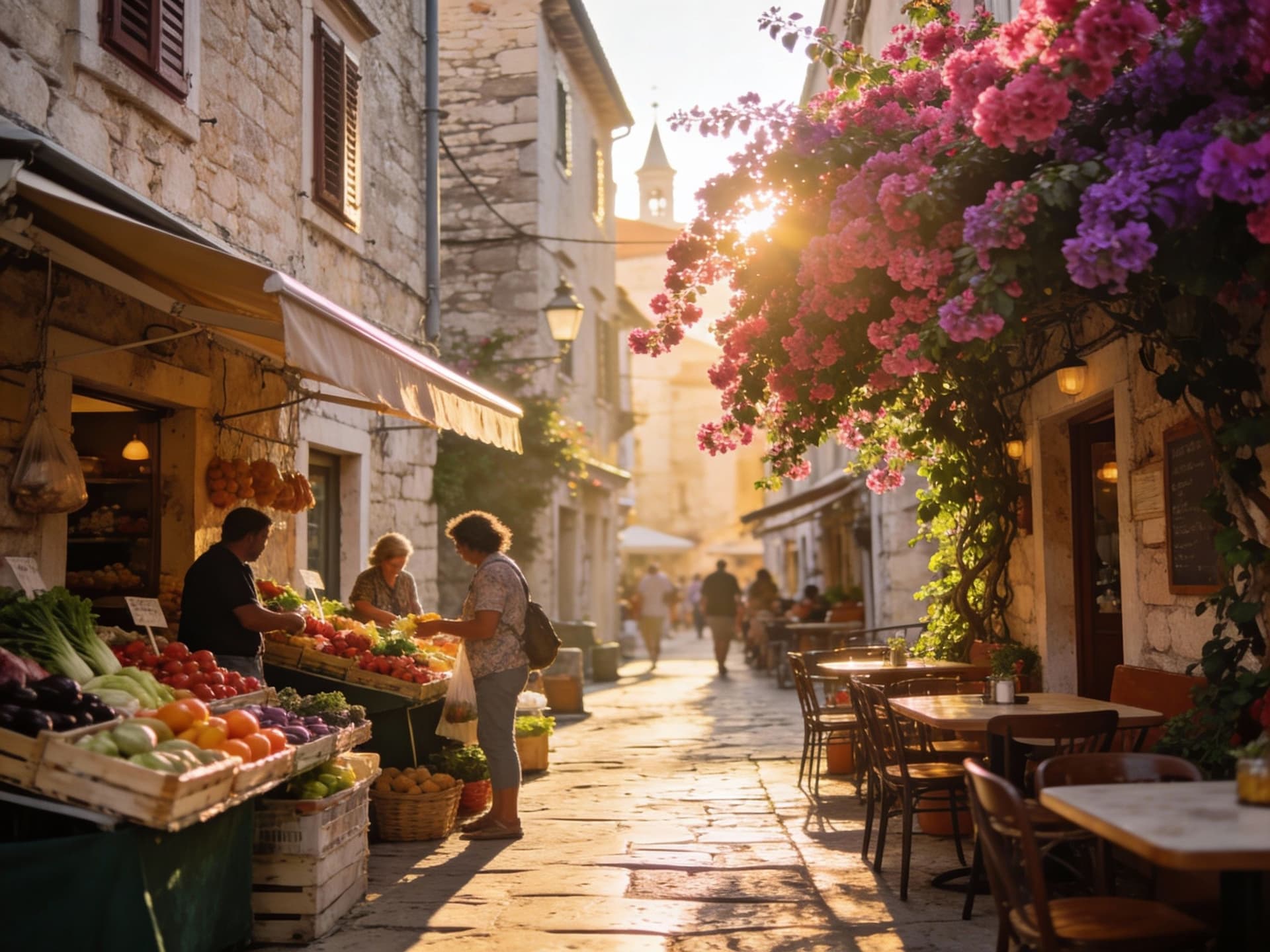
Croatia is stitched from two distinct rhythms: the urban cadence of Zagreb with its late‑morning markets and classical cafés, and the slow, layered tempo of the Adriatic coast where towns like Split, Rovinj and Dubrovnik hold festivals that shape the year. Neighborhoods are intimate; squares (trg) serve as living rooms and seasonal life matters — summers brim with visitors while winter is quiet, serviceable and distinctly local. For an international buyer this seasonal duality defines how a property will feel and function: a stone apartment in the Old Town breathes differently in October than in July.
Coastal towns, island tempo and neighbourhood names
If you love morning markets and a gentle sea-scented life, look beyond Dubrovnik’s walls to Gruž neighbourhood life or the quieter lanes of Cavtat; Split rewards those who prefer a mix of café culture on Marmontova and quieter villas around Sustipan. In Istria, Rovinj’s Stari Grad is atmospheric and artisanal; Poreč and Motovun offer more pastoral rhythms. Each place bears its own practical implications — building maintenance in stone villages differs from condominium management in newer coastal complexes — and the neighbourhood you choose will shape both day‑to‑day living and legal attention needed for restoration, tenancy or rental.
Food, markets and how place becomes home
A Saturday at Zagreb’s Dolac market, a stroll through Split’s fish stalls at Pazar, an evening of black risotto in a konoba — these routines become the scaffolding of life. They also determine practical choices: proximity to year‑round services matters if you plan to live off‑season; access to municipal water and sewage, frequent in urban centres but variable on smaller islands, affects renovation timelines and costs. Consider the rhythm you want first — social, quiet, seasonal — then choose property types that support it.
Making the move: practical considerations
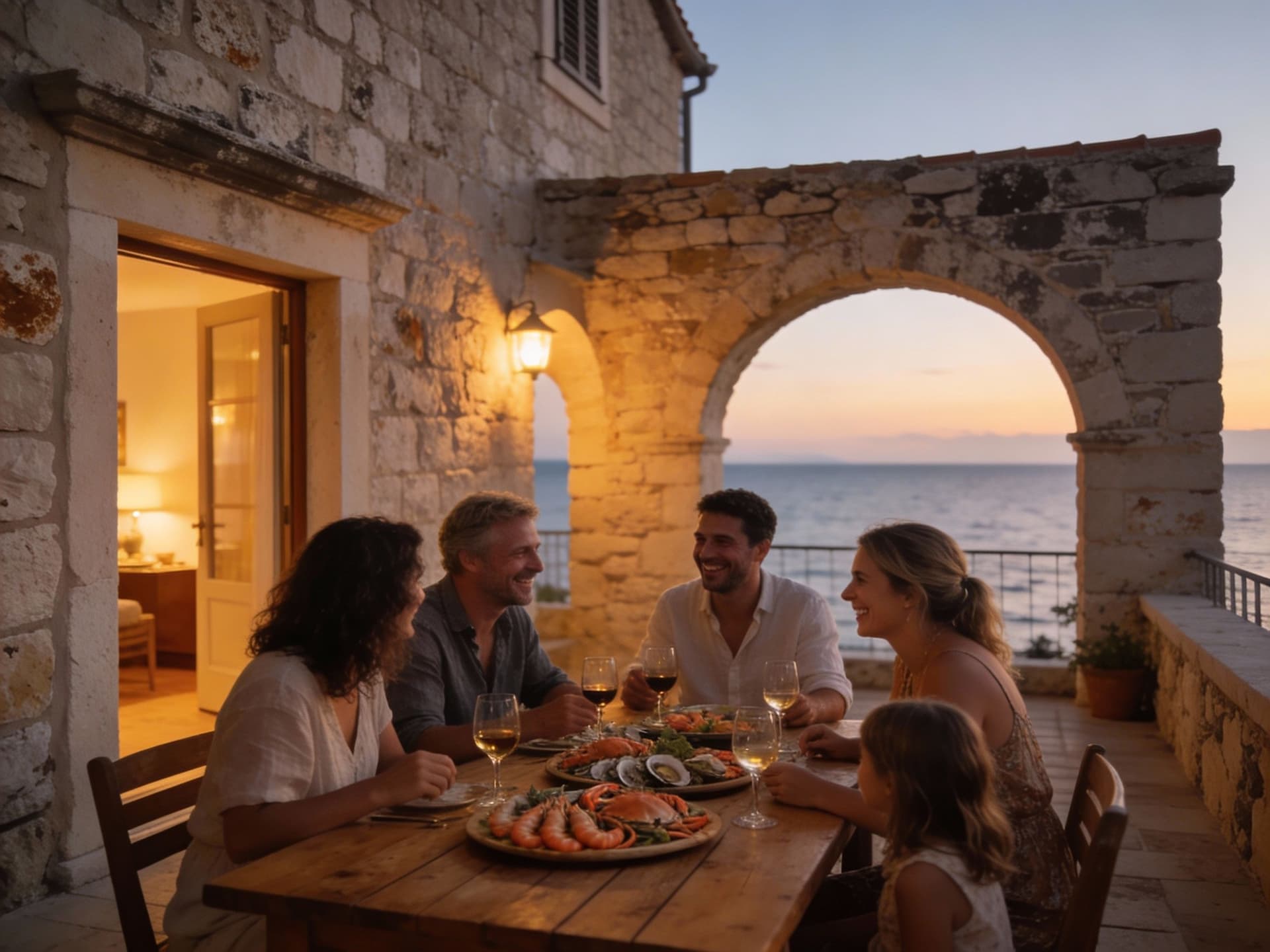
The romance of place meets a defined legal framework. EU citizens enjoy near‑parity with Croatians in property acquisition, but non‑EU nationals face reciprocity checks and, in some cases, ministerial consent. Recent government summaries and Ministry of Justice tables provide the authoritative list of countries with reciprocal rights and the administrative route for those who do not. Understanding these rules at the outset prevents wasted time and emotional investment in properties you cannot legally own.
Reciprocity and what it means for buyers
Reciprocity is not arcane; it’s binary and public. A favourable reciprocity status lets an individual from a third country purchase as a Croatian would. Where reciprocity is absent, buyers must apply for consent through a formal administrative procedure that can take months and require proof of intent and, occasionally, additional guarantees. If your passport requires consent, begin the process before committing to a purchase to avoid costly contingencies.
Property types and the legal realities they carry
A renovated stone house on Korčula carries different obligations from an apartment in a new beachfront development. Heritage buildings in UNESCO or protected zones may require conservation permits and specialist architects; coastal plots sometimes fall under stricter zoning and environmental review. For international buyers, insist on a clear title search, recent land registry extracts (vlasnički list), and clarity on whether the property is within protected coastal or cultural zones. These checks are not optional; they are the difference between stewardship and surprise.
Insider knowledge: what expats wish they'd known
Experienced expats consistently say: pace yourself. Croatia’s price momentum — shown in recent national dwelling price indices — means coastal asking prices can outpace inland values substantially. Yet the market’s nuance is local: supply constraints, tourism seasonality and restoration costs shape real returns. Many buyers who rushed to buy at the height of a coastal season later found maintenance and off‑season vacancy eroded projected yields.
Cultural integration and daily realities
Croatian social life rewards patience: the café owner in your street will learn your name; municipal officials expect thorough documentation and local forms of courtesy. Learning rudimentary Croatian eases many transactions, from negotiating with craftspeople to understanding council notices about façade works. Expat communities cluster in familiar neighbourhoods — Zagrepčani meet in Cvjetni trg, island life congregates around ferry timetables and harbour cafés — and these social patterns influence how you will use and value a property across seasons.
- Practical tips expats regret not knowing sooner
1. Verify reciprocity status early; delays can derail purchases. 2. Commission a lokalni geodet (local surveyor) for boundary clarity. 3. Confirm connections: mains water, sewage and clear road access. 4. Check municipal development plans for seaside setbacks and heritage restrictions. 5. Budget realistically for restoration — stonework and coastal salt impact costs. 6. Use a Croatian‑speaking lawyer for the sales contract and title checks.
When to move and when to wait: a last word on timing. The summer illusion of bustling markets and instant community can make a property feel right in July; that same house may feel empty in November. Many savvy buyers prefer late autumn and winter visits: you see how services function off‑season, assess heating and insulation, and often negotiate with sellers more favourably. If your aim is a life rather than a seasonal trophy, observe the full annual cycle before committing.
Conclusion — the life and the law. Croatia rewards those who buy with both affection and discipline: an empathetic local agency and a Croatian lawyer turn evocative neighbourhood knowledge into secure ownership. Begin with the life you want — the market will follow — then anchor that vision in clear legal steps: check reciprocity, verify title, confirm infrastructure and allow for seasonal realities. When done with care, a home in Croatia becomes both a lived refuge and a legacy.
Having moved from Stockholm to Marbella in 2018, I help Scandinavian buyers navigate Spanish property law, restoration quality, and value through authentic provenance.