Malta: When Seafront Hype Masks Interior Opportunity
Why Malta’s seafront glamour often crowds value—and the quieter streets and restored palazzi that offer better long‑term living and stewardship-backed gains.
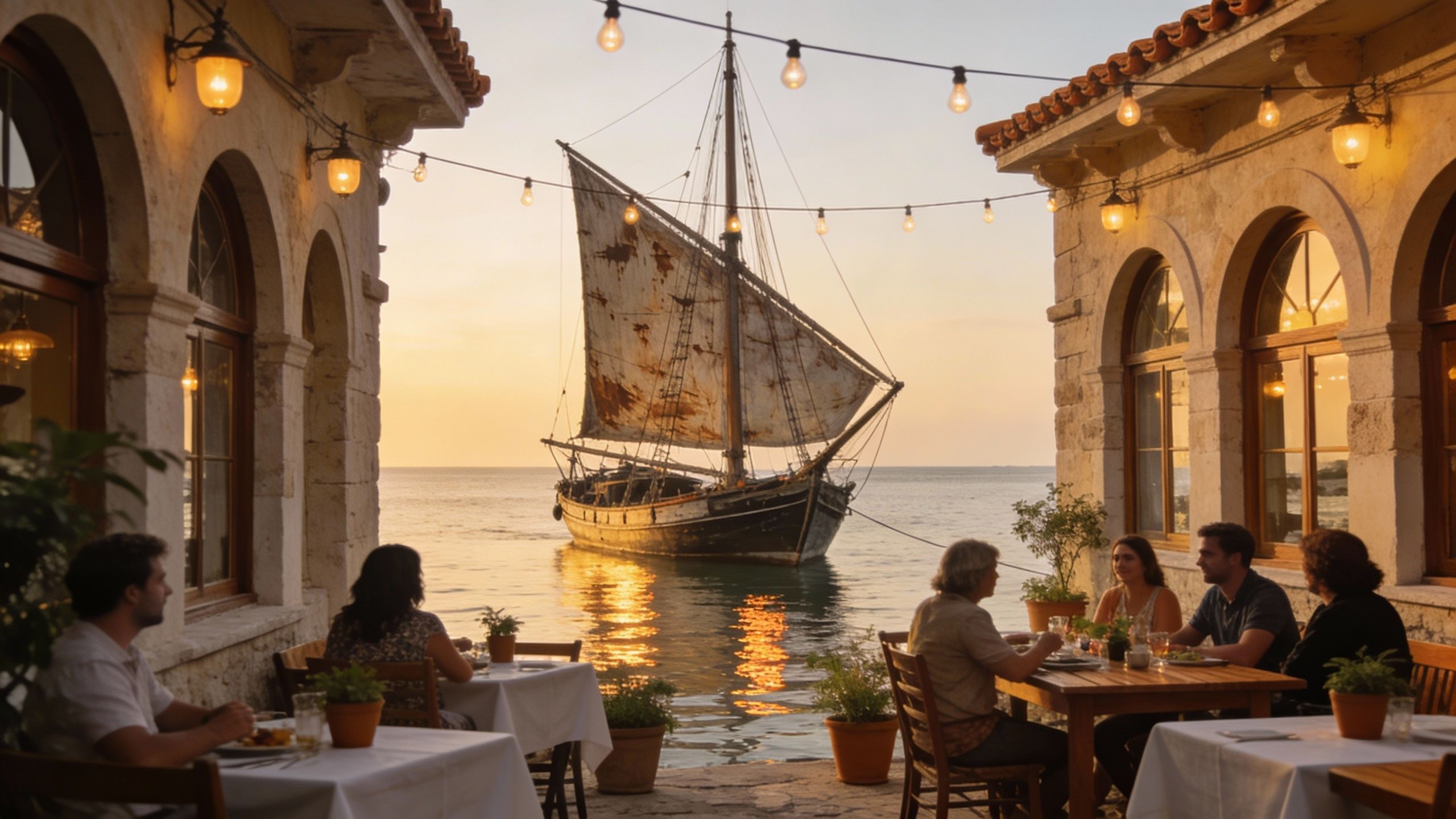
Imagine morning light on limestone façades, a barista tamping crema at Caffe Cordina, and fishermen hauling nets in Marsaxlokk while a 19th‑century palazzo patiently watches from the harbour. Malta is compact enough that these scenes mingle: a walk across Valletta’s bastions, a late lunch on Sliema’s seafront, then a swim at St George’s Bay at dusk. For many international buyers, the island’s magnetism is immediate; for the discerning buyer, the opportunity lies in understanding where that magnetism inflates price—and where quieter streets hold disproportionate value.
Living the Malta lifestyle
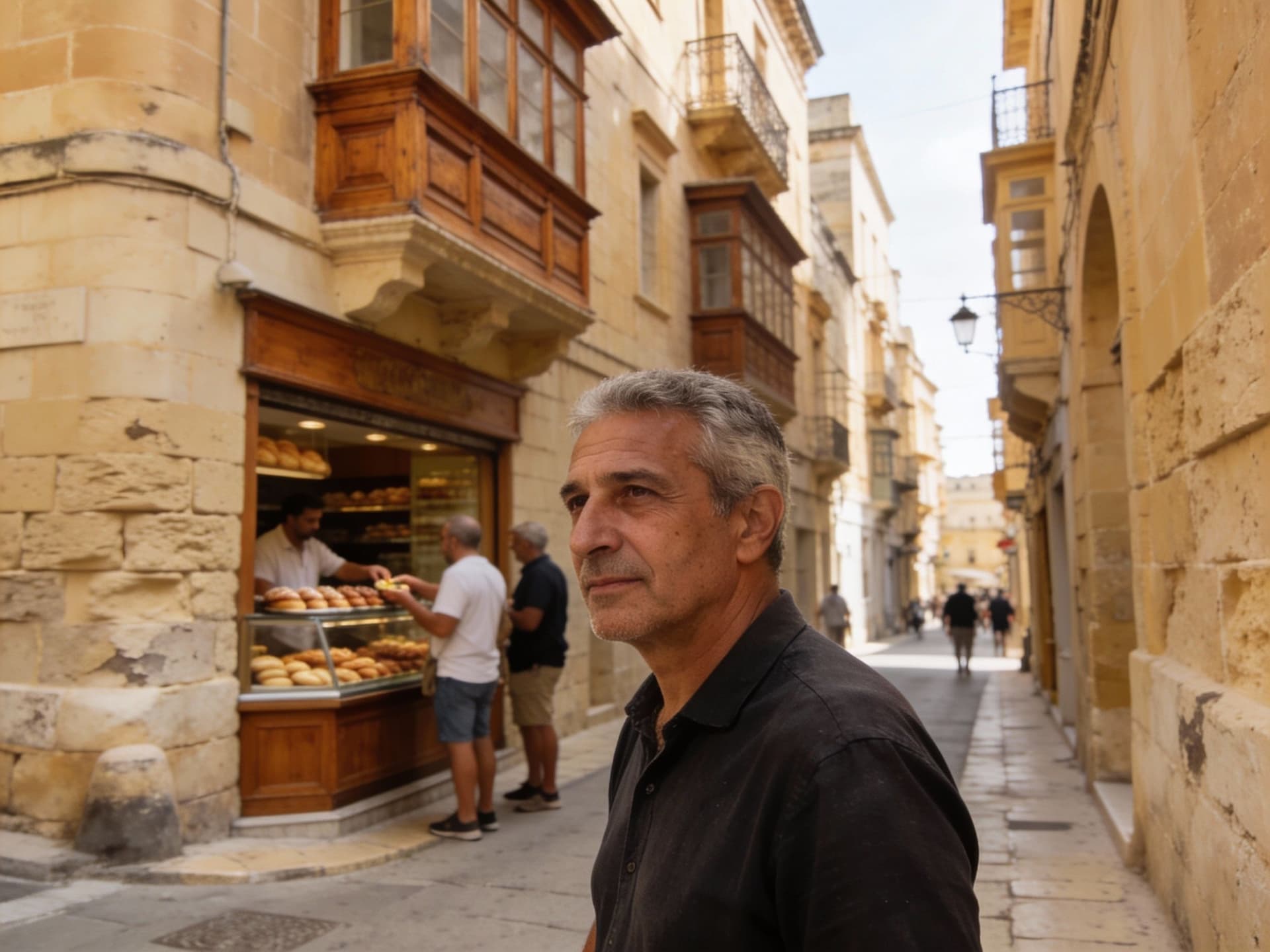
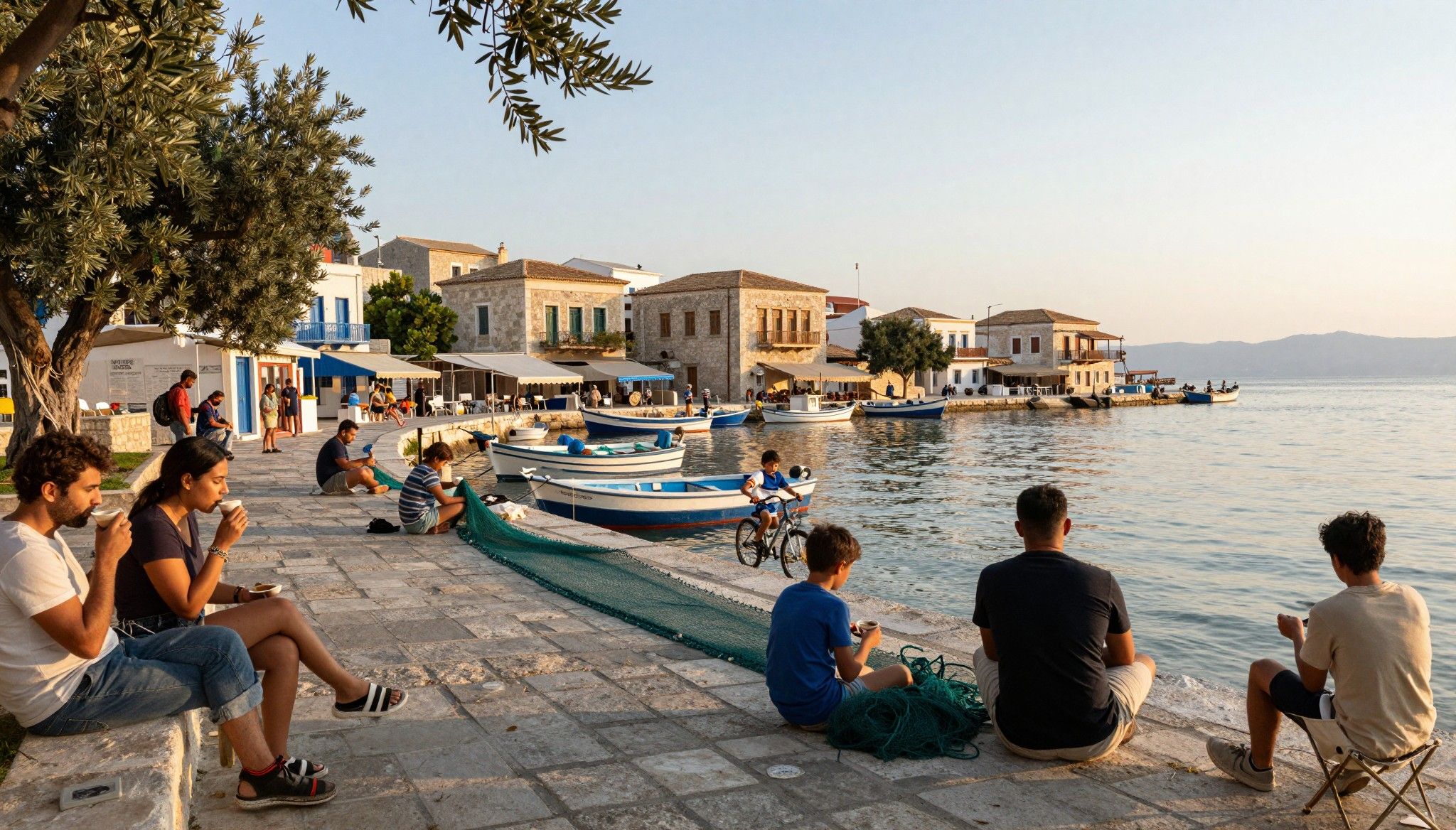
Malta’s daily rhythm is shaped by short distances and long traditions. Weekdays move between cafés and offices; weekends are island affairs—fishermen’s markets at Marsaxlokk, coastal walks along the Dingli cliffs, and evening passeggiatas in Sliema. Recent official data show residential prices continued rising through 2024, underscoring that lifestyle desirability is already a market factor. Knowing which neighbourhoods deliver lived‑in charm rather than headline glamour changes both enjoyment and investment outcomes.
Valletta and the Three Cities: theatre, stone and measured scale
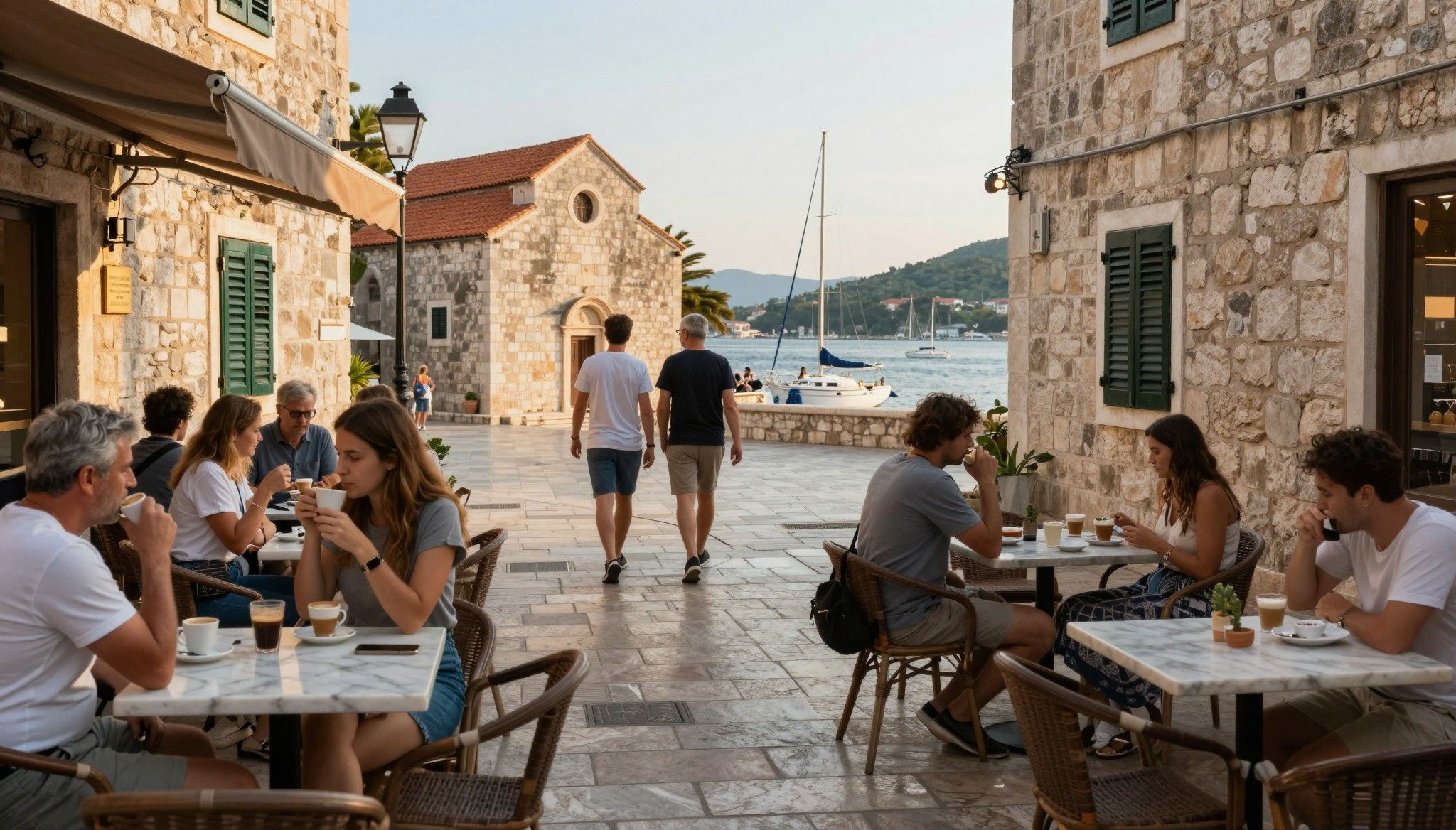
Valletta is a study in architectural conversation—baroque facades, carved timber balconies, and pocket gardens behind thick walls. Here you buy provenance: low ceilings in a converted merchant house feel intimate; a restored palazzo with a private courtyard reads as stewardship more than speculation. Prices reflect that pedigree, but smaller streets such as Strait Street and the quieter lanes behind Republic Street often offer authentic living at a softer price than the main seafront addresses.
Sliema, St Julian’s and the coastline: social life with tradeoffs
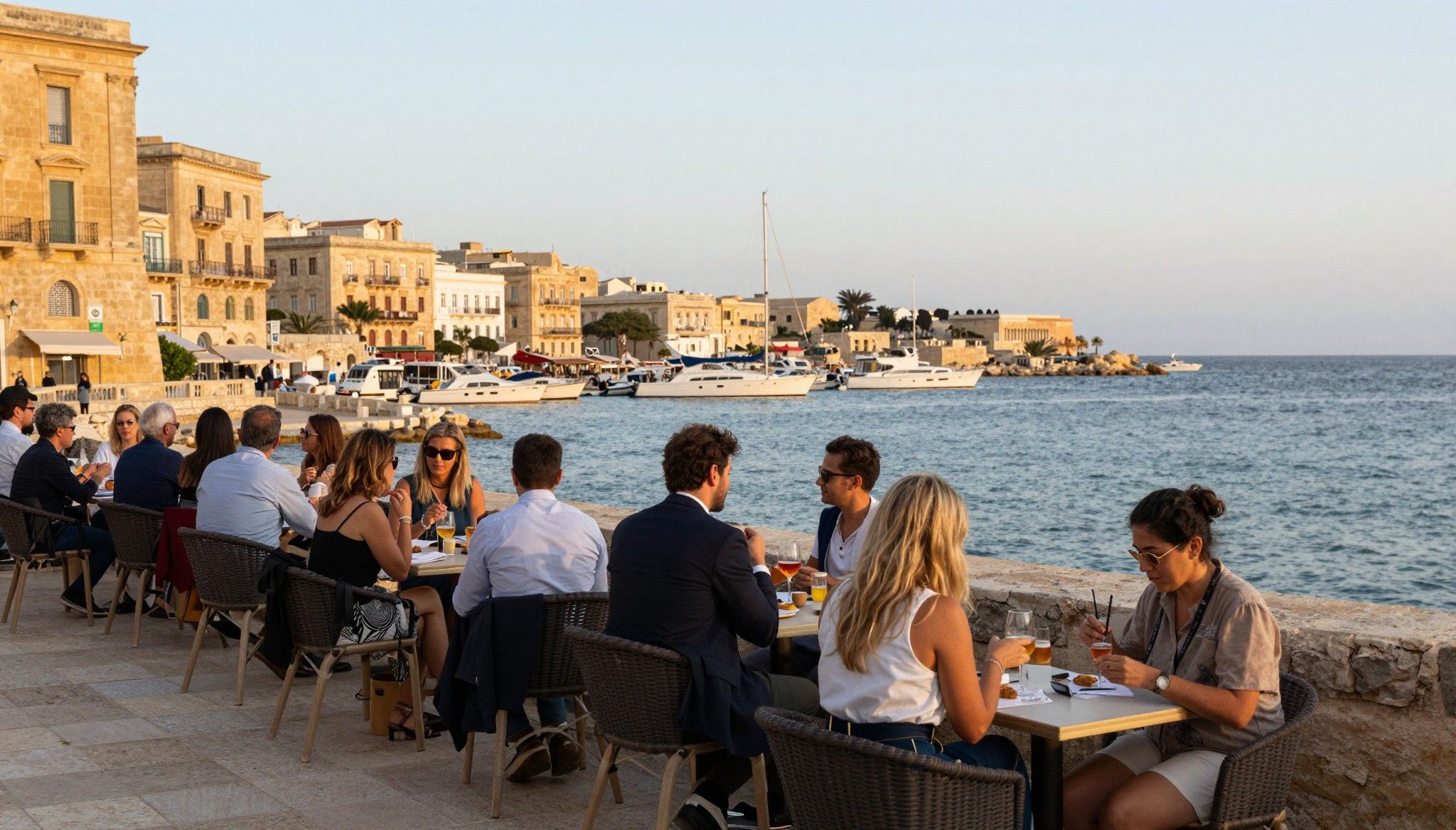
Along Sliema’s promenades and St Julian’s bays, café tables, yacht moorings and compact apartments dominate the narrative. The social life is immediate—restaurants, international schools nearby, and evening vibrancy. That convenience carries a premium, and recent market commentary records sustained demand in these districts. For buyers who prize community and walkability, the coast is alluring. For those seeking scale, gardens and quieter streets a few blocks inland frequently deliver better square‑metre value.
- Lifestyle highlights: outdoor markets, seafront cafés, historic promenades, quiet artisan workshops, island weekend escapes, and community festivals.
Making the move: practical considerations
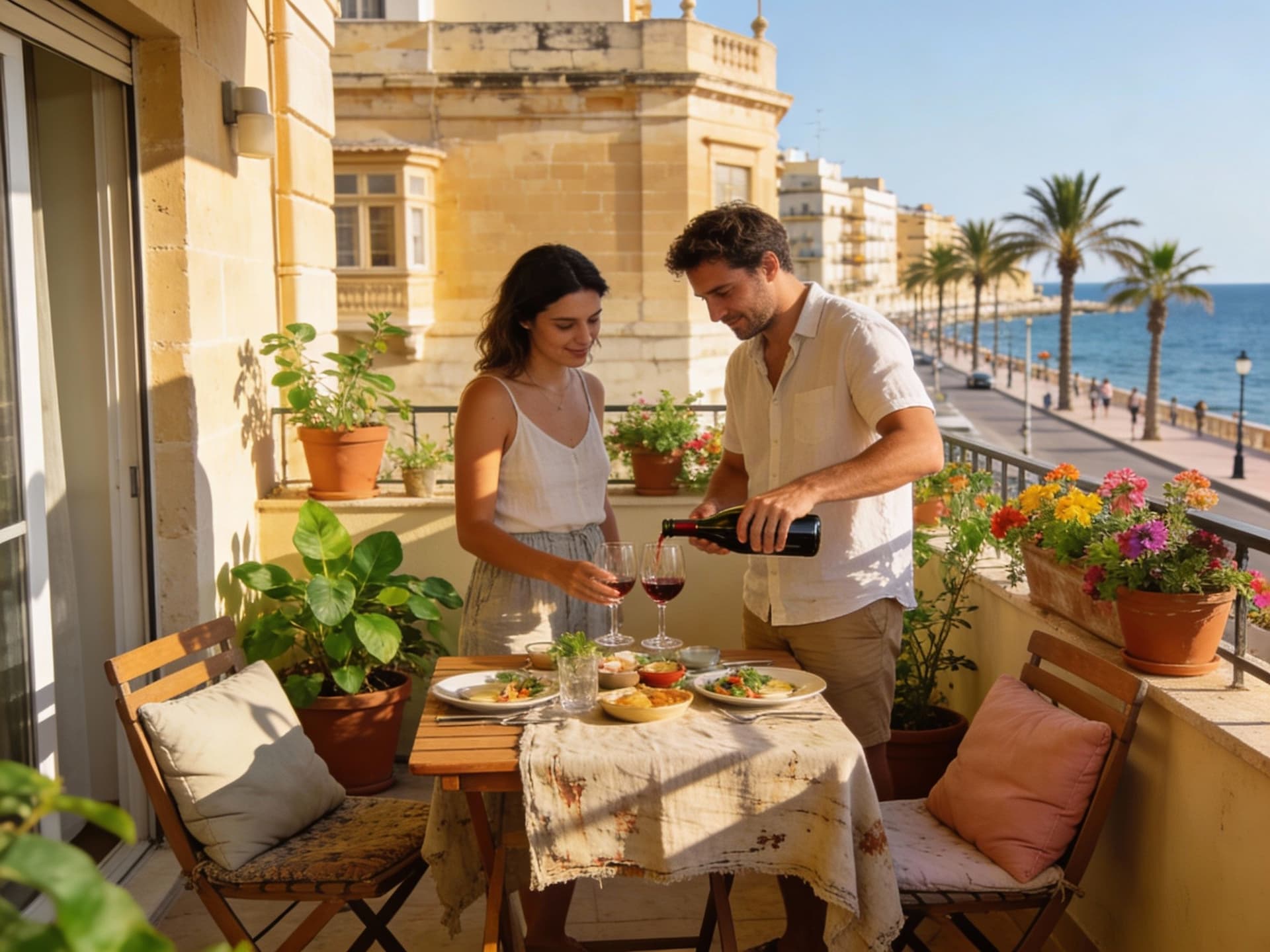
Dreams must meet data. Malta’s property index shows steady annual growth in recent quarters, which affects timing and negotiation. A frank conversation with a local agent will identify where market momentum is strongest—and where it has already been priced in. For international buyers, the question is not whether prices rise, but where your lifestyle objectives and price trajectory align.
Property styles and how they shape life
Choose a maisonette for street‑level living and private entrance; a town apartment for proximity to cafés and harbour views; or a converted farmhouse in the south for gardens and space. Each type requires different upkeep—stone façades demand periodic repointing; timber balconies need attention; rooftop terraces need waterproofing—so acquisition cost must include stewardship.
Working with local experts who know the rhythm
- 1. Ask agents for recent comparable sales on the exact street, not the neighbourhood. 2. Request evidence of ongoing maintenance costs—materials, craftsmen availability, and seasonal work. 3. Confirm title and permit history for alterations and rooftop additions. 4. Visit in two seasons: high summer and a quieter winter weekend to assess year‑round livability. 5. Consider management solutions that respect the house as a residence rather than a short‑let asset.
Insider knowledge: what expats wish they’d known
Expats speak of Malta’s clarity—the widespread use of English, the quick transport between towns, and the convivial social calendar—but also of surprises: the maintenance endemic to historic properties, the intense local pride in community boundaries, and the way popular cafés can transform a street within a single season. Those who treat a purchase as stewardship rather than a short‑term flip find both civic goodwill and long‑term value.
Cultural integration and everyday practicalities
Learn a few Maltese phrases and attend local festas; both open doors. Expect neighbours to know each other. Practical life—recycling rules, bakery hours, council procedures—differs from larger countries: acclimatisation smooths daily life and helps when commissioning local trades for restorations.
Long‑term lifestyle and market sustainability
Malta’s small market means local policy, tourism shifts and foreign demand ripple quickly. Expect pockets of steady capital appreciation—central harbour districts, well‑restored heritage homes, and managed developments—and pockets where supply softens price growth. Longitudinal thinking—buying for the life you want and the area’s cultural resilience—tends to reward buyers more than chasing the most photographed façade.
- Red flags and refinements: limited title clarity, aggressive short‑let conversions nearby, recent cosmetic restorations without permits, rooftop additions lacking documentation.
A final note: in Malta the best purchases often sit one or two streets back from the headline address. They offer the same morning light, better proportions, and a quieter cadence. Visit, listen to the street, and let stewardship—materials, craftsmen, historically sympathetic interventions—inform your offer. When you buy this way, you buy more than a home: you inherit a way of life.
Relocating from London to Mallorca in 2014, I guide UK buyers through cross-border investment and tax considerations. I specialise in provenance, design integrity, and long-term value.