Greece: Where Daily Life Shapes Smart Property Moves
A lifestyle-first look at Greece’s 2024–25 property trends: where daily life endures, which neighbourhoods retain residents, and practical steps to buy with stewardship.
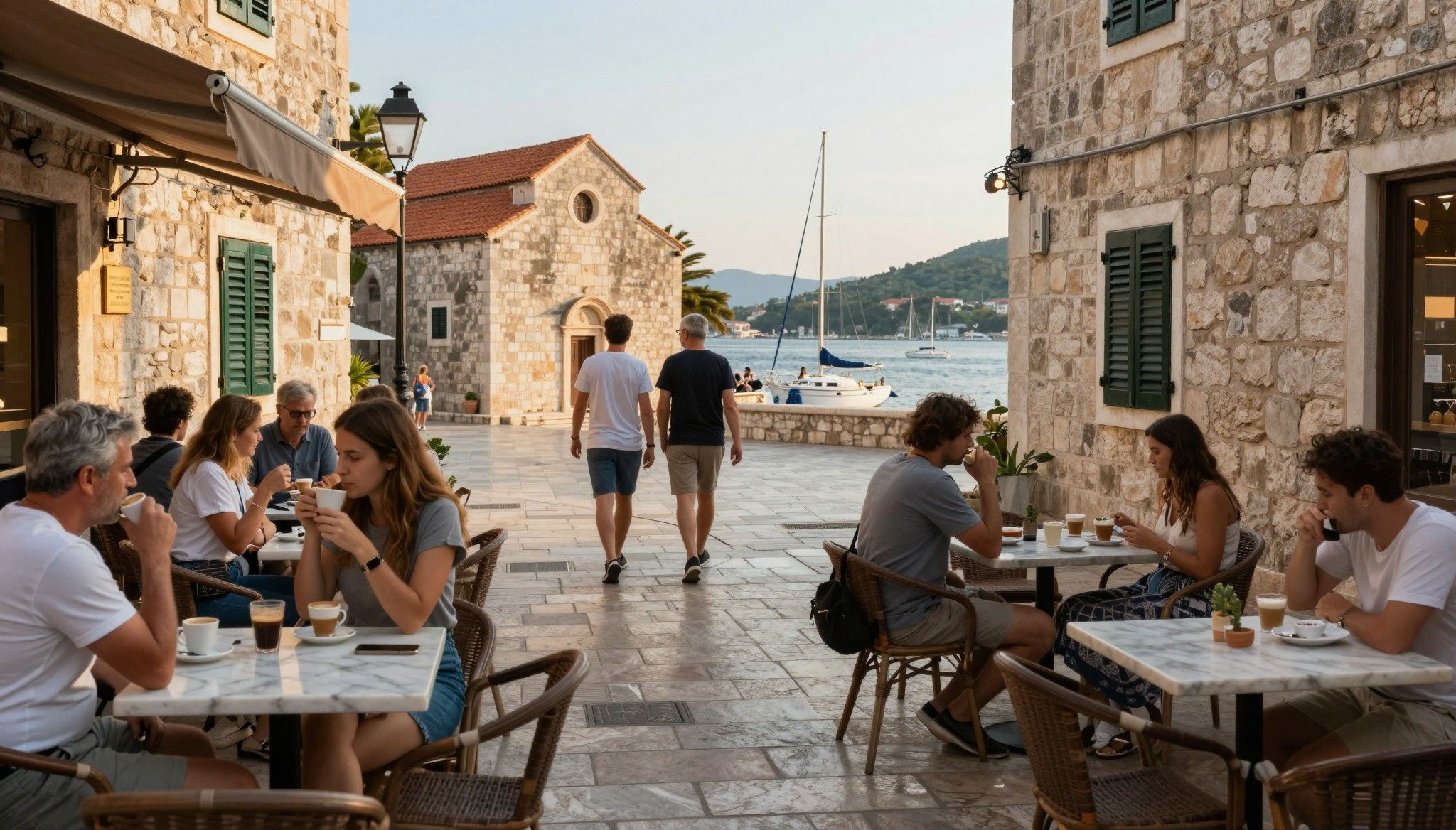
Imagine starting the day with espresso at a shaded table on Dionysiou Areopagitou, then wandering down to the Plaka where the limestone underfoot hums with centuries. In Greece, daily life folds classical poise—stone courtyards, late-afternoon markets, and a rhythm that privileges conversation over hurry—around varied geographies: the marble-gray austerity of Athens, the luminous Cycladic alleys, the pine-scented coves of the Ionian shore. These textures shape what you buy: an apartment in Koukaki feels different from a restored chorta stone house on Crete, yet both promise a lived-in elegance. For many international buyers, the decision is as much about a particular street and its café as it is about yields or legalities.
Living the Greek Life — Not a Postcard, but a Daily Habit
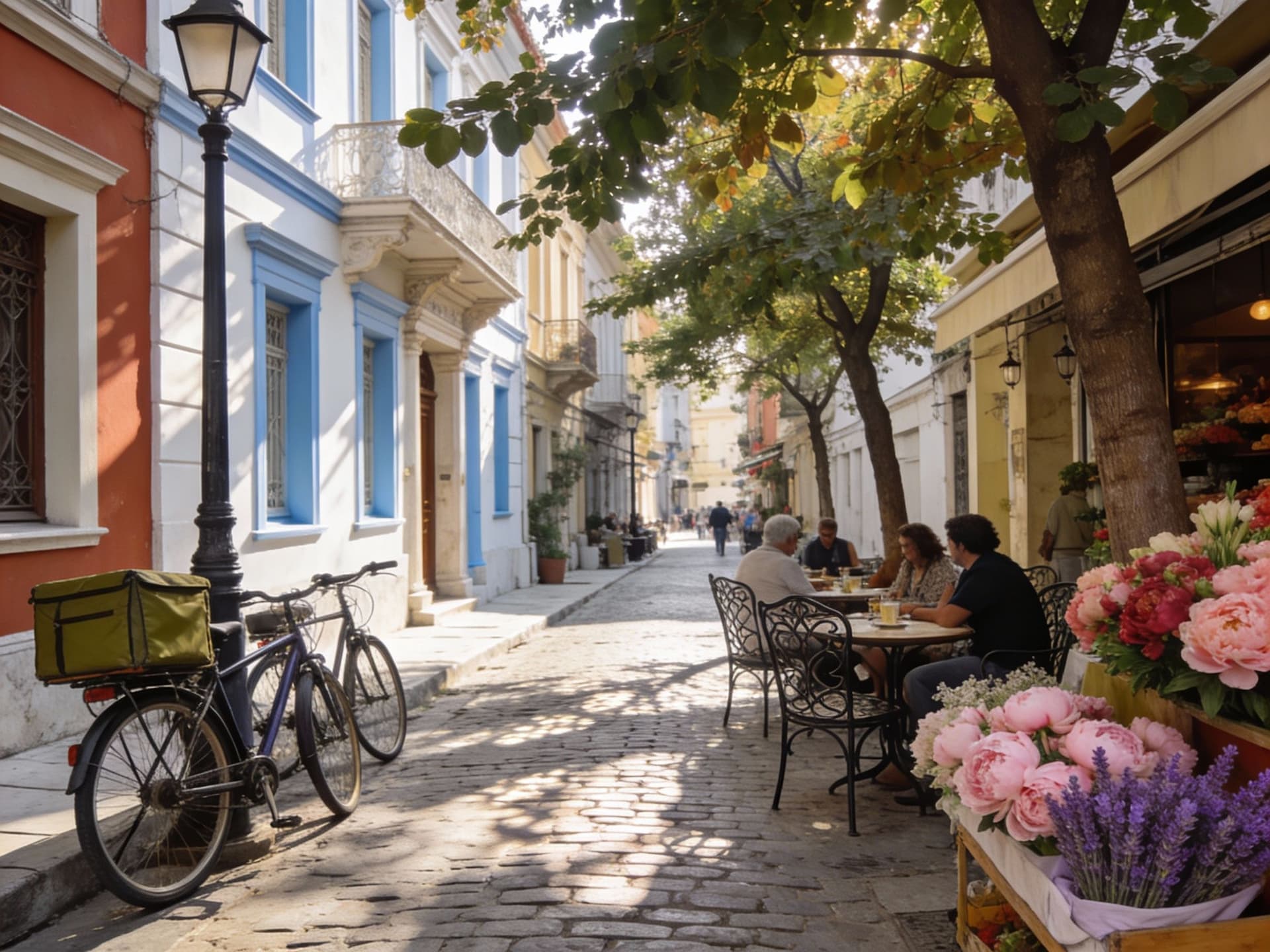
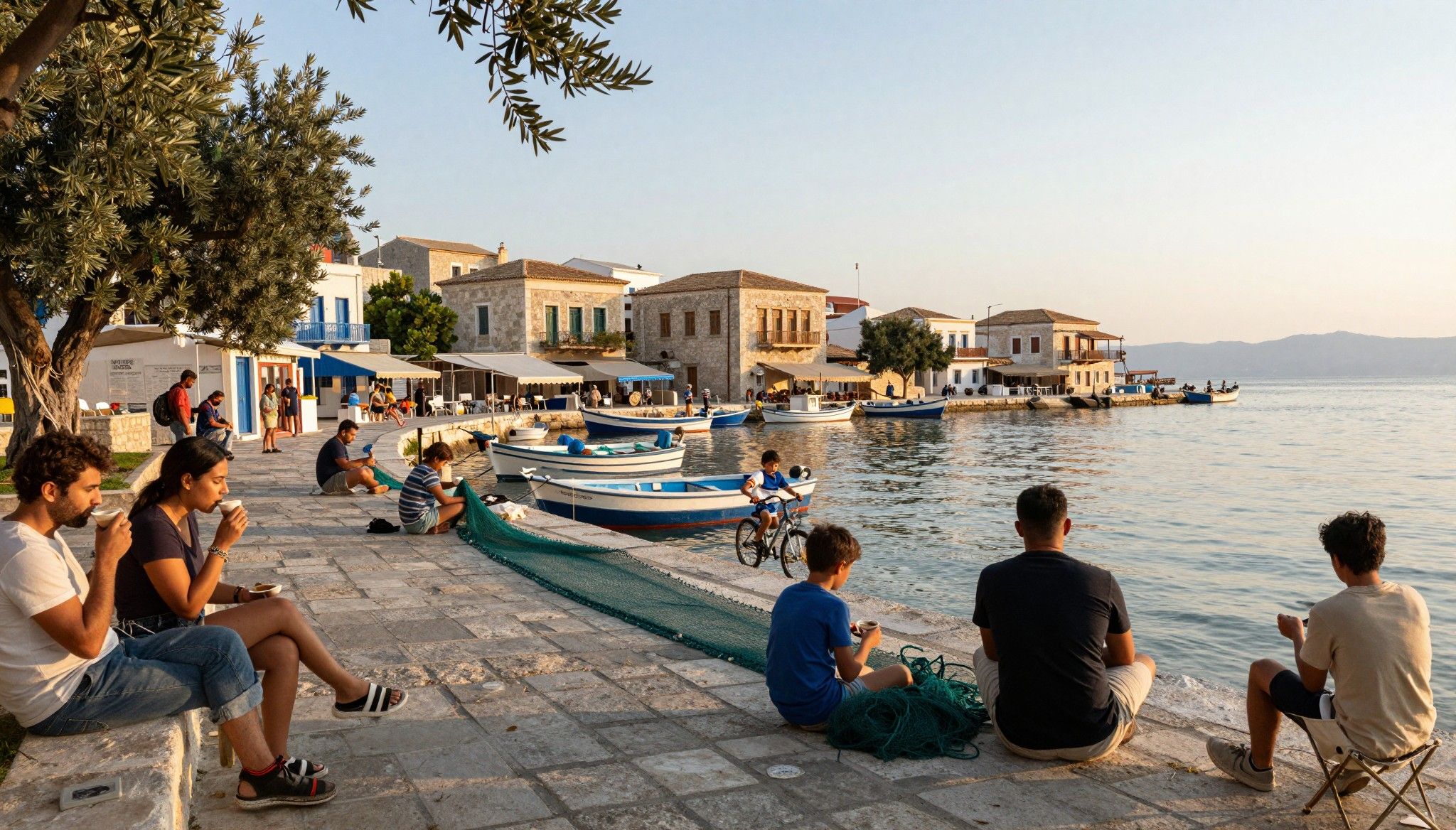
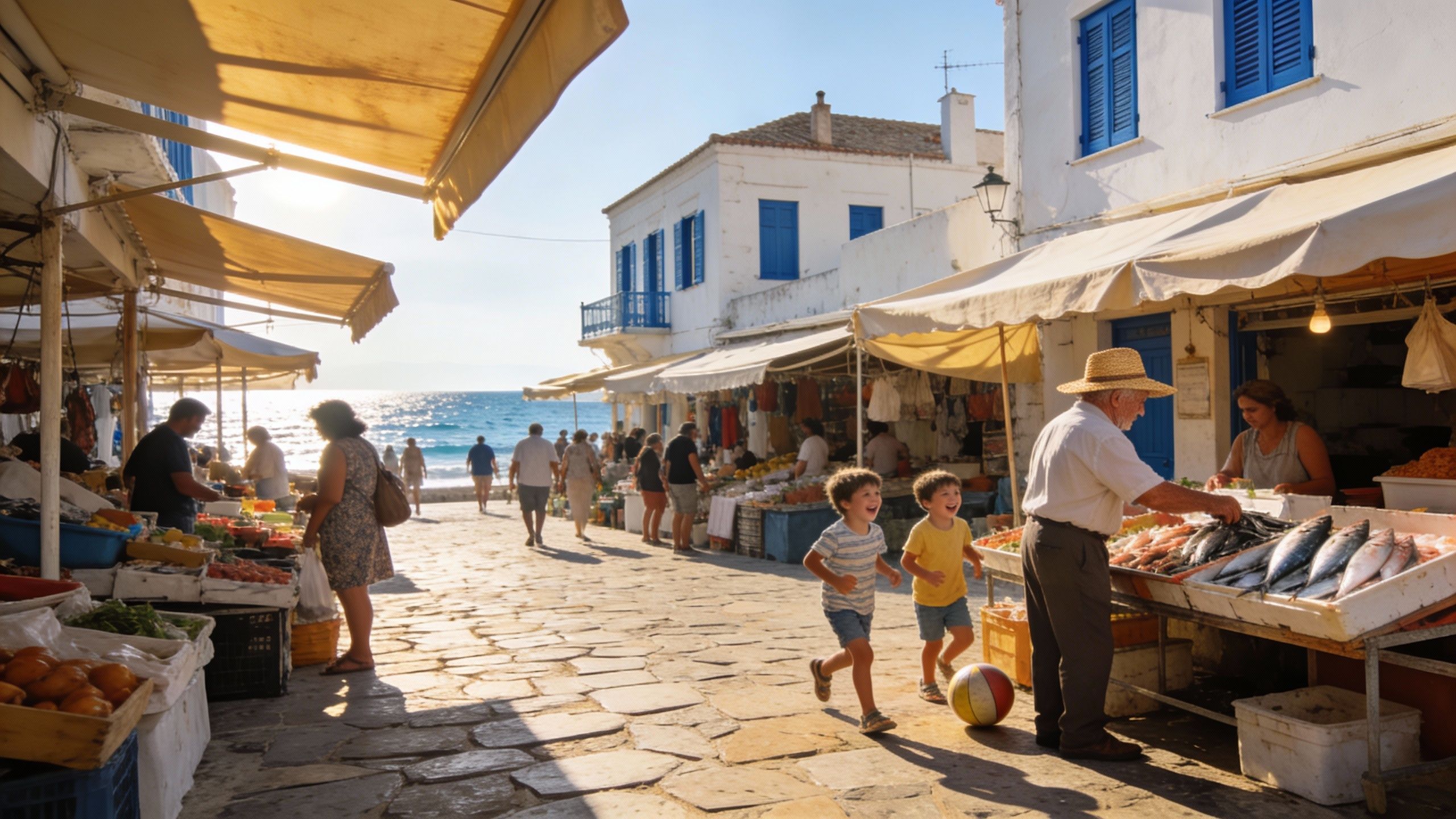
Greece is not a single lifestyle; it is a set of atmospheres. In Athens you hear scooters and opera rehearsals; in Mykonos you encounter high-season brilliance and quiet winters; in Nafplio the streets keep a provincial civility. Small details matter: the neighbourhood kafeneio where regulars discuss municipal news, the morning fish market in Chania that sets the day’s menu, or the municipal band practice in a square on a Sunday. When you live here, ritual replaces novelty—weekly pastry runs, seasonal taverna menus, and the municipal fête that everyone attends.
Athens neighbourhoods that feel like private worlds
Walk north from Syntagma and you enter Kolonaki’s quiet squares, galleries and bookshops; veer southeast and Koukaki’s narrow streets host new restaurants and preserved neoclassical façades. Buyers are increasingly choosing neighbourhoods where day-to-day life endures despite tourism—places where municipal restrictions on short-term rentals aim to preserve residential character. Understanding those local policies is essential: they alter who lives where and when, which in turn shapes long-term value and community life.
Islands and the choices they demand
The Cyclades are not interchangeable. Santorini is magnificent and fragile; its infrastructure strain and overtourism debates change where—and whether—you should buy. Paros and Naxos retain more local life and wider price variation. Crete and Corfu offer scale: extensive rural hinterlands where restoration projects reward patience. Choose an island by the life you want: village intimacy, cosmopolitan summer months, or year-round community.
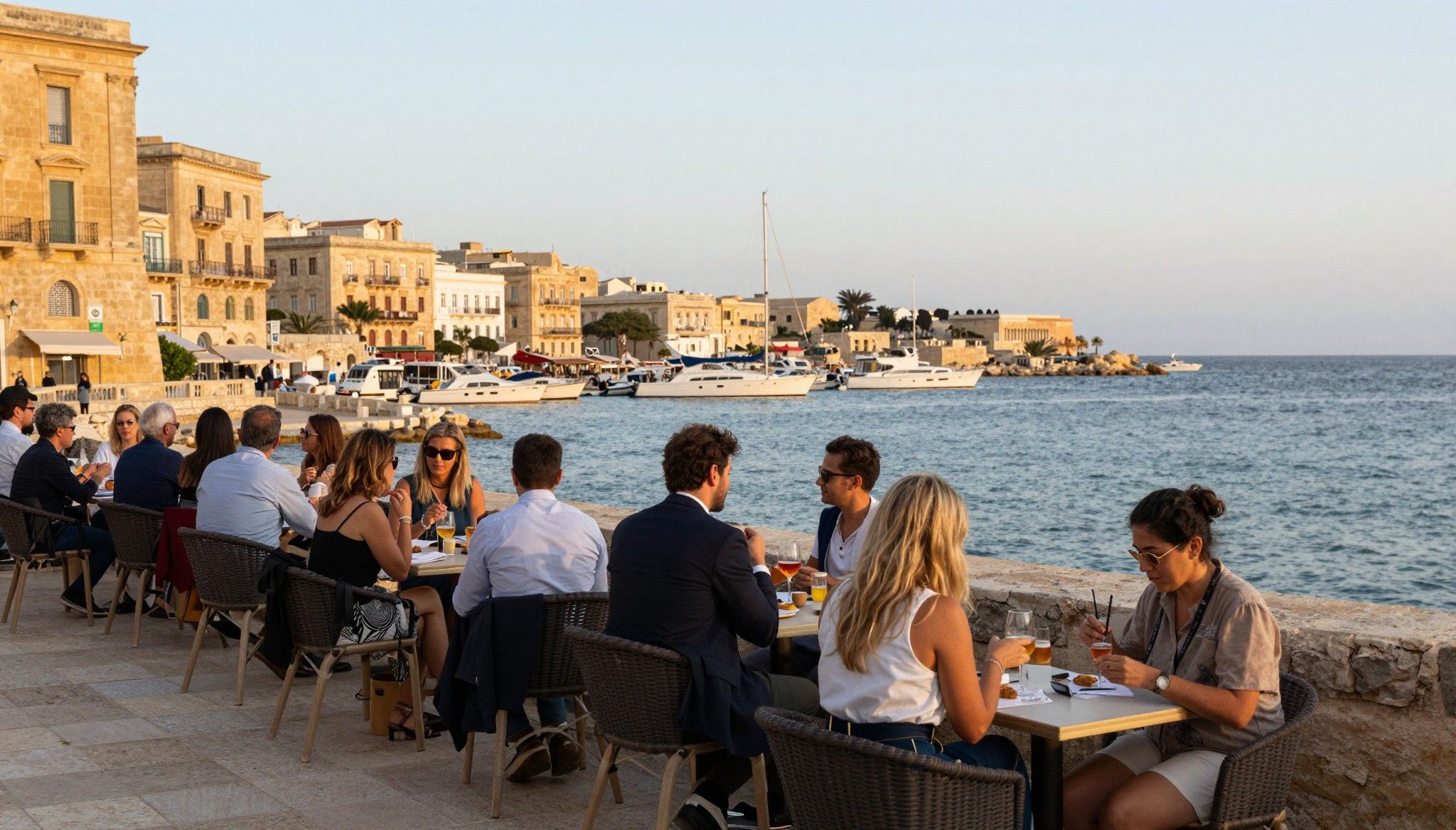
Morning fish market in Chania; late espresso at Kafenio Zoe, Plaka; Sunday band in Nafplio; evening aperitivo on Glyfada marina; hidden pebble cove at Agios Nikolaos
Making the Move: Practical Considerations that Preserve the Lifestyle
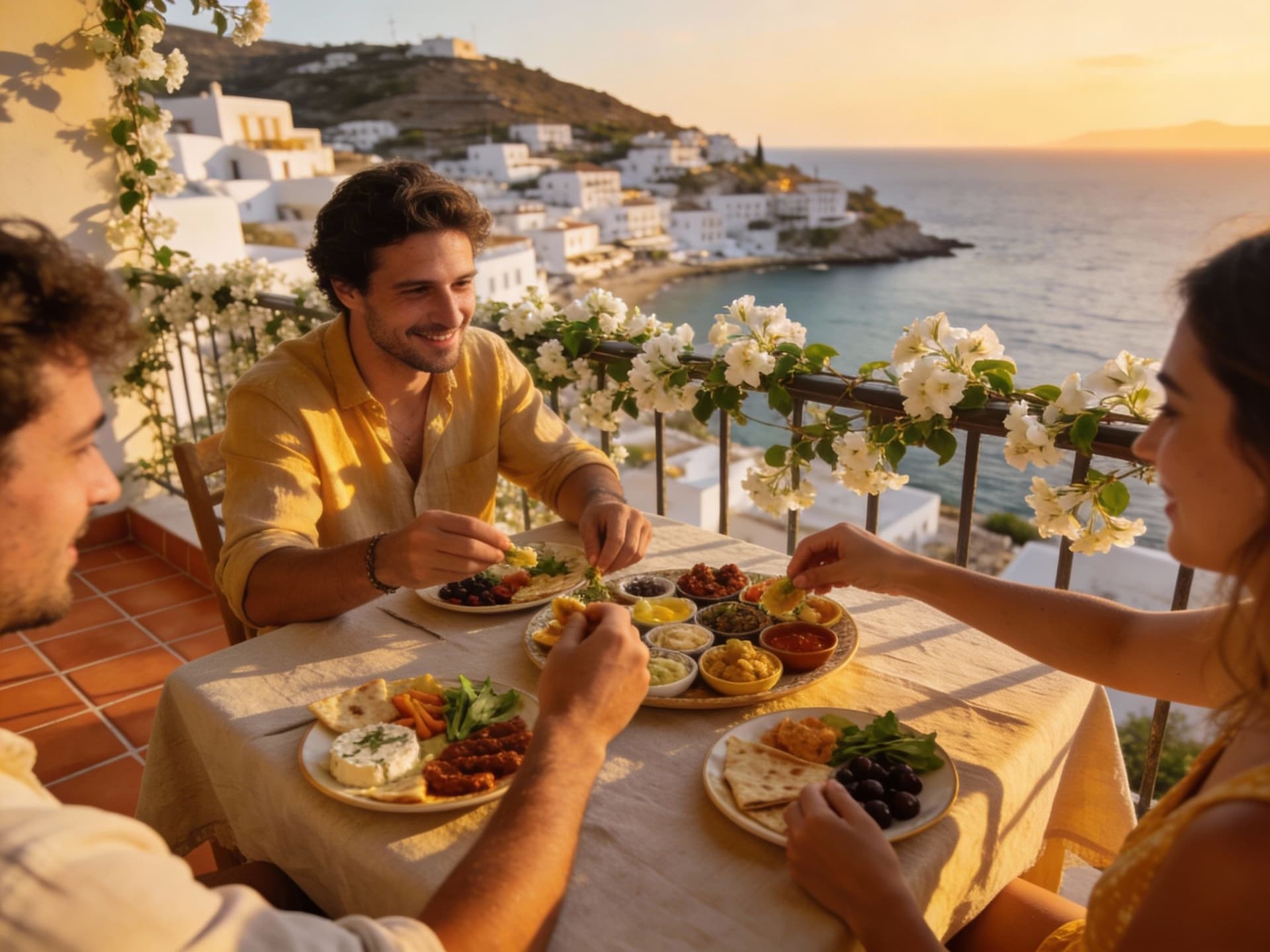
The romance must meet reality. Property prices across Greece rose in 2024, though momentum eased compared with 2023; central Athens rose more moderately than the islands, and tourist regions showed varied performance depending on supply constraints. For an investor who also intends to live in the property, that mix of price momentum and municipal policy determines both capital direction and the texture of neighbourhood life. Before committing, compare recent transactional data and local zoning changes that influence short-term rental viability.
Property types and how they affect daily life
A restored neoclassical Athens maisonette provides garden privacy and urban proximity; a Cycladic cave-style villa emphasizes light, whitewashed surfaces and passive cooling; a stone farmhouse in Mani brings acreage and seasonal solitude. These forms dictate not only maintenance and insurance but how you inhabit the home: terraces for long lunches, cisterns or boreholes for island water management, and insulation for winter in mountainous Peloponnese towns. Match form to routine—if morning markets and neighbours are priorities, a compact town property is often preferable to a remote estate.
How local experts protect the lifestyle you buy
Engage agents who live the neighbourhood: they know which streets retain residents in high season and which become transient. Insist on an agency that can produce utility records, evidence of regularised works, and a clear history of short‑term rental permissions. Ask for renovation provenance: which materials were used, who supervised structural works, and whether expert craftsmen were involved. Trust cross‑checked local testimony—kafenio owners, municipal clerks, and neighbours—as much as glossy listings.
Insider Knowledge: What Expats Wish They'd Known
Expat life here is generous and occasionally stubborn. Many newcomers underestimate how municipal rhythms—festivals, school calendars, ferry timetables—influence availability and prices. Foreign buyers have pushed demand in tourist corridors, altering both market composition and everyday life, and professionals surveyed expect demand to remain strong in 2025. Those who integrate best do so by cultivating local relationships: a trusted neighborhood locksmith, a baker who reserves a loaf, and a small repairer who knows the island’s particular stonework.
Language, community and the slow accumulation of belonging
You do not need fluent Greek to live well here, but a modest effort—greetings, menu phrases, basic conversation—changes the tenor of your days. Neighborhoods welcome those who attend festa days, patronise local shops, and show stewardship toward shared spaces. Expat communities gather around particular streets and cafés; they are helpful, but the deepest connections come from participation in local life. Expect the social integration curve to be gradual and richly rewarding.
Hidden practical realities to consider: seasonal water scarcity on small islands; municipal moratoria on short-term rental registrations in central Athens districts; higher maintenance cycles for seafront stone due to salt-air corrosion; the need for reliable local contractors for traditional restorations
In five years, the home you buy will either have deepened your life or complicated it. Choose with an eye to stewardship: select properties with clear provenance, durable materials, and neighbours committed to the same longevity. Work with an agency that can introduce you to the local artisans who maintain lime plaster, to the notary who understands regional titles, and to neighbours who will keep an eye on the place when you are away. These introductions are not peripheral; they are the architecture of a good life in Greece.
If you are drawn to Greece for the markets, the light, and the way life slows into memorable small rituals, take the next practical steps deliberately: visit in shoulder seasons to feel the neighbourhood without theatre; request transactional data for the micro‑area you like; and meet a local agent who lives on the street. Villa Curated partners can assemble the neighbourhood intelligence and stewardship-minded vendors you will need. Begin with a day in the place—an espresso, a market stroll, a conversation at a kafenio—and see whether the life itself asks you to stay.
Dutch former researcher who moved to Lisbon, specialising in investment strategy, heritage preservation, and cross-border portfolio stewardship.