Salt, Seismic Risk and Short‑lets: Insuring a Life in Croatia
How to pair Croatia’s irresistible coastal life with insurance and buyer‑protection strategies that reflect salt, seismics and seasonal rentals.
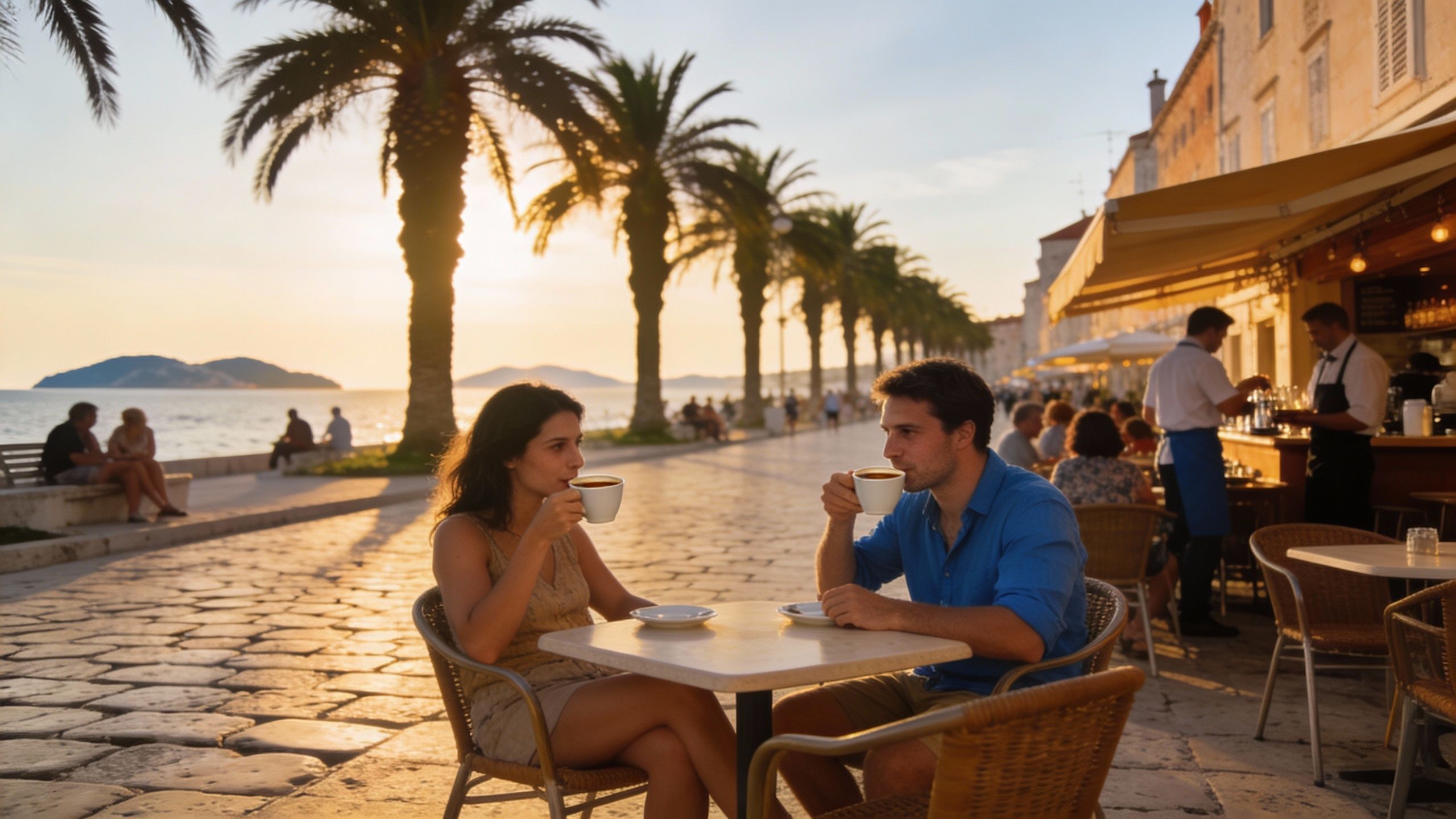
Imagine an early morning in Split: espresso steam rising on Marmontova, grout-dark stone warmed by first light, fishermen hauling in a small catch along the Riva. That sensory clarity explains why many of us fall for Croatia before we read a single statute. Yet the pleasures of Adriatic life—café rhythm, island solitude, market stalls piled with pršut and fresh sardines—meet practical realities the moment you sign a contract. This essay marries those two halves: the lived experience that draws buyers here and the insurance and buyer‑protection strategies that keep the dream intact.
Living the Croatia life
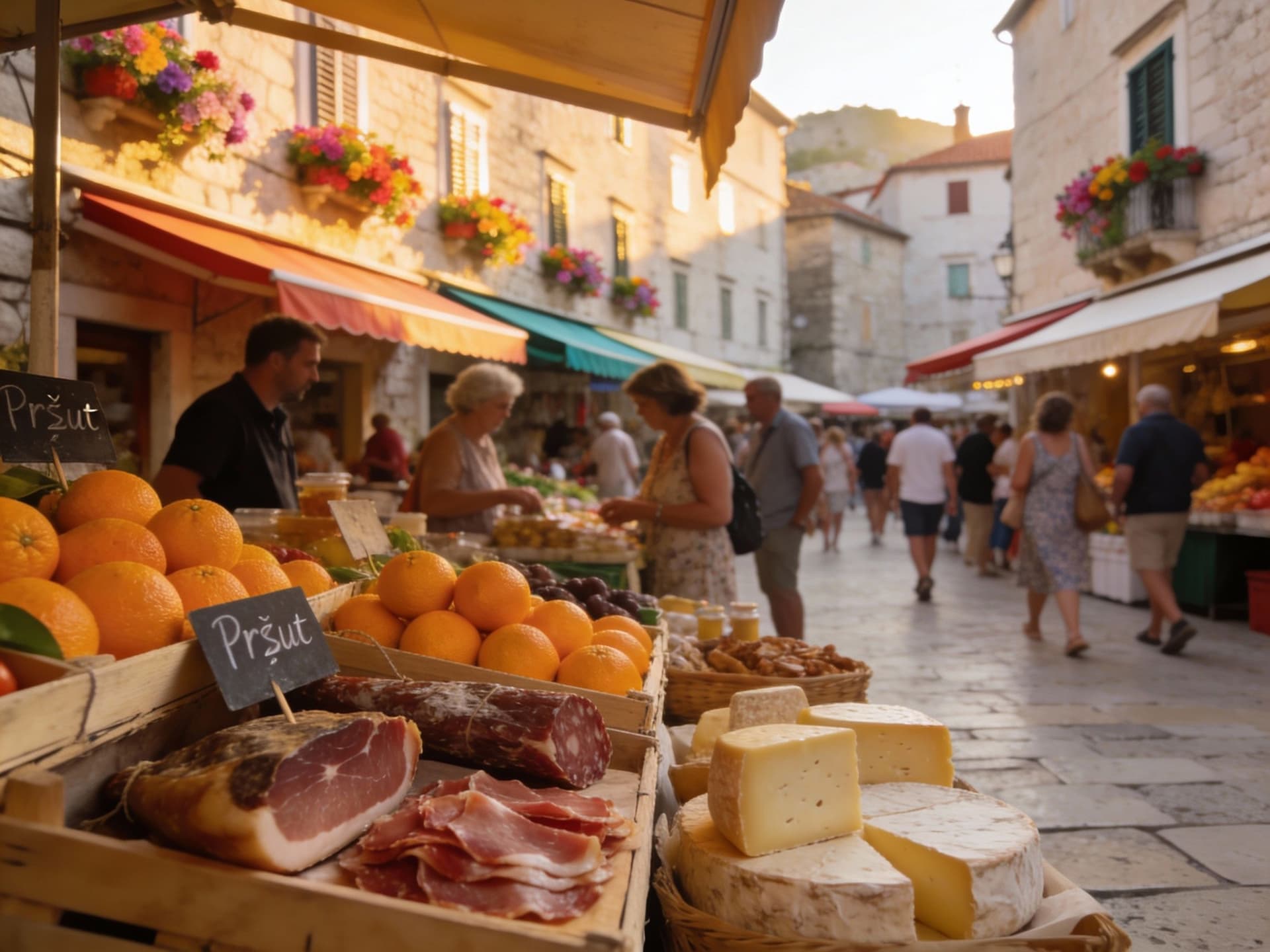
Croatia reads like two stories at once: terraced stone towns and a modern urbanity centred on Zagreb's galleries and contemporary cafés. Days are structured around sunlight and sea breeze on the coast, and around markets and theatres inland. The architecture ranges from austere Austro‑Hungarian façades in Istrian hill towns to baroque Dubrovnik palazzos and minimalist new-builds on the outskirts of Split. For buyers, the consequence is not simply taste but the type of risks you insure against—salt air and humidity on the coast, seismic exposure in Dalmatia, and differing service infrastructures between islands and mainland.
Coastal charms and practicalities: Dalmatia, Istria and islands
Walk the cobbled lanes of Hvar’s Stari Grad or the quieter backstreets of Rovinj and you quickly feel how maritime life shapes property needs. Terraced gardens, stone roofs, and proximity to the sea demand policies that cover salt corrosion, storm damage, and, increasingly, tourist‑related liability if you plan short lets. On islands such as Brač, supply chains for repairs are slower and insurers may price in transport costs; on the Istrian peninsula, properties often carry a different restoration pedigree and therefore different replacement‑value calculations.
Urban rhythm: Zagreb, Rijeka and inland life
Zagreb offers a different rhythm—morning trams, art nouveau façades, and an economy that keeps housing demand firm; national statistics show sustained price growth in 2024. Inland, properties often have larger plots and a different list of hazards: flooding in river valleys, older masonry requiring specialised restorations, and variable municipal permitting practices. These factors change not only how you live but what sensible insurance cover should cost and what exclusions to watch for.
- Lifestyle highlights to seek when choosing location and protection
- Morning espresso culture on the Riva, or quieter inland markets in Varazdin — choose a policy that reflects daily exposure to tourists and public footfall.
- Historic stone houses in Korčula — prioritise restoration coverage and agreed replacement values with architects’ estimates.
- New builds near Zagreb’s universities — add landlord liability and legal‑expenses cover if you rent to students or short‑term tenants.
Making the move: practical considerations
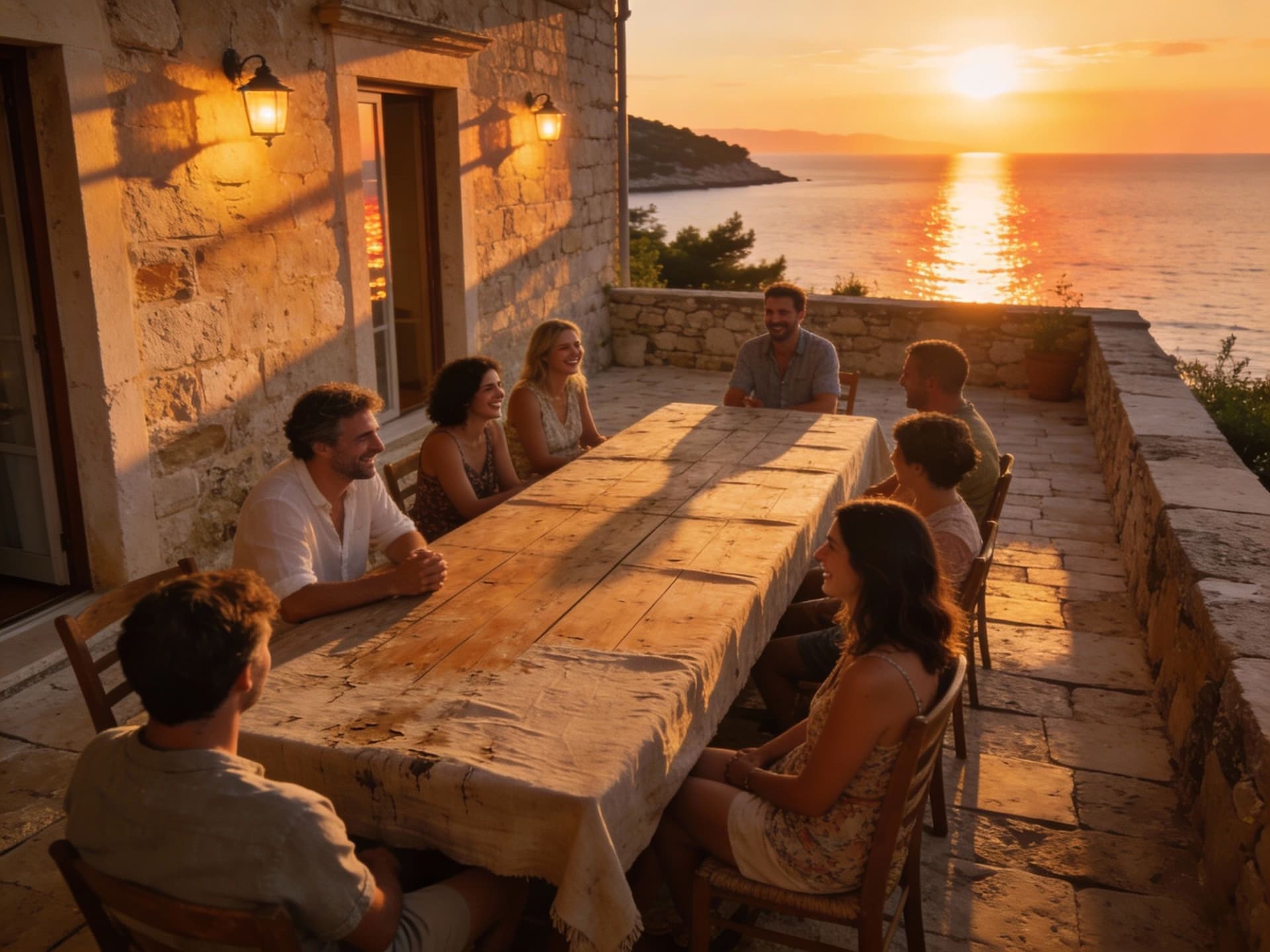
Dreams meet paperwork the moment you commit. Croatia levies a 3% real‑estate transfer tax when VAT does not apply; knowing this early lets you structure price negotiations and calculate post‑purchase cash flow. Insurance is only one layer of protection—title clarity, notarial oversight and an understanding of local tax timing all reduce the chance that an otherwise perfect seaside house becomes a costly lesson.
Property types and the cover they need
Whether a restored stone villa in Dubrovnik or a contemporary apartment in Split, insurers will separate building cover from contents and liability. Many Croatian insurers now add optional seismic cover—relevant after recent regional events—and offer “original‑value” content replacement clauses rather than depreciated settlements. Compare policies for named perils versus all‑risk wording, and ensure any optional clauses (private liability for guests, loss of rental income, emergency repairs) match how you intend to use the home.
Working with local experts who know both life and law
A local broker and a locally experienced lawyer are not luxuries; they translate municipal practice into secure policy language. Agencies that curate properties often maintain preferred‑provider relationships with insurers and surveyors—useful when you want agreed replacement values and rapid claims handling. For expatriates, ask agencies whether they assist with bilingual policy documents and whether insurers accept foreign bank guarantees for excesses or premiums.
- Steps to protect a coastal or historic property in Croatia
- Commission a structural and saline‑exposure survey; use its report to set rebuilding costs in the policy.
- Secure a title opinion from a notary and confirm whether VAT or transfer tax applies (this affects your purchase cost and thus insurance valuation).
- Obtain multi‑risk cover that includes flood, storm, fire, and optional seismic protection; agree an indexation clause to avoid underinsurance as market values rise.
- Add liability and legal‑expenses cover if you will rent the property short term; keep guest inventories and safety certificates to expedite claims.
Insider knowledge: what expats wish they'd known
Many expats tell a familiar story: they fell for a place and then learned the subtle local frictions—seasonal tourism pressure, higher costs for island repairs, or a gap between replacement‑value estimates and actual market prices. National statistics show house prices have continued to rise through 2024, a reminder that indexation in your policy prevents erosion of cover as values climb. Simple administrative items—where to pay premiums, whether insurers accept foreign‑issued bank details—can slow a claim; confirm these details before you sign.
Cultural cues that affect protection and risk
Croatian life values privacy and neighbourliness; yet the island hospitality that charms visitors can bring extra liability exposure when properties host guests. Local festivals—summer open‑air concerts, town saints’ days—create high footfall and occasional accidental damage. Tailor policies to include guest liability and short‑let cover if you plan seasonal rentals, and maintain clear house rules and guest registers to limit disputes.
Longer horizon: stewardship and the right protection
Think in decades. Good insurance is stewardship: agreed‑value clauses, documented restorations, and scheduled inspections preserve both the house and its market. If you consider the property a generational asset, budget for regular professional condition reports and keep restoration receipts; these not only smooth claims but strengthen provenance when you eventually sell.
Conclusion: fall for the place, protect the life you want to live. Croatia rewards those who know its seasons, streets and statutes. Begin with a sensory visit—walk Ulica Sv. Dominika in Dubrovnik, buy fish at Split’s Pazar, linger at a café in Trogir—and return to practicalities: a survey, a notary, a tailored multi‑risk policy and a local broker who understands islands, salt and short‑lets. When lifestyle and protection align, the house becomes a home you can keep with confidence.
Former Copenhagen architect who relocated to Provence, offering relocation services, market analysis, and a curator’s eye for authentic regional design.