Cyprus: When 5% VAT Becomes a Costly Mistake
How Cyprus’s generous 5% VAT and transfer‑fee rules can become advantages—or costly traps—if you miss size, value or residency conditions. Practical steps and local sources included.

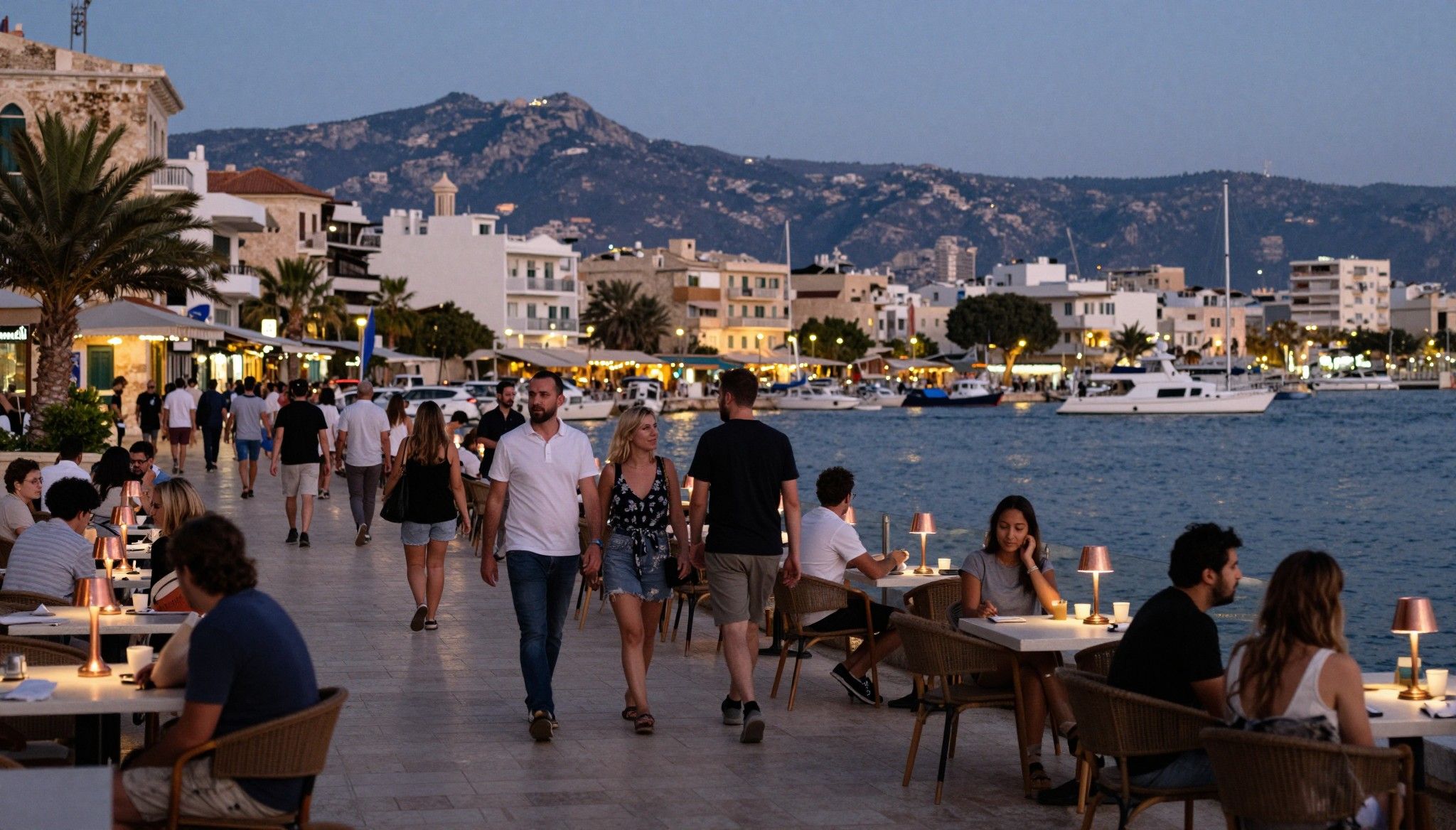
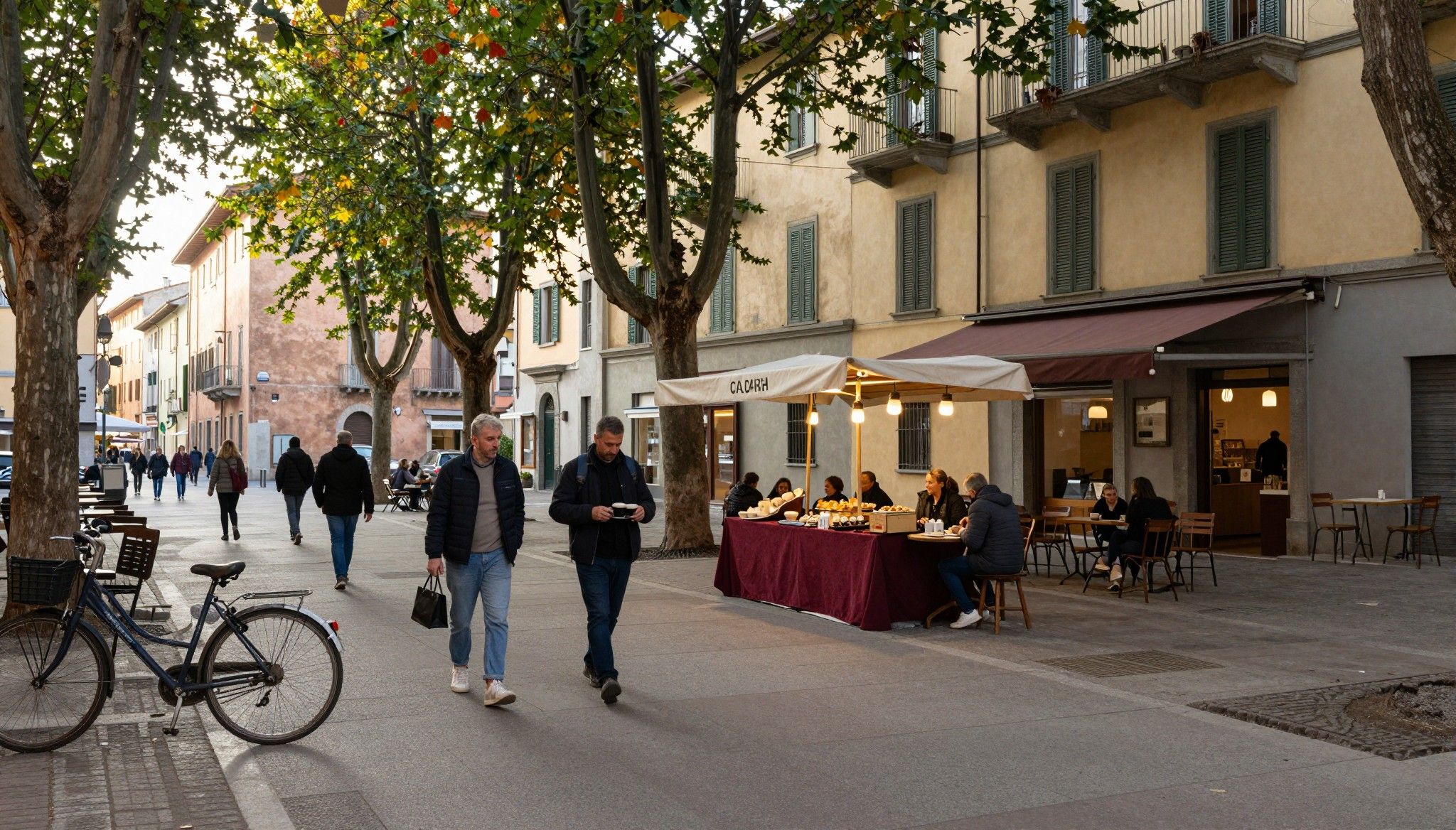
Imagine an early morning in Limassol: espresso steam rising outside a corner kafeneio on Anexartisias, fishermen unloading the day’s catch at the old port and a quiet registry office where a title deed will change hands. Cyprus has a pace and clarity to its days—sea light, village fêtes, and an economy that still surprises international buyers with practical tax choices and traps.
Living the Cypriot life — sunlit texture and specific streets

Cyprus is not a single lifestyle but several folded together: the salt‑air life of Limassol’s Molos promenade and Old Port; the quiet terraces of Paphos’ Kato Paphos where mornings smell of bakeries on Poseidonos Avenue; and the slow, olive‑shaded ritual of mountain villages such as Omodos. These are places where architecture—neoclassical townhouses, stone village cottages, restrained modern villas—meets daily habit: coffee at 10, siesta rhythms, and long dinners that begin late.
Limassol and Germasogeia: coastal rhythm and urban discretion
Walk down Anexartisias for boutique silversmiths and toward Germasogeia for beaches and quiet residential streets. Buyers often prize small blocks with high‑quality finishes rather than headline penthouses; the neighbourhood balance between discreet privacy and a lively café scene defines long‑term pleasure more than the view.
Paphos and Troodos: heritage, markets and seasonal life
Paphos’ medieval lanes, the municipal market on Makarios Avenue and the vineyards of the Troodos foothills shape a very different rhythm: weekend souvlaki, church festivals and autumn grape harvests. For buyers who prize provenance and craft, a restored stone house in Omodos or a villa near Kato Paphos can deliver immediate cultural belonging.
Making the move: the tax realities behind the romance

The romance of cafés and coast is easy; the practicalities are less showy but decisive. Recent reforms to Cyprus’s VAT rules, transfer‑fee structure and active tax‑department reviews mean a purchase that looks attractive on paper can become costly if you assume old rules still apply. Read local deadlines, size caps and residency conditions carefully before you sign.
The VAT nuance that often becomes a trap
A reduced 5% VAT can make a new home materially cheaper—but only within precise limits: the first 130 m² of buildable area, value ceilings (commonly cited at €350,000 for full benefit) and total area/value caps that can convert the whole purchase to the standard 19% if exceeded. Transitional rules also impose deadlines for declarations and retrospective recoveries by the Tax Department. That haircut is generous when conditions are met; perilous when an upgrade, rental or later sale breaches the terms.
Transfer fees, stamp duty and where buyers miscalculate
Transfer fees (3%–8% on tiers of value), stamp duty at contract signing and solicitor costs are predictable but add materially to the headline price. A common savvy—buying as co‑owners to halve each share’s fee—works, but only with careful legal drafting. If VAT has been paid on a new build, the transfer fee is usually exempt; that relationship between VAT and registry fees is one reason structure—not just price—matters.
Insider knowledge: what expats wish they’d known
Expats often tell the same story: a small legal oversight (an incorrect VAT declaration, an informal lease, a misunderstood residency promise) turned a promising purchase into months of remediation. Equally common is a pleasant surprise—neighbourhoods locals prize, like Old Limassol lanes or quiet Kaimakli streets in Nicosia, deliver lifestyle dividends that spreadsheets miss.
Cultural and practical integration
Language is forgiving—English is widely used in business and legal settings—but understanding local customs (formal contract signing, the role of the notary‑style lawyer, municipal permit rhythms) smooths purchase timelines. Attend a local market, ask about neighbourhood festivals and you’ll learn what small details—orientation of the terrace, timing of sea breezes—mean for daily life.
Long‑term stewardship and tax vigilance
Think like a steward: tax advantages tied to primary residence status require ongoing compliance. If you later rent, renovate beyond permitted size, or fail to declare a change in use, expect recovery actions. That obligation is part of buying in Cyprus—tax benefits are generous when respected.
Practical checklist before signing
Before you sign, obtain a written VAT position from the developer or vendor, confirm transfer‑fee exposure with your lawyer, and request recent tax‑department clearance certificates where available. Verify planning permissions and that the buildable area used for VAT calculations matches the as‑built floor plans you will sign for.
Working with local advisers who protect lifestyle value
A local solicitor fluent in property tax, a chartered accountant familiar with cross‑border residency rules and an agency that values provenance will preserve both the lifestyle you seek and the value of the asset. Agencies are most helpful when they present trade‑offs—how a larger terrace affects VAT, or how a rental plan affects your residency declaration.
- Checklist: immediate steps for confident buying
- Obtain a formal VAT position and any reduced‑rate certificates
- Ask your lawyer to calculate transfer fees on the market value, not just contract price
- Confirm planning permissions and compare architectural plans to final survey measurements
- Budget for legal fees (1–2%), stamp duty and potential VAT clawbacks if use changes
- Step‑by‑step for a secure transaction
- 1. Secure a written statement from vendor/developer on VAT status and any reduced‑rate certificates.
- 2. Instruct a Cyprus solicitor to perform title searches and calculate transfer fees based on current market value.
- 3. Arrange a tax consultation on residency implications if you plan to claim primary‑residence VAT benefits.
- 4. Have an independent surveyor confirm built‑area measurements against VAT‑eligible figures before completion.
Conclusion — the lifestyle prize and a clear path
Cyprus offers a life shaped by light, market mornings and evenings that unfold slowly. The tax system rewards that life when buyers respect its rules. Treat the 5% VAT as an invitation that comes with precise terms; structure the purchase with local advisers who protect both your daily happiness and the asset’s integrity. A well‑chosen Limassol lane or Troodos stone house can be both a lived pleasure and a stewarded investment.
Dutch former researcher who moved to Lisbon, specialising in investment strategy, heritage preservation, and cross-border portfolio stewardship.