Riviera or Interior? Where Greece's Quiet Value Grows
Contrasting Athens’ Riviera with inland and island pockets: how lifestyle choices and recent market data reveal quieter, often better value in Greece.
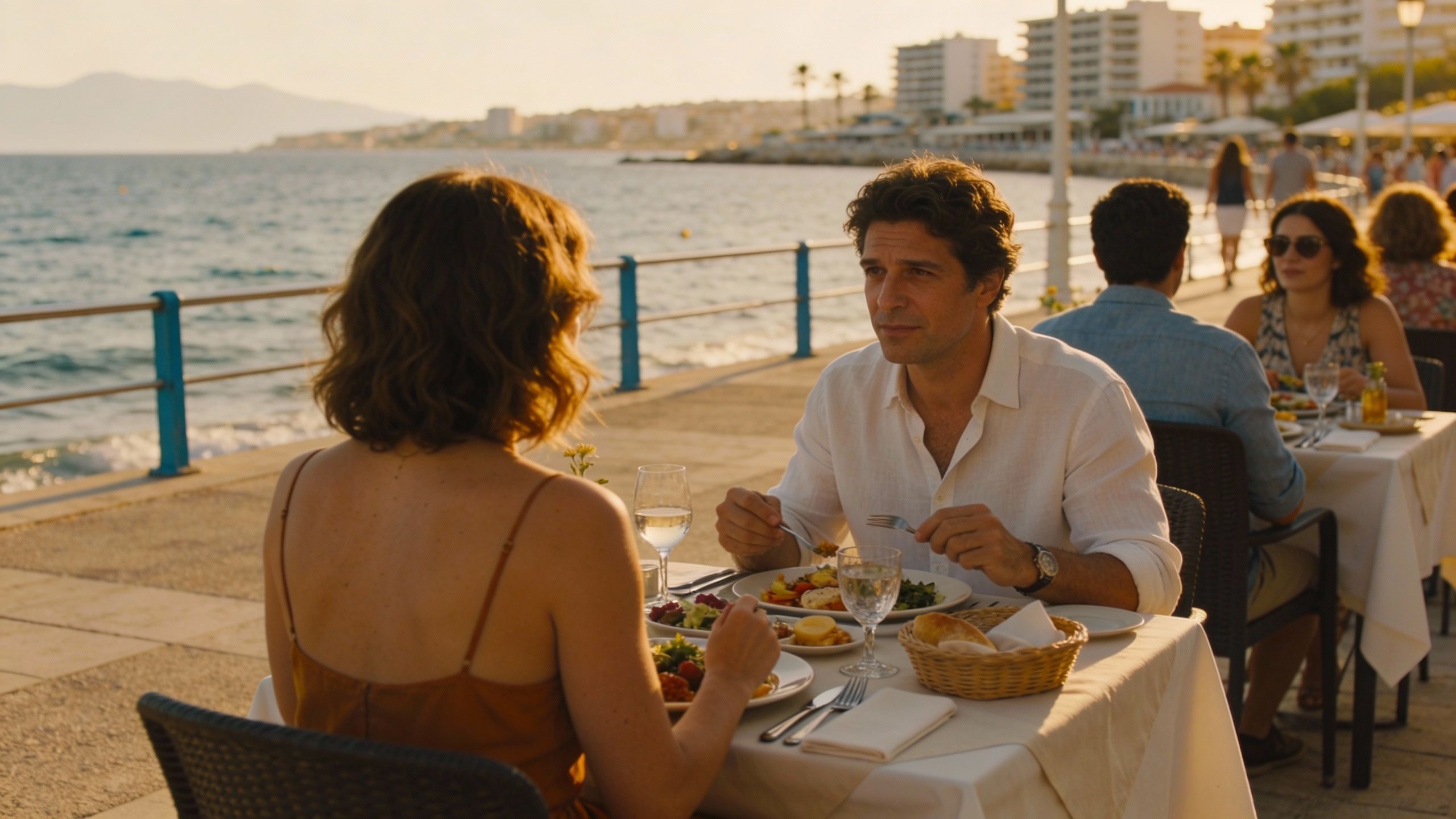
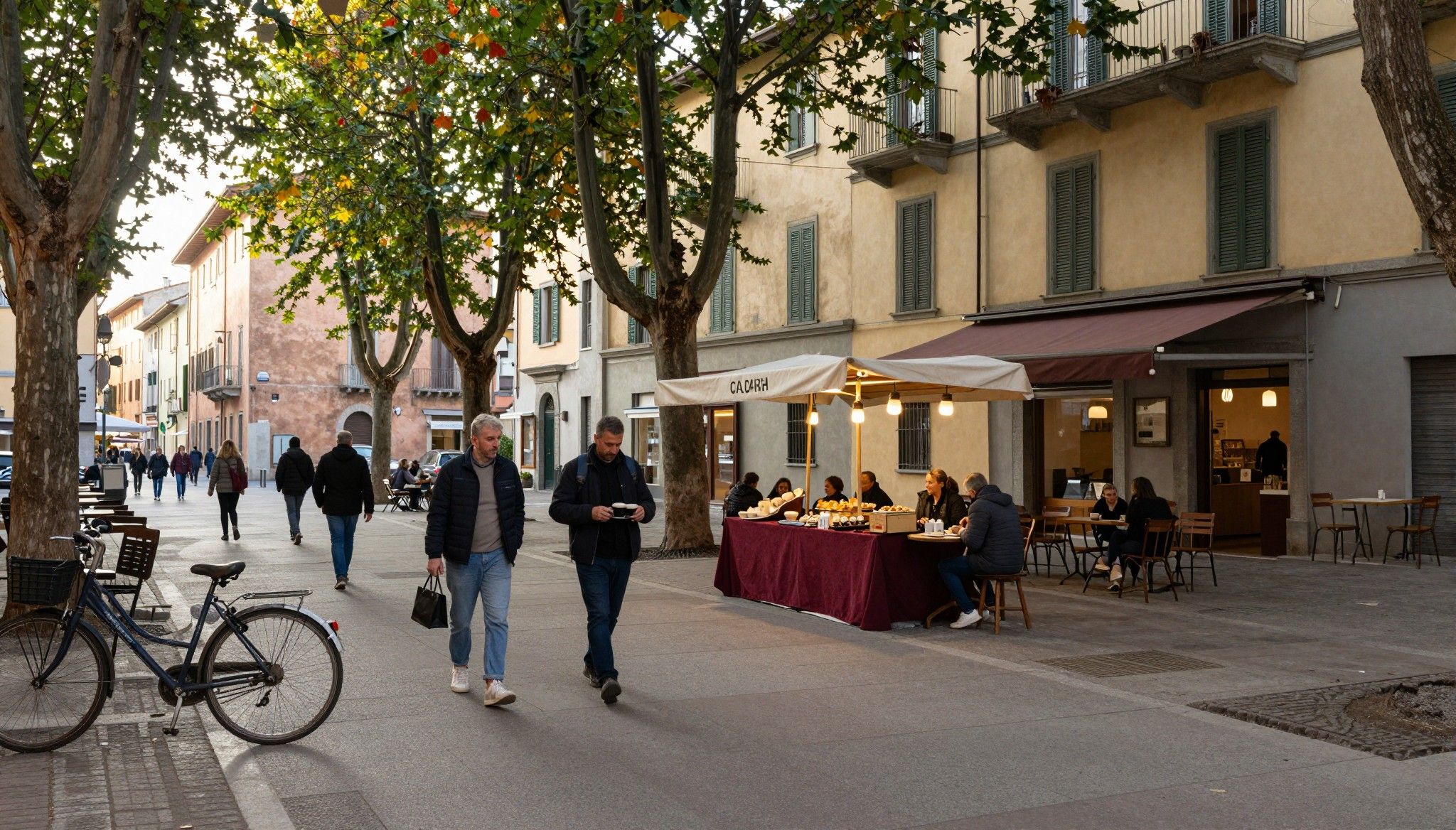
Imagine an early morning in Athens: a barista pulls espresso on a narrow street in Koukaki, sea salt still on the air from the nearby Riviera, while a local markets its catch along a quieter lane inland. In Greece the life you buy is as much about routine—coffee at dawn, a late taverna supper, a walk past Byzantine churches—as it is about square metres and views. Yet many international buyers arrive with two simple assumptions: that coastal addresses are the only desirable options, and that islands always command the best long‑term returns. Both assumptions deserve a rethink; recent market signals and on‑the‑ground nuance point to under‑appreciated value away from headline waterfronts.
Living the Greece lifestyle
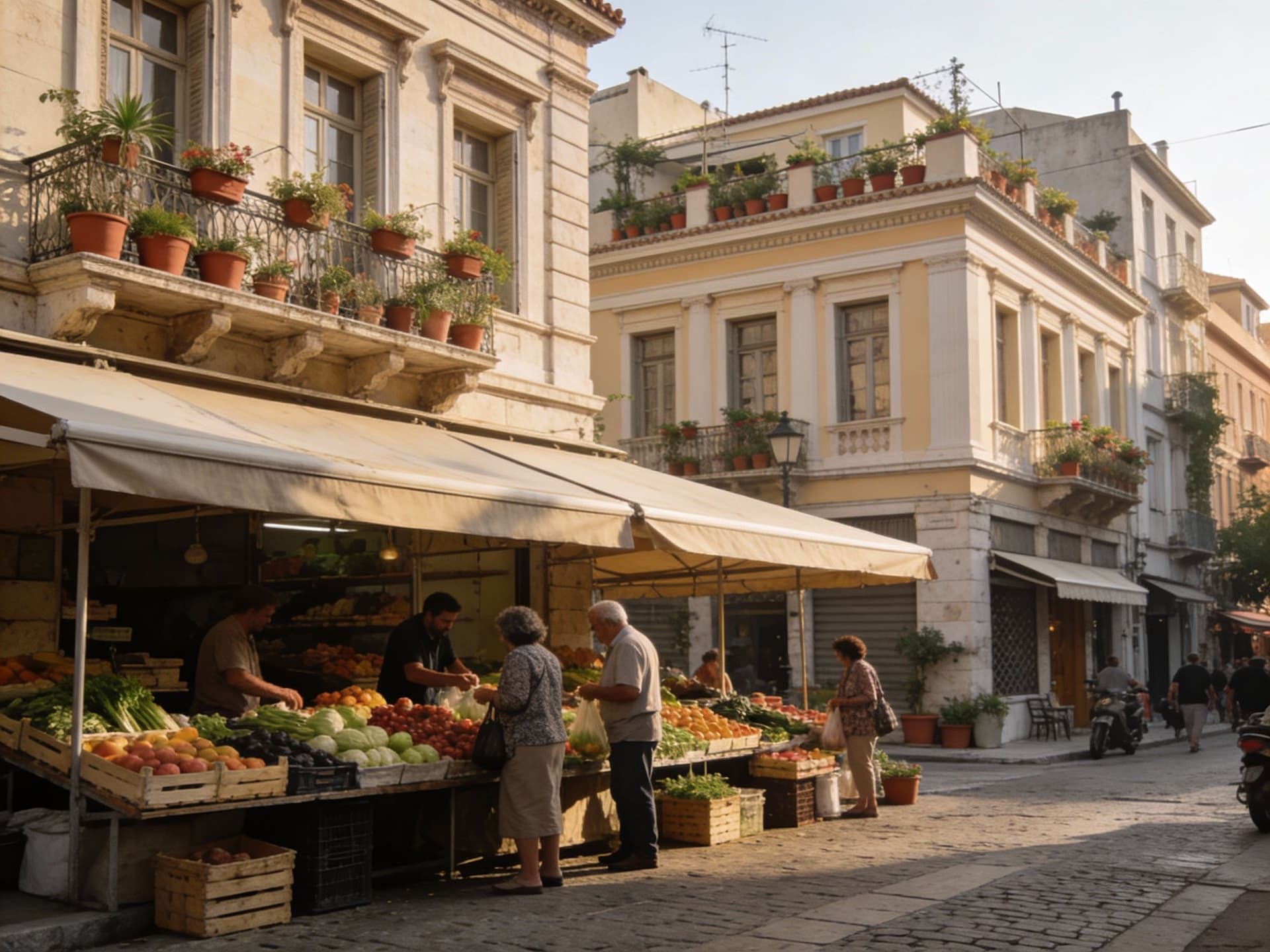
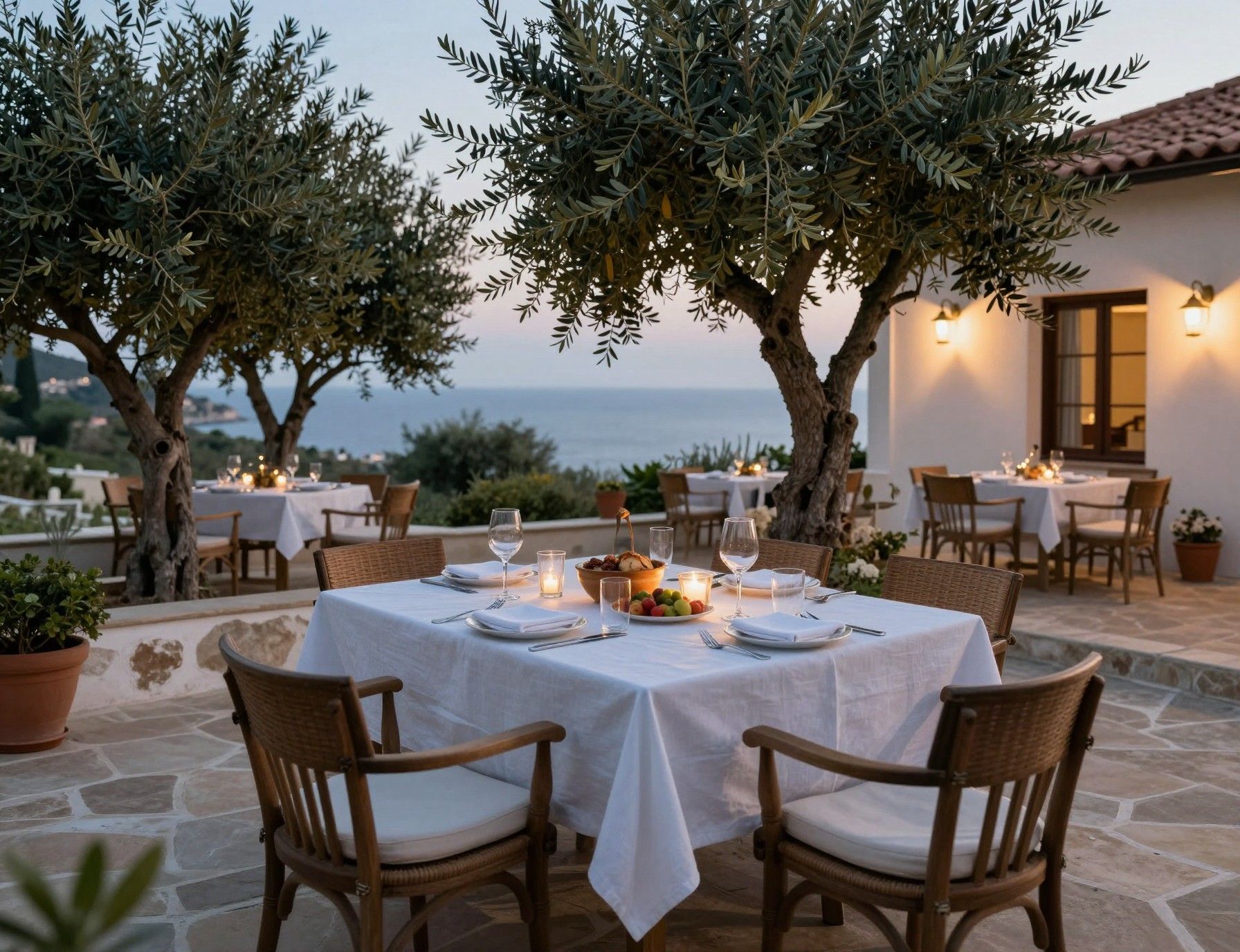
Greece rewards slow observation. Days begin with small rituals—espresso in a glass, a walk through a shaded piazza—and seasons govern social life: olive harvests in autumn, sea and island life in summer, quieter urban rhythms in winter. Neighbourhoods differ dramatically: Athens offers compact, walkable quarters where Byzantine and neoclassical facades meet contemporary cafés; Crete and Corfu present a blend of rural agriculture and seaside hamlets; the Cyclades curate a pared‑back island aesthetic where sunlight becomes an architectural material. For buyers who value provenance and lived experience, these rhythms matter as much as headline price per square metre.
Athens: intimate quarters and layered history
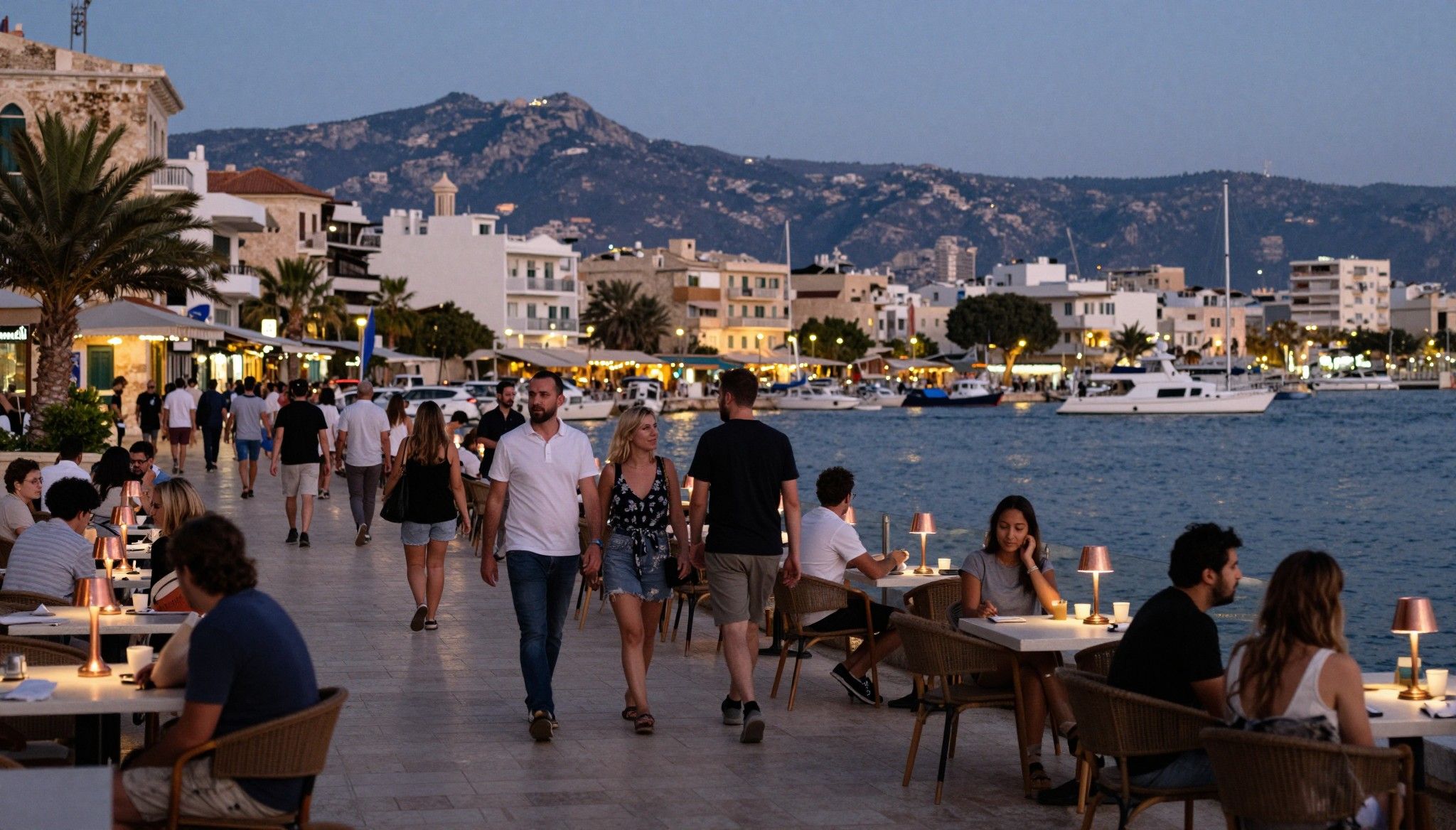
Walk Koukaki at dusk and you feel the city’s temperament: narrow lanes, small tavernas, and households that have occupied their stoops for generations. Pangrati and Kerameikos mix apartment living with artisanal workshops; Kolonaki offers neoclassical apartment buildings and discreet designer boutiques. These central neighbourhoods deliver everyday cultural life—museums, theatres, small parks—within walking distance, which suits buyers who prize urban intimacy over resort spectacle. Architecturally, seek well‑built late‑19th to mid‑20th century apartments where original mouldings, timber joinery and high ceilings have been restored with restraint.
Islands and interior: contrasting rhythms and value
The Cyclades and the Ionian archipelago attract global attention, but inland pockets—small towns in Crete around Chania and the olive‑grove fringes of Peloponnese—offer quieter provenance and gardened plots that often outperform expectations for long‑term enjoyment. Foreign buyers should note genuine restrictions: some border and strategic islands require prior authorisation for non‑EU nationals, a detail that changes where you can legally complete purchase. For lifestyle buyers, the interior rewards those who seek provincial markets, seasonal festivals, and properties with agricultural potential—often at price points below island premiums.
Making the move: practical considerations that preserve lifestyle
Turning affection for a neighbourhood into ownership requires measured steps. Title verification, tax identifiers and clear registration with the Cadastre are essential; the Cadastre rollout remains incomplete in places, meaning older titles can require deeper archival work. Transfer tax is modest compared with some European markets, but closing costs and registration fees still warrant careful budgeting. Working with a local lawyer and an agency that understands the seasons and social texture of a neighbourhood preserves the lifestyle you expect after purchase.
Property types and how they shape daily life
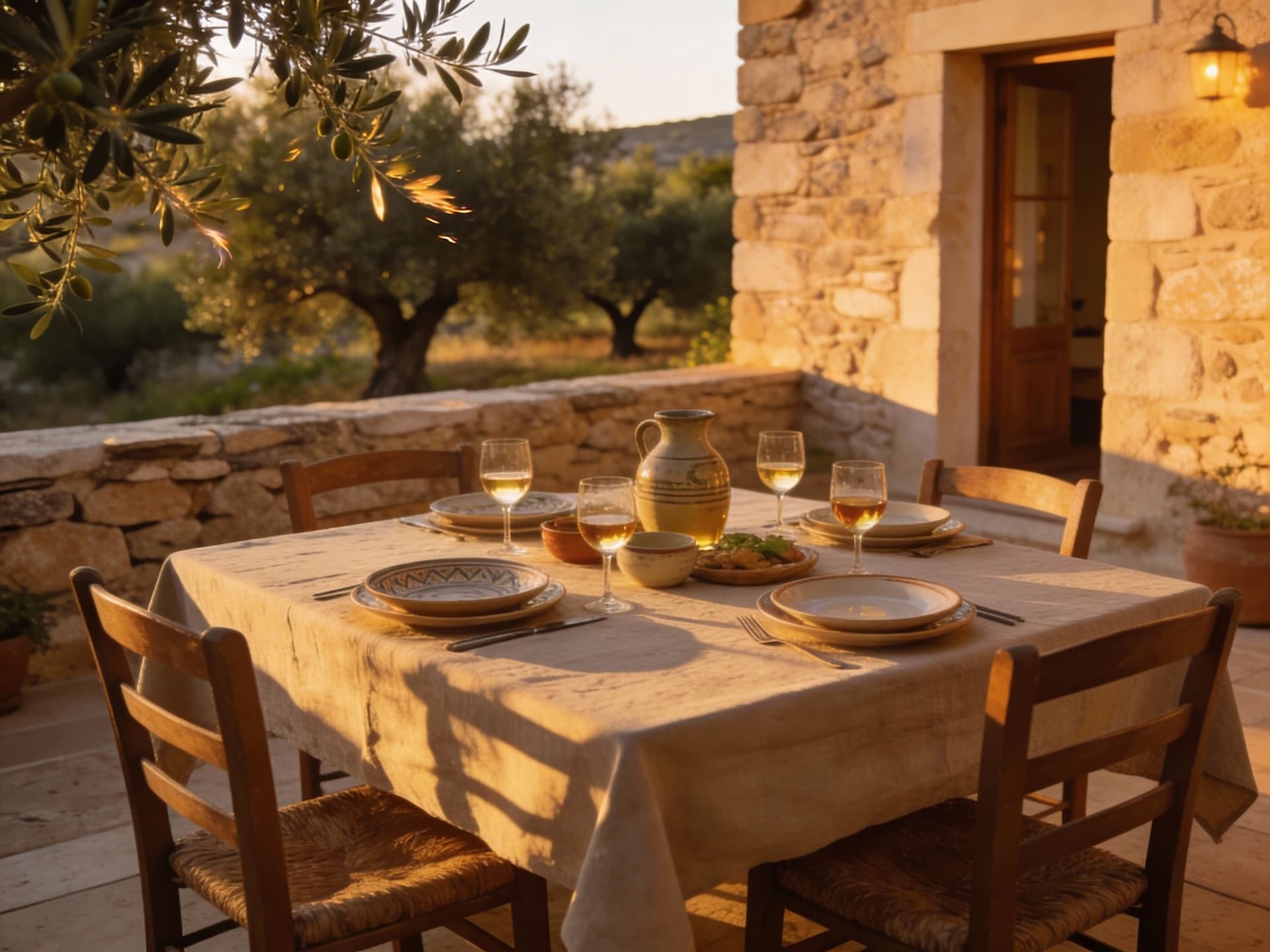
The practical difference between a neoclassical Athens flat and a stone farmhouse in Mani is not only aesthetics but use: the flat supports urban life—short commutes, municipal services and small‑scale entertaining—while a farmhouse supports gardening, seasonal living, and a different scale of maintenance. Golden Visa thresholds introduced zoning that affects where larger investors concentrate; yet for many buyers who prioritise life over visa status, modest conversions or long‑term rentals remain viable. Consider ventilation, masonry condition, insulation and roof integrity as much as view lines—these details determine year‑round comfort and running costs.
How to blend lifestyle and process: six practical steps
- 1. Begin with multi‑season visits: spend winter in Athens and summer on an island to test rhythms. 2. Commission title and Cadastre checks early—legacy registries can delay completion. 3. Engage a local architect to estimate restoration costs before offer. 4. Ask neighbours and café owners about seasonal life and municipal services. 5. Clarify short‑term rental rules; unauthorised holiday lets have heftier fines since 2024. 6. Build a 10–12% contingency into your budget for unseen conservation work.
Insider knowledge: what expats wish they'd known
Expat life in Greece is quietly generous but requires cultural calibration. Language proficiency accelerates integration: a modest knowledge of Greek opens neighbourhood doors and signals respect. Community life often orbits local associations, church festivals and market days—participation yields invitations and practical goodwill that simplify repairs and services. Many new residents undervalue winter: municipal services, accessible clinics and year‑round neighbours are the glue that sustains a property through seasons.
Social life, language and integration
Begin with small rituals: shop at a single neighbourhood market, learn the barista’s name, attend a local panigiri (village festival). English suffices in many urban and tourist contexts, yet investing time in Greek—for example, basic greetings and transactional phrases—transforms interactions from transactional to neighbourly. Local tradespeople prefer referrals; a trusted lawyer or agency will introduce reliable craftsmen, gardeners and conservators who respect traditional materials and techniques.
Long‑term lifestyle considerations
- • Prices have risen steadily since 2021 but pockets inland remain less overheated than coastal hotspots; monitor official HPI data for timing. • Consider community longevity: properties near year‑round services retain steady value versus seasonal‑only enclaves. • Maintenance of traditional materials (stone, lime plaster, timber) preserves authenticity and reduces long‑term costs when correctly specified. • Stewardship matters: thoughtful restoration and sensitive additions enhance both living quality and resale prospects.
If you already picture mornings at a shaded café and evenings on a quiet terrace, the practical work is straightforward though not trivial. Start with multi‑season visits, verify title with Cadastre checks, engage a lawyer who understands local zoning restrictions, and work with an agency that values architectural integrity over staging. The right purchase will not only buy access to the sea or a historic corner but will secure a life shaped by ritual, market days and durable craftsmanship. When you are ready, an experienced local team will translate that life into a purchase that honours both provenance and future use.
Dutch former researcher who moved to Lisbon, specialising in investment strategy, heritage preservation, and cross-border portfolio stewardship.