Where to Live in Greece: Neighbourhood Life Meets Market Reality
From Koukaki lanes to Cretan markets: marry Greece’s daily pleasures with market realities—rising prices, rental rules and neighbourhood stewardship.
Imagine morning light on a narrow Athens lane: marble thresholds warmed by sun, a baker setting out koulouri, an elderly neighbour greeting you in soft Greek. This sensory start—espresso steam, church bells, small tavernas preparing vegetables for the day—captures why buyers come to Greece. But the romance meets an active market: rising prices in cities and islands, new short‑term rental rules and shifting visa thresholds mean the dream requires nuance.
Living the Greek life: what really feels like home
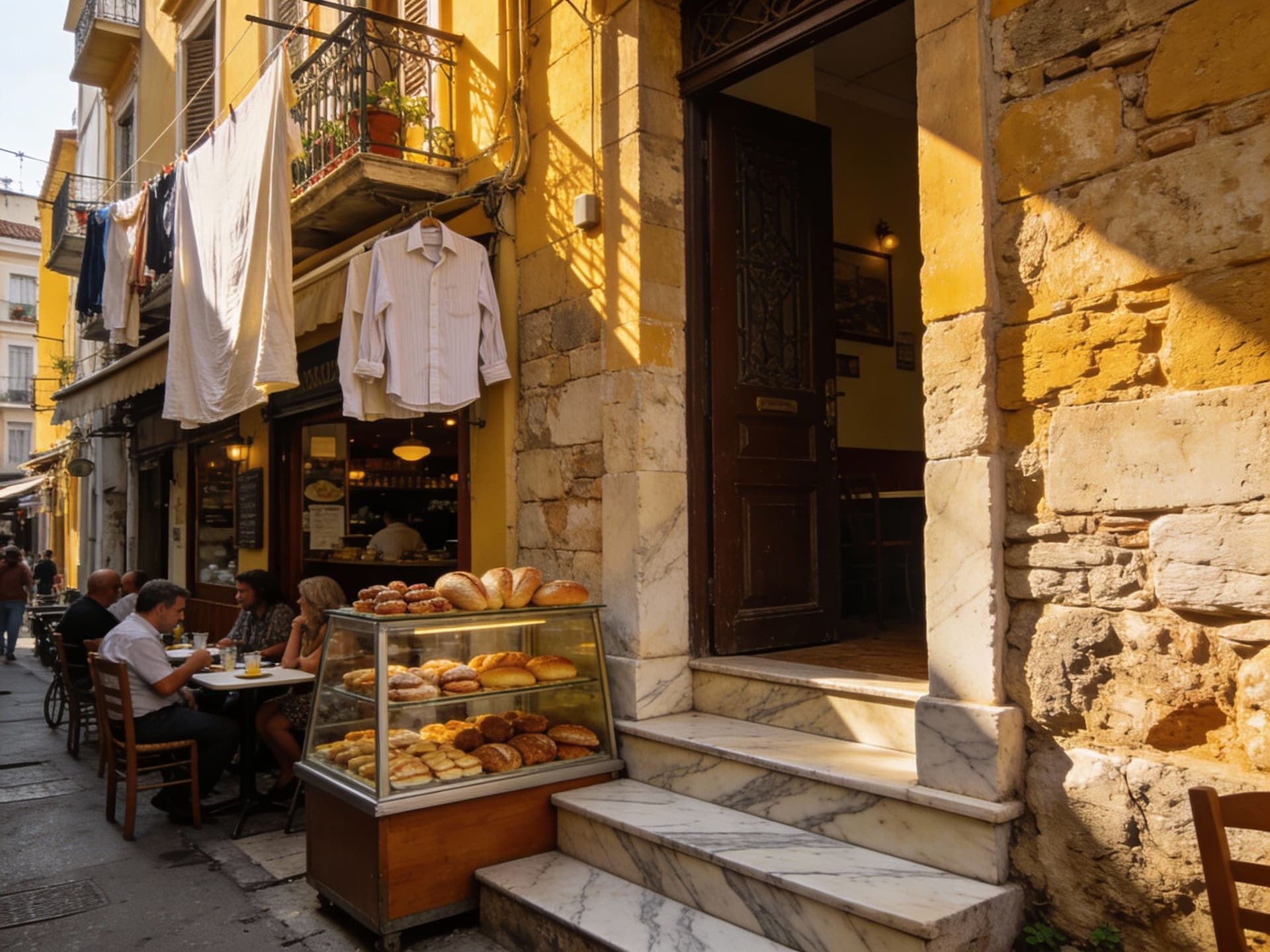
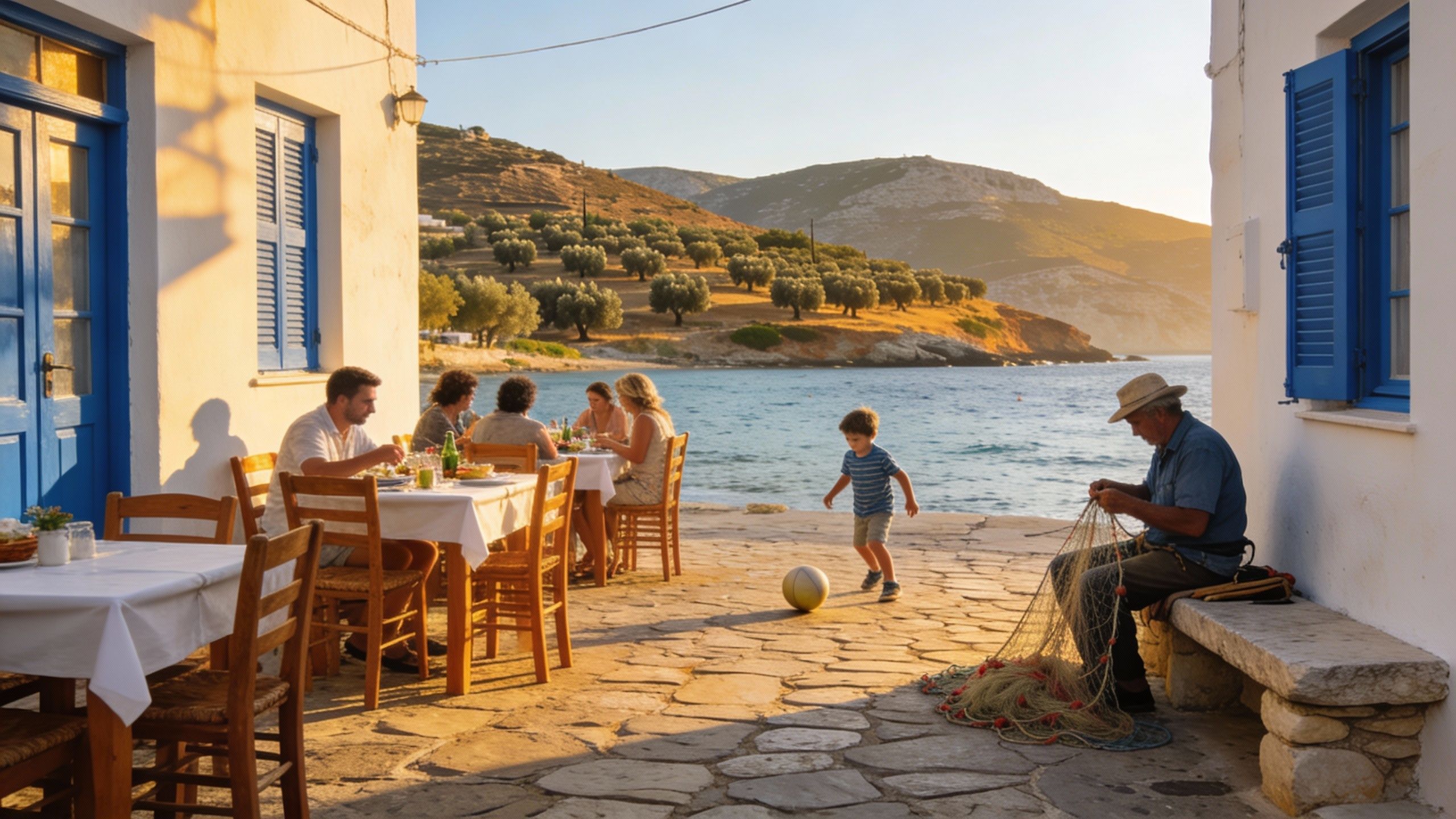
Daily life in Greece balances convivial street culture and quiet domestic rituals. In Athens you’ll find lunchtime omakase of neighbourhood rhythms—shrines of local cafés in Koukaki, quiet bookshops in Exarchia, and the measured pace of Kifisia on a Sunday. On islands like Paros or Crete the day is ruled by the sea and market stalls: vendors place olives and cheeses on wooden tables, fishermen mend nets, and terraces are used year‑round in milder winters.
Athens: close‑in neighbourhoods with character
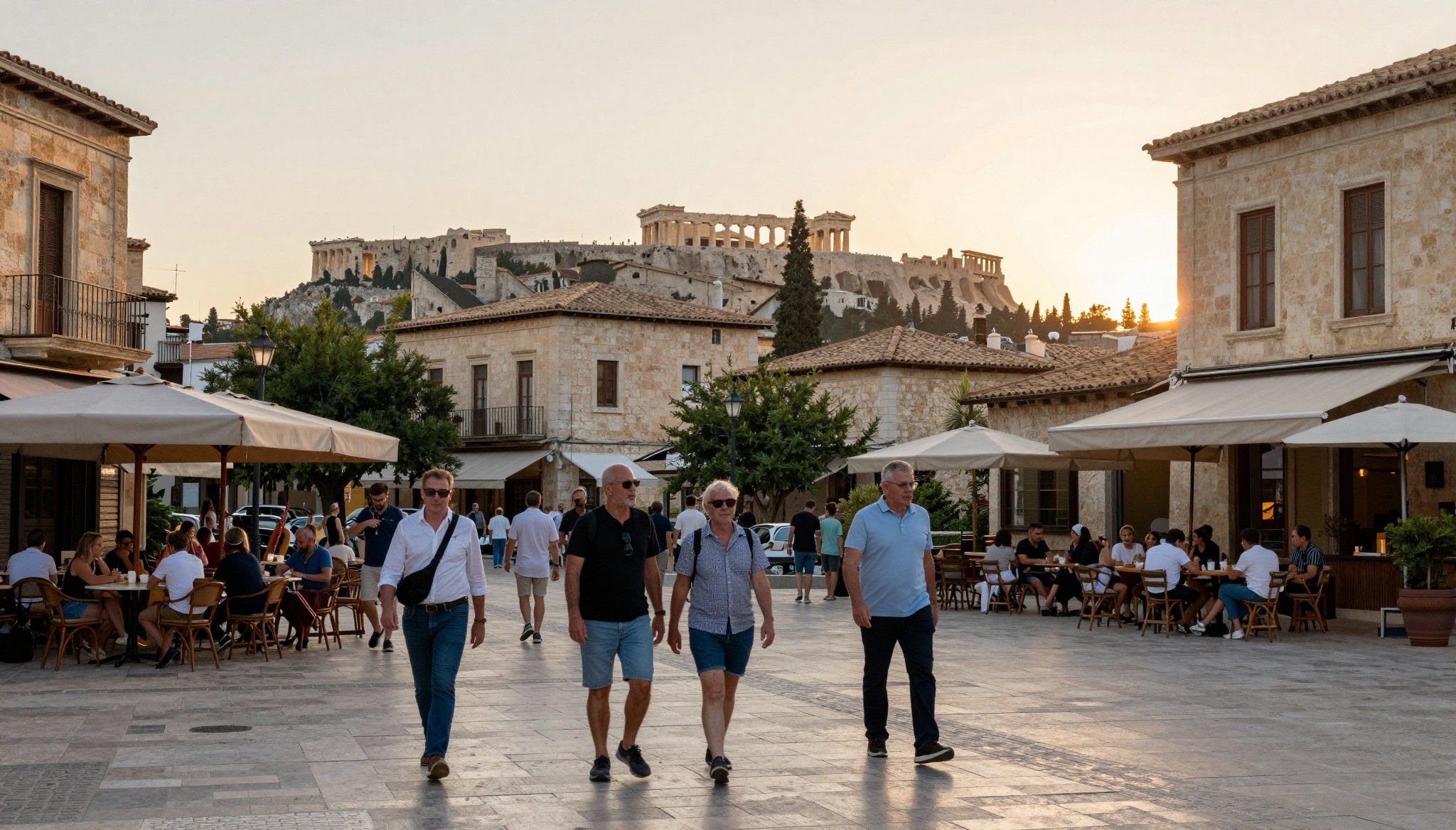
Walk from Anafiotika under the Acropolis into Koukaki and you feel a village inside a capital: narrow lanes, courtyards, and tavernas that open at dusk. Buyers seeking residence rather than seasonal rental income prefer these streets for permanence—yet be mindful: recent regulations have frozen new short‑term rental licences in parts of central Athens, altering cash‑flow expectations for investor buyers.
Islands and coast: seasonal rhythm, year‑round life
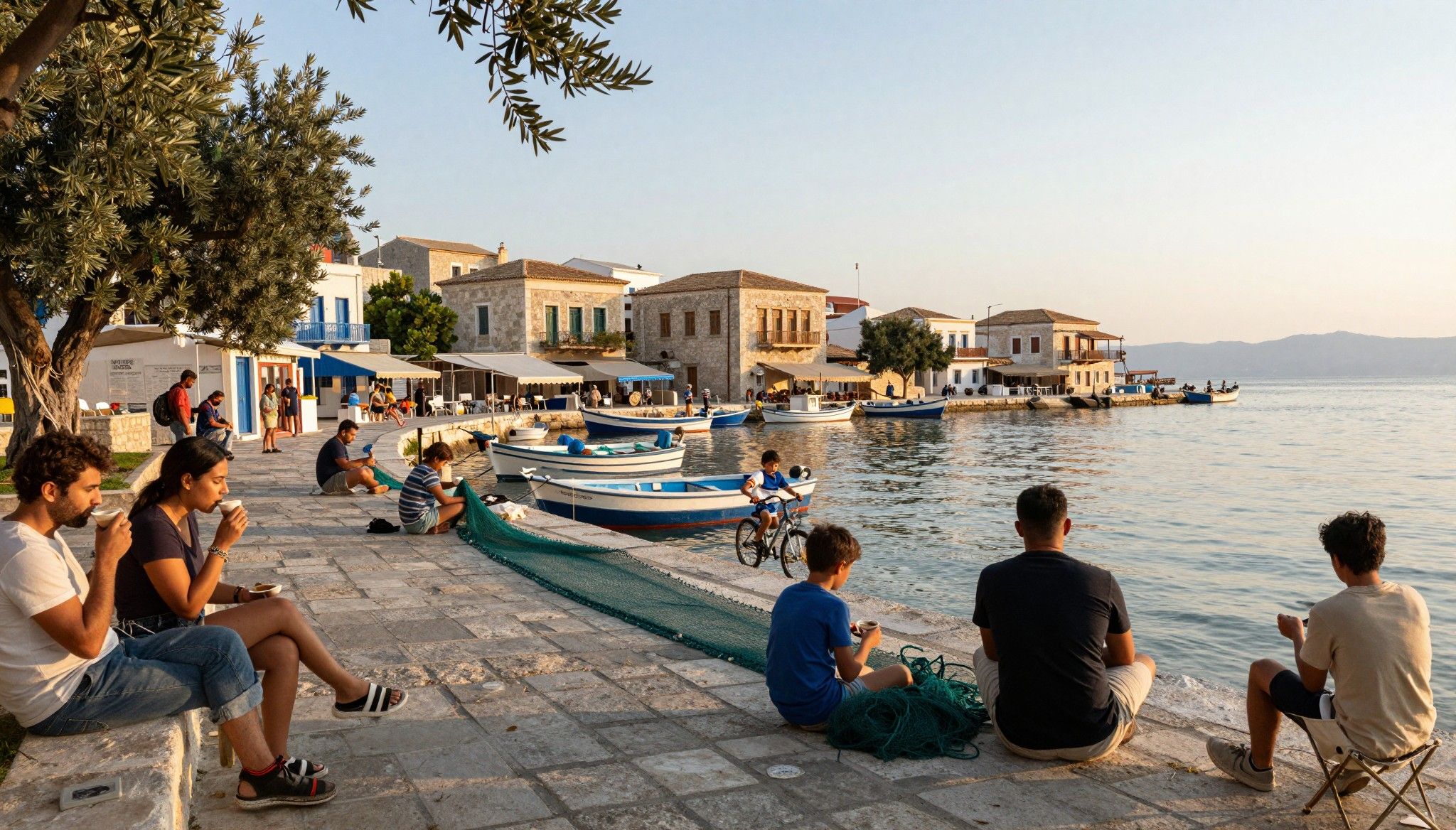
A weekend on Paros or Crete shows how seasons shape neighbourhood life: busy waterfronts in July, intimate village cafés in November. For the buyer who wants a calendar of activities—sailing, farmers’ markets, harvest festivals—coastal towns offer community. For steady year‑round living, look at port towns that combine services, healthcare access and quieter winters.
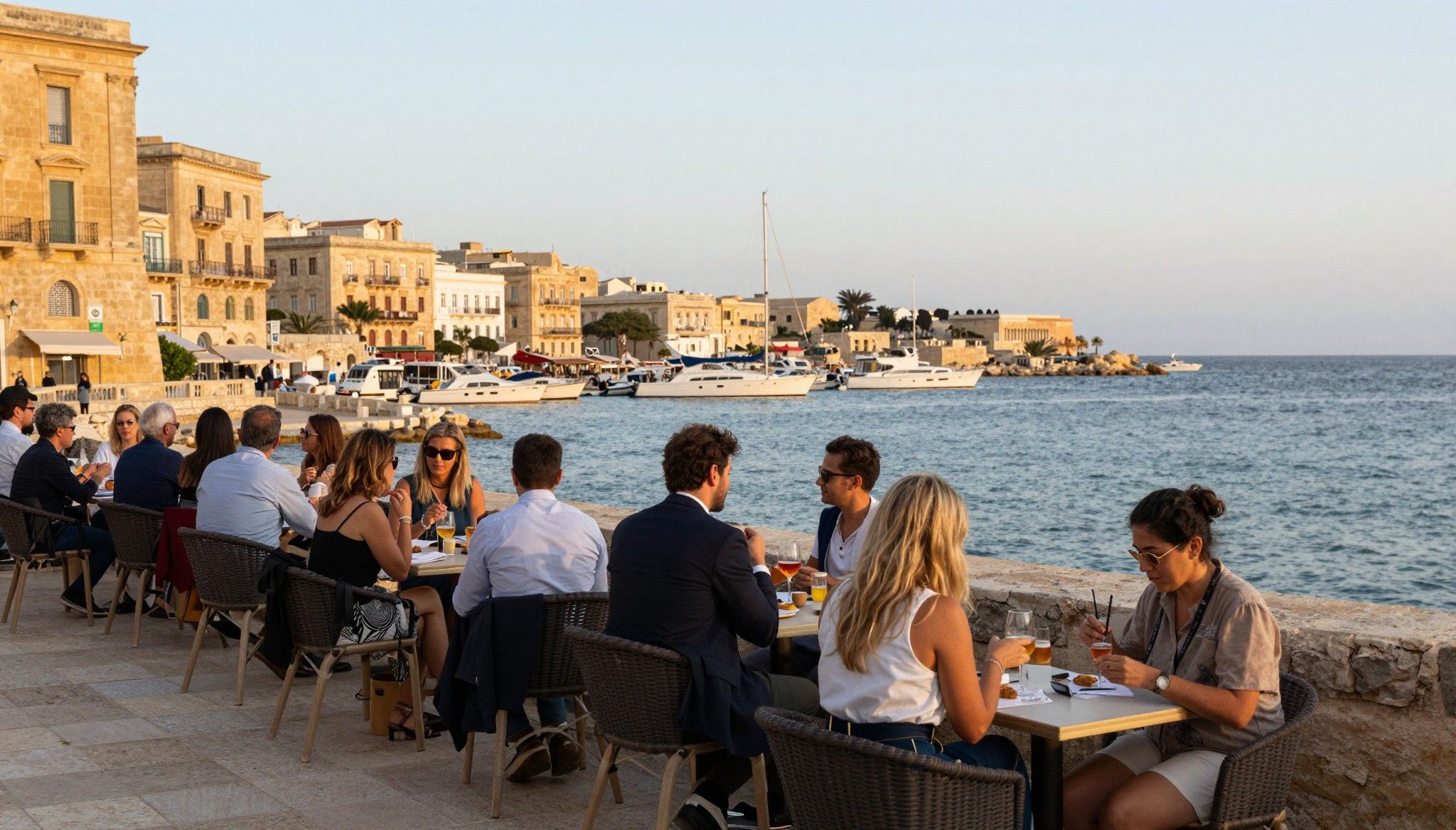
- Morning rituals and neighbourhood pleasures: - Espresso at TAF or a small kafeneion in Koukaki - Saturday farmers’ market at Varvakios in Athens - Sea swims at Vouliagmeni followed by seaside fish tavernas - Sunset walks along Paros’ Naoussa harbour - Sundays in Kifisia for pastries and antiques browsing
Making the move: practical considerations that respect the life you want

Lifestyle choices map directly onto property type and neighbourhood. If you crave the morning bustle of a neighbourhood café and immediate cultural life, central Athens or Thessaloniki fit well but come with higher per‑square‑metre pricing. If you want a terraced garden and coastal light, the Peloponnese and Crete offer more space per euro. Recent Bank of Greece data show house prices rising across urban areas, so timing and location selection matter to preserve both lifestyle and value.
Property styles and how they shape daily life
Traditional townhouses with inner courtyards invite slow mornings and evening gatherings; neoclassical apartments offer high ceilings and formal reception rooms that suit collectors of art and furniture. Modern seafront villas emphasise indoor‑outdoor living with pergolas and shaded terraces—ideal for long Mediterranean summers. Select a property whose spatial logic matches your routine: small courtyard overcomes lack of a garden; a north‑facing balcony reduces summer heat.
Working with local experts who understand neighbourhood life
- Steps to marry lifestyle with a sound purchase: 1. Spend two weeks living in target neighbourhoods to test daily rhythms and services. 2. Commission a local surveyor to assess restoration need and thermal performance. 3. Request rental‑registration history when short‑term lettings are part of the plan. 4. Ask agents for recent energy‑upgrade receipts and common‑area maintenance records. 5. Confirm public transport, medical access and school options if moving with family.
Insider knowledge: what expats wish they’d known before buying
Buyers often underestimate the interplay of regulation and neighbourly life. New rules on short‑term rentals have altered the economics of some island and central city investments. At the same time, price growth is uneven: islands and luxury segments can outpace urban averages, while secondary cities offer better entry prices and attractive rental yields. A local agent with neighbourhood experience and transparent rental data becomes indispensable.
Cultural integration and daily courtesies
Small customs matter. Learning basic Greek—greetings, polite forms, market banter—opens doors. Neighbours value reciprocity: shared olives, assistance with parcels, or watching a planted pot in summer. Join local associations—church festivals, cookery workshops, athletics clubs—to build ties that make a house into a home. This social capital lowers friction with municipal services and contractors when you renovate.
Long‑term life: stewardship and value
Think generationally. Properties that honour local craft—stone work, timber shutters, artisan tiling—retain character and command trust in resale. Where possible, prioritise buildings with documented restorations and municipal permits; they save time and money later. A well‑chosen neighbourhood—one with schools, a market and reliable transport—preserves both lifestyle and liquidity.
- Red flags local buyers watch for: - Missing building permits or irregular extensions - Properties habitually rented short‑term in newly restricted zones - No documented energy upgrades in older masonry buildings - Unclear ownership or unresolved inheritance claims - Lack of access to year‑round services (doctor, supermarket, pharmacy)
If Greece calls to you, start by living in a neighbourhood you love for a short season; engage a local architect to inspect, and ask your agent for rental and permit histories. The market is active—Bank of Greece and industry reports show ongoing price growth—so careful selection and stewardship protect both lifestyle and capital. When you are ready, work with an agency that places provenance, restoration quality and quiet neighbourhood fit at the heart of its search.
A final note: buying in Greece is as much about joining a rhythm as it is about securing square metres. Choose a place that suits how you want to wake up, whom you want on your street, and the rituals that will fill your days. Then let local expertise translate those preferences into a property that will endure.
Former Copenhagen architect who relocated to Provence, offering relocation services, market analysis, and a curator’s eye for authentic regional design.