Greece: How Lifestyle Choices Shape Living Costs
Greece offers timeless daily pleasures, but new short‑term rental rules and housing supply shifts now shape living costs—choose neighbourhoods that match lifestyle and predictable expenses.
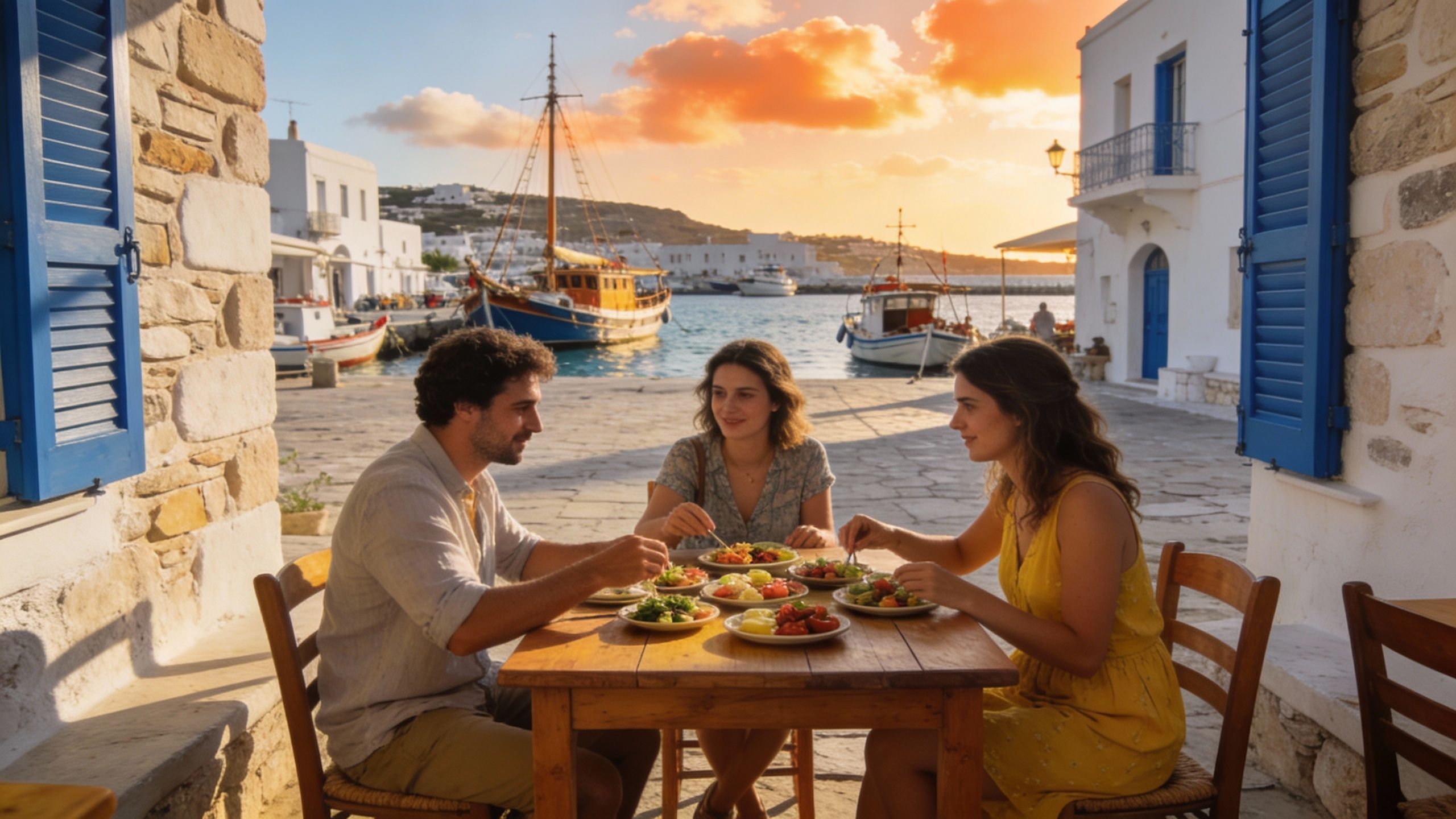
Imagine stepping out at dawn to buy fresh thyme-scented bread beneath a neoclassical balcony in Plaka, or trading morning surf reports over espresso in Agios Nikolaos. Greece rearranges time: slow lunches, animated kafeneia, and afternoons that fold into coastal light. For international buyers, the enchantment masks a practical truth — the cost of living and the cost of owning property are moving targets, shaped by tourism pressures, new rental rules and a recovering housing market. This piece marries the sensory with the fiscal: what life feels like here, and the precise factors that will shape what you pay.
Living the Greek Life — rhythm, place and nuance
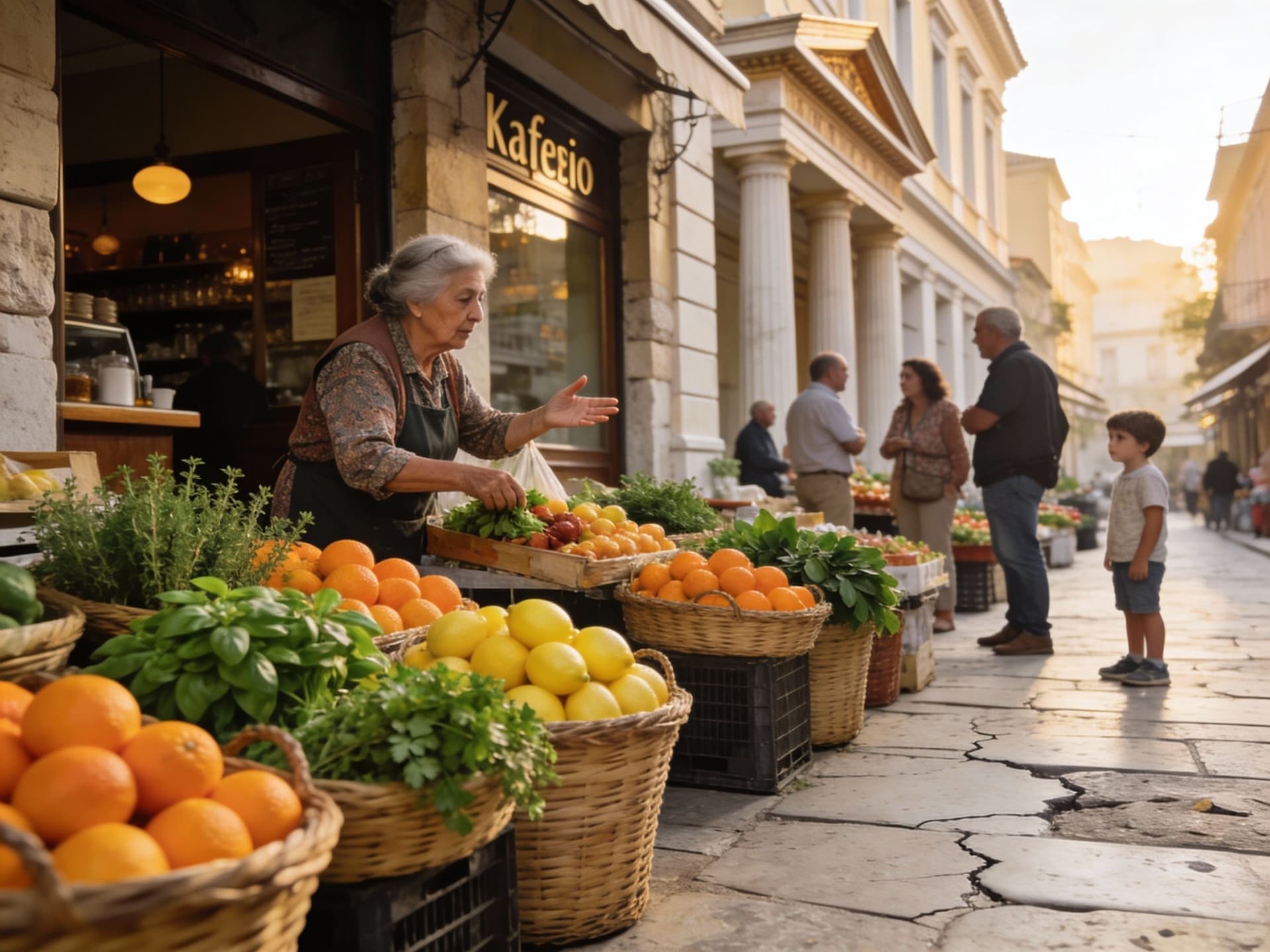
Daily life in Greece reads like a small, well-loved novel: market mornings, siesta-adjacent pauses, and neighborhood referees who remember every arrival. In central Athens you hear motorbikes thread through narrow streets; on the islands, mornings begin with fishermen repairing nets. Recent policy shifts around short-term rentals and rising property prices have altered local rhythms — a kafeneio that once served seasonal visitors may now host a new long-term neighbour. For a buyer this means lifestyle choices and living costs are inseparable: where you want the rhythm determines what you should expect to spend.
Neighborhood textures: Athens, the islands, and provincial Greece
Athens is layered: Kolonaki’s stone pavements and curated boutiques feel different to Psyrri’s artisan workshops and late-night tavernas. On the islands, Santorini and Mykonos carry global prestige and summer premiums; Naxos, Paros and lesser-known Karpathos offer more subdued seasonal swings and lower carrying costs. In provincial towns such as Nafplio or Ioannina, civic life centers on squares, municipal libraries and week-long markets — places where your grocery bill buys provenance as much as produce. The practical corollary: service availability, heating and cooling needs, and commuting all tilt monthly budgets.
Food, markets and small pleasures that shape spending
A weekday market visit in Crete can replace half your weekly shop and anchor your social life; a fortnightly fish buy in Piraeus reconnects you to the season. Dining out remains comparatively affordable in neighbourhood tavernas, yet peak-season tourist menus and island import costs push prices higher. New short‑term rental regulations and rising tourist taxes (aimed at curbing overtourism) are shifting the balance between holiday income and year-round carrying costs for owners — a detail that matters if you plan rental income to offset living expenses.
- Daily lifestyle highlights and their cost effects: morning kafeneia in Plaka; farmers’ market in Monemvasia; ferry runs from Piraeus to the Cyclades; evening plateia gatherings; local artisan bakeries — each shapes recurring expenses and the neighbourhood you choose.
Making the move: practical considerations that keep life graceful
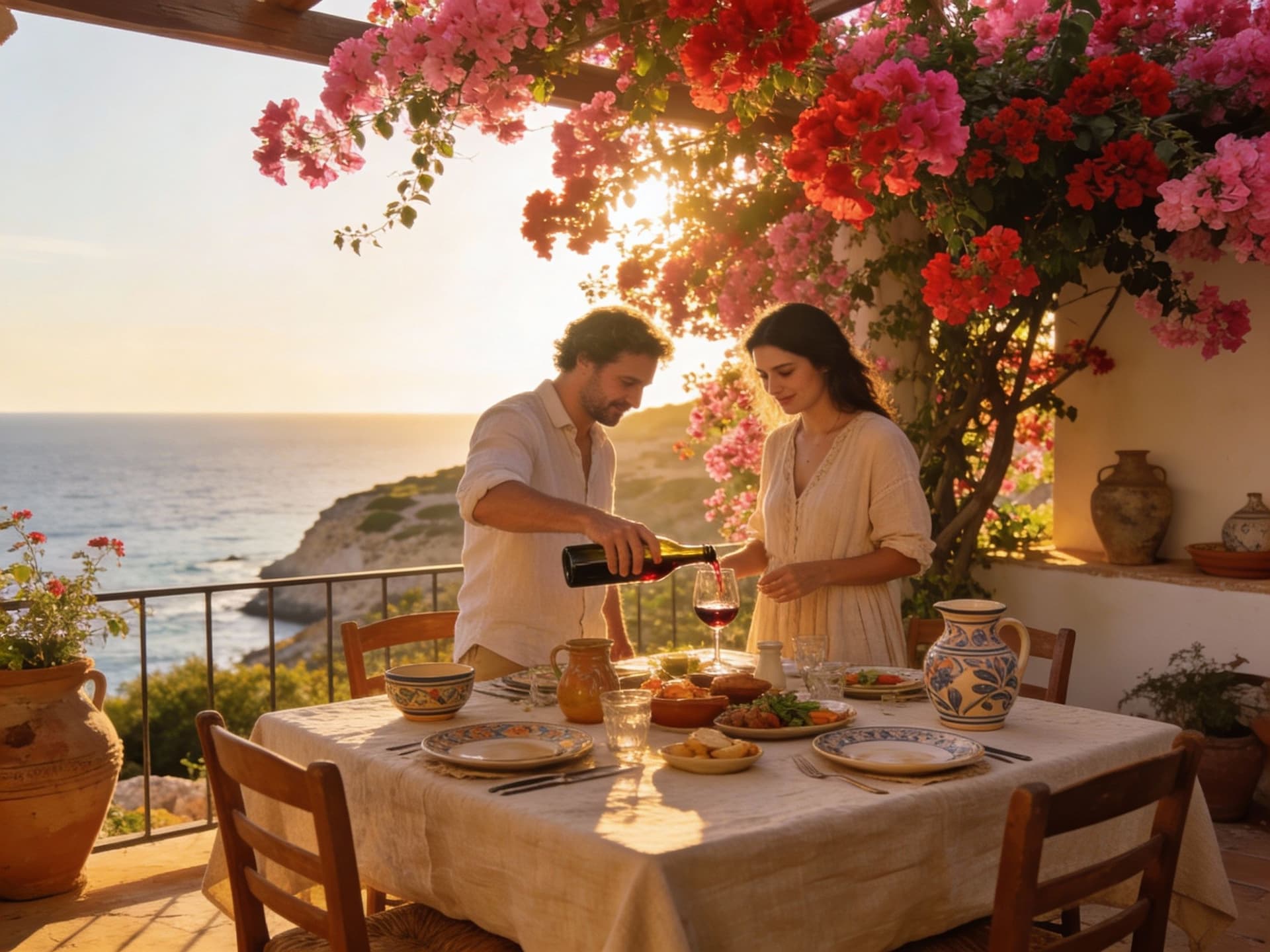
Romance aside, recent market data show steady price appreciation across much of Greece; new-build prices and central urban districts have led gains. The Bank of Greece and market reports note supply constraints and construction slowdowns that prop up values in desirable locations. For buyers, the key is translating that macro picture into micro decisions: which neighbourhoods are insulated from short-term rental shocks, which property types have manageable running costs, and when to accept a price premium for convenience versus conservation.
Property types and how they matter to everyday costs
An island stone house with thick walls keeps summer heat at bay and reduces air‑conditioning bills, while a glass‑fronted penthouse will demand higher energy and maintenance costs. Traditional townhouses often require periodic restoration — artisan tilework, lime plaster and timber repairs — expenses that reward stewardship but must be budgeted. New builds offer warranty protections and modern insulation but usually command higher per‑square‑metre prices in Athens and resort areas. Practical buyers balance upfront price with predictable running costs.
Working with local experts who understand life, not just listings
A local agency familiar with municipal rules, seasonal labour markets and insurable risks becomes a curator of lifestyle, not merely a broker. Look for firms that can introduce you to trusted restorers, local accountants aware of the shifting short-term rental legislation, and property managers who understand the island logistics. Their counsel will convert an aspirational address into a practical home and keep unforeseen running costs from undermining the dream.
- Steps to align lifestyle with predictable costs: verify seasonal utility profiles; obtain local contractor quotes for likely restorations; confirm short‑term rental eligibility and tax implications; budget for property management and insurance; model worst‑case vacancy scenarios.
Insider knowledge: surprises expats frequently mention
Expats commonly report three surprises: how local social life fills small costs with great value, how seasonality can halve or double household expenses, and how recent regulation can swiftly change a rental‑income projection. The introduction of stricter short‑term rental standards and registration freezes in central Athens has already reshaped owner decisions. Anticipating regulation is as important as assessing current prices; thoughtful buyers prioritize neighbourhoods with diversified demand — residents, students, hospitals — not solely tourists.
Cultural integration and the economics of belonging
Language matters less in daily commerce than curiosity and consistency: learn a few phrases, attend the market, treat the kafeneio as a village hall. Social integration can reduce costs — local tradespeople often give better rates to neighbours — and enhances your quality of life in ways no spreadsheet captures. For families, proximity to healthcare and international schools will increase monthly budgets but reward long‑term comfort and resale appeal.
Longer view: how lifestyle choices shape generational stewardship
If the aim is stewardship rather than short‑term gain, prioritise properties with architectural provenance and durable materials: restored townhouses, stone villas with maintenance histories, and blocks with clear condominium governance. These choices often mean higher initial outlay but lower unpredictability in maintenance and stronger appeal to discerning future buyers. Consider also how municipal plans and tourism-controls — now central in Greek policy — will influence long‑term neighbourhood character and therefore value.
- Red flags and practical checks before purchase: unclear building permits; ambiguous short‑term rental status; absent condominium minutes or unpaid common charges; lack of reliable local management; unrealistic rental yield assumptions based solely on peak season rates.
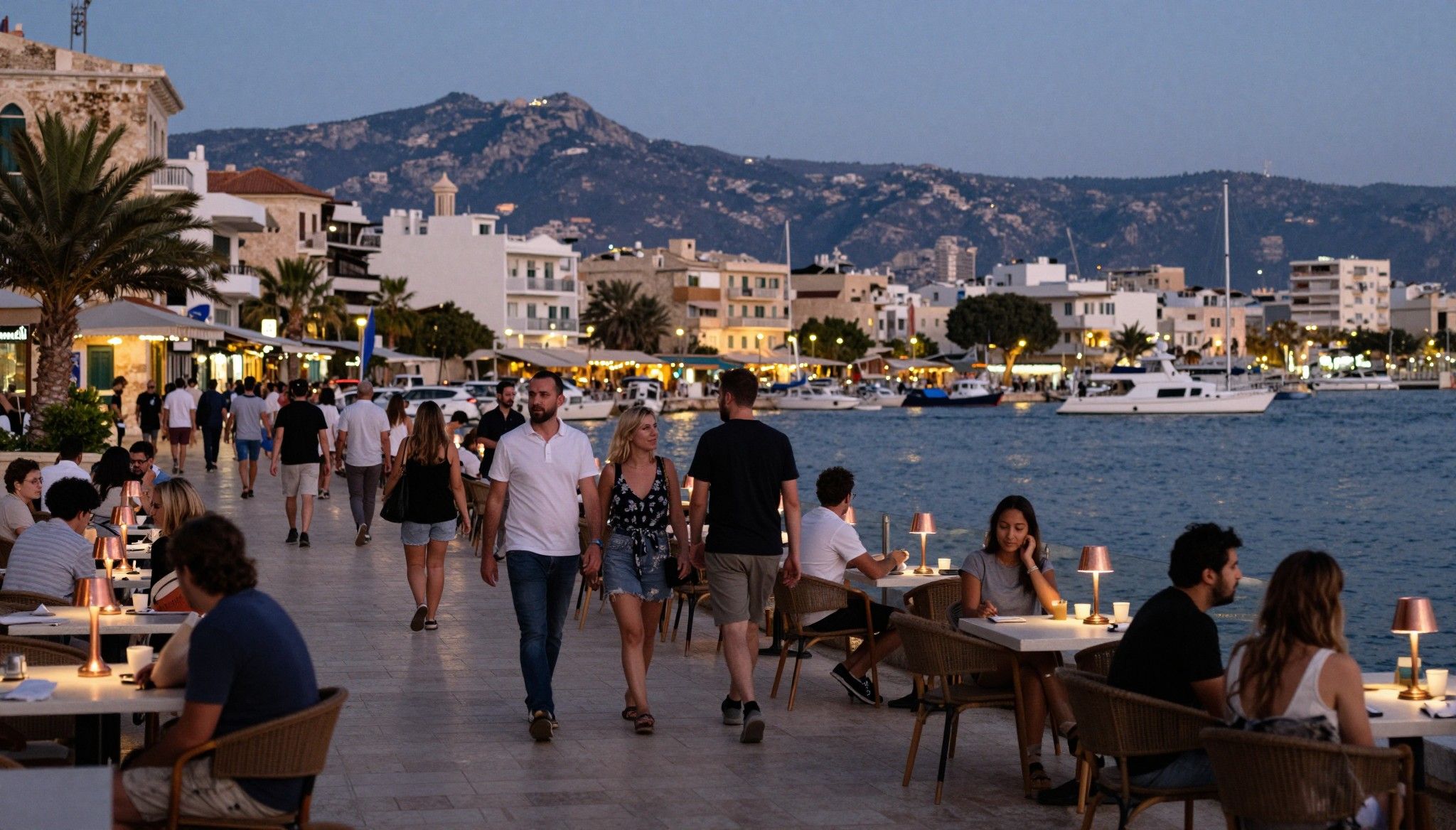
Greece feels immediate and intimate: mornings in market squares, late nights on sea-front promenades, and the slow accrual of neighbourly ties. But beauty and budgets are entwined — tourism policy, construction supply and local regulation now play as large a role in carrying costs as heating or maintenance. Begin with the life you want to live, then translate that into neighbourhood and property criteria; engage local experts early to model realistic running costs and regulatory exposure. When lifestyle and prudence meet, Greece rewards with a life that feels both lived and lasting.
Relocating from London to Mallorca in 2014, I guide UK buyers through cross-border investment and tax considerations. I specialise in provenance, design integrity, and long-term value.