Italy: Stewardship and Style—Market Trends That Matter
Italy’s lifestyle and market are converging: rising international demand, regional winners (Puglia, select hill towns), and practical stewardship matter more than headline prices.
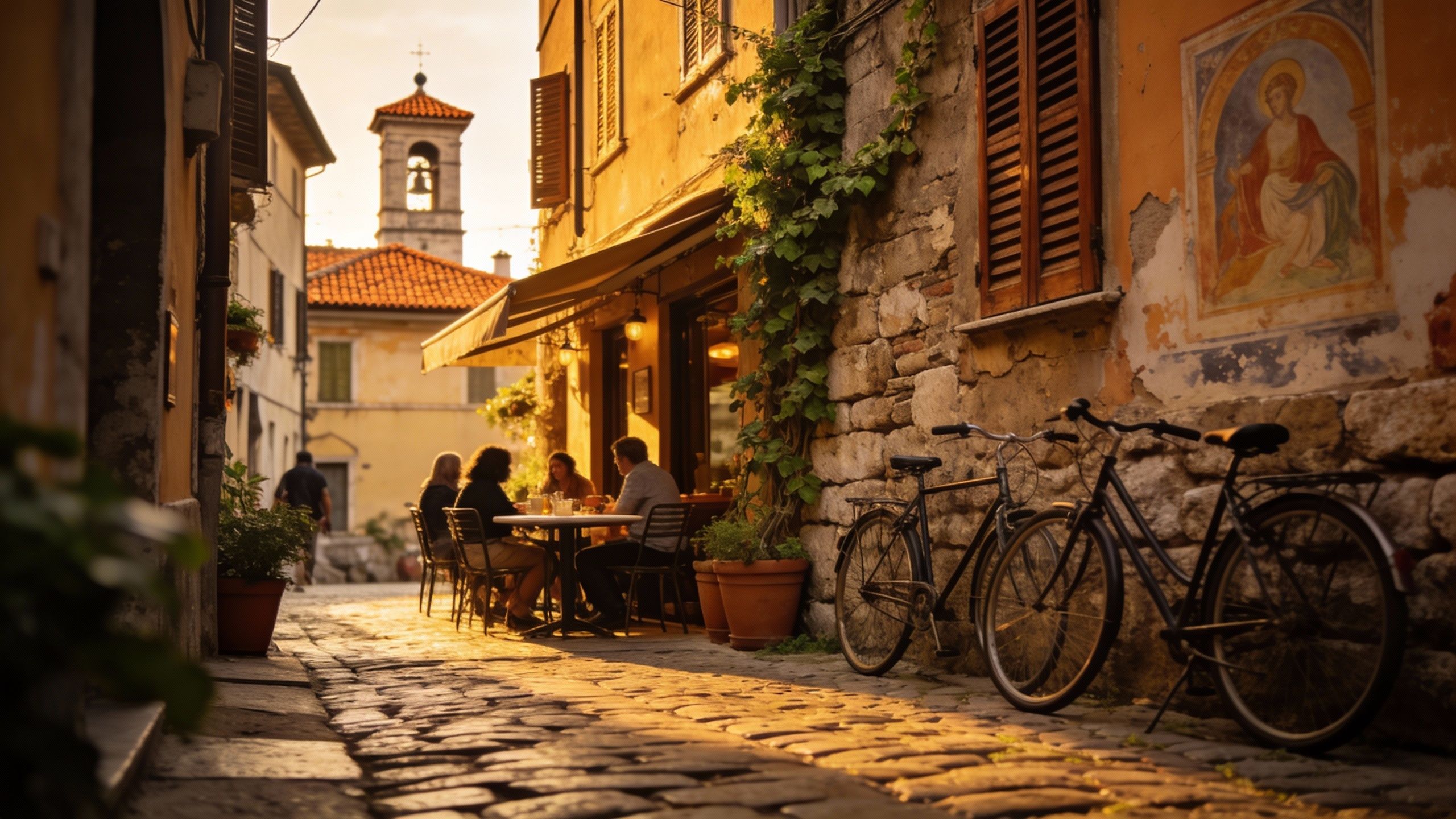
Imagine a late‑afternoon passeggiata along a stone‑paved via in a provincial hill town: shutters half‑closed, a barista pulling espresso, a child cycling past a fountain, and behind those limestone walls, a small apartment with thick walls and winter light. For international buyers Italy remains a place where everyday rituals—market siestas, slow dinners, seasonal festivals—shape the value of a property as much as square metres do. Here we blend those lived moments with contemporary market signals so you can fall in love without losing your head.
Living the Italian life
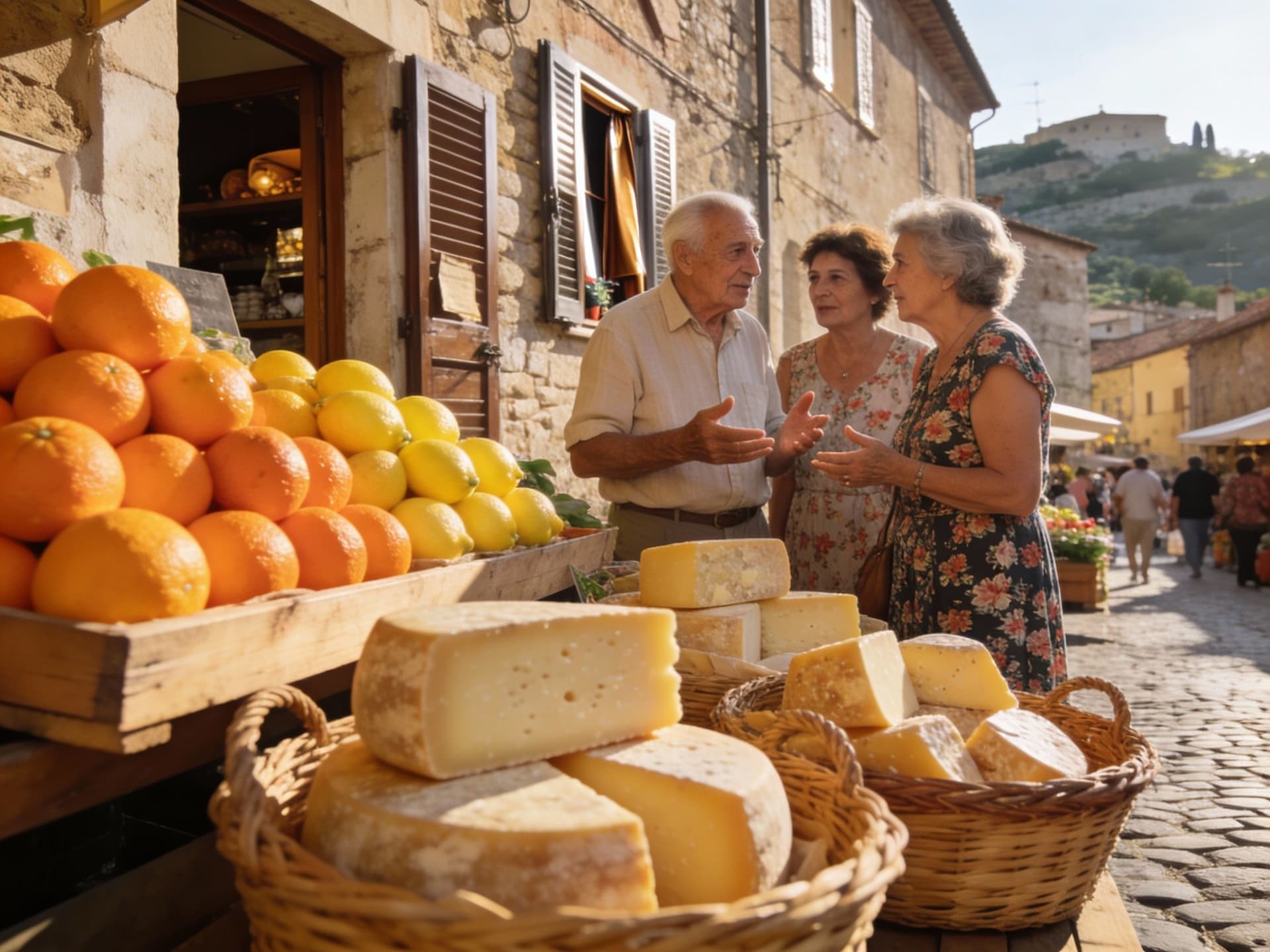
Daily life in Italy reads like a series of small pleasures: morning markets in Palermo’s Ballarò, restorative swims off the Ligurian rocks at Camogli, aperitivo crowds in Milan’s Navigli. These rhythms are measurable: recent analyses show a clear increase in international interest across city and regional markets, altering where demand—and therefore price momentum—now concentrates. That matters to buyers who want lifestyle fidelity as well as investment resilience.
Neighbourhood pulse: where the locals actually live
Look beyond flags‑and‑marble façades. In Rome, small scale life persists in Trastevere’s back streets and Monteverde’s shaded squares; Florence’s Oltrarno still favours artisan workshops and family trattorie; in Milan, the quieter northern quarters—Bovisa, Isola’s side streets—offer a softer living rhythm with better value than the central fashion district. These are the places where neighbours know one another, cafés publish the week’s football results, and the property you buy will be used, not staged.
Food, markets and seasonal life
Where you buy determines the rituals you inherit: a stone farmhouse in Puglia places you at morning markets and trullis; a canal‑front apartment in Venice gives you vaporetto commutes and seasonal tides. Regions such as Puglia have seen a sharp rise in interest, driven by authentic rural life, lower entry prices and large renovation opportunity—an appealing mix for buyers seeking both lifestyle and upside.
- Market & lifestyle highlights to taste before you buy
- Milan: refined urban life, finance and design; seek quieter districts for space and value.
- Tuscany (aside from central Florence): hill towns with proven demand and strict heritage rules—great for stewardship, demanding in renovation.
- Puglia and Le Marche: growing international attention, lower entry prices, high renovation potential.
Making the move: practical considerations that preserve lifestyle
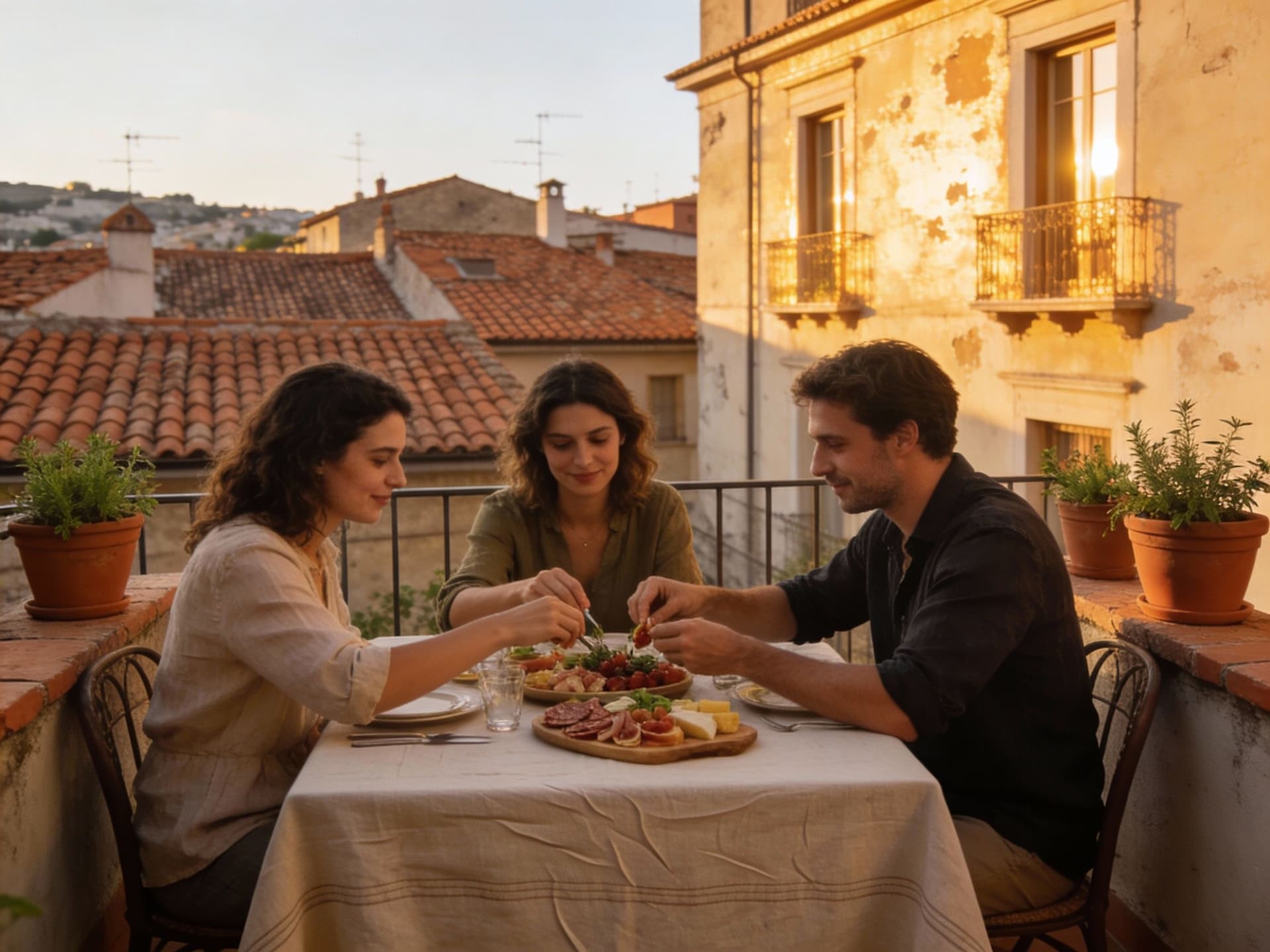
Turning affection for place into a confident purchase requires pairing mood with metrics. Price momentum, rental yields and regulatory nuance are the levers that convert lifestyle desire into a sound acquisition. Recent market data indicates modest national price rises and stronger rental dynamics in sought‑after locales; this creates opportunities for buyers who prioritise regions where life and returns align.
Property types and what they actually give you
A restored palazzina flat delivers atmospheric rooms and centrality but often limited outdoor space; a farmhouse (casale) offers land and autonomy but may require long, costly restorations and modern services installation. For remote working buyers, reliable fibre and a quiet study matter more than marble mantels; for those buying for rental, proximity to transport and seasonal demand determines yields. Match the asset to the life you intend to lead.
Working with local experts who understand taste and rules
Select advisors who speak both languages: fluent Italian for dealing with comuni (municipal offices), and fluent lifestyle literacy to find unadvertised gems. Agents with restoration networks, conservation knowledge and trusted notaries will save months. Ask whether an agent arranges builders’ quotations in writing and can introduce you to local architects familiar with historic fabric—this reduces delays and preserves the qualities that drew you here.
- Steps to marry lifestyle intent with market prudence
- Define how you want to live (daily routine, climate, proximity to services).
- Shortlist neighbourhoods and visit in different seasons—summer atmospheres can mislead year‑round life.
- Secure an initial feasibility budget (purchase, renovation, ongoing stewardship) before making offers.
Insider knowledge: what expats wish they'd known
The common surprises are cultural rather than legal: utility lead times, the cadence of municipal approvals, and how communal life affects privacy. Many buyers underestimate seasonal service limitations—shops and transport can thin markedly in winter in smaller towns. Others overpay for views while neglecting soundness: a sea‑view terrace is seductive, but humidity and maintenance costs are persistent companions.
Integration, language and community rhythms
Learning a modest Italian vocabulary opens doors not only socially but practically—local craftsmen and the syndic of a condominium respond better to engaged clients. Join local associazioni, volunteer at a sagra or sign up at the parish; these are the pragmatic routes to neighbours who become allies when restoration permits or parking disputes arise.
Long‑term stewardship and resale perspective
Think like a steward. Conserving materials, maintaining authentic details, and documenting restorations increases resale desirability. National statistics show modest market growth; properties that combine authentic character with thoughtful modern comforts tend to outperform purely speculative listings over a decade.
- Red flags to notice on viewing days
- Persistent damp, inconsistent heating, unclear title chains, undocumented “temporary” works, and absent neighbours—each increases long‑term cost.
- An attractive façade with disproportionate roof or foundation issues: engage a structural surveyor before offering.
If Italy has a promise, it is one of durable pleasures rather than quick flips. The purchase that rewards you most will be the one where the street life, the light, the kitchen and the neighbour all fit the life you imagine. When those elements align, an agent becomes less an intermediary and more a curator of daily life—introducing you to the market and to the community you will inhabit.
Next steps: visit in shoulder seasons, bring a local expert, and prioritise properties whose character you can afford to maintain. If you would like a tailored shortlist—villas for country living, palazzine for urban life, or coastal houses with robust maintenance histories—speak with an advisor who knows the difference between an attractive listing and a sustainable home.
Having moved from Stockholm to Marbella in 2018, I help Scandinavian buyers navigate Spanish property law, restoration quality, and value through authentic provenance.