Streets, Seasons and Secure Title: Cyprus Buying Realities
Fall in love with Cyprus’s streets and seasons, then secure the life with place‑specific legal checks: land registry, title searches and non‑dom tax planning.
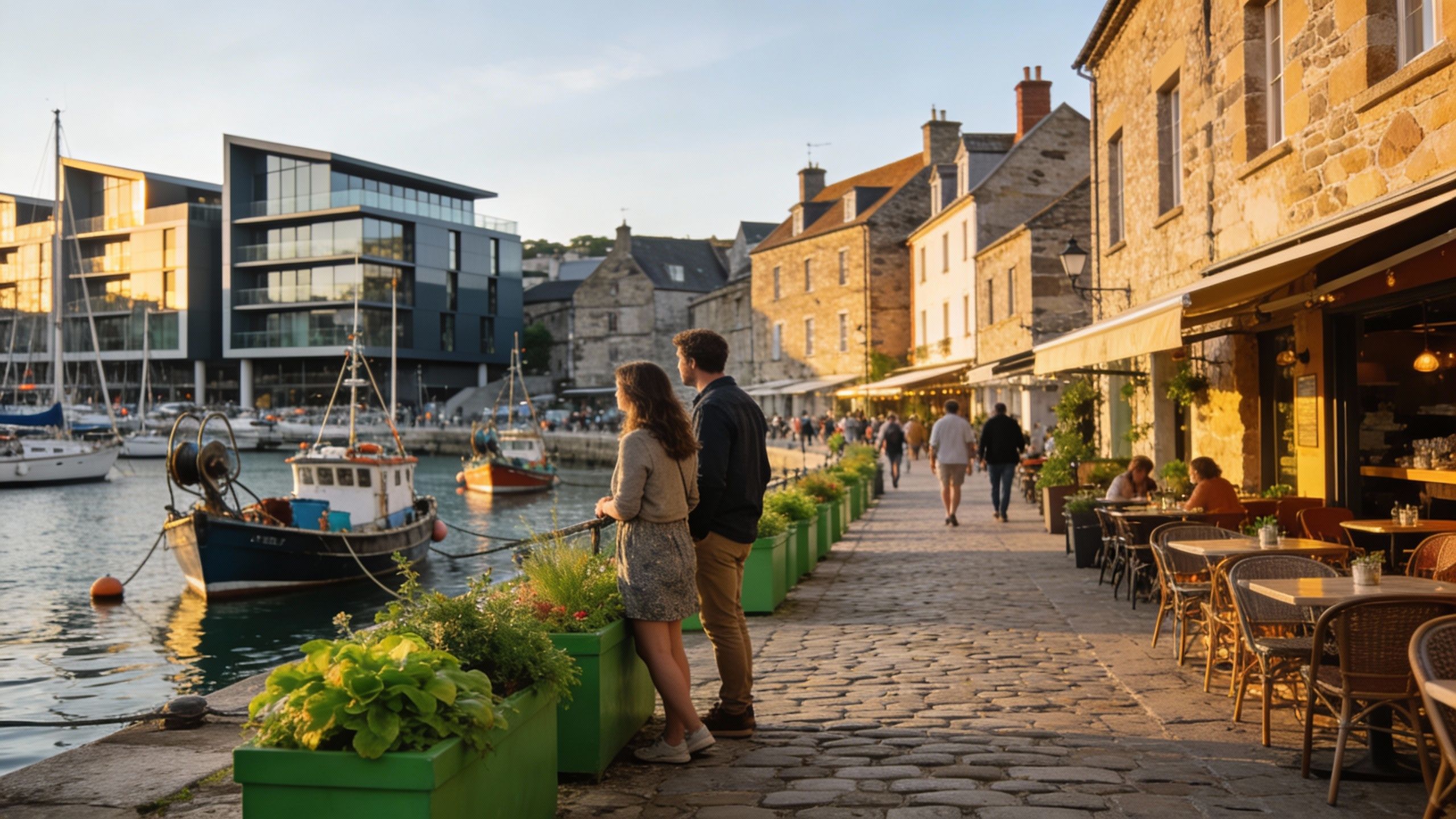
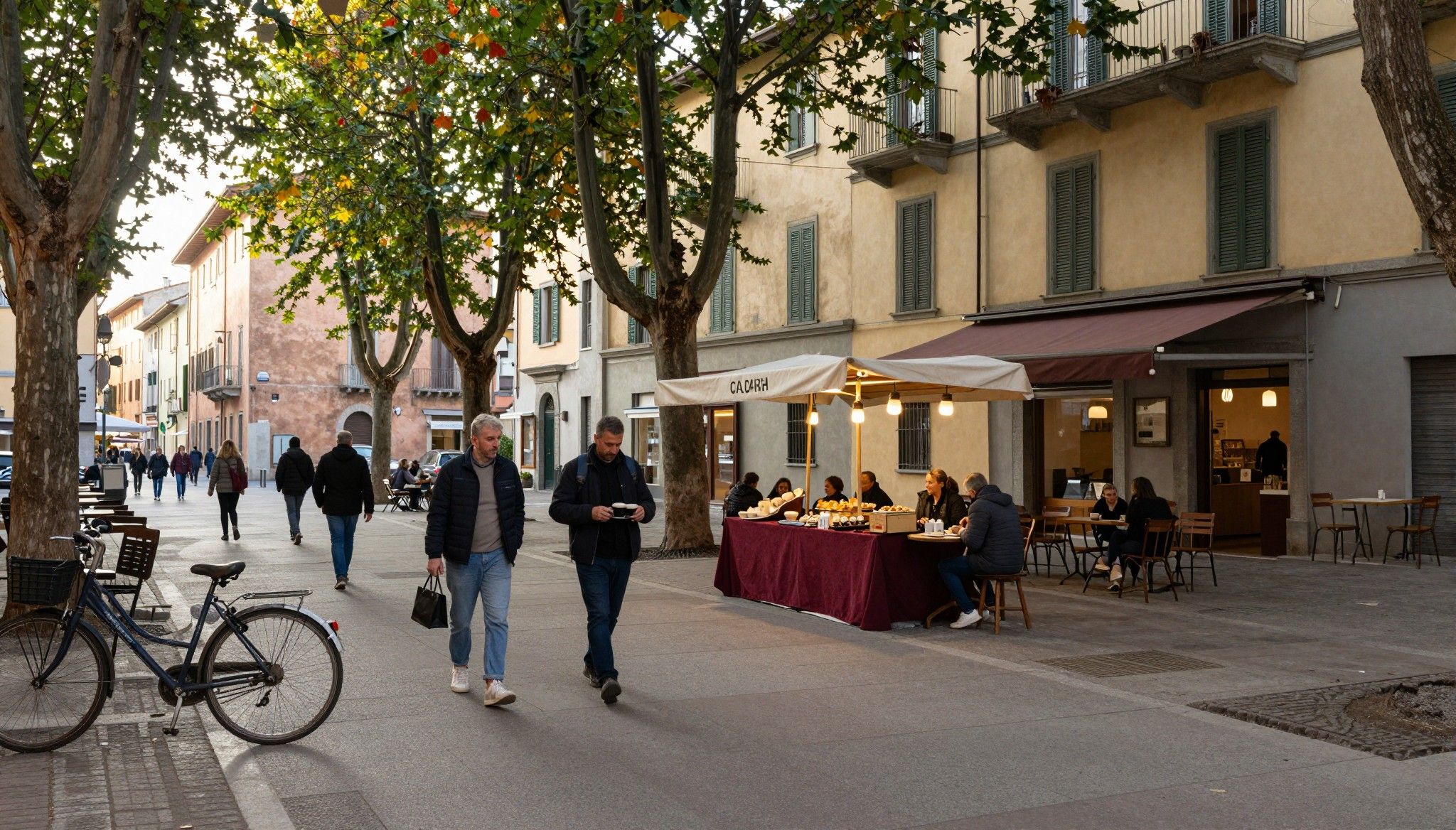
Imagine an autumn morning in Limassol: light falling across honeyed limestone façades, a barista placing a demitasse on a marble table in Ayios Nikolaos, and the harbour murmuring with fishermen preparing their nets. That everyday rhythm — market chatter, slow espresso, the cadence of the sea — is what draws people here long before spreadsheets and legal checklists. Yet for international buyers the romance of Cyprus must be paired with firm, place‑specific legal sense: title certainty, land registry checks and the island’s particular rules on non‑EU ownership. The following blends the lived experience of Cyprus with precise, research‑backed guidance to help you buy well and live beautifully.
Living the Cyprus life
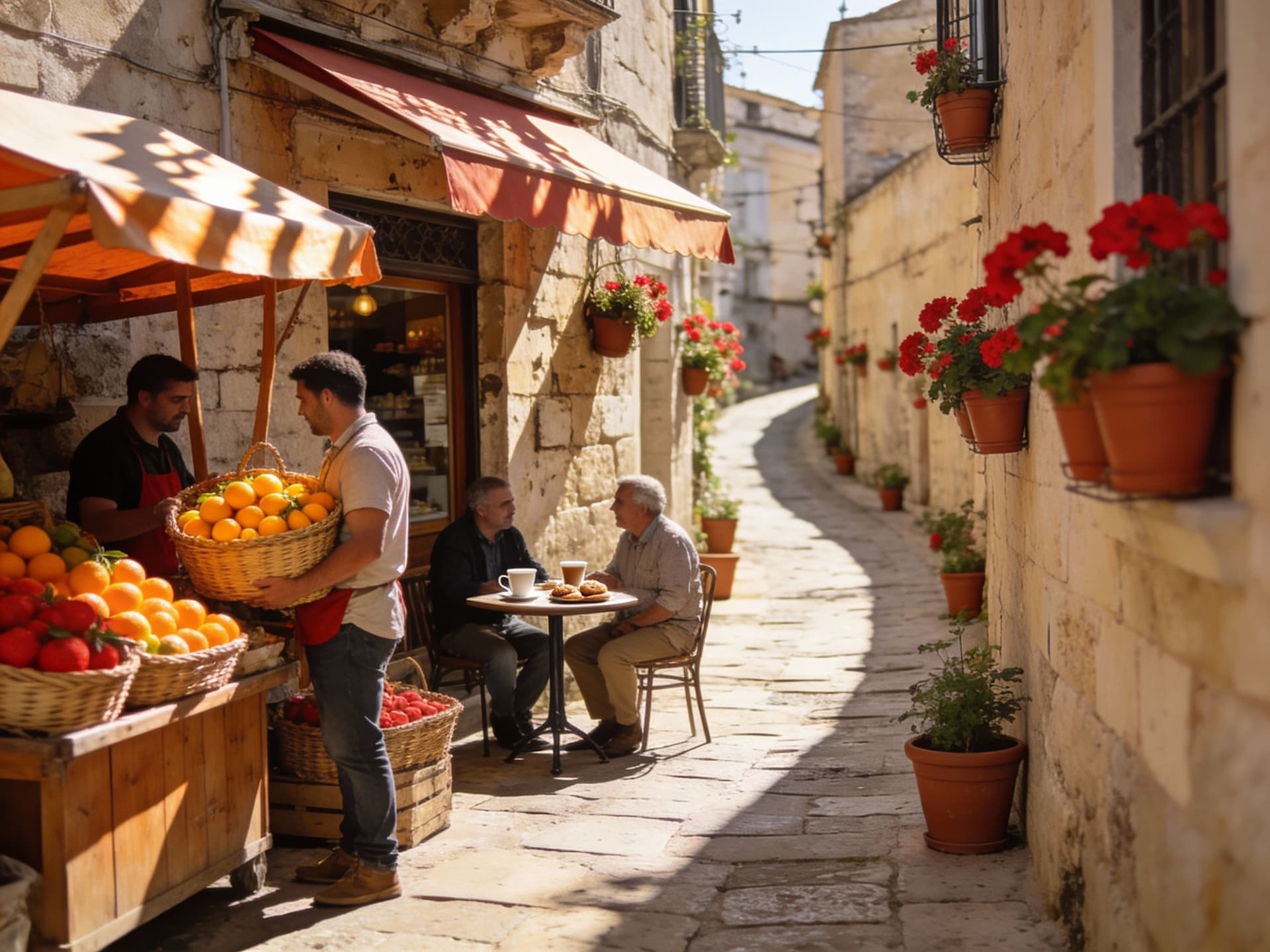
Cyprus moves at a considered pace: mornings belong to coffees and pastries, afternoons to siestas or coastal walks, and evenings to long meals of grilled fish and halloumi. Towns like Paphos and Limassol balance compact historical cores with contemporary marinas, while mountain villages such as Omodos and Kakopetria keep a quieter, artisanal rhythm. The island’s small scale means neighbourhood choice shapes daily life — a narrow street in old Nicosia feels entirely different from the broad promenades of Larnaca.
Neighborhood to know: Limassol’s old town and marina
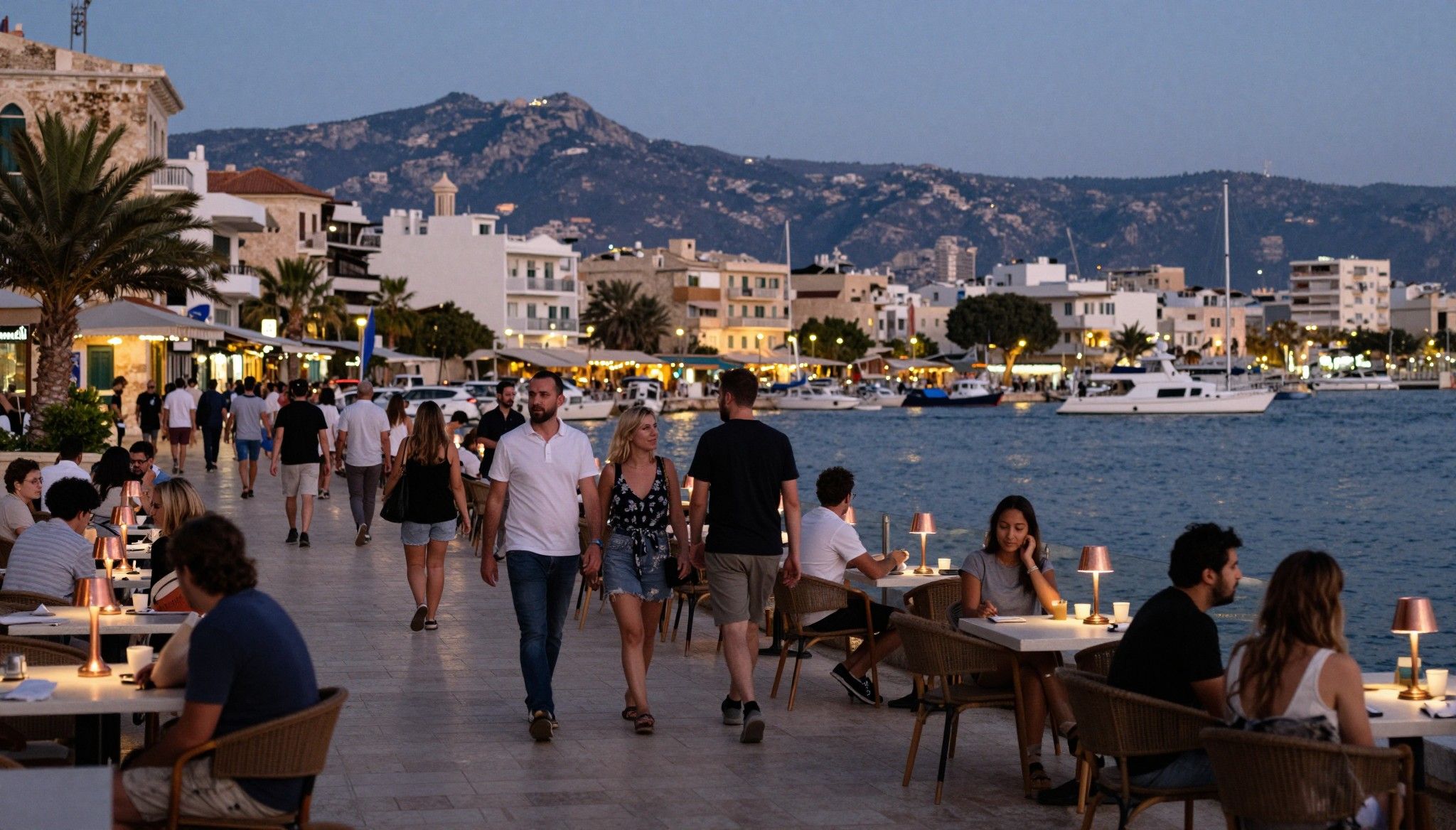
Walk from the restored Ottoman clocktower through winding alleys to the new marina and you feel two Cypruses in one: cobbled courtyards with artisan bakeries, then sleek apartment blocks with private port views. For those seeking convivial street life, Limassol’s old town offers morning markets (Municipal Market on Anexartisias Street), small tavernas on Agiou Andronikou and pockets of restored 19th‑century townhouses that reward careful renovation.
Food, markets and the seasons that shape life
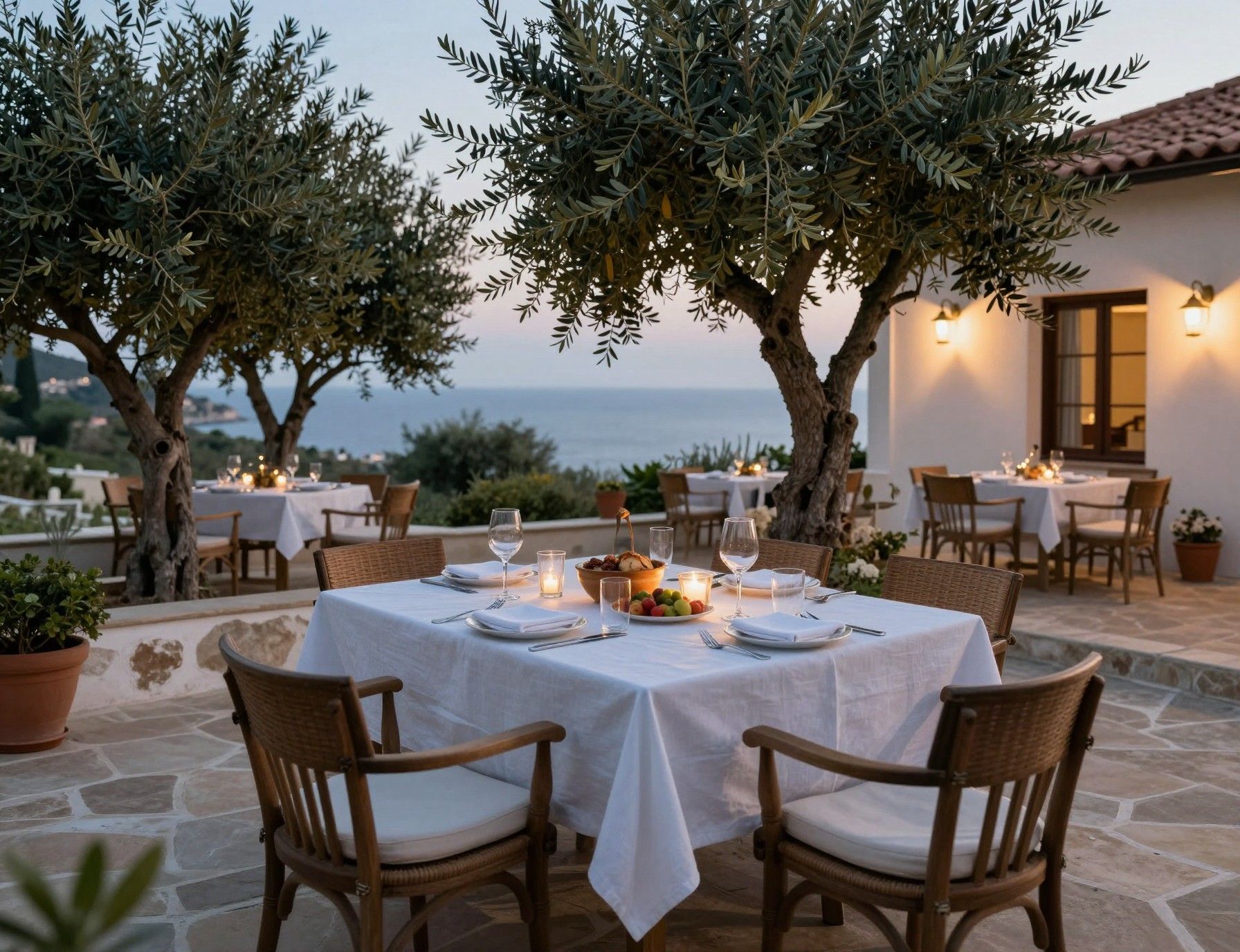
Seasonality is literal on this island: citrus blossoms in spring scent village lanes, summer brings yachting and late dinners on terraces, while autumn grape harvests reawaken inland tavernas. Weekly markets in Paralimni, Limassol and Paphos are as much social ritual as supply chain — buying a kilo of tomatoes from the same vendor forms the backbone of local life, and owning property near these markets often means easy access to the best produce and genuine neighbourly commerce.
- Limassol old town markets on Anexartisias Street, Paphos marina promenades, Omodos wine festivals (autumn), Larnaca’s Finikoudes beachfront promenade, Troodos mountain walks and village bakeries
Making the move: practical considerations that preserve lifestyle
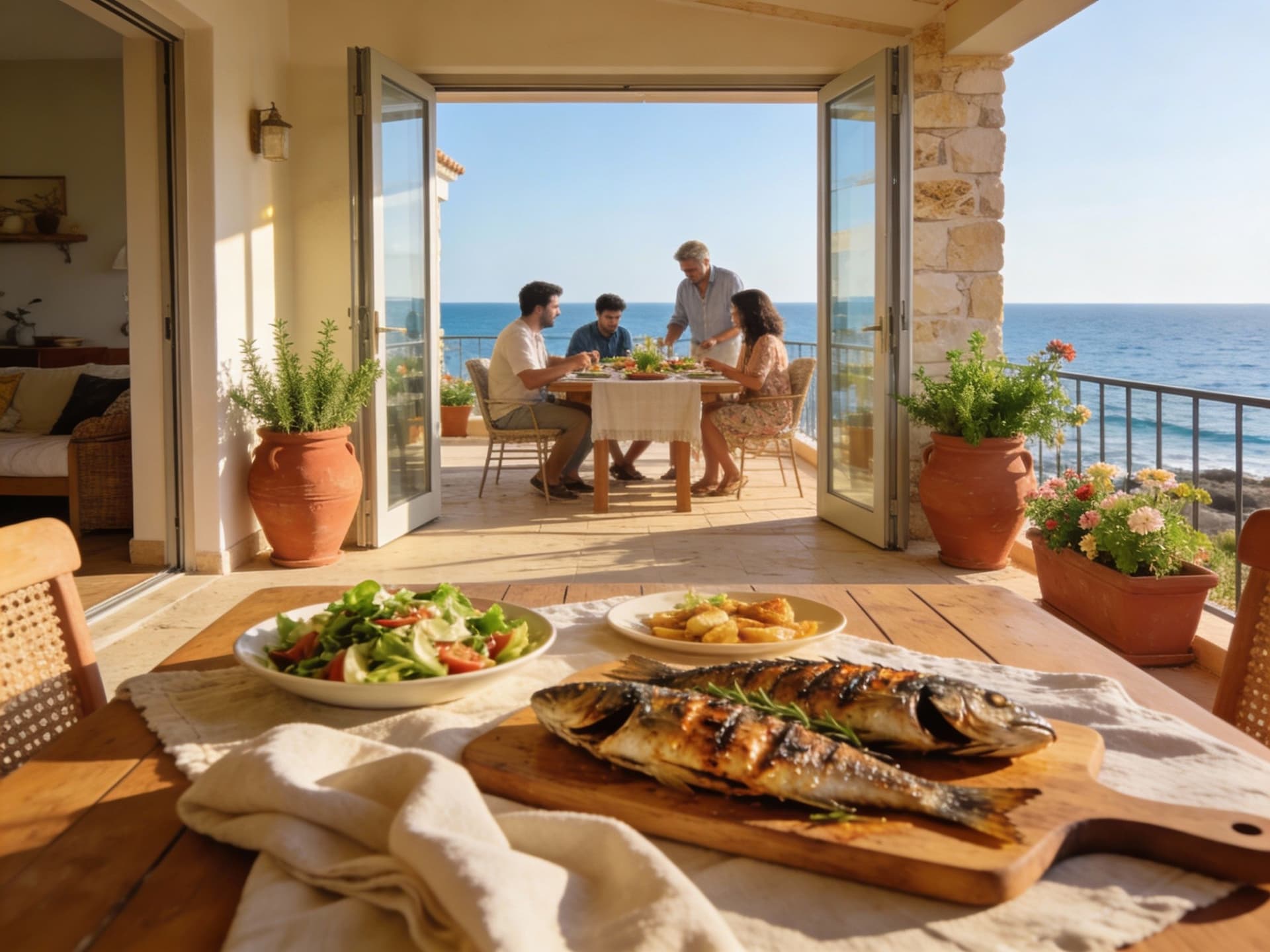
The pleasure of a neighbourhood is inseparable from property certainty. Cyprus operates a central Land Information System and the Department of Lands and Surveys provides the land registry services you will rely on during purchase. A clean search certificate, an up‑to‑date title and clarity about any encumbrances are non‑negotiable — they convert seaside fantasy into a secure asset you can pass to the next generation. Start with official land searches and allow time for translation and legal review.
Property types and how they shape daily life
Traditional stone village houses reward restoration and give access to year‑round community life; coastal apartments offer low‑maintenance living with proximity to cafés and marinas; modern villas on large plots buy privacy and gardens. Choose by how you want to use the property: a narrow townhouse near a market suits someone who wants immersion in local life; a villa outside Limassol works better for quieter, family‑centered routines.
How local experts translate lifestyle into legal certainty
- Engage a bilingual Cypriot lawyer early. They order land searches, verify the title, confirm building permits and guide payment structures. Use local architects for restorations to manage heritage rules. Retain an accountant to advise on residency and tax status; Cyprus’s non‑dom regime materially affects whether passive incomes such as dividends and interest will be taxed. Finally, a reputable agency with proven local experience will steer you to addresses that match both your lifestyle brief and legal constraints.
- 1. Order a search certificate from the Department of Lands and Surveys portal. 2. Ask your lawyer to verify any mortgages, easements or pending disputes. 3. Confirm planning permissions and as‑built conformity. 4. Verify the seller’s title chain through official land registry documents. 5. Discuss residency and non‑dom implications with a tax adviser.
Insider knowledge: legal wrinkles and expat truths
Three realities seasoned expats will tell you: first, legal formalities are often slower than you expect; second, Cyprus’s mix of EU law and local practice produces quirks (not all historical titles are straightforward); third, tax residency choices matter because the non‑dom regime can deliver significant benefits but requires careful qualification. Read official guidance, consult the Department of Lands and Surveys portal for registry services and be candid with advisors about your long‑term intentions.
Cultural integration and daily social life
Cypriots value hospitality and continuity. Expect invitations to family meals, an emphasis on local festivals and an ease with English in many urban centres. Learning a few phrases of Greek will open doors; participating in village fairs or a taverna’s Sunday roast is both social integration and a practical way to scout neighbourhood dynamics before you commit to purchase.
Longer‑term considerations: stewardship over speculation
- Consider maintenance of stonework and cisterns in older homes; check coastal erosion and sea‑view rights; budget for VAT where new builds may attract it; factor in local utility connection timelines; and plan for property management if you will be absent seasonally.
When the dream meets the deed: Cyprus offers a life that is tactile and quietly generous. Streets that smell of baking, tavernas that reuse family recipes, and afternoons that belong to the sea are matched — if you do the work — by legal clarity and durable title. Begin with official land searches via the Department of Lands and Surveys, discuss residency and non‑dom strategy with an accountant, and let a discreet local agency introduce you to the streets that will become home.
If you are ready to explore addresses, make three immediate calls: a Cypriot solicitor to order land searches, an accountant versed in the non‑dom regime, and a local agency that can show you both village lanes and marina life. That triad turns desire into a defensible purchase and ensures the life you imagine in Cyprus is the life the island can realistically sustain.
Having moved from Stockholm to Marbella in 2018, I help Scandinavian buyers navigate Spanish property law, restoration quality, and value through authentic provenance.