Cyprus: Non‑Dom, Residency & Property — Little Legal Traps
Cyprus offers sunlit living and fiscal advantages, but securing title, residency routes and non‑dom tax benefits requires precise local steps backed by legal and tax counsel.
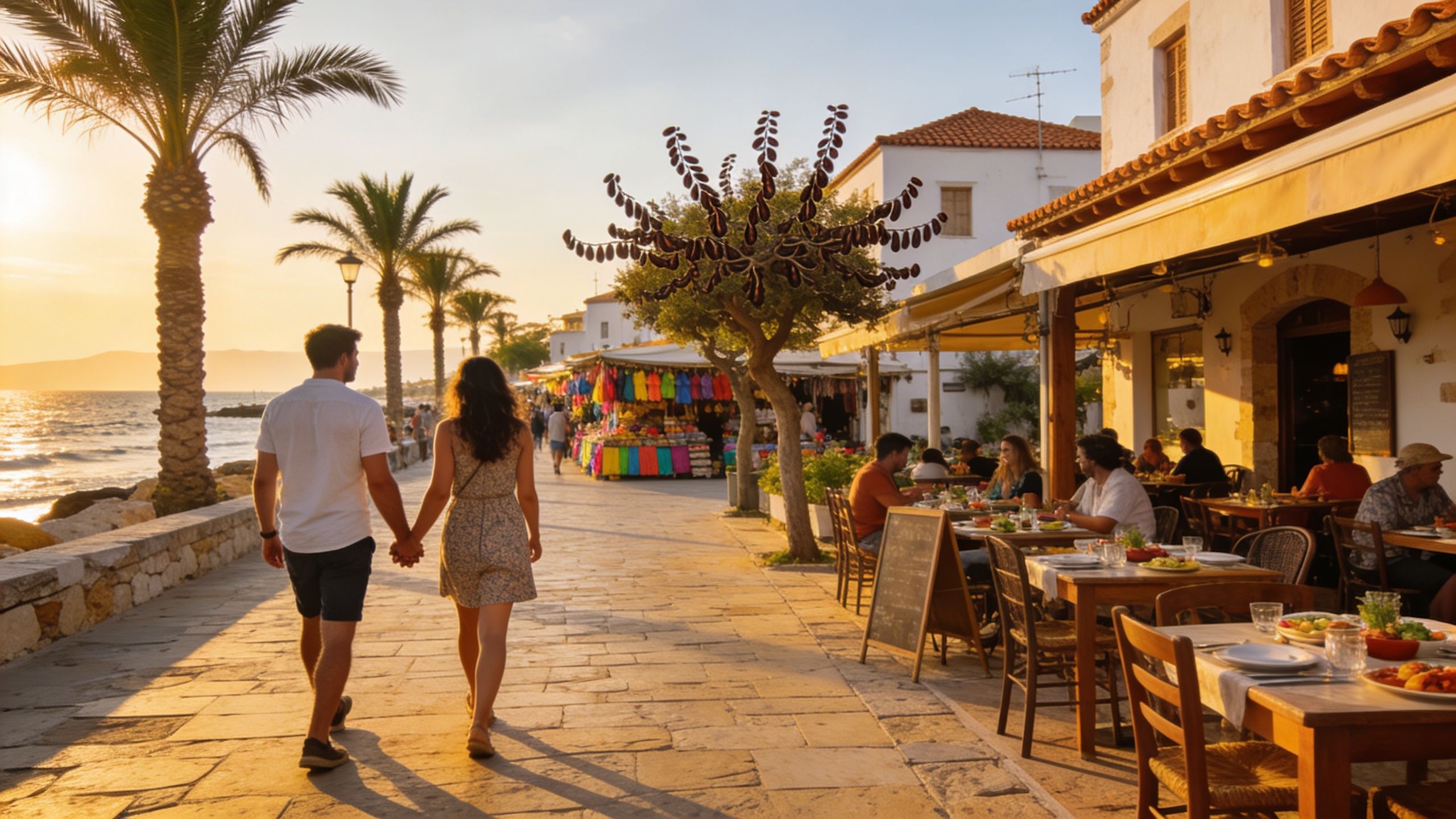
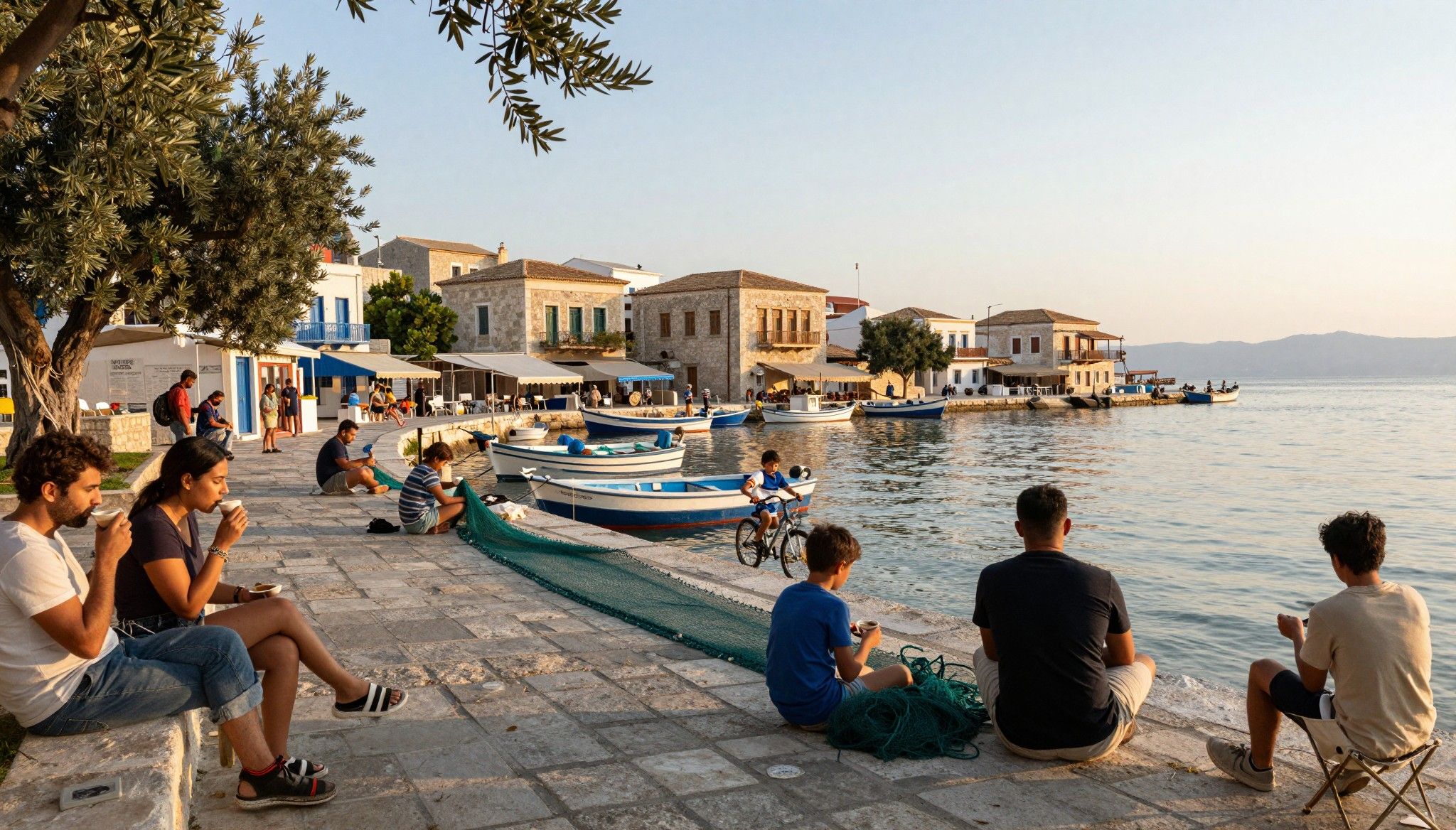
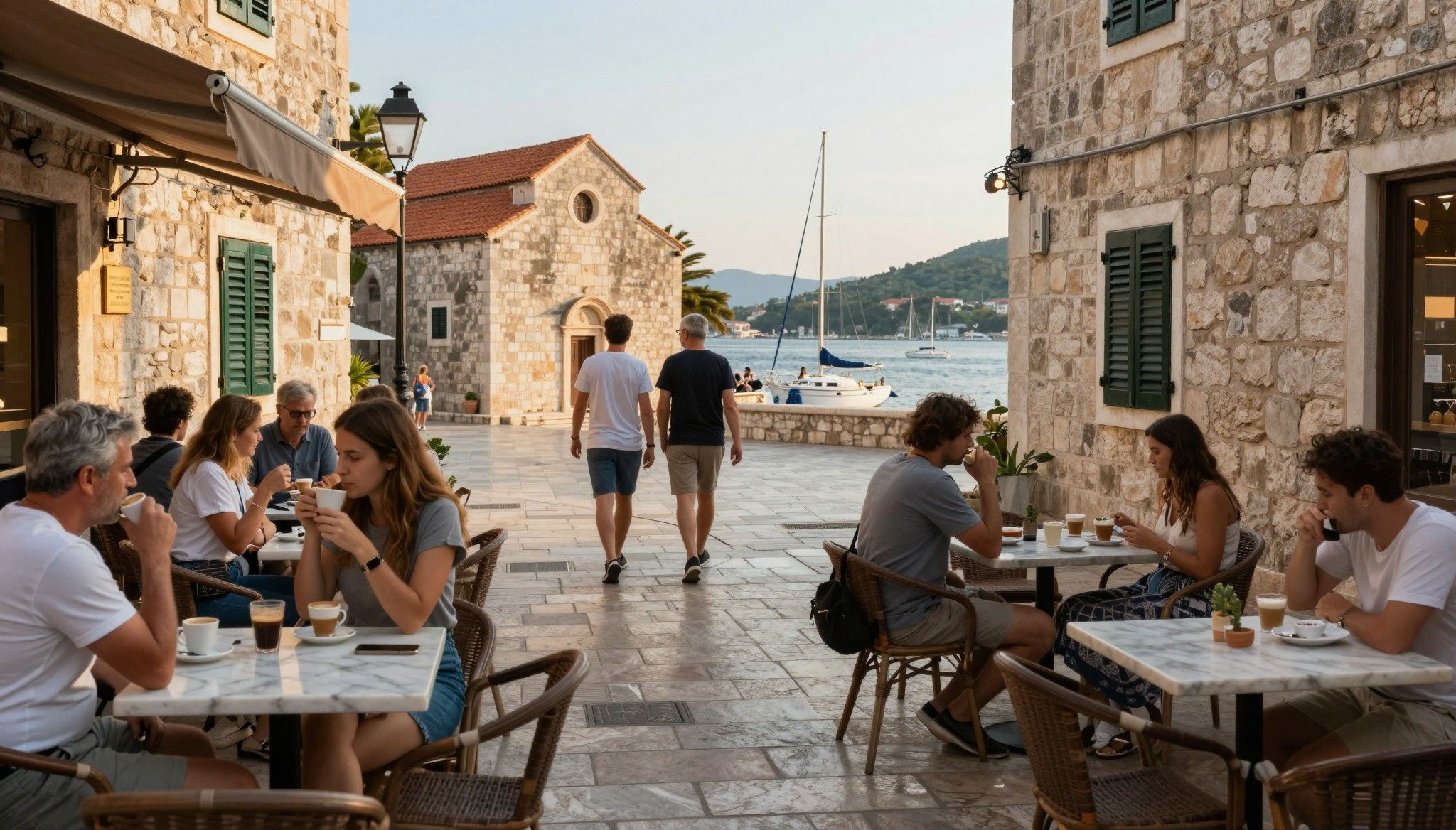
Imagine walking the stone‑lined lanes of old Limassol at dusk, espresso steam rising from a corner kafeneio while children kick a ball past shuttered colonial facades. In Cyprus the day yields to long, easy evenings and a domestic architecture that invites extended living — verandas, courtyards and kitchens that host whole afternoons. For an international buyer that sense of tempo is the primary attraction; the legal and fiscal scaffolding is what makes the dream durable. This piece balances those two truths: the life you'll wake up to, and the precise legal particulars that will protect it.
Living Cyprus: rhythm, neighbourhoods and practical pleasures
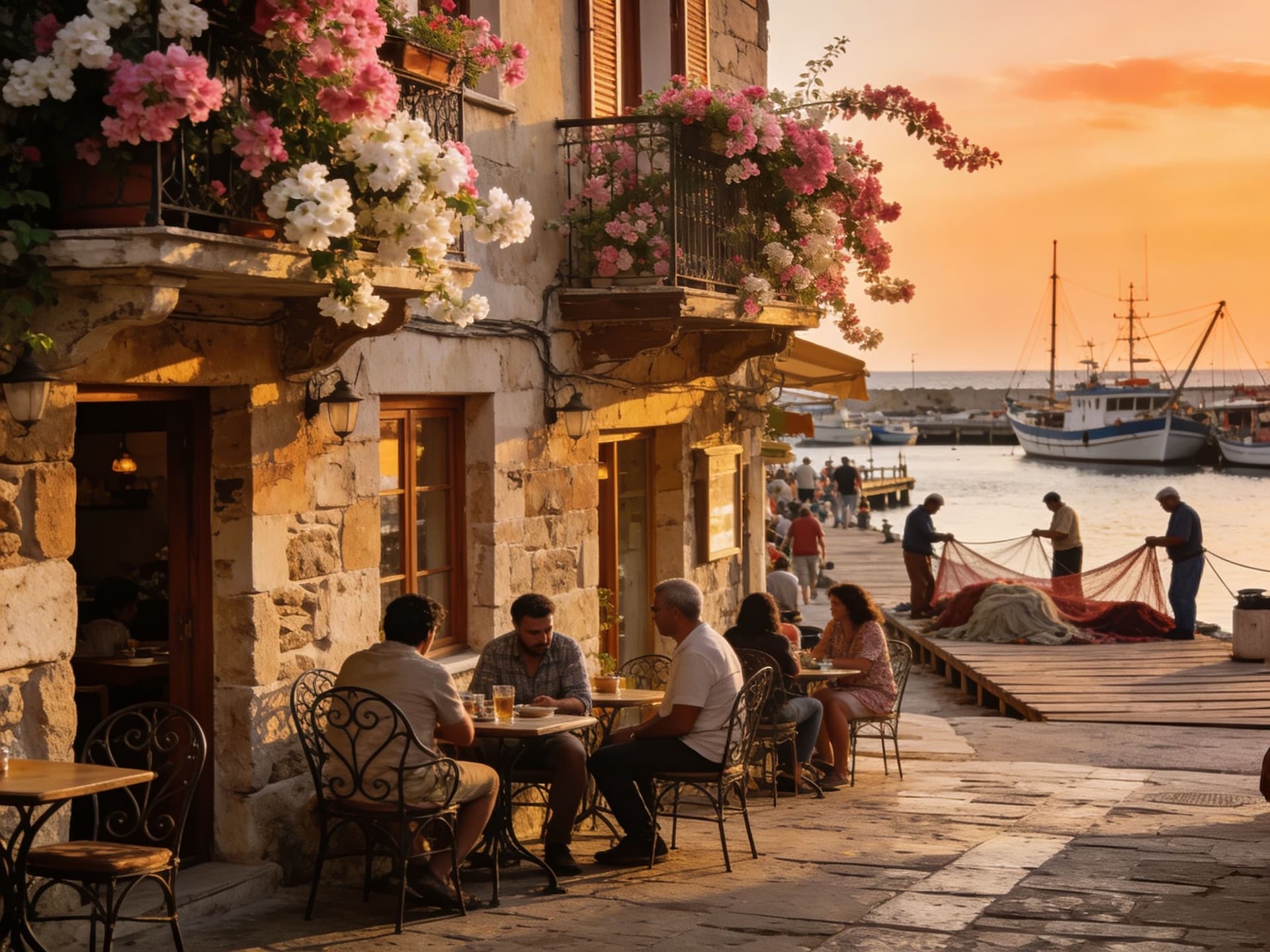
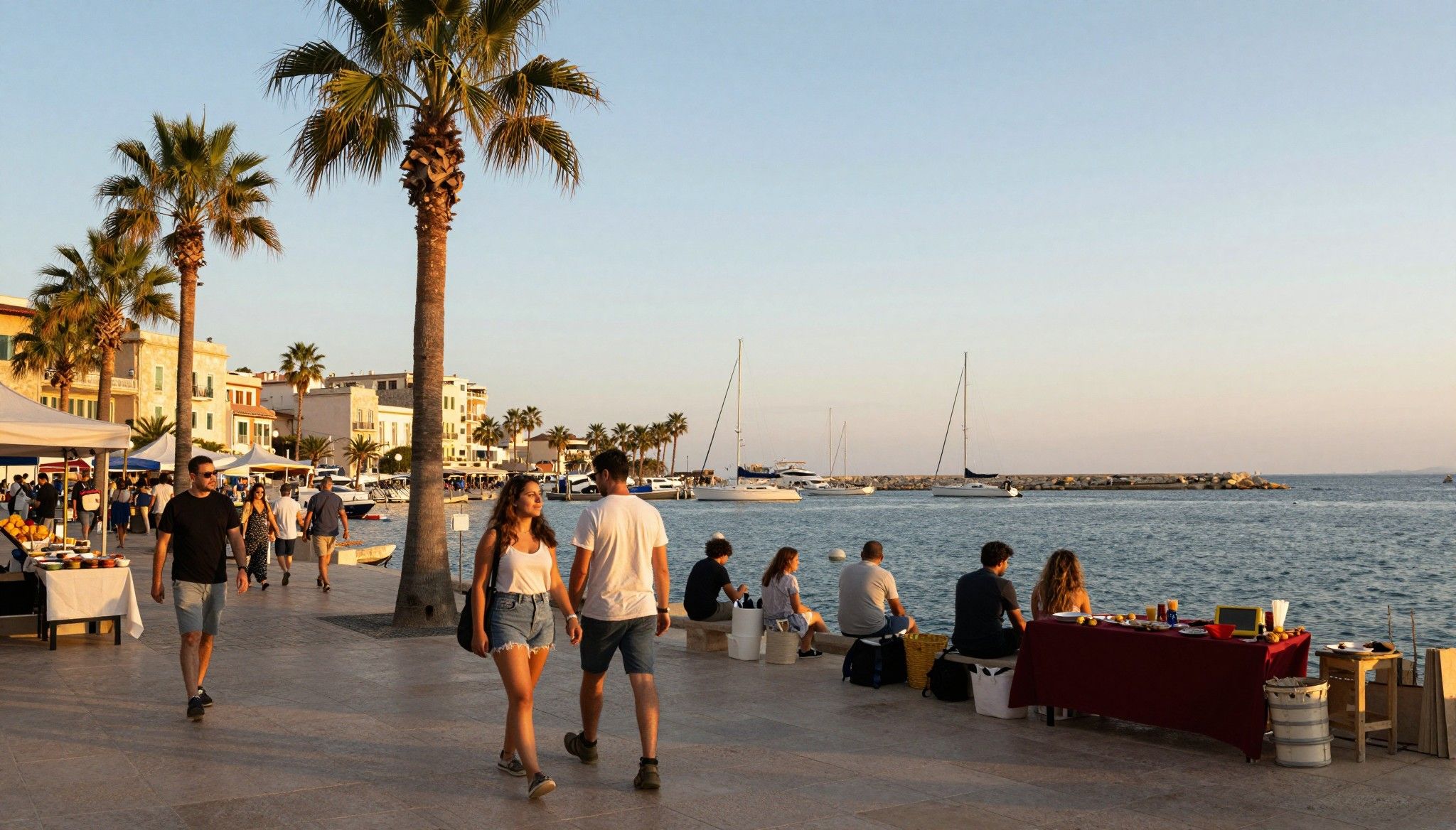
Cyprus favours life lived outdoors, and different coasts and villages supply distinct moods. Limassol hums with maritime commerce and a discreet luxury — think restored townhouses near Anexartisias and quiet, planted promenades along the Molos. Paphos preserves quieter rhythms: archaeological squares, tavernas by the harbour and stone houses in Kissonerga that suit a restorative pace. In the Troodos foothills, villages such as Omodos and Kakopetria offer cool afternoons, old stone houses and a craft culture that rewards restoration-minded buyers.
A Limassol evening: where you buy shapes how you live
Picture an apartment on Makariou Avenue: morning cafés, late‑day passeggiata and a short stroll to the marina. Buying here buys you an urban choreography — proximity to boutiques, galleries and discreet concierge services. But such convenience also brings specific legal points: strata titles, clearly registered common parts and up‑to‑date planning consents are essential. Inspecting title deeds and recent planning approvals is not optional; it is how you translate neighbourhood charm into enduring ownership.
Sea, sand and seasonal life: Paphos and Larnaca contrast
Seafront life in Paphos or the quieter stretches near Larnaca deliver different returns on the same investment: Paphos trades on heritage and tourism, while Larnaca offers calmer marina living and an emerging food scene. Seasonality affects rental use and maintenance — apartments that appear lively in July may feel entirely different in November. Your property brief should therefore include an assessment of short‑term letting rules, communal management capacity and heating/insulation suited to the brief Mediterranean winter.
- Limassol marina promenades; Paphos coastal tavernas; Troodos village craft markets; Larnaca salt lake walks; Kissonerga restored stone cottages; Anexartisias shopping and cafes
Making the move: legal realities that preserve the lifestyle

The island’s welcome to international homeowners is sincere but structured. Non‑EU buyers must follow the permissions process under the Aliens Law (Cap. 109), which controls what and how much a foreign national may acquire; the Ministry’s official guidance explains the permit application and required supporting documents. For practical security, always confirm that the seller’s title is complete, that any apartment has separate title deeds, and that the sale contract is stamped and lodged correctly with the district administration. These administrative steps are concise but consequential — they prevent surprises after you have fallen in love with a place.
Property types and the legal tradeoffs
A traditional stone maisonette requires meticulous title work but rewards with provenance; a new coastal apartment requires careful attention to planning consents and developer guarantees. If residency is a priority, the fast‑track permanent residence option is tied to first‑hand purchases from developers above a set investment threshold — most market advisers reference the common €300,000 floor for qualifying new builds. Verify whether the property is first‑sale, whether VAT applies and that funds will be transferred via formal banking channels, since these conditions feed directly into residency applications.
Working with local experts who understand both life and law
- 1. Commission a local lawyer to perform full title due diligence and to lodge the COMM 145 application where required. 2. Instruct a surveyor to confirm boundaries, rights of way and any outstanding planning conditions. 3. Ask your agent to provide written evidence of a property’s planning consent and the developer’s warranty where applicable. 4. Confirm tax residence implications with an independent tax adviser before you change your domicile or make passive income declarations. 5. Retain copies of all bank transfers and contractual stamps — they will be required for residency or non‑dom claims.
Insider knowledge: tax, residency and little‑spoken tradeoffs
One of Cyprus’s most useful but misunderstood features is the non‑dom tax position. If you become a Cyprus tax resident and are non‑domiciled, you can be exempt from the Special Defence Contribution on dividends and interest — a substantial benefit for investors. That advantage is not indefinite: the rules that create “deemed domicile” after long periods of tax residence change your status, and the 17‑of‑20 years rule is commonly discussed among tax advisers. Treat non‑dom planning as a long‑term stewardship decision, not a short‑term arbitrage.
What expats wish they had known
Expats often arrive enchanted by sea views and local hospitality but underestimate everyday logistics: petty maintenance on stone façades, the cadence of municipal services in smaller villages, and the seasonal nature of local tradespeople. Language is rarely a barrier in transactions, but cultural norms — negotiation style, the pace of municipal approvals, and the role of family in property succession — shape outcomes. The best preparation is local knowledge: a lawyer who answers with specific street names, a surveyor who has measured the plot next door, an agent who knows which cafés host the Saturday market.
Long‑term stewardship: what the next decade looks like
Think in renovation cycles, not quick flips. Traditional properties reward patient restoration: roof timbers replaced with like materials, lime‑based renders and sympathetic landscaping preserve value and character. New builds benefit from modern engineering but require attention to communal management and the durability of external finishes in a Mediterranean climate. Plan maintenance budgets, clarify management agreements and factor in insurance that covers seismic or weather events specific to coastal Cyprus.
If the life described here feels like a match, start with three local steps: engage a Cyprus lawyer to examine title deeds and the COMM 145 application where needed; verify whether the property is first‑sale (if residency via investment matters) and obtain a surveyor’s report; and consult a tax expert about non‑dom status and the 17‑of‑20 year rule. Those steps are small investments of time that translate a feeling — the sound of a market, the light on a terrace — into secure ownership. When you combine careful legal work with place‑based taste, Cyprus becomes not only somewhere you visit, but somewhere you steward.
Former Copenhagen architect who relocated to Provence, offering relocation services, market analysis, and a curator’s eye for authentic regional design.