Why Summer House‑Hunting in Italy Often Fools Buyers
Summer viewings can mislead. Observe Italy in shoulder months, prioritise lived‑in neighbourhoods and commission winter‑aware inspections for lasting value.
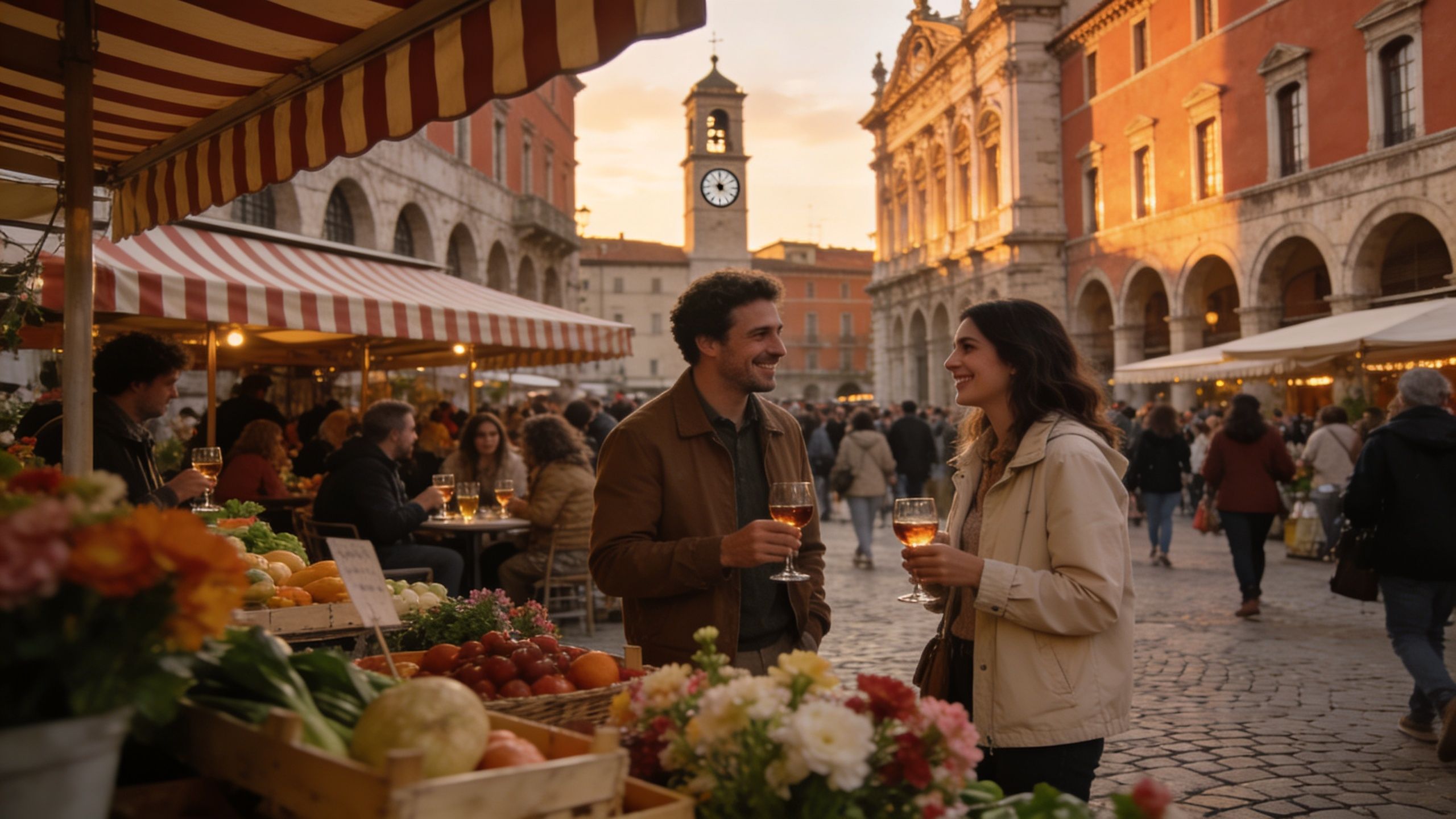
Imagine arriving in an Italian town at the height of July: piazzas full of holiday crowds, market stalls spilling peaches and basil, terrazze booked weeks ahead. Summer is seductive and immediate — the reason many foreign buyers begin their search in that season. Yet what feels like the essence of daily life is often a curated, touristic moment. For a property purchase that will sustain both lifestyle and value, timing matters as much as address.
Living the Italian Life — and Where the Performance Hides
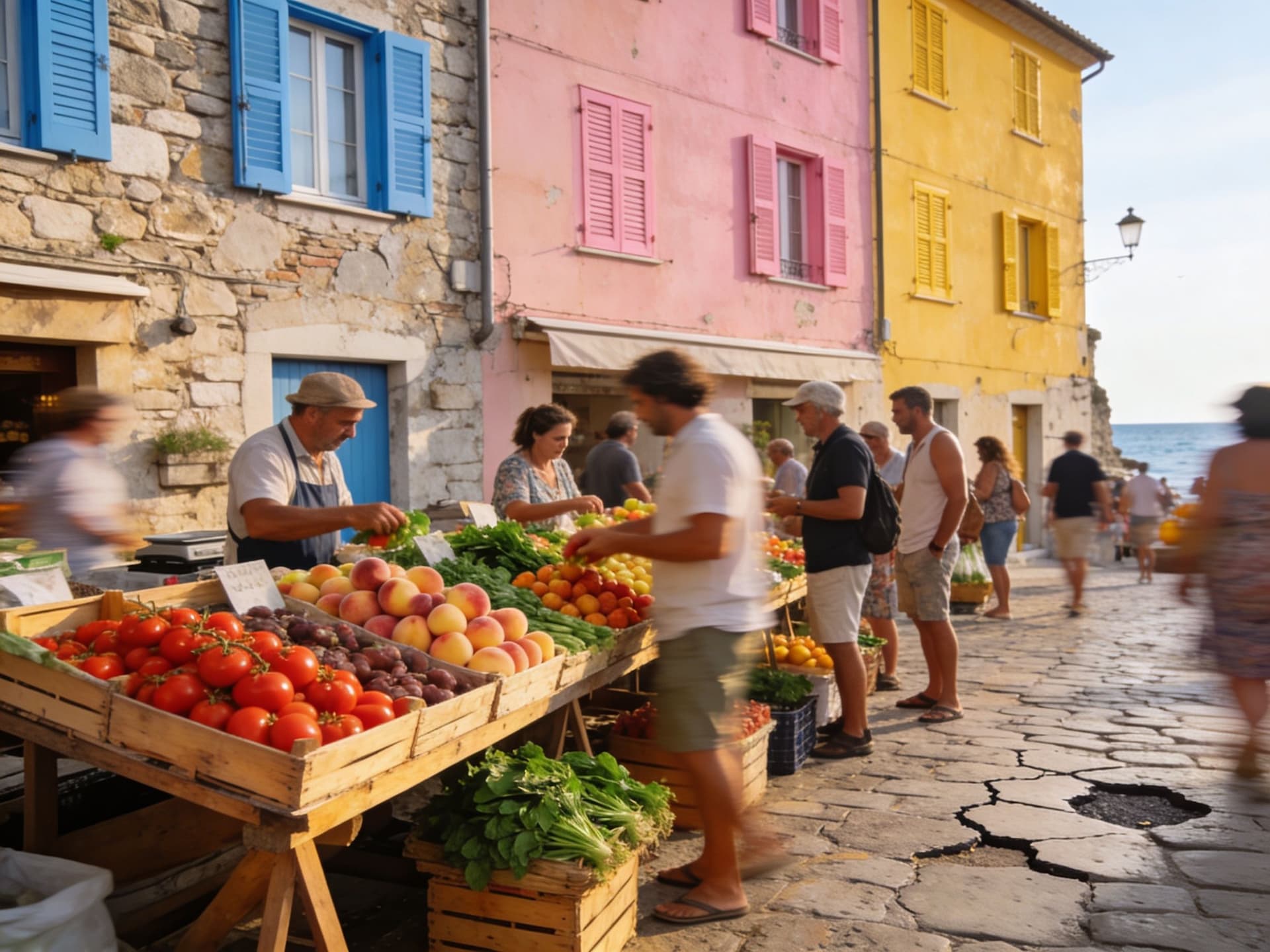
Italy’s daily rhythms shift sharply by season: coastal towns breathe differently in August than they do in October, and historic centres hum with routines that are visible only outside high summer. National data show modest annual price growth in recent periods, driven chiefly by existing dwellings rather than new builds — a signal that provenance and location continue to command premium value. Read in lifestyle terms, that means the neighbourhoods that feel lived-in in autumn and spring are often the ones with steadier long-term demand. Summer’s pageant can obscure those signs.
Florence’s Oltrarno and Milan’s Brera: craft and calm
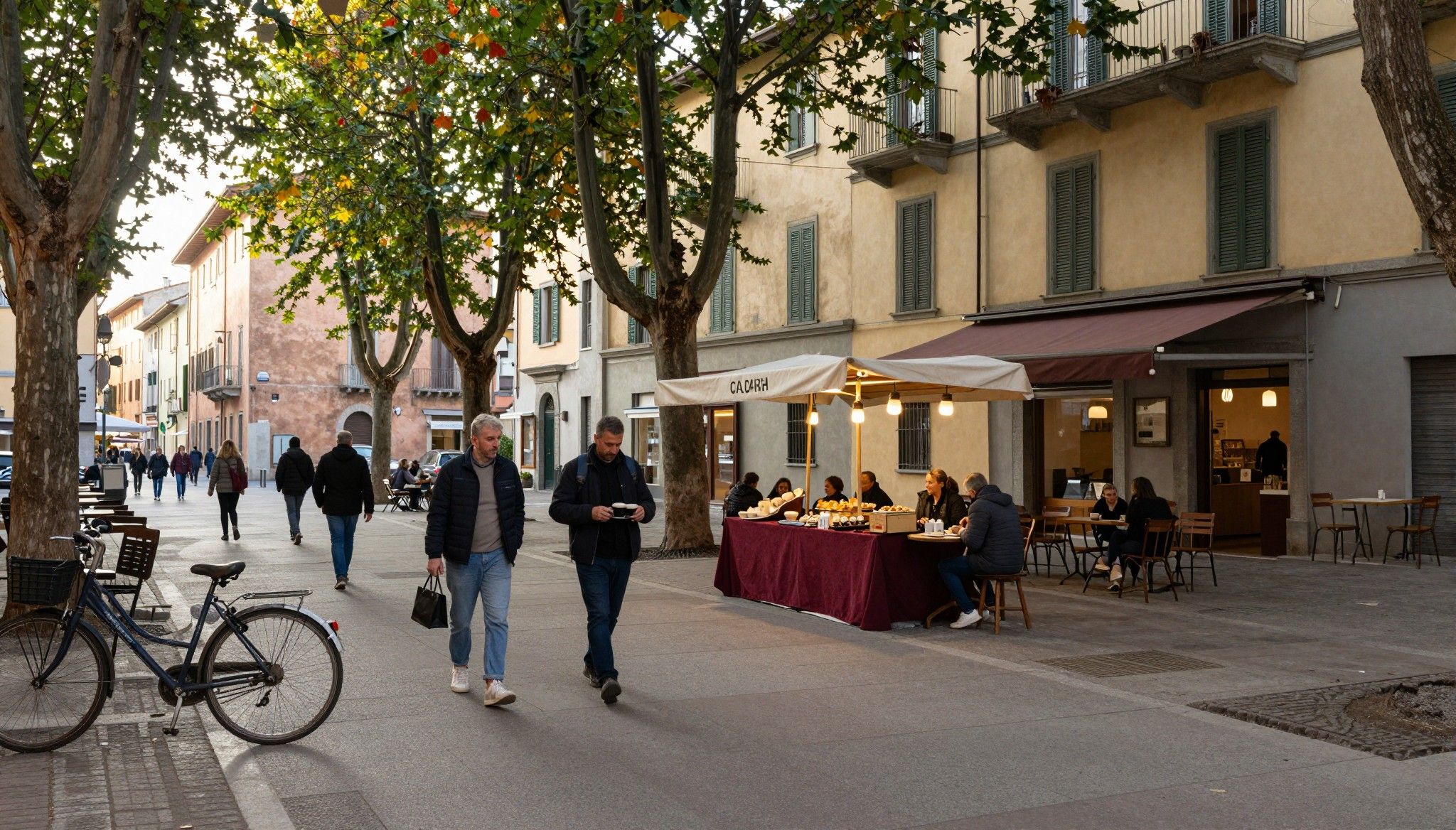
Stroll Oltrarno at dawn to see restorers and small ateliers preparing for the day; Brera’s narrow lanes hold salons and trattorie where neighbours still know one another’s names. These are places where the built environment — artisan workshops, garden courtyards, original parquet and stone thresholds — supports a life lived slowly and well. Buyers who value authentic daily scenes should prioritise neighbourhoods that show this continuity outside of the tourist calendar, not the vistas that only exist under summer crowds.
Coastlines and countryside: where summer masks year‑round demand
The Amalfi Coast, Lake Como and parts of Liguria read like postcards in high season; Puglia and parts of Sicily present a quieter, more affordable alternative that is increasingly popular with international buyers. Analysis of search and enquiry behaviour shows rising interest in southern regions outside the classic luxury circuits. For lifestyle buyers who prize day-to-day authenticity — local markets, neighbourhood bars, nearby schools — these emerging coastal and inland towns often offer a more truthful reflection of living in Italy.
- Lifestyle highlights that reveal true neighbourhood character
- Morning markets: Campo de' Fiori (Rome) or Mercato Centrale (Florence) where producers arrive before 8am
- Local cafés: Bar Pasticceria on a side street where the espresso ritual shapes social life
- Neighbourhood osterie and botteghe: family-run businesses that are visible year‑round, not seasonal pop-ups
Making the Move: Practical Considerations Beyond the Holiday Glow
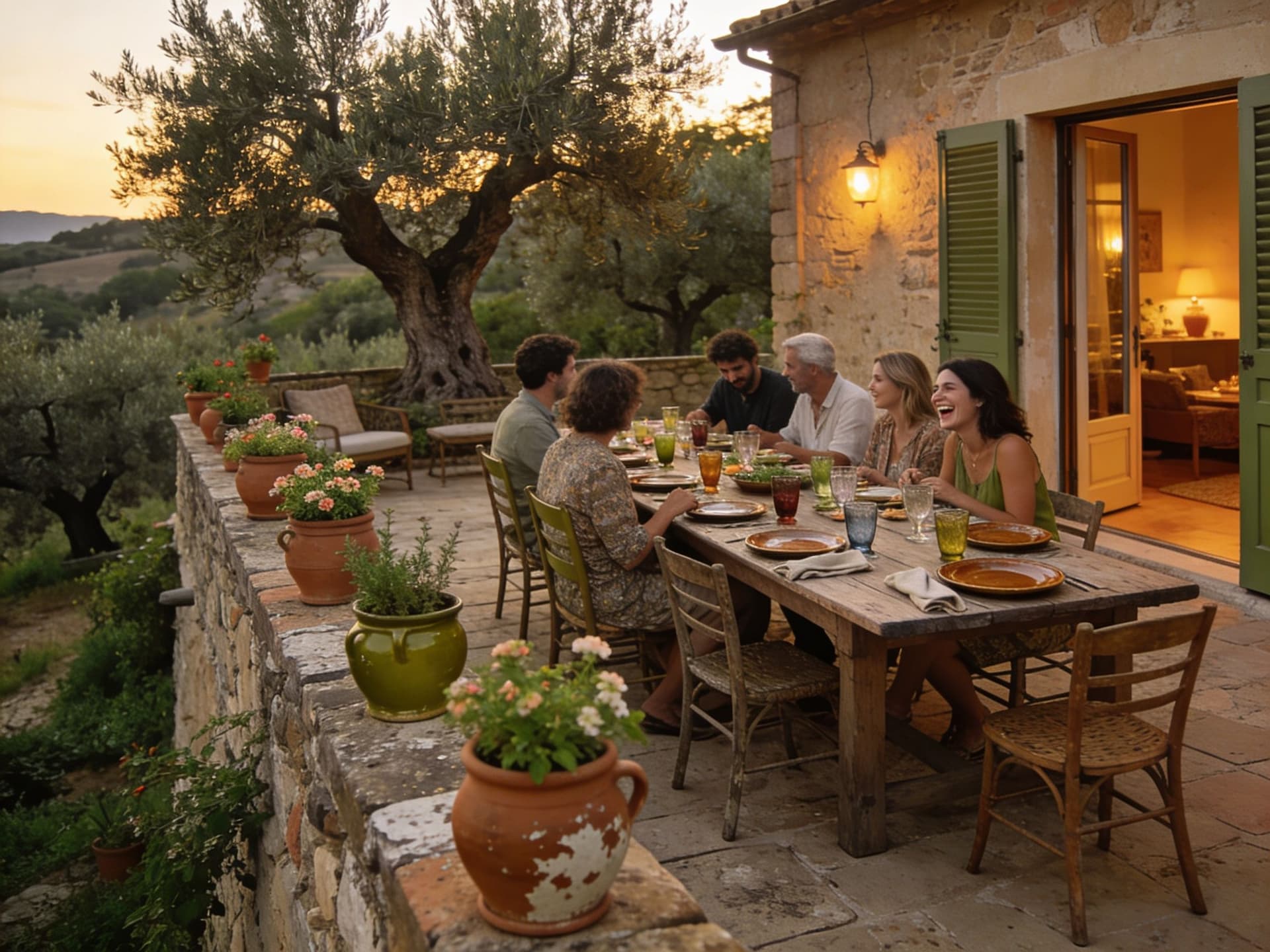
If summer is the season of impression, autumn and spring are the seasons of appraisal. Practical diligence — assessing building fabric, speaking with local neighbours, observing street rhythms on a weekday — yields insights that a July viewing cannot. Regions such as Puglia and parts of Sicily are attracting buyers precisely because they reveal their daily life outside the holiday window; that steadiness is often a better indicator of future demand and resale resilience.
Property typologies and the life they enable
A terraced apartment in a medieval hill town will give you windows onto communal life; a restored Masseria in Puglia offers private gardens, olive groves and a different kind of neighbourly economy. New builds supply modern MEP systems but often lack the patina, proportion and material quality that confer long-term desirability. Match the architecture to the life you intend to lead — entertaining on a terrace, running a small agritourism business, or joining a quiet village routine — and inspect the features that enable that life: storage, shutters, courtyard privacy, and heating that works outside peak season.
Working with local experts who see past summer staging
A local agency versed in municipal rules, conservation constraints and seasonal rental patterns will steer you towards neighbourhoods that breathe beyond July. Good advisers arrange off-season viewings, introduce you to neighbours and tradespeople, and provide comparative data that reflects year‑round occupancy and services. For buyers seeking lifestyle authenticity, the right expert is as much a cultural translator as a transactional guide.
- Steps to a season‑aware purchase
- 1. Arrange viewings in shoulder months (April–June or September–October) to observe regular life and utilities in use.
- 2. Commission a fabric and systems inspection that includes checks for damp, masonry settlement and heating capacity for winter months.
- 3. Speak with local residents about services — bakeries, pharmacies, schools — and their seasonal availability.
Insider Knowledge: What Expats Wish They’d Known
Experienced expats often describe a single regret: basing a purchase on what they saw in high summer. Beyond this, there are subtler lessons — the value of a modestly sized garden in a town where outdoor dining is central, the importance of secure storage for seasonal items, and the quiet premium of properties with well-documented restorations. National indices show modest but persistent growth; where you buy within Italy will determine whether you capture that trend or pay for a transient glamour.
Cultural integration and everyday practices
Learning a few lines of Italian, participating in a neighbourhood festa, and buying from the same market vendor each week are small acts that convert a house into a home. Social rhythms — the mid‑day pause, late evening passeggiata — shape how spaces are used and what features matter in a property: kitchens built for convivial cooking, courtyards that serve as dining rooms, and shutters that regulate both light and social privacy.
How life evolves: stewardship over speculation
Many buyers arrive seeking immediate returns through short-lets or resale. Those who fare best approach a purchase as stewardship: they prioritise properties with clear architectural quality and restoration records, engage local craftsmen for sensitive updates, and accept that value often accrues from authenticity rather than fashion. Regions gaining rapid attention require particular care to ensure permitted works and conservation rules are respected.
- Red flags to watch for when a place looks perfect in summer
- Temporarily open services: cafes or shops that close outside tourist months
- Uninspected sea salt damage and damp issues masked by warm weather
- Properties with rental histories reliant on peak-season occupancy rather than year‑round demand
- 1. Start with lifestyle priorities (daily markets, community, schools) and let them shape your shortlist.
- 2. Use shoulder‑season visits and local expertise to test whether the life you imagine is constant, not seasonal theatre.
- 3. Commission technical surveys that account for winter weather, rising humidity and heritage constraints.
To fall in love with Italy is to accept a layered life: streets that change mood with the season, neighbours who define a quarter, and properties whose value is measured in craft and continuity. If your opening viewing happens in full summer splendour, make deliberate steps to see the same places in quieter months before committing. Work with advisers who prioritise lived experience and documented quality over market theatre; they will show you the neighbourhoods that keep their promise once the crowds have gone.
If you would like a curated shortlist for a shoulder‑season visit — specific neighbourhoods in Florence, Milan, Puglia and Sicily, with inspections booked and craftsmen ready to advise — contact a local agency that combines cultural fluency with technical rigour. The right move reveals itself not in the heat of July, but in the steady light of an ordinary Italian morning.
Having moved from Stockholm to Marbella in 2018, I help Scandinavian buyers navigate Spanish property law, restoration quality, and value through authentic provenance.