Croatia: Financing the Life, Not Just the Property
A lifestyle‑first look at financing in Croatia: how reciprocity, seasonal income and local lending shape practical mortgage choices and long‑term stewardship.
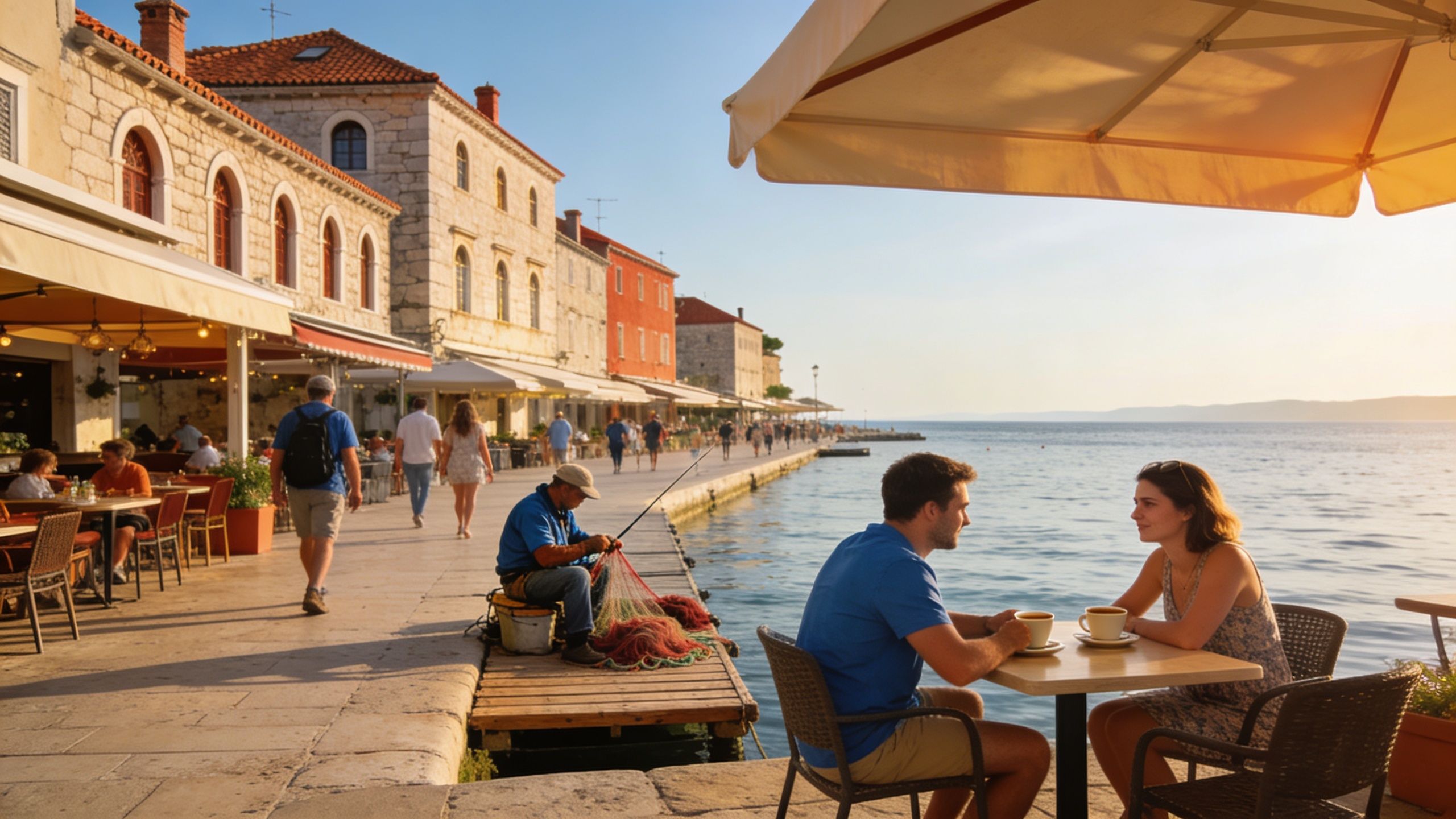
Imagine waking to the scent of roasted beans at Dolac market, then walking past worn stone façades toward a sunlit terrace on the Adriatic. In Croatia, daily life blends maritime calm, late‑afternoon cafés, and a respect for craft — and those rhythms should shape how you finance a home here. This guide pairs that lived experience with practical financing realities so you can pursue the life rather than be surprised by the numbers.
Living the Croatian Rhythm
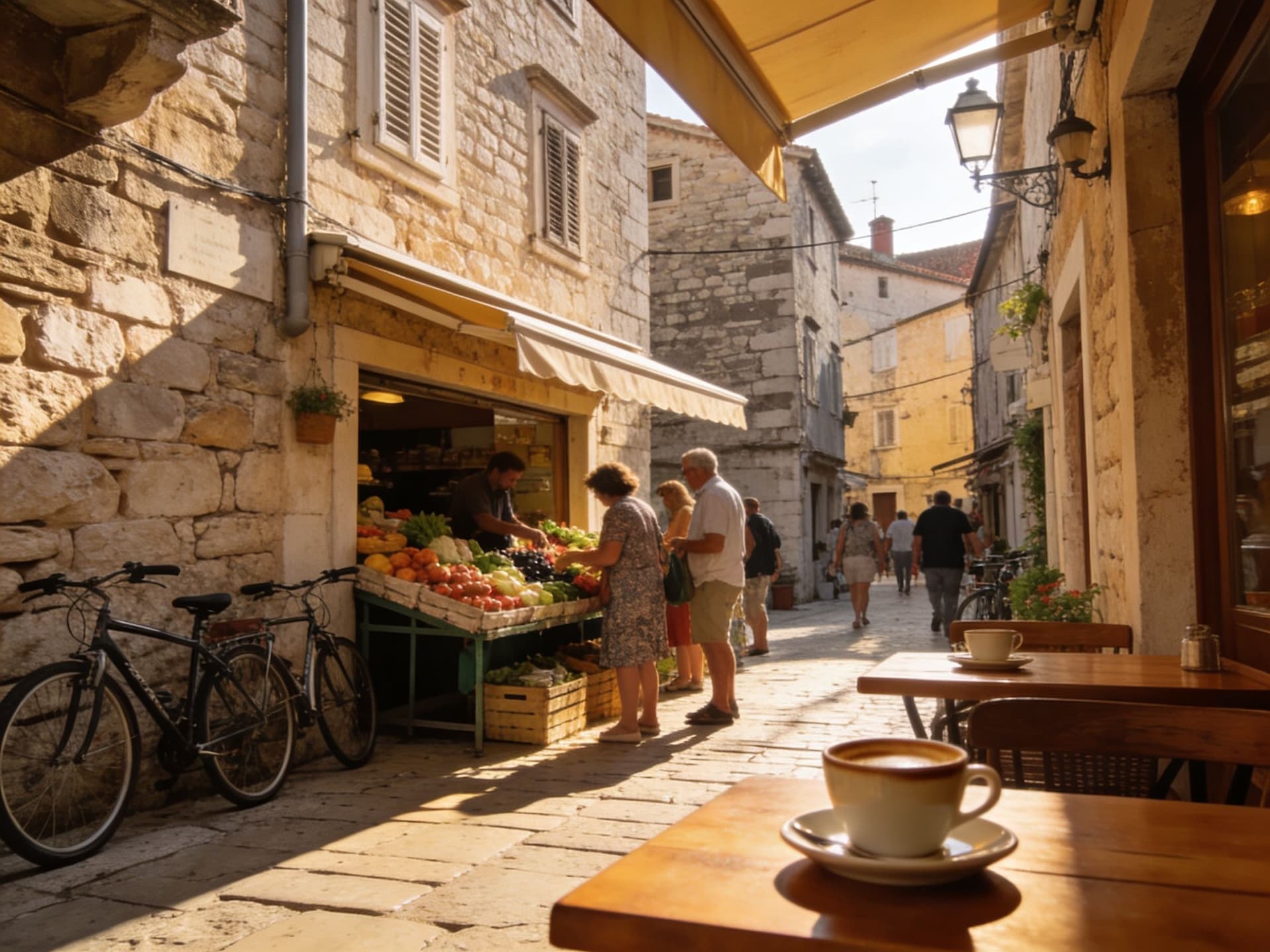
Croatia’s daily tempo is coastal and seasonal on the Adriatic, urbane and precise in Zagreb, and quietly agricultural inland. Mornings begin at neighbourhood bakeries; afternoons are for the sea or parks; evenings for konoba dinners and slow conversation. These patterns matter to finance choices: will you buy a pied‑à‑terre for summers in Dubrovnik, a family house near Split for year‑round life, or a rural stone house in Istria that requires renovation and patience?
Neighborhoods that define the lifestyle
Zagreb’s Donji Grad offers late‑night theatre and elegant apartments; Dubrovnik’s Ploče and Lapad promise immediate sea views and tourist flux; Rovinj and Motovun in Istria attract artisans and food collectors. Each locale carries different seasonal occupancy, rental demand and maintenance expectations — factors that will alter deposit size, loan appetite and the advisability of short‑term letting as a revenue stream.
Food, markets and the seasons that shape value
Picture buying grilled squid at Hvar’s market in July, or truffle hunting in late autumn in Istria. Properties near recurring cultural events — maritime festivals, summer open‑air theatre, wine harvests — can command seasonal premiums. That premium is not always a mark‑up on quality; it is often a reflection of short‑season demand. When financing, treat seasonal income projections conservatively and map cashflow to off‑season realities.
- Lifestyle highlights that affect financing:
- Dolac market mornings (Zagreb) — proximity increases livability, not necessarily resale premium
- Lapad promenade (Dubrovnik) — excellent for short‑let demand, higher maintenance and municipal regulations
- Motovun truffle season (Istria) — niche tourism can support premium prices but produces lumpy income
Making the Move: Practical Financing Considerations
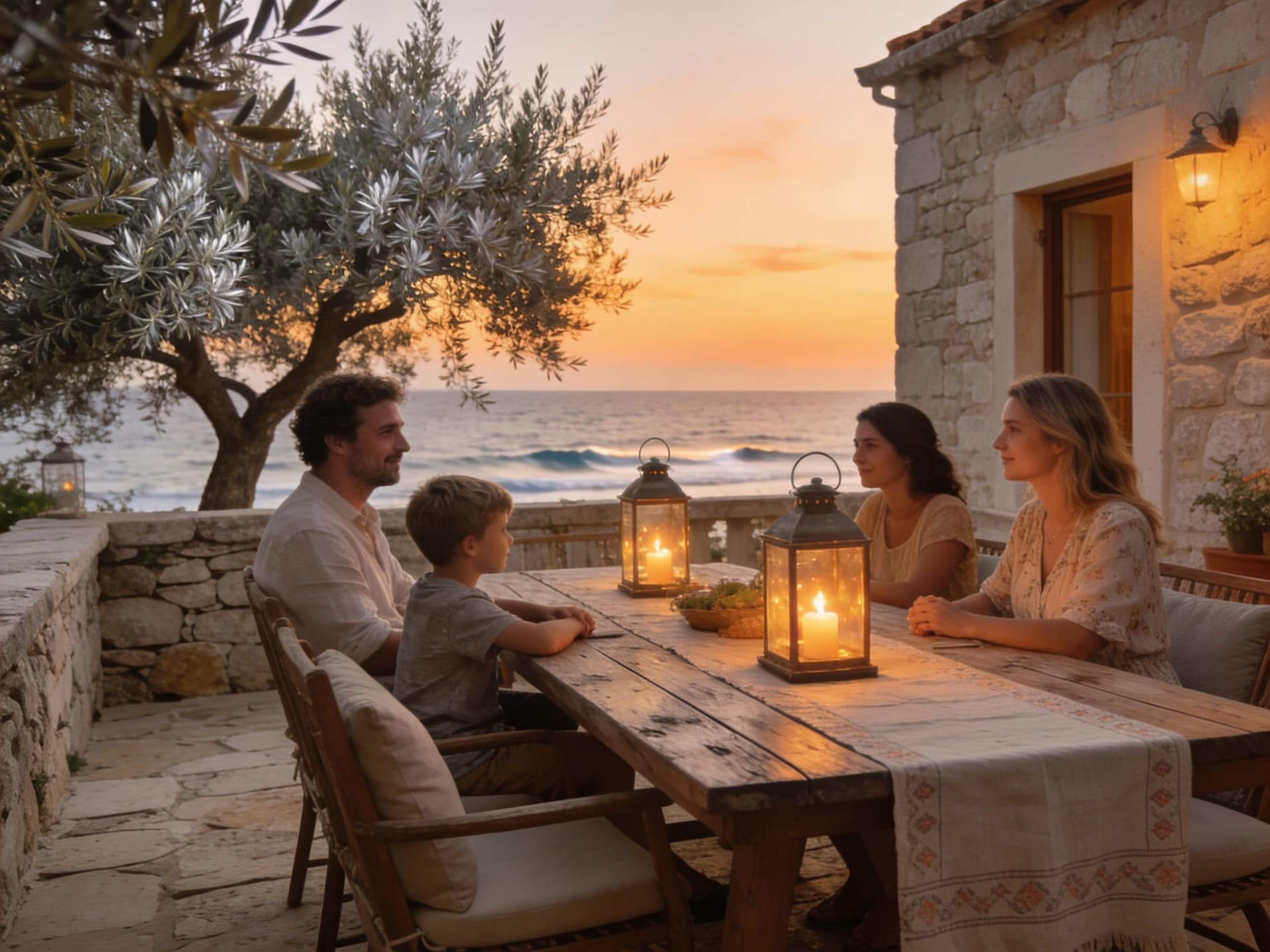
Your romantic image of olive groves and stone stairways must meet paperwork. EU/EEA citizens enjoy parity with Croatian buyers; non‑EU nationals face a reciprocity and ministerial‑consent regime. Understanding where you stand determines whether you can obtain a mortgage locally, whether you must set up a Croatian company, and how long approvals will add to transaction timing.
Who can borrow, and on what terms
Croatian banks lend to EU citizens with similar terms to nationals; loan‑to‑value typically ranges 70–80%, though some lenders demand 20–50% down payments for non‑residents. Loan durations commonly extend 20–30 years, and banks may require Croatian income evidence or a history of local banking. If you expect to rely on seasonal tourist rental income, present conservative projections; banks will stress‑test against off‑season vacancy.
Reciprocity and ministerial consent
Non‑EU nationals frequently must apply for consent under reciprocity rules; the Ministry of Justice maintains a country‑by‑country list and practical instructions. Expect an administrative lead time (often several weeks), a requirement for a notarised initial contract, and specific civic documents. For buyers from countries without reciprocity, forming a Croatian company may be necessary — a structural choice that influences taxation and finance.
- Steps to align lifestyle goals with financing (practical sequence):
- 1) Confirm your purchase eligibility (EU parity versus reciprocity requirement).
- 2) Obtain an OIB (Croatian tax ID) and open a local bank account to strengthen mortgage prospects.
- 3) Secure ministerial consent if needed, then approach lenders with conservative rental and income forecasts.
Insider Knowledge: What Expats Wish They’d Known
House prices in Croatia have been rising — official indices show notable annual growth across regions. That means buyers who wait for a bargain in popular coastal towns may pay a price in missed lifestyle opportunities or higher financing costs later. Conversely, inland counties still offer value and steadier yields, but require a willingness to adapt to slower social seasons and longer renovation timelines.
Cultural and practical adjustments that affect cost
Croatian sellers sometimes describe properties through provenance rather than specifications — a ‘stone house from 1840 near the sea’ may hide decades of incremental works and non‑compliant additions. Insist on clear technical documentation, an up‑to‑date land register extract, and a site inspection focused on structure and services. These checks are cheaper than surprise remedial works after purchase.
Long‑term lifestyle and financing sustainability
Think generationally. Properties with authentic material quality — stone walls, timber beams, artisan tilework — tend to hold cultural value and attract discerning tenants. When financing an older house, build a renovation reserve into your mortgage plan or consider blended finance: smaller local loans for restoration, plus a mortgage for core capital. That approach aligns stewardship with sensible cashflow.
- Red flags to spot before you commit:
- Missing land registry extract or conflicting boundaries
- Unclear access rights (private lanes, easements)
- Historic properties without approved renovation permits
- Overly optimistic rental projections tied to a single summer season
Conclusion: Choose the life first, then the loan. Let the neighbourhood you love dictate what financing model makes sense — equity vs. mortgage, local lending vs. offshore funds, company ownership vs. personal title. Work with a lawyer, an accountant and a locally experienced agency who understand seasonality, reciprocity and the subtleties of Croatian registers. When those practical pieces are in place, the terrace table, the market visits and the slow evenings follow naturally.
Relocating from London to Mallorca in 2014, I guide UK buyers through cross-border investment and tax considerations. I specialise in provenance, design integrity, and long-term value.