Hidden Protections: How to Shield a Home Purchase in France
Practical, little-known protections — from notarial séquestre to tailored MRH endorsements — that let international buyers enjoy life in France with confidence.

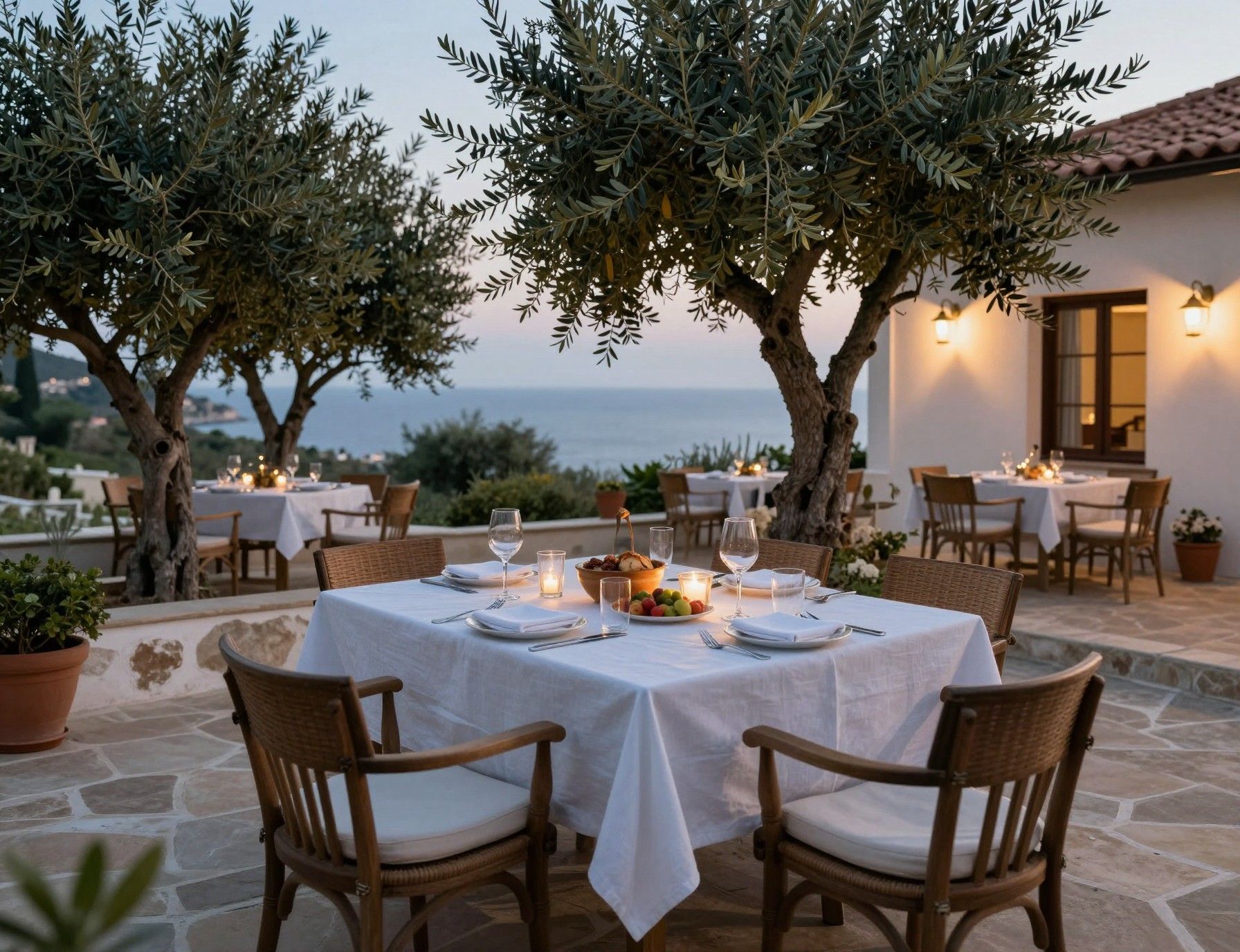
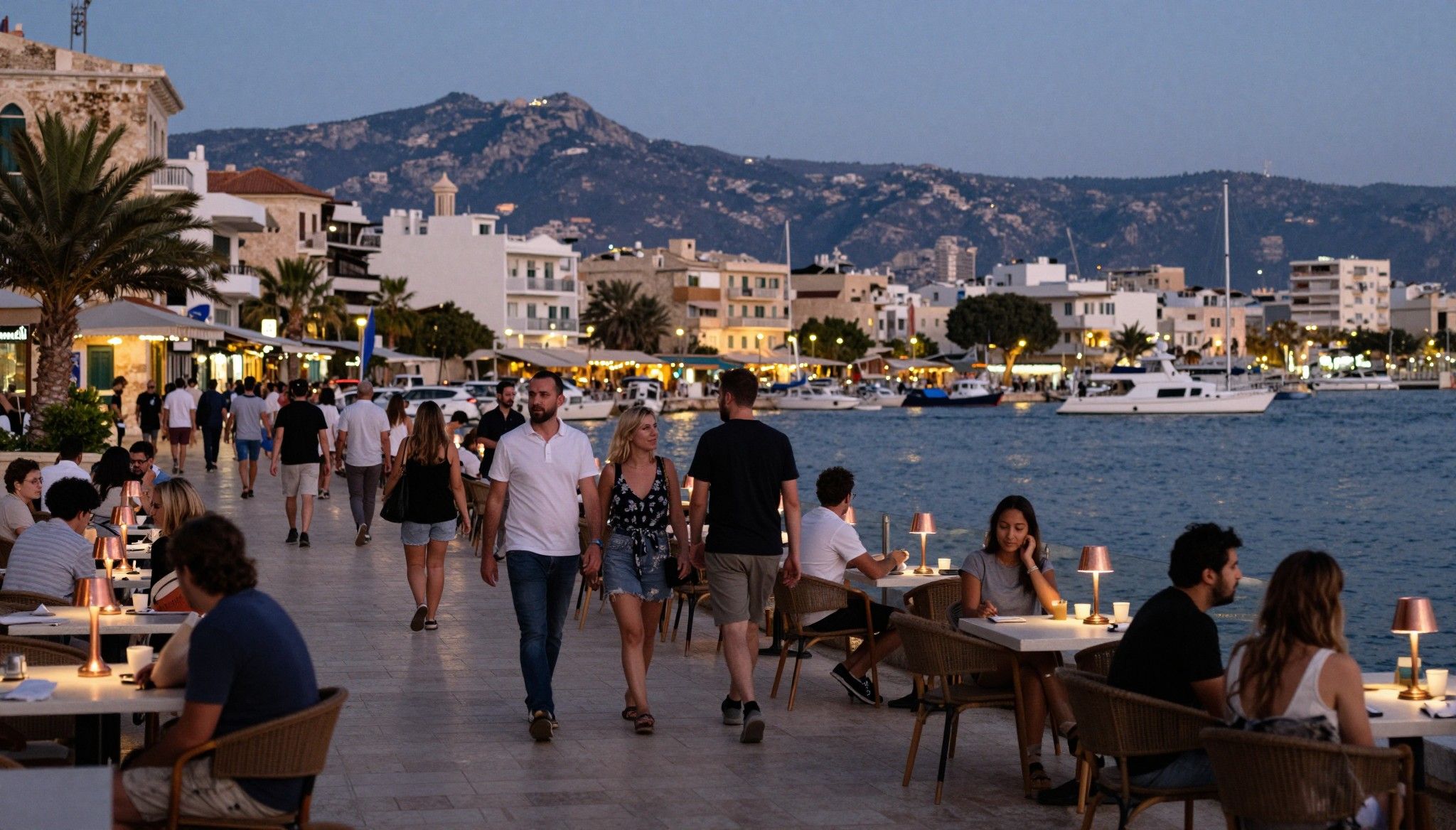
Imagine the slow rhythm of a morning marché in Aix-en-Provence, a baker folding warm croissants into paper as shutters open along Rue Espariat. Picture a late-afternoon aperitif on a Seine quay, where a restored Haussmannian façade throws long shadows over a family returning from the boulangerie. For many international buyers, those scenes are the reason to come; what is less visible are the quiet legal and insurance mechanisms that protect such a life. This piece reveals the discreet protections — both customary and legal — that make buying in France not only possible, but resilient to uncommon risks.
Living the French Life — and What It Needs

Life in France is tactile: market stall textures, the low hum of local cafés, the cadence of municipal fêtes. Yet the pleasures of region and season shape the practical choices owners make. A stone farmhouse in Dordogne requires different protections than a pied-à-terre in Le Marais; weather, heritage restrictions and community customs all influence which insurance coverages and contract clauses matter most for the lifestyle you seek.
Provence & the South: sun, shutters and storm risk
In Provence and along the Côte d’Azur, Mediterranean storms and occasional flash floods are the practical counterpoint to languid summers. Properties with terraces, mature landscaping and old stonework must be assessed for drainage, roof integrity and the cost of climate-related surcharges on insurance premiums. Buyers who prize outdoor living should ask local insurers about CatNat coverage and recent revaluations of flood risk that influence premiums.
Paris & Historic Centres: heritage rules meet everyday life
In Paris and other conserved quarters, protection is as much about regulation as it is about insurance. Restrictions on façades, listed interiors and co-ownership (copropriété) regimes affect the type of cover you need and who is responsible for common-area risks. For authoritative rules on habitation insurance and obligations, consult guidance from national authorities which set baseline expectations for landlords, occupants and co-owners.
Making the Move: Practical Protections That Often Go Unnoticed
French purchases come with customary safeguards that feel unfamiliar to buyers from common-law systems. The notarial process, the use of séquestre funds, and the structure of multi-risk home insurance (MRH) all provide layered protection — but only when used with intention. Below are the concrete instruments to discuss with your agent and notaire before contracts close.
Séquestre and earnest money: the notaire often holds the buyer’s deposit (séquestre) on a protected account with the Caisse des Dépôts. This deposit is customarily 5–10% and is returned or applied according to contract conditions. Understanding precisely when those funds may be retained — and ensuring explicit, tight suspensive clauses — is one of the simplest ways to avoid an unnecessary financial loss.
Insurance you need — and insurance you rarely need
The multirisques habitation (MRH) is the baseline: it bundles property damage, liability and many perils into a single policy. Some buyers over-purchase exotic riders; others under-insure art, wine collections and secondary-structure risks. Use an inventory-based valuation for prized collections, and confirm whether your insurer recognises professional appraisals for antiques and fine wines.
- Practical protections to secure before signing
1) Ensure a notarial séquestre is specified and its destination clear in the compromis; 2) Insist on explicit suspensive clauses (loan, diagnostics, permis) to avoid forfeiting the deposit; 3) Obtain an MRH quote that separately lists CatNat coverages and value-based endorsements for valuables; 4) Ask for proof of recent copropriété minutes and insurance for common areas to avoid surprise calls for special assessments.
Insider Knowledge: Mistakes Expats Make — and How to Avoid Them
Many international buyers fall in love quickly and assume local processes will follow the romance. The familiar missteps are procedural as much as cultural: poor clause drafting, assuming the seller’s disclosures are complete, and trusting local custom instead of documenting protections. With a few deliberate practices, buyers can retain the pleasure of arrival without inheriting avoidable liabilities.
Language, disclosure and the diagnostic dossier
France requires a set of diagnostics (lead, asbestos, termite, energy performance, etc.) to be presented in sales. Buyers should review these reports in translation and ask for copies to be appended to the compromis. If a defect appears after purchase, remedies differ depending on whether a seller knowingly concealed a vice (vice caché) or the issue predates the sale. Clear documentation reduces disputes and anchors any insurer or legal claim.
Who to hire: specialists who protect lifestyle
- Choose a notaire with local market experience, an English-speaking insurance broker for bespoke MRH endorsement, and a surveyor experienced with regional materials (stone, timber frames). These advisors translate cultural nuance into contractual language that secures the lifestyle you imagine.
- 1. Book a notaire consultation to confirm séquestre mechanics and timeline. 2. Commission a specialist valuation for high-value contents. 3. Obtain MRH proposals with CatNat and valuables endorsements. 4. Append translated diagnostics to the compromis and confirm suspensive clauses. 5. Retain a local property manager who can act immediately on urgent repairs or claims.
Seasonal timing — a contrarian thought
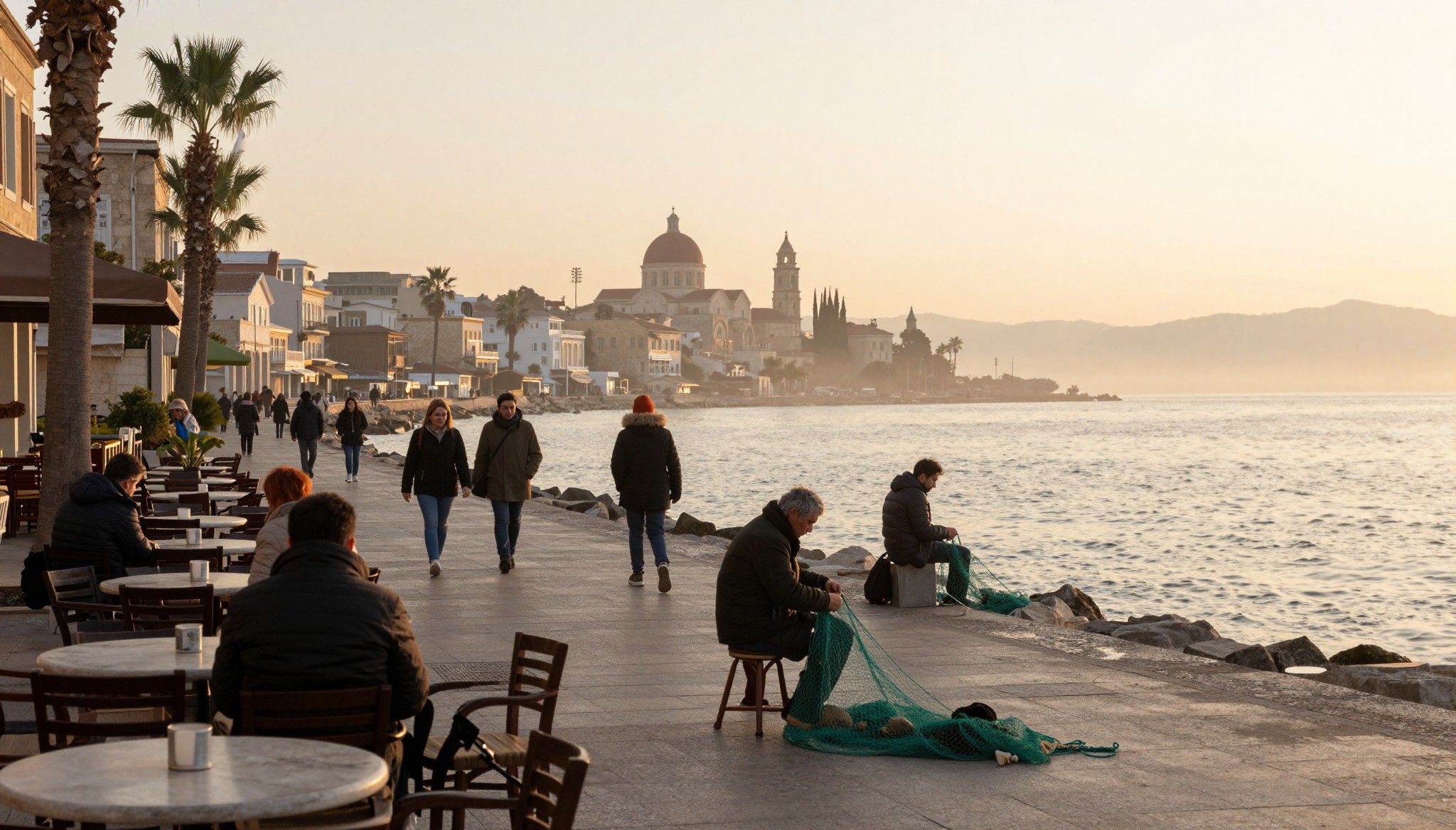
Open-house season tempts buyers in spring and summer, but negotiating in late autumn or winter can yield both quieter viewings and clearer inspections. Sellers are less likely to hide water ingress when gutters and roofs are tested by winter rains; similarly, insurers will price climate risk with recent weather data, not vacation-lit façades. For lifestyle-minded buyers who value understatement, winter viewings often reveal the true character of a property.
Conclusion: the pleasures of living in France are best protected by modest legal discipline. Pair your lifestyle brief — the neighbourhoods, markets and rhythms you crave — with a small set of contractual checks: a notarial séquestre properly handled, explicit suspensive clauses, an MRH tailored for your possessions, and specialists who translate local nuance into clear protection. When these protections are in place, the life you imagined becomes both possible and durable.
Having moved from Stockholm to Marbella in 2018, I help Scandinavian buyers navigate Spanish property law, restoration quality, and value through authentic provenance.