When France’s Notary Isn’t Enough: Extra Protections to Know
France rewards stewardship. Beyond notary formalities, international buyers need tailored insurance, diagnostics and local legal retainers to protect lifestyle and legacy.

Imagine arriving in the Marais at midday: narrow stone streets, a boulangerie scenting the air, and sun on a Haussmann façade. You feel the quiet assurance of places that have been cared for over generations. Yet the same sense of permanence can lull buyers into assuming legal and insurance protections are automatic — they are not. In France, the notary, municipal systems and customary practices provide a strong framework, but savvy buyers add layers of protection to safeguard life, legacy and leisure.
Living France: the textures that matter

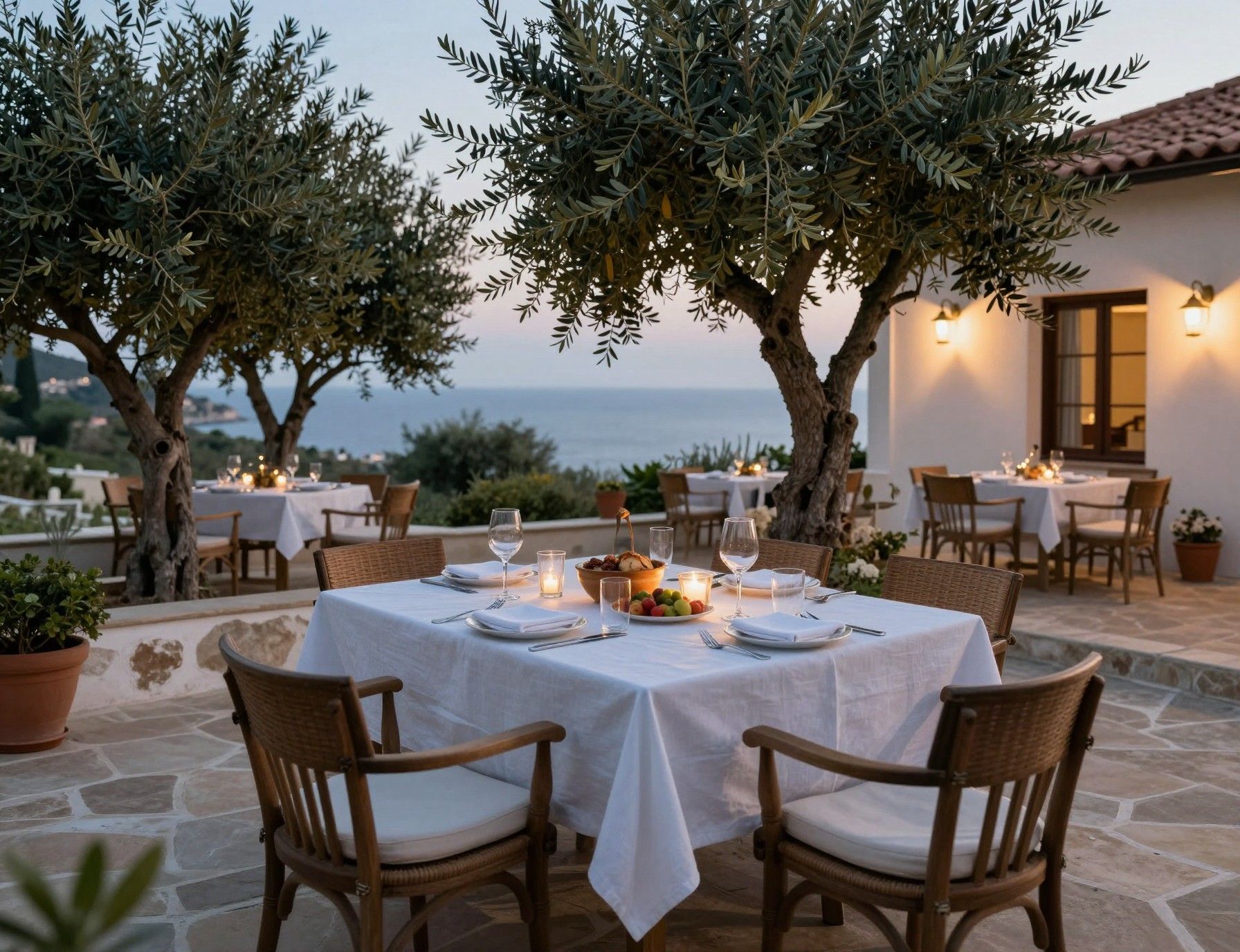
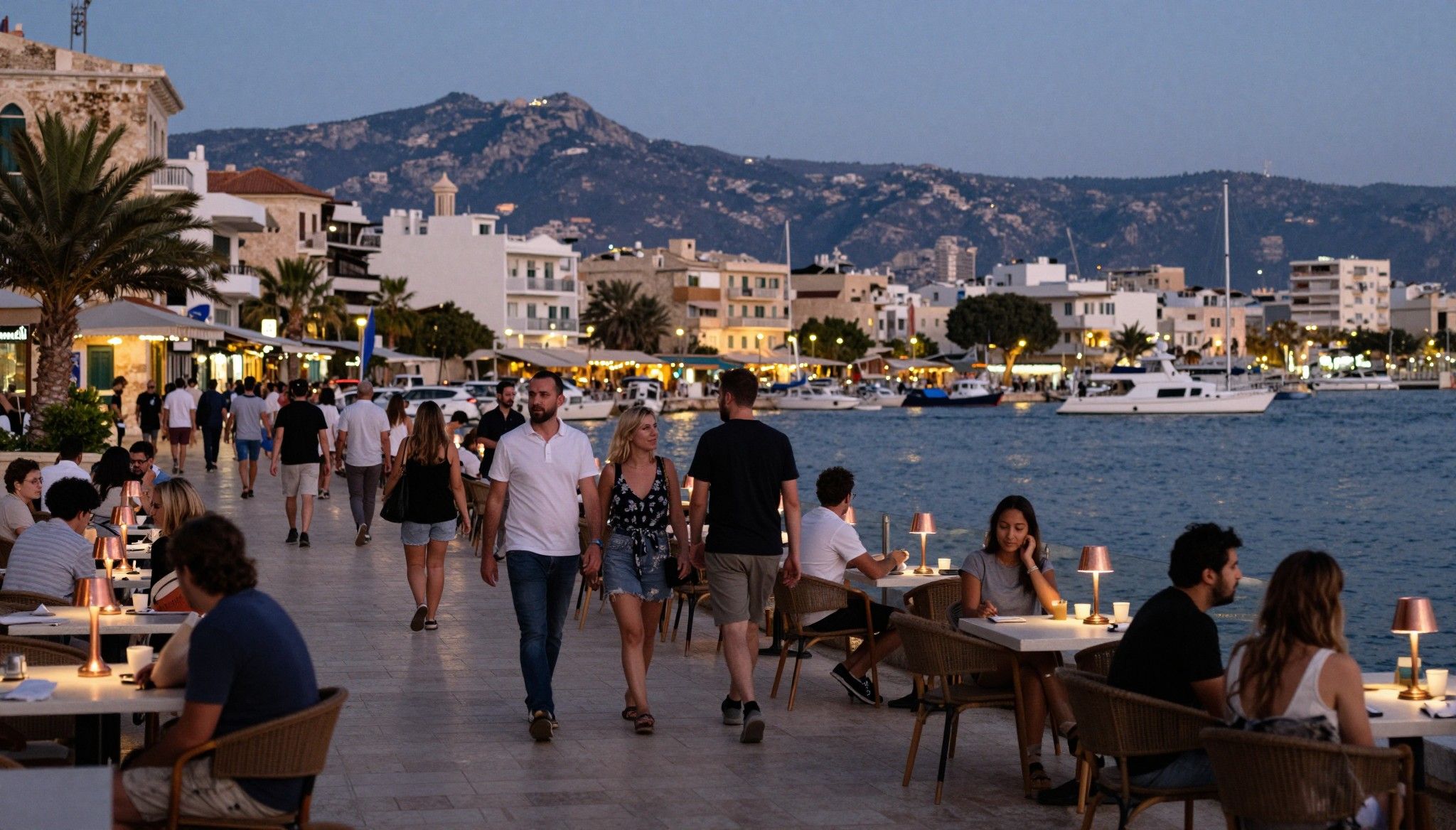
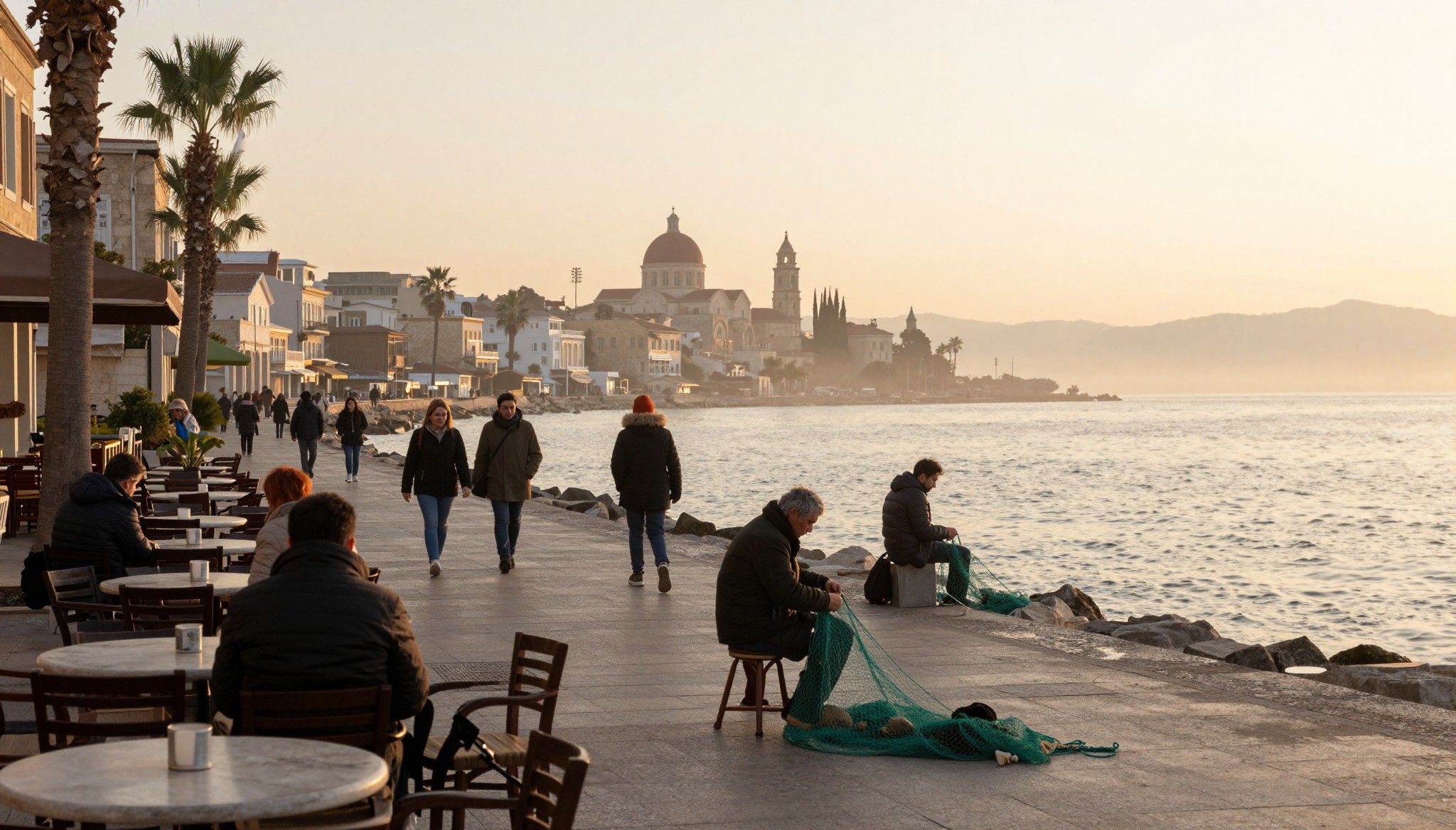
Daily life in France is a composition of rhythm and detail: marché visits in Provence before noon, slow lunches in Bordeaux, a brief passeggiata along the Promenade des Anglais at dusk. Architecture and public ritual shape where people gather — cafés on Rue Cler, bookshops around Saint-Germain, playgrounds in small village squares. These habits influence what property means here; a courtyard garden in Aix becomes a room in summer, while an attic in Lyon is prized for light and view. For an international buyer, the sensory life determines practical needs: security, utility connections, noise profiles and insurance coverages that match real use.
Neighbourhoods worth learning by name
Speak with locals and you will hear names that mean more than location. In Paris, the 7th arrondissement connotes discreet prestige and embassies, while Canal Saint‑Martin signals informal conviviality and young restaurateurs. On the Côte d’Azur, Antibes’ Vieil Antibes trades glamour for village calm, and nearby Cap d’Antibes preserves gardens and plotted privacy. In provincial towns, streets — rue de la République, cours Mirabeau — carry civic memories that affect resale desirability. These distinctions shape risk: flood maps, historic monument status and co‑ownership rules vary street by street, affecting insurance and obligations.
Food, markets and seasonal life as property cues
A Saturday marché in Lyon or a truffle fair in Périgord is more than leisure — it reveals supply chains and community rhythms that affect running a home. Properties near covered markets (Les Halles) benefit from daily life and easier logistics; coastal towns see sharp seasonal swings in services and heating needs; Alpine chalets demand specific snow and liability cover. When you imagine life here, translate sensory detail into a checklist for cover: contents, seasonal vacancy, chalet-specific perils and liability for invited guests.
Making the move: the protections most buyers overlook

The notary plays a central public role in French transactions: they register deeds, oversee taxes and confirm title chains. That role is essential but narrow; it does not replace insurance against latent defects, fraud or future tax changes. Recent analysis of market recoveries and rising transaction activity shows buyers are recalibrating budgets to include insurances and contingency. Expect acquisition taxes and notary charges to form one part of your acquisition cost, and prepare separate protections for legal disputes, structural surprises and rental liabilities.
Property types and the bespoke protections they need
A listed townhouse in Bordeaux, a renovated ferme in Dordogne and a modern apartment in Marseille present different legal and insurance priorities. Historic or classified buildings often require specific restoration approval and higher-cost artisan repairs; insure for agreed‑value and contractor reputational checks. New builds carry builder guarantees (garantie décennale) that protect against structural defects for ten years and should be contractually verified. For coastal properties, confirm flood (inondation) and submersion cover, and for mountain chalets seek winter‑season liability and avalanche considerations where relevant.
How local experts translate lifestyle into protection
A local broker, an architect experienced in heritage works and a notary together convert a lifestyle brief into a protection plan. They advise on necessary endorsements: vacancy cover for properties left months at a time, seasonal storm addenda for coastal exposure, and tenant liability clauses for furnished rentals. For non‑residents, tax registration and the right withholding procedures must be coordinated with insurance horizons to avoid unexpected liabilities. Choose advisers who have handled similar houses in the same arrondissement or département.
Insider knowledge: legal realities and buyer protections
Non‑resident ownership carries practical tax and declaration tasks that intersect with protection strategies. France taxes income from French sources and requires local declarations; this matters when you rent a property and when insurances must name the correct insured entity. Failure to register or to account for seasonal income can expose you to penalties that are costly compared with preventive cover and proper accounting. Plan insurance and legal representation together so that declarations, withholding and cover operate in harmony.
Red flags to watch in listings and contracts
Sellers often emphasise light, view and recent works without clarifying permits, co‑ownership minutes (procès‑verbaux) or flooding history. Missing diagnostic reports (diagnostics techniques: plomb, amiante, termites, performance énergétique) are immediate red flags. A notary will require certain documents for transfer, but an absence of clear insurance histories or a patchwork of informal repairs should prompt an independent expert inspection and a contract clause assigning liability for latent defects. Insure to the level of use you intend: a seasonal let needs different cover to a full‑time family home.
- Practical buyer protections to arrange before signature
- 1. Commission a structural and hygiene diagnostic, and insert a clear remedial timeline into the compromis de vente. 2. Obtain a written confirmation of the seller’s insurance history and claims record for the property. 3. Add vacancy and seasonal‑let endorsements to contents and building cover if you will be absent for months. 4. Secure a local legal retainer or power of attorney that can act swiftly if an urgent claim or municipal issue arises. 5. Verify whether the property sits in a flood zone (plans de prévention des risques) and buy appropriate submersion cover if required.
How to keep lifestyle intact while reducing risk
Protecting life in France is about matching cover to how you plan to use a property. If you picture long breakfasts on a terrace, insure outdoor furniture specifically; if you rent seasonally, require tenant references and inventory processes that limit liability. Recent departmental adjustments to transfer taxes mean budgeting for small but material cost increases; treat protection budgets as part of acquisition planning rather than afterthoughts. A measured investment in the right policies preserves both lifestyle and capital over decades.
- Lifestyle‑meets‑practical checklist for first three years - Register the property and declare occupancy on impots.gouv.fr - Buy building and contents cover with seasonal vacancy clause - Commission a five‑year maintenance plan with trusted local artisans - Keep a curated folder of diagnostics, permits and invoices (digital and hard copy) - Reassess coverage annually after the first rental or renovation
- Step‑by‑step for adding extra legal protection 1. Before signing, ask your notary for a precise list of required diagnostics and review them with an independent expert. 2. Negotiate contract clauses that allocate cost for latent defects found within a defined period. 3. Arrange an insurance proposal reflecting actual use (vacation let, full‑time residence, renovation risk). 4. Register with local tax authorities and appoint a French fiscal correspondent if you are non‑resident. 5. Set up a local bank account and escrow mechanism for ongoing maintenance and insurance premiums.
Conclusion: stewardship, not speculation
France rewards stewardship: properties improve with careful repair, coherent maintenance and respectful use. The notary, municipal systems and existing guarantees create a reassuring spine, but international buyers succeed when they translate affection for place into concrete protections. Meet locals, learn the rhythms of the street, then formalise those rhythms into insurance, diagnostics and legal retainer agreements that let you live fully and without worry. When you anchor lifestyle to a practical protection plan, the house becomes a home for the long term.
Conclusion paragraph with key takeaways and next steps: consult a notary, commission diagnostics, secure tailored insurance, and work with a local agency that understands both provenance and protection.
Former Copenhagen architect who relocated to Provence, offering relocation services, market analysis, and a curator’s eye for authentic regional design.