When Cyprus’s 5% VAT Becomes a Ten‑Year Commitment
How Cyprus’s reduced 5% VAT and transfer‑fee rules reshape lifestyle choices — practical steps to protect residency, resale and the life you intend to live.

Imagine an early morning in Limassol: a narrow street of stone façades warms under pale sun, a baker slides trays of kataifi into the display, and a terrace owner measures whether a small apartment will serve as a family home or a short‑let investment. For many international buyers that tactile decision — which room becomes an office, which terrace hosts dinner — is quietly governed by legal details that arrive months after the contract is signed. Recent tax guidance shows that Cyprus’s attractive reduced 5% VAT for primary residences carries commitments and repayment rules that materially affect lifestyle plans and exit options. Read on for the lived realities behind a seemingly simple tax concession, and how to make it work for the life you imagine in Cyprus.
Living the Cyprus Life

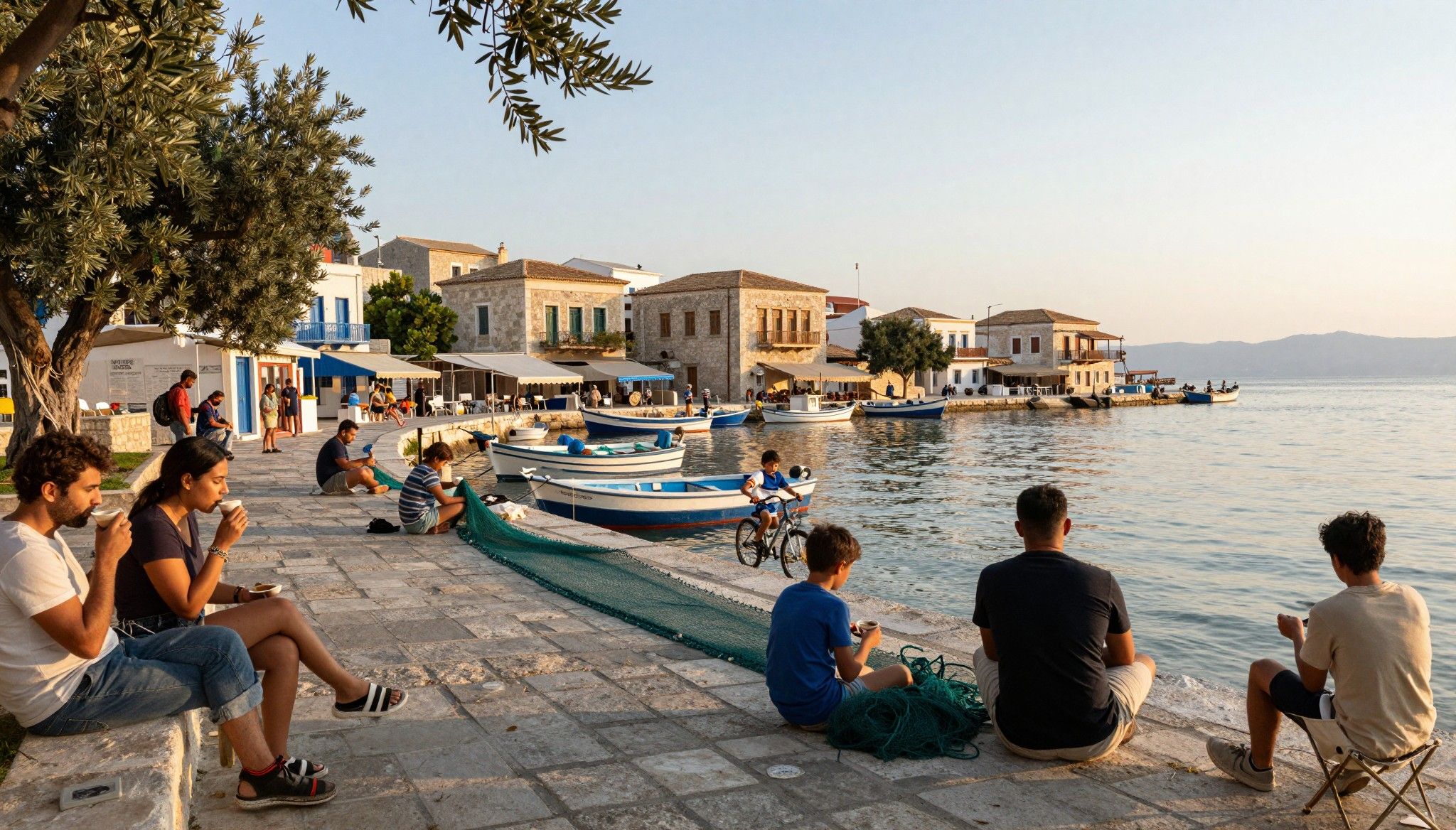
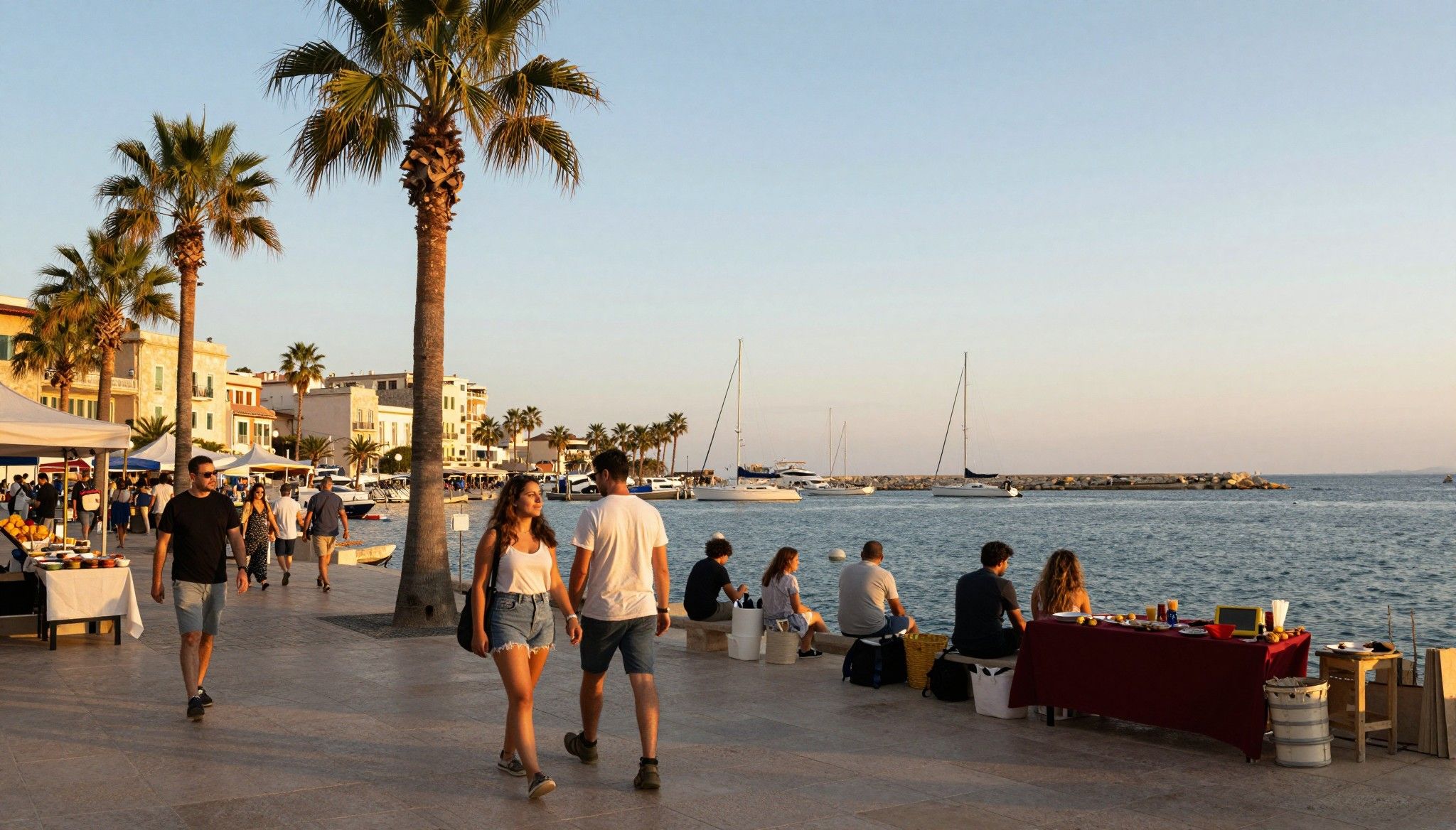
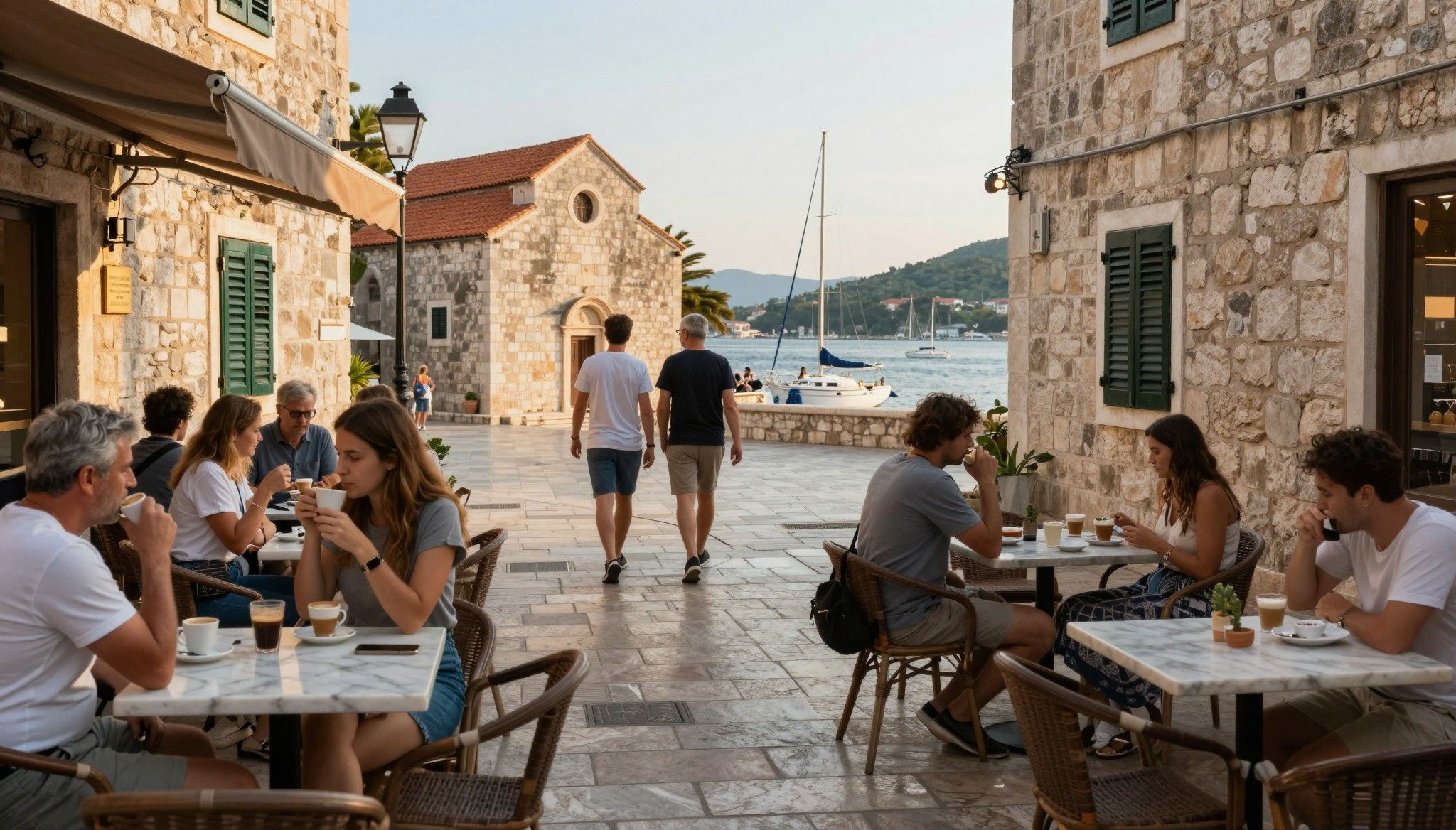
Cyprus moves at a temperate pace: mornings are for coffee and conversation, afternoons for siesta‑style pauses or sea swims, and evenings for long meals that stretch under vine‑draped trellises. Nicosia holds a hushed, classical cadence of museums and narrow lanes; Larnaca’s palm‑lined promenades suit gentle daily routines; Paphos and Limassol trade in coastal energy and contemporary cafes that welcome remote work. The island’s climate — winter’s green hills and summer’s crystalline seas — shapes how properties are used: courtyards, shaded loggias and thermal mass in stone houses matter as much as view lines from a penthouse terrace.
Neighbourhoods that show different lives
In Limassol, old port quarters like Agios Nikolaos hum with craft bakeries and discreet galleries; buyers often prize proximity to cafes on Anexartisias for daily habit rather than headline seafront views. Paphos’s Kato Paphos offers heritage and archaeological calm, while Chloraka’s terraces give quick access to vineyards and quieter beaches. Each neighbourhood rewards different uses: a compact, well‑insulated townhouse suits winter residency in the Troodos foothills, while a modern apartment with cross‑ventilation is the sensible choice for year‑round coastal living.
Food, markets and weekend rhythms
Weekends centre on markets — the Nicosia municipal market for produce, Limassol’s Saturday farmers’ stalls for cheeses and preserves — and on tavernas where local families gather over grilled fish and halloumi. Seasonal festivals from village lamb feasts to olive‑pressing day bring neighbourhoods alive and can affect short‑term letting demand in specific pockets. For buyers this means lifestyle and cashflow are intertwined: the property you choose determines the daily rituals you can sustain and the rental profile you might reasonably expect.
Limassol: Anexartisias cafés, Agios Nikolaos galleries, Molos promenade.
Nicosia: Ledra and Laiki Leonidas lanes, municipal market, concealed courtyard restaurants.
Paphos & Chloraka: coastal walks, archaeological parks, vineyard weekend escapes.
Making the Move: Practical Considerations
The charm of a street is only the beginning; property law and tax rules set the frame for what you may do with a house and how long that plan must hold. Transfer fees, VAT treatment, and Land Registry timing influence cashflow, renovation feasibility and whether a seaside apartment is best kept as a private home or leaned into as a revenue property. Official guides and recent industry summaries explain the tiered transfer‑fee structure and the distinction between VAT‑able new builds and resale properties; these distinctions will often determine whether a purchase carries a long‑term occupation obligation or immediate flexibility.
Property types and what they mean for use
New developments commonly sit inside VAT rules; the reduced 5% VAT on primary residences applies only where statutory conditions are satisfied and can carry a ten‑year occupancy expectation. Resale apartments, traditional village houses and many conversions are outside VAT and therefore attract transfer fees instead. Practically, that means if you value short‑term letting flexibility or an easy resale, a VAT‑exempt resale can be preferable; if you seek a long‑term family home and benefit from the reduced VAT, plan for the occupancy commitments tied to that benefit.
Working with advisers who know the lifestyle you want
Engage a Cyprus solicitor early to confirm whether a property is subject to VAT or transfer fees and what that means for occupation and resale; lawyers typically charge 1–2% for conveyancing but save far more in avoided mistakes.
Discuss VAT eligibility with the developer and your tax adviser: the reduced 5% often requires the property to be your permanent residence for a specified period, and breach can trigger repayment to the Tax Department. See official commentary for recent rule changes and procedural detail.
Arrange a Land Registry search and provisional title check before signing to avoid properties with unresolved easements, mortgages, or planning irregularities that would alter your renovation ambitions.
Insider Knowledge: What Expats Wish They’d Known
Buyers who settle into Cyprus tell a repeated story: the lifestyle is immediate, but legal clarity is delayed. Many discover that a favourable initial VAT calculation becomes a decade‑long administrative story if life circumstances change. Others miss that transfer‑fee reductions for resale homes can materially change net cost, particularly when co‑ownership or first‑time buyer concessions apply. These are not abstract traps but practical planning items that shape whether you can truly live in that sunlit kitchen for the long run.
Cultural and practical integration
English is widely spoken in business and property transactions, but local nuance matters: village committees, municipal planning boards and utility suppliers operate with distinct rhythms. Learning simple protocols — greeting shopkeepers, understanding seasonal building pauses around August, and using a local estate agent with deep community ties — eases renovation, planning approvals and neighbourly relations. Those social patterns decide how quickly you can adapt a property for remote work, a family life, or a seasonal escape.
Long‑term considerations that preserve lifestyle
If you plan to rent seasonally, confirm short‑let rules with your municipality and whether VAT or licensing affects revenue.
For restoration projects in villages, check conservation protections and permitted materials — authentic stonework may be required and will shape costs.
Consider property insurance that covers salt corrosion and seasonal vacancy; Cyprus’s coastal climate requires material‑specific cover and regular maintenance budgets.
Conclusion: live first, plan legally. The island rewards those who choose thoughtfully: a modest townhouse off Limassol’s main drag can offer richer daily life than an expensive seafront apartment that limits long‑term flexibility. Before signing, clarify VAT status, Land Registry encumbrances, and any residency obligations tied to tax benefits. When you combine a clear lifestyle brief with advisers who understand both local culture and legal detail, you protect the life you buy and ensure your Cyprus home remains a source of pleasure rather than paperwork.
Dutch former researcher who moved to Lisbon, specialising in investment strategy, heritage preservation, and cross-border portfolio stewardship.