Italy’s Price Myth — Where Value Still Hides
Italy is not uniformly expensive. Regional nuance, seasonal rhythms and overlooked southern value mean discerning buyers can pair lifestyle with investment backed by ISTAT and market reports.
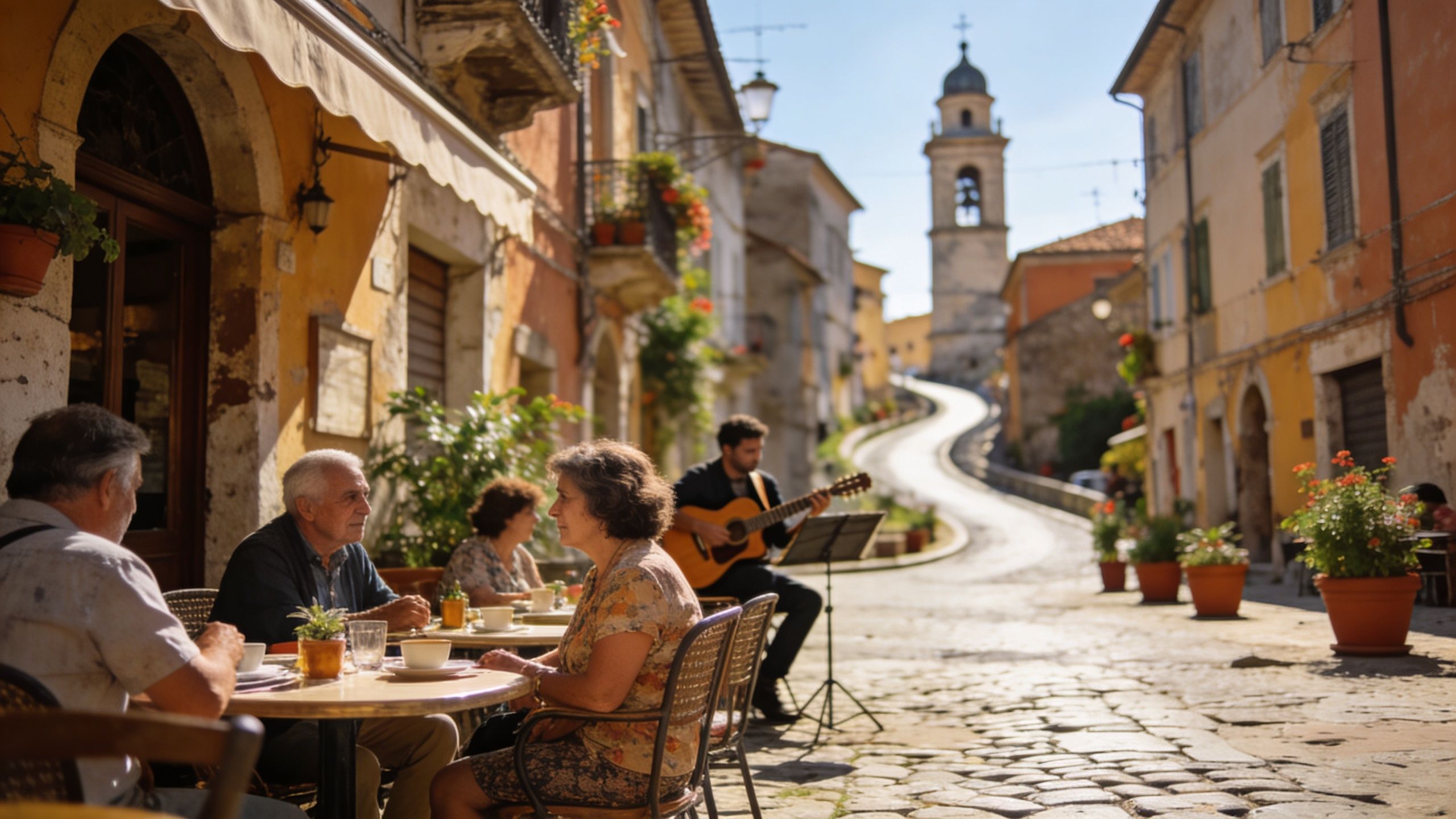
Imagine a late‑morning piazza: baristas polishing brass espresso machines, a boulangerie’s oven warmth drifting through an alley of ochre facades, and a family folding prosciutto into crusty bread on a sunlit balcony. That sensory hour—light, food, neighbours—defines what living in Italy often means. Yet many international buyers arrive carrying a single, limiting idea: Italy is uniformly expensive. The truth is more complex. Regional variation, tax incentives, and pockets of overlooked value — particularly in the south and inland hill towns — reshape where you can buy a life rather than a headline price.
Living the Italy lifestyle
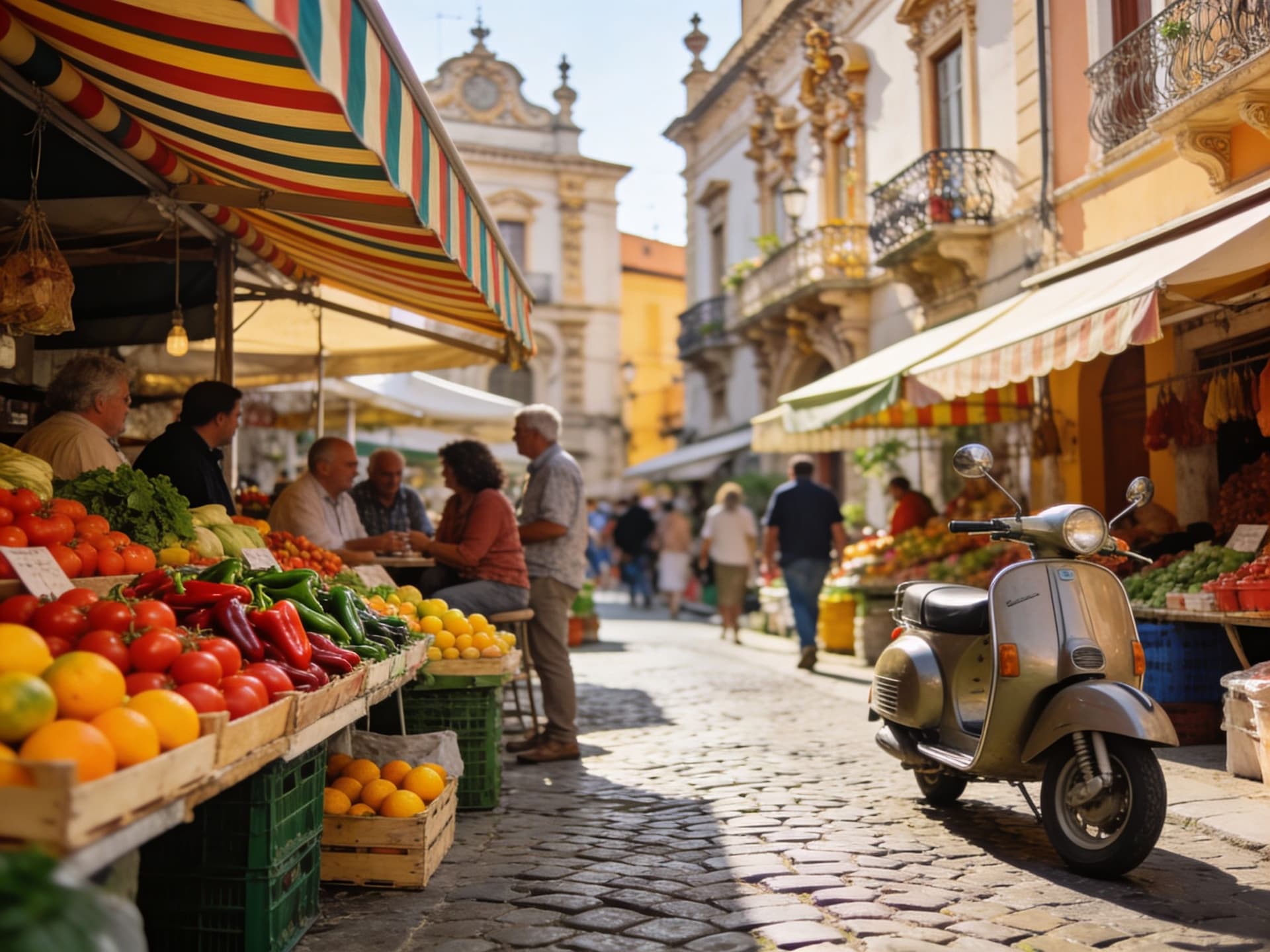
Italy’s daily rhythm privileges measured pleasure: coffee taken standing at the bar, markets emptied by mid‑day, and evenings that stretch into conversation. City neighbourhoods and rural districts offer distinct lives: in Rome’s Trastevere, stone streets pulse with trattorie and late music; in Lecce, baroque facades and olive groves ground a quieter pace; along the Amalfi coast a narrow ribbon of road frames dramatic sea views, while inland Tuscan valleys keep centuries‑old olive terraces and farmhouses.
Neighbourhoods that show the country’s variety
Walk from Milan’s Brera — galleries and discreet ateliers — to the Navigli canals and you feel the city’s design and commerce twin engines. In Florence, the Oltrarno retains artisan workshops and quieter squares; Naples’ Vomero offers panoramic terraces and a daily market life; Palermo’s historic centre is an assemblage of markets, Norman churches and intimate courtyards that reward curiosity. Each neighbourhood carries a specific cadence; choosing one shapes what you buy and how you will live.
Food, markets and the social core
From the morning fish stalls in Catania’s La Pescheria to the truffle sellers who appear in Piedmont each autumn, food is the social language. For buyers this matters practically: proximity to a weekly mercato or a trusted macelleria changes daily life, influences renovation choices (a good kitchen), and even rental appeal for short‑lets. Consider Via del Moro in Spoleto or Via delle Botteghe in Lecce — streets where markets, cafés and artisans cluster and sustain neighbourhood life.
- Lifestyle highlights to seek out
- A morning coffee at an independent bar (look for neighbourhood bars with regulars).
- Weekly outdoor markets with local producers — essential for a lived‑in kitchen.
- A walkable centre with artisan shops rather than only chain retail.
- Seasonal festivals or sagra that anchor community life (truffle fairs, grape harvests, patron saint days).
Making the move: practical considerations
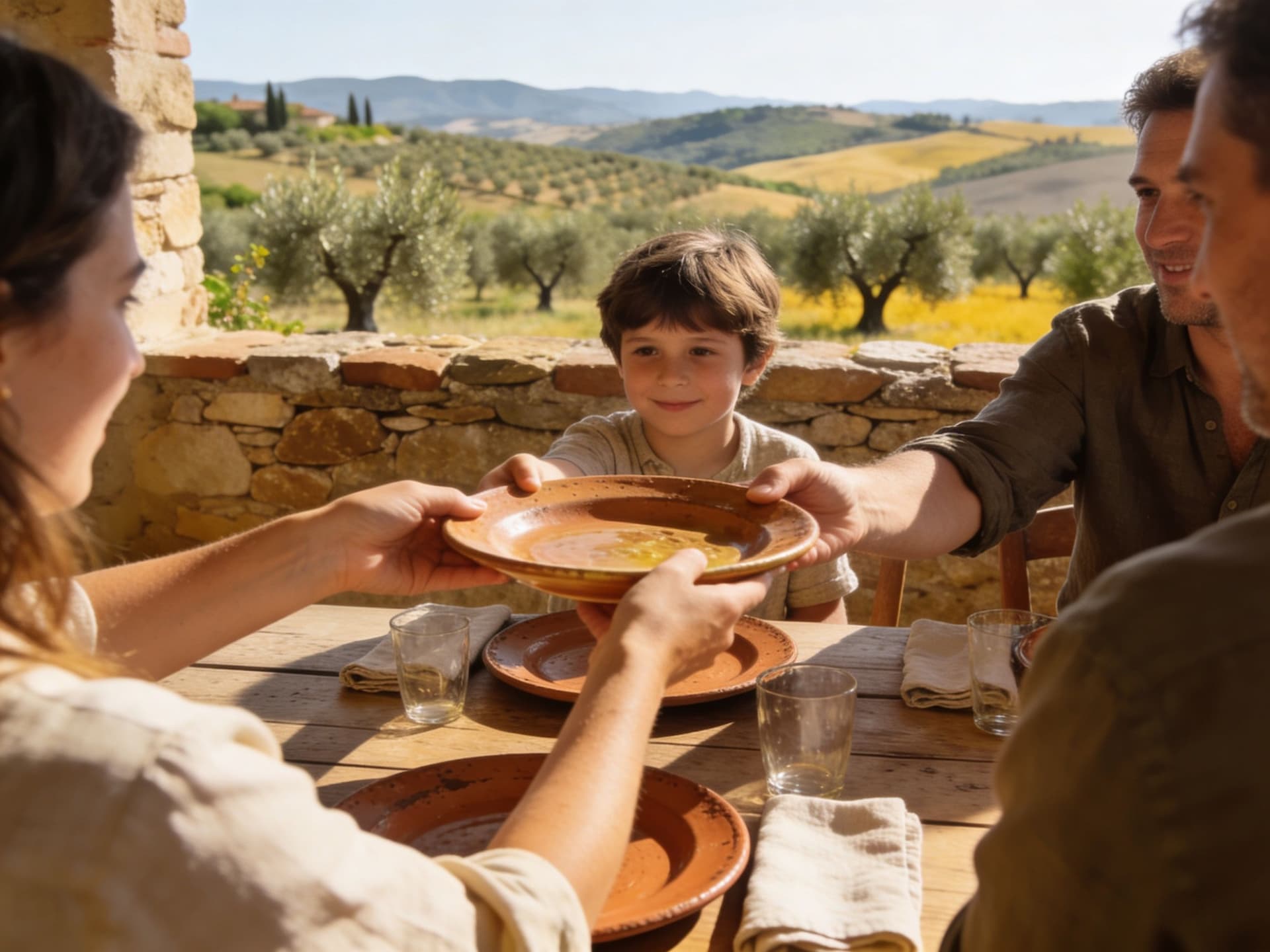
If lifestyle sells the dream, data anchors it. National indices show modest, steady price growth with pronounced regional divergence. ISTAT’s recent house‑price releases record year‑on‑year increases concentrated in urban centres, while coastal and southern provinces frequently offer lower per‑square‑metre entry points. For an international buyer, that means your purchase strategy should pair lifestyle priorities with regional pricing nuance — a hilltown for calm and provenance, a city for rental yield and services, or a coastal village for seasonal life.
Property styles and what they mean for daily life
Historic apartments in a palazzo offer scale, high ceilings and provenance but often require sympathetic restoration and seismic upgrades. A renovated farmhouse (casale) gives land, privacy and space for olive trees but brings ongoing maintenance and agricultural regulations. Newer townhouse conversions balance modern MEP systems with less historic character. Choose by how you intend to live: hosting, a professional base, or seasonal retreat.
Working with local experts who understand the life you want
A specialised agency or buying agent will align architectural pedigree with market reality: recommending a baroque apartment near artisans for a collector, or a refurbished townhouse close to a reliable rental market for an investor. They also flag region‑specific incentives — for example, relocation tax schemes that have attracted high‑net‑worth residents to Milan — and help assess long‑term demand drivers emphasised in institutional reports.
- Steps to align lifestyle with the right property
- Map the daily hour: where will you drink coffee, shop, and entertain? Choose a neighbourhood where those moments happen naturally.
- Visit by season: a summer sample can mislead — test a place in winter and during market days.
- Commission a energy and seismic report before offer; these affect cost and heritage rules.
- Work with an agent who specialises in your chosen lifestyle (food culture, vineyard properties, hilltown restoration).
Insider knowledge: what expats wish they’d known
Expat experience often separates romance from routine. You will treasure the morning rituals and local friends, yet face practical surprises: municipal planning timetables, seasonal business closures, and the patience required for bureaucracy. Many buyers regret underestimating simple logistics — a reliable heating system for northern winters, garage space in smaller towns, or a local network for services during August festivities.
Cultural integration and social rhythms
Language matters beyond fluency: a neighbour who recommends a mason, a market seller who saves you vegetables, and a local notary who understands heritage restrictions are all social capital. Participation in small rituals — the festa patronale, a Sunday lunch, a morning stroll — build community quicker than formal events. Invest time in those rituals and your experience will deepen.
Long‑term questions matter: will you renovate or steward a historic property? Do you require proximity to an international school? Institutional analyses suggest cities like Milan and Florence have become more costly but also more liquid and resilient; smaller towns can offer value but require a longer, stewardship‑led horizon. Treat the purchase as the first act of a decade‑long relationship with place.
- Practical red flags to note
- Missing permits for structural work — insist on a complete practice (pratiche) file.
- Unverified cadastral records — confirm catastale numbers and floor plans with the notaio.
- Energy class or seismic class liabilities that could double renovation costs.
Conclusion: Italy’s value is in discernment. The country is not a single price bracket but a mosaic of lives: urban studios with design energy, coastal houses that open directly to the sea, and hilltop villas wrapped in olive groves. For the international buyer who values provenance, craftsmanship and a life that privileges texture over theatrics, Italy offers both emotional reward and pragmatic opportunity — if you pair the dream with disciplined local expertise. Begin with a season‑spanning visit, commission targeted reports, and ask your agent to map lifestyle anchors as the first criteria rather than square metres alone.
Relocating from London to Mallorca in 2014, I guide UK buyers through cross-border investment and tax considerations. I specialise in provenance, design integrity, and long-term value.