Greece: The Life You Buy vs. The Costs You’ll Carry
Experience Greece’s rhythms—from Athens’ village‑like quarters to island calm—while grounding decisions in rising housing costs, short‑let rules and concrete running‑cost steps.
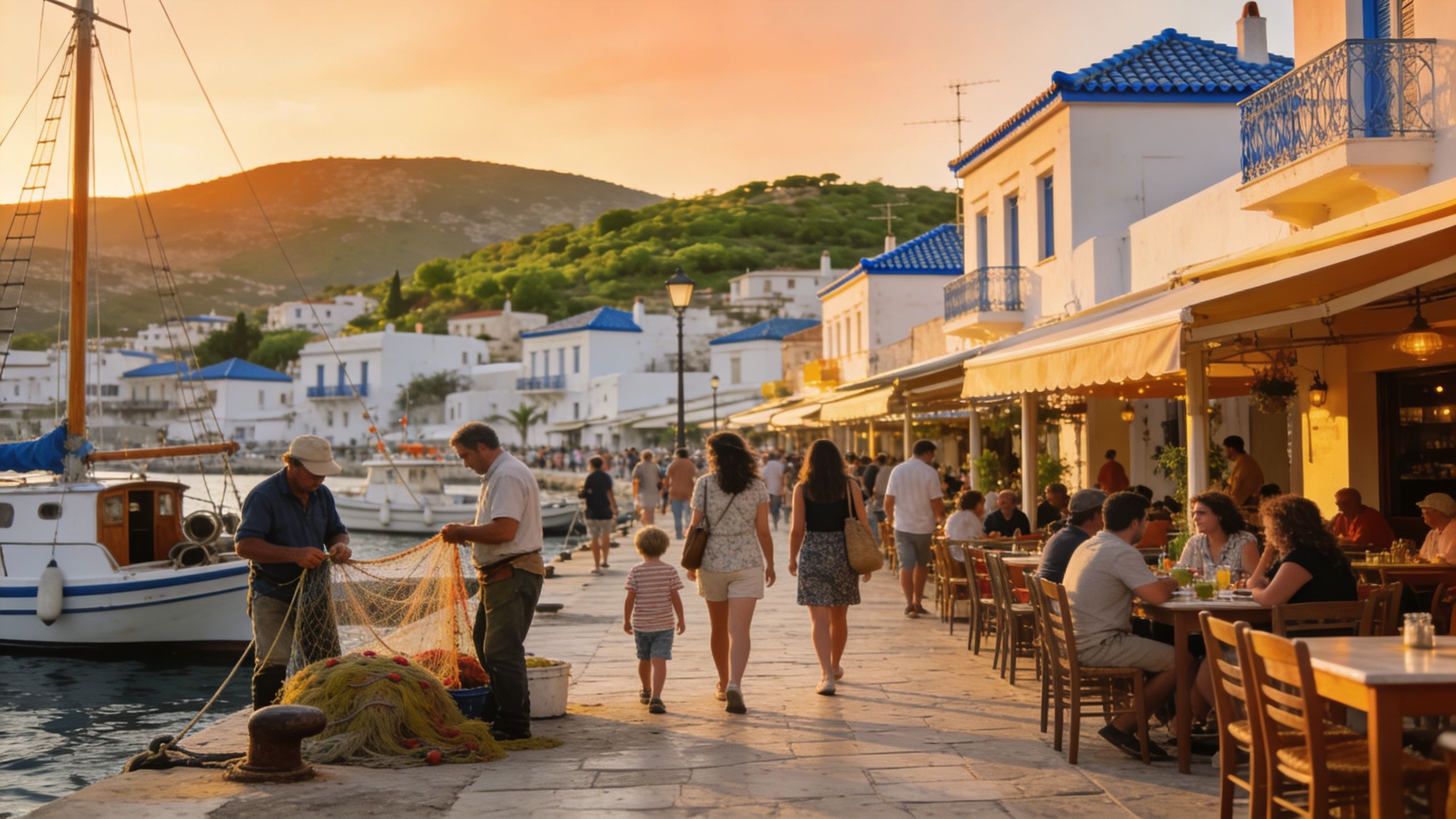
Imagine arriving in the Plaka at dawn: a baker lifts a tray of warm kataifi, a street-cleaner sweeps marble steps and a neighbour offers a welcomed nod. Greece rewards those who notice the small rituals—coffee poured thick at a kafeneio, a late-afternoon paseo along a harbour, the bread vendor who knows your order. Yet the emotional appeal of light, sea and slow meals sits beside an increasingly complex reality: rising housing costs, short‑let regulation and pockets of intense demand. This article pairs the lived, sensory Greece with current market signals so international buyers can love the place and measure the risk.
Living the Greece life: daily rhythms and local character
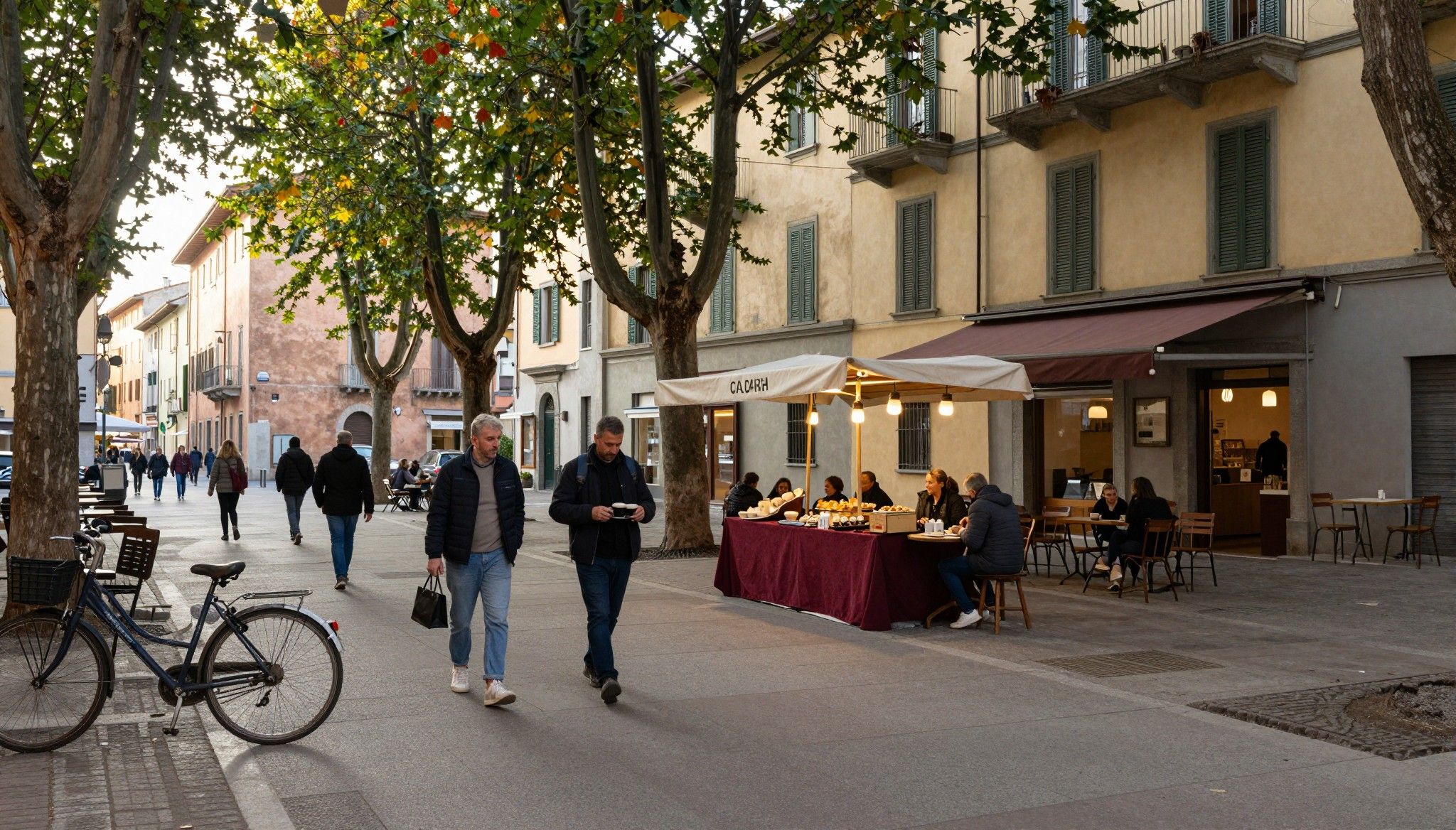
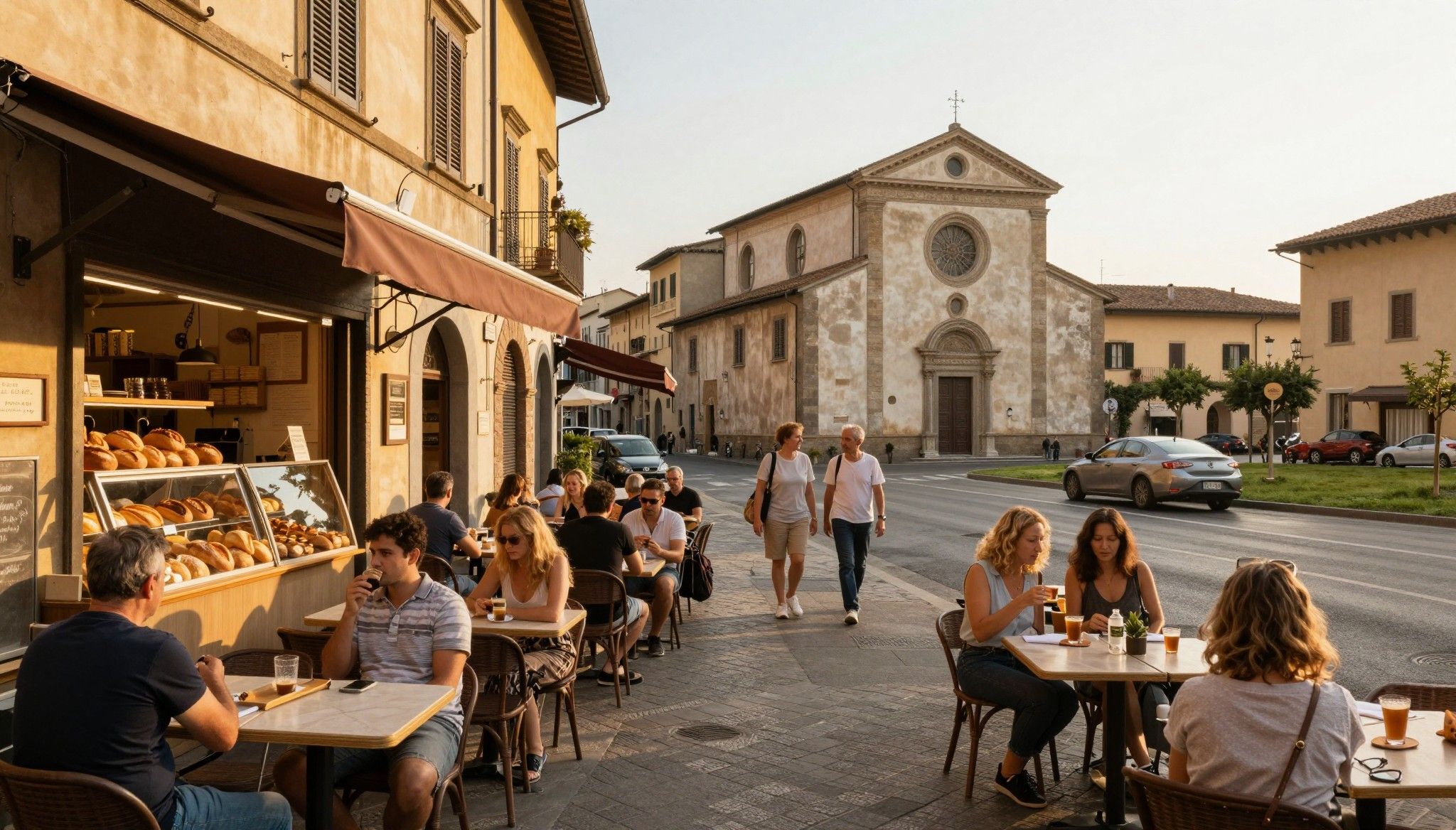
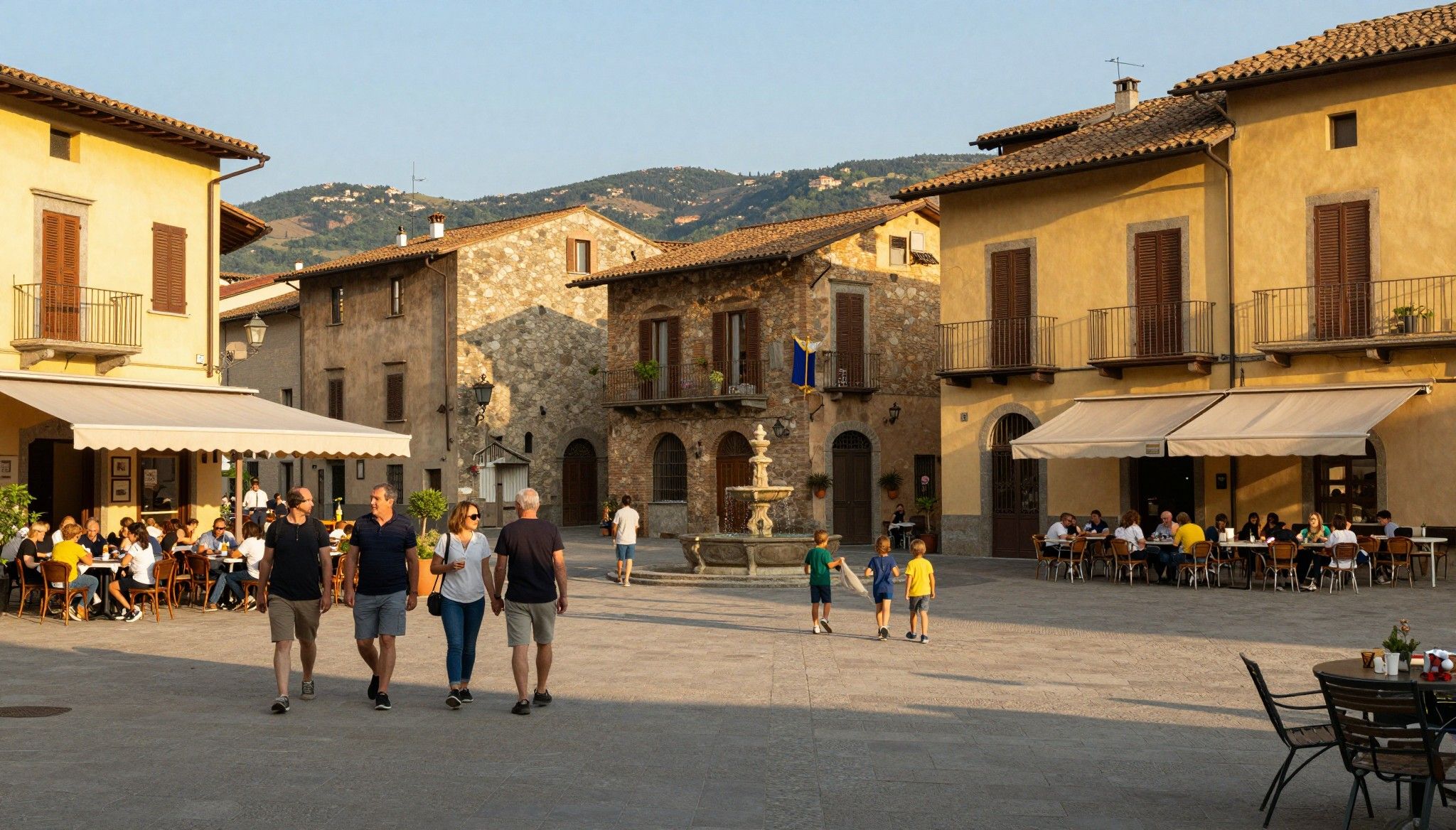
Greece feels comfortably scaled: island villages where everyone knows one another, compact city quarters that open suddenly onto antiquity, and coastal roads that roll past olive groves and beaches. Days are organised around market visits, espresso rituals and late dinners; seasonal life is pronounced—spring and autumn for quiet discovery, high summer for conviviality and crowds. For buyers this means property choice is a question of time and temperament: do you want sun-washed solitude on Naxos, a civic life in Thessaloniki, or the curated convenience of Kifisia north of Athens? Each choice folds lifestyle into ongoing costs—utilities, local taxes and the presence (or absence) of short‑let income streams.
Athens: neighbourhoods that feel like distinct villages
Walk from Kolonaki’s marble squares to the tavern-lined lanes of Koukaki and you encounter entirely different tempos: museum‑goers and designers in one, families and old‑school kafeneia in the other. The southern coastlines—Glyfada and the expanding Athens Riviera—now host ambitious developments like Ellinikon that reframe coastal living and price expectations. For an international buyer, these micro‑cultures imply different cost trade‑offs: Kolonaki commands convenience and higher purchase prices, while the Riviera increases upkeep and concierge-style living costs tied to new developments.
Islands and regional towns: seasonal life and real costs
Islands present an alluring arithmetic: rental premiums in high season can materially offset ownership costs, yet recent regulation has limited some short‑let models and raised standards for habitability. Places like Santorini and Mykonos still attract strong buyer demand and high asking prices, whereas less trafficked islands—Chania in Crete, Naxos—offer better long‑term value and a quieter seasonal swing. Buyers should factor in seasonal maintenance (pest control, pool servicing), island logistics and potential regulation on short‑term rentals into their living-cost forecast.
- Neighbourhood and lifestyle highlights: real places and small pleasures
- Morning espresso in Koukaki (Cappuccino ~€3.60), farmers’ market in Chalandri, evening promenades at Vouliagmeni, exploring Venetian lanes in Chania, and supper at a taverna in Piraeus—each habit carries modest daily costs but adds up with housing and services.
Making the move: practical considerations that preserve the life you want
Lifestyle is seductive; reality is fiscal. Greece’s property market has shown notable price increases across 2023–2025, with new apartments rising faster than older stock. For prospective buyers this means budgeting must include purchase price, higher utility and maintenance expectations for period homes, and the changing revenue potential from rentals as regulation tightens. The following sections connect architectural choices and neighbourhood selection with concrete, cost‑aware steps.
Property types and what they cost to live in
A restored neoclassical in Plaka will require attentive conservation and higher energy retrofits; a contemporary apartment near Ellinikon will have higher service charges but lower urgent maintenance. Data from national indices show new-build prices rose faster than older apartments in recent years, reflecting construction costs and buyer preference for energy‑efficient stock. Assess long-term carrying costs—insulation and seismic upgrades, municipal rates, and communal fund contributions—when comparing per‑square‑metre prices.
Working with local experts who understand both life and ledgers
Choose agents who can translate neighbourhood rhythm into expense forecasts: which cafés remain open in low season, where municipal cleaning adds to levies, and which buildings are vulnerable to tourist conversions. Look for advisers with recent experience navigating short‑let restrictions and Golden Visa shifts; they will quantify potential rental income and the cost of compliance. A local architect or surveyor familiar with seismic strengthening and historic restoration is essential for older properties.
- Steps to match lifestyle with a realistic cost plan
- 1) Visit twice—once in high season to feel the energy, once off‑season to test services and traffic; 2) Commission an energy and structural survey before offer; 3) Ask your agent for actual running costs from current owners (utilities, condo fees, short‑let occupancy); 4) Model three scenarios: resident use, hybrid renting, and full letting with regulatory compliance; 5) Reserve 10–15% of purchase price for immediate works and 2–4% annually for upkeep.
Insider knowledge: what expats wish they’d known before buying
Expats often discover that small social investments—learning basic Greek, attending a neighbourhood festival, establishing local tradespeople—reduce long‑term costs and deepen quality of life. Another surprise is housing burden: recent EU data highlight Greece’s relatively heavy share of household budgets spent on housing, meaning local affordability is strained even as property values rise. Plan for slower bureaucracy than you may expect, and for intangible returns: friendships, trusted repairers and a rhythm that makes the place feel like home.
Cultural integration, language and community matters
A modest effort with language and local customs pays dividends: neighbours will help with recommendations, shopkeepers will hold back produce, and you will learn which seasons a neighbourhood truly thrives. For families, proximity to regional schools and healthcare should outweigh the short‑term glamour of central tourism hubs. For older buyers, flat layouts and ground‑floor access can be more valuable than sea views when weighed against mobility and maintenance costs.
Long-term lifestyle and cost sustainability
Greece’s constrained construction pipeline and steady foreign interest suggest that prices will remain supported, though growth may moderate. Buyers who prize long-term stewardship should prioritise quality materials, energy upgrades and resilient locations rather than speculative short‑term rent plays. In practice, that means valuing craftsmanship and provenance—restored stone houses, well-built apartment blocks with robust accounting—over the flashier metrics of yield alone.
If the image in your mind is a shaded terrace in a village square or an evening sail from a private quay, those lives remain very much available in Greece. To secure them without regret, pair affection with data: compare running costs using local indices, request seller expense histories, and engage advisors who know both the market figures and the rhythm of neighbourhood life. When you do this well, the purchase becomes stewardship—a property bought not merely for return but for a life that flourishes.
Next steps: visit in low and high season, commission a local surveyor, and ask an agent for three‑year running costs for any property you consider. If you would like, we can introduce curated agents who specialise in blending refined lifestyle and rigorous cost forecasting in Greece.
Dutch former researcher who moved to Lisbon, specialising in investment strategy, heritage preservation, and cross-border portfolio stewardship.