Why Valletta’s Quiet Streets Often Outperform Seafront Hype
Malta’s market blends steady price growth with intimate neighbourhood life—choose streets and architectural fabric over seafront spectacle to secure lasting value.
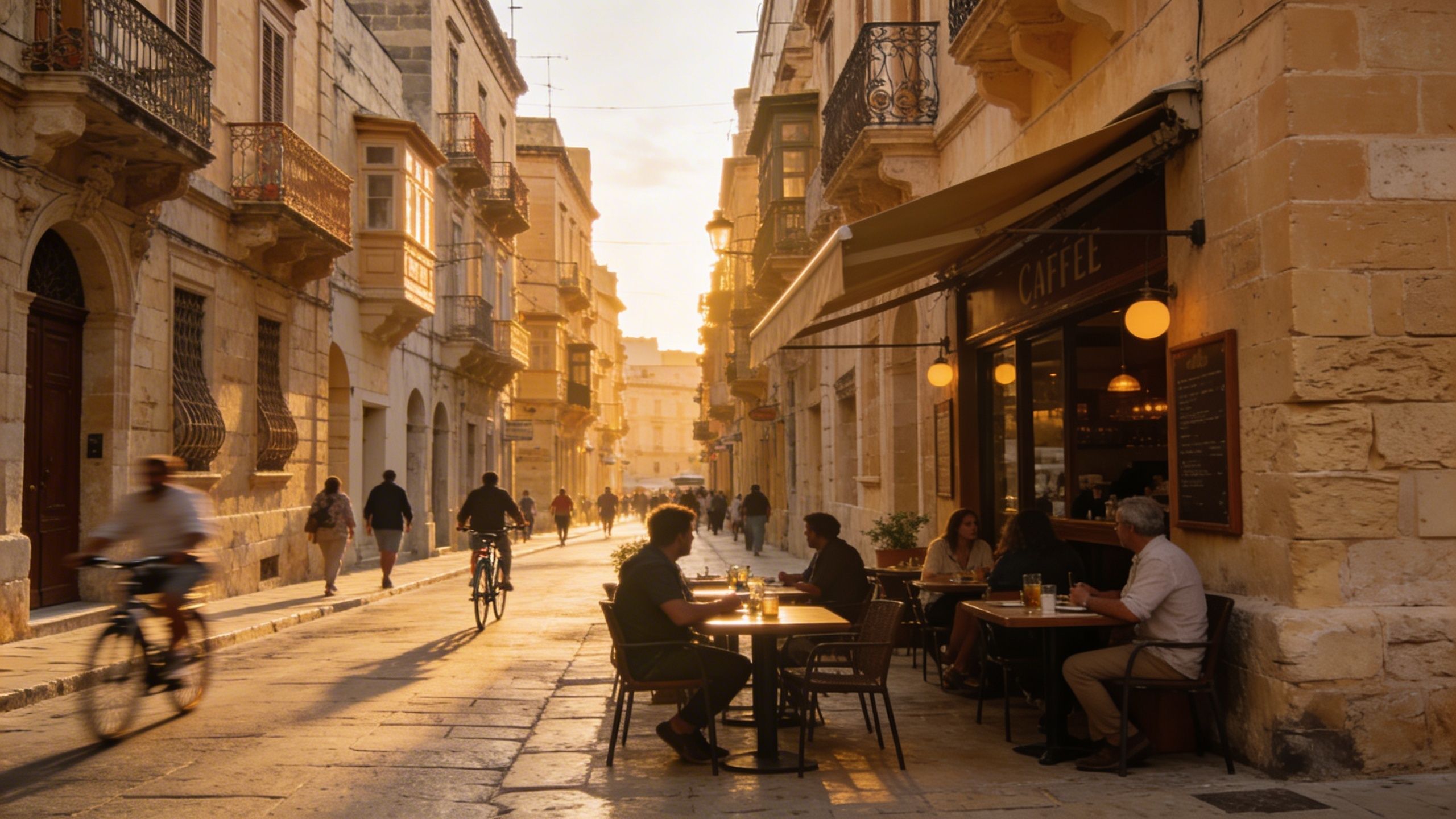
Imagine stepping from a quiet baroque square into a narrow street where a neighbourhood cafè pours ristretto for the same regulars every morning. In Malta, the rhythm of life asks you to move slowly: market stalls open with the dawn catch, seafront promenades hum in the evening and limestone façades warm as the sun slides west. For buyers who prize provenance, architectural texture and a life measured by ritual rather than spectacle, Malta rewards curiosity — and requires practical care when translating that life into an investment.
Living the Malta lifestyle

Malta is compact enough that a morning market in Marsaxlokk, an afternoon coffee in Floriana and a sunset walk on Sliema’s promenade can all sit within the same week. The archipelago’s social life orbits around piazzas, parish festas and small, excellent restaurants. English is widely spoken; Maltese is present in the best conversations. Expect sea breezes, a calendar of cultural events and a pace that blends Mediterranean ease with urban convenience.
Valletta and the historic core — living inside the story
Picture late-afternoon light catching St John’s Co‑Cathedral and the quiet of side streets lined with tall townhouses. Valletta rewards those who seek cultural density and architectural pedigree: grand lintels, original Maltese timber balconies (gallarija) and restored palazzini with thick walls that keep summers moderate. For a buyer who values provenance and a walkable, curated life, the capital offers an intimate, civic form of luxury.
Coastal towns — Sliema, St Julian's and the seaside paradox
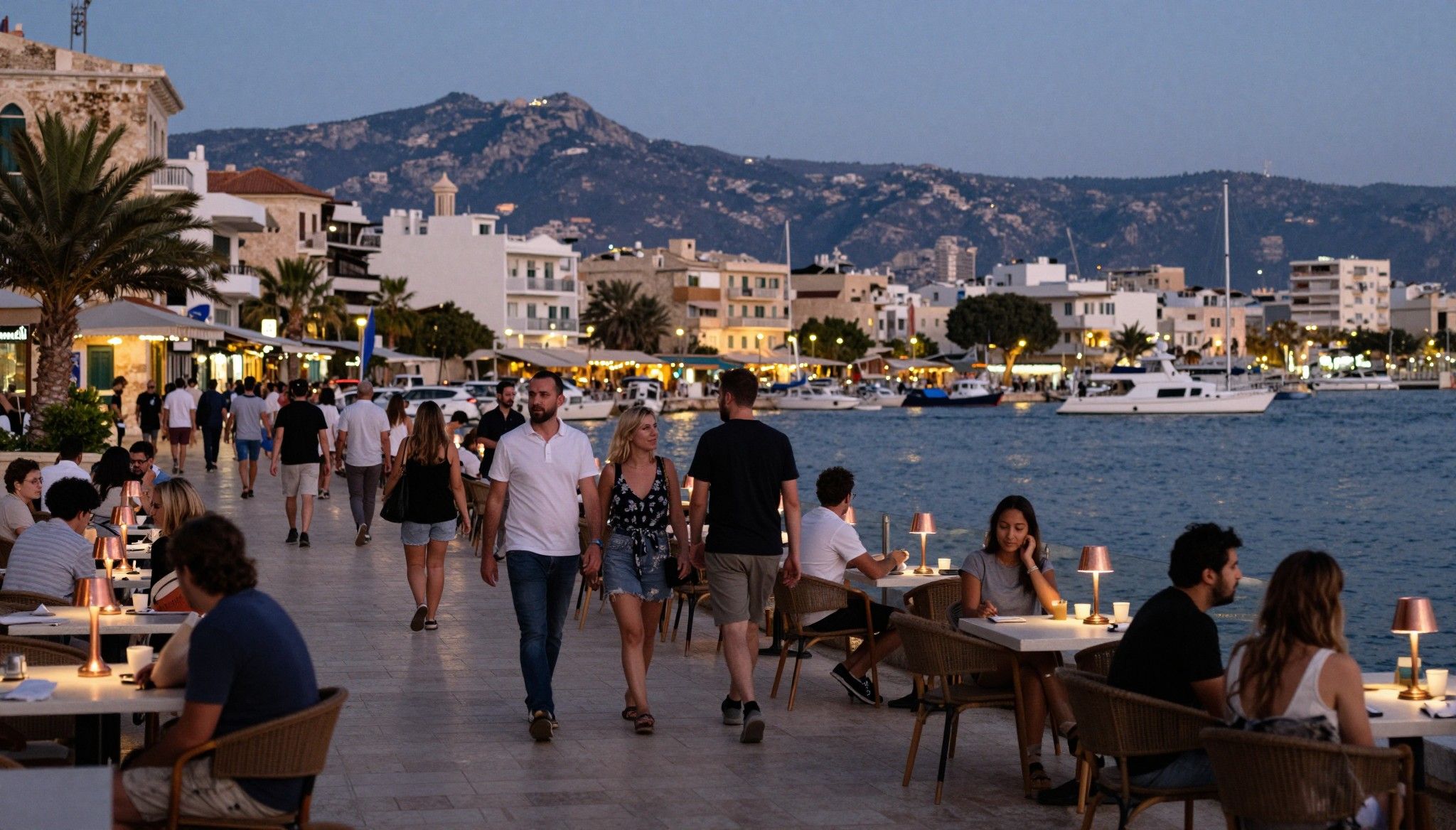
Sliema and St Julian’s present the polished, seafront life many buyers imagine: promenades, contemporary apartments and lively restaurants. Yet that same visibility brings density, short‑let pressures and a daytime tourism pulse that alters neighbourhood calm. East and south coastal towns such as Marsaxlokk and the quieter bays around Mellieħa offer a different promise — slower rhythms, fishing‑village authenticity and low-rise views.
- Lifestyle highlights to taste Malta by neighbourhood
- Valletta: morning espresso at Caffè Cordina, interval visits to museums, evening passeggiata along Republic Street.
- Mdina & Rabat: restorative quiet, vaulted courtyards, historic homes with cool interiors and long sightlines.
- Marsaxlokk: weekend fish market life, wrought‑iron balconies, and small houses with direct access to the water.
Making the move: practical considerations
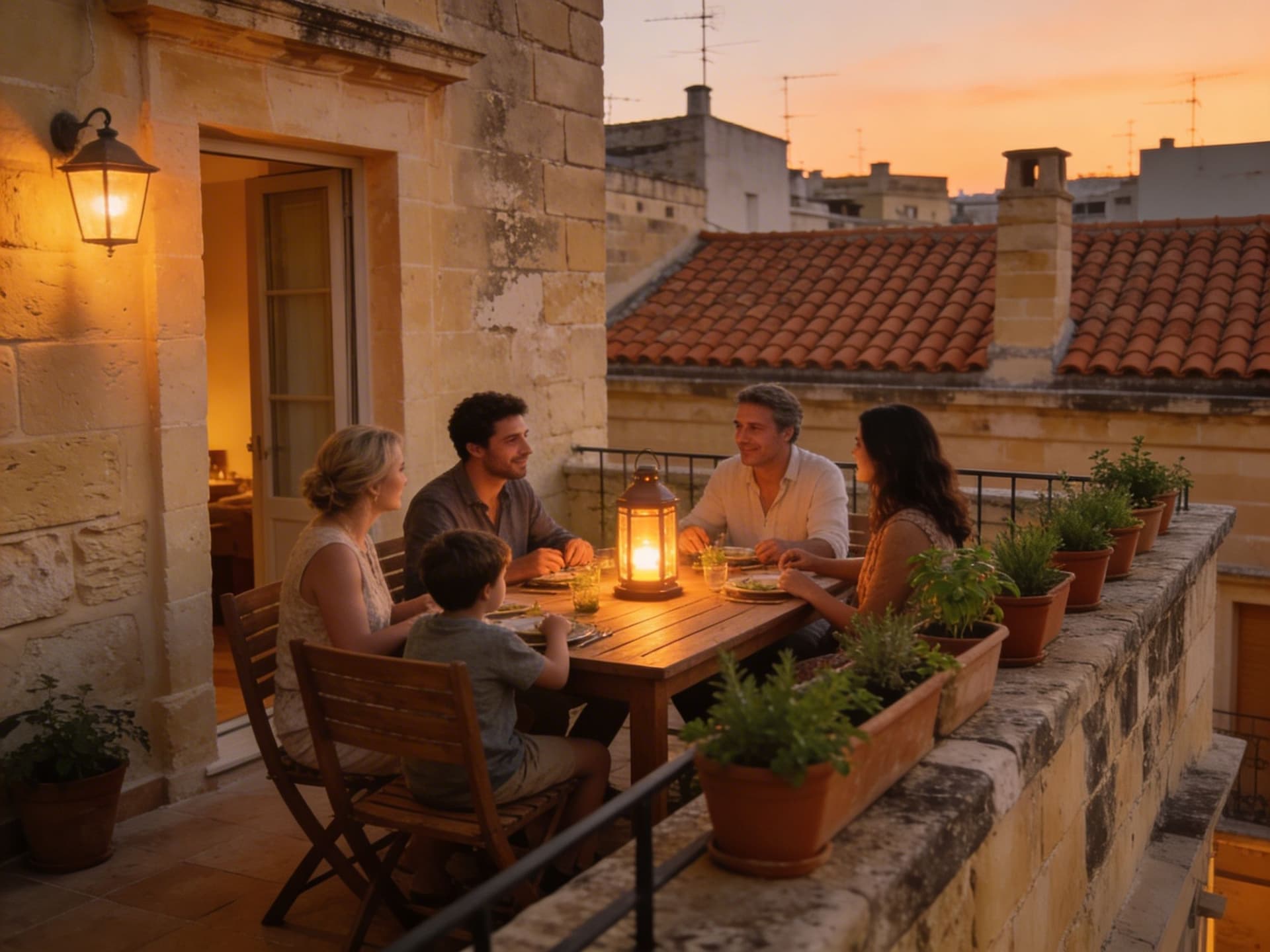
Malta’s price indices have been steadily positive: the National Statistics Office reported a year‑on‑year rise in the Residential Property Price Index, which illustrates steady demand across apartments and maisonettes. That growth reflects limited land, renovation interest in historic stock and demand from a mix of locals and internationals. For lifestyle buyers this means being decisive but measured: the best properties in the right streets seldom linger on the market.
Property types and how they shape daily life
Stone townhouses with internal courtyards offer shade, privacy and rooms that read as cool refuges in summer; maisonettes deliver terrace life and street presence; modern seafront flats provide light and views but often at the cost of scale and local authenticity. Decide which habits matter: daily market access, private outdoor space, a library or a generous kitchen for entertaining. Those choices should guide neighbourhood selection as much as price per square metre.
Working with local experts who understand place
An agent who knows the block, the parish, and the builder behind a restoration becomes an extension of your taste. Local advisers help reconcile lifestyle priorities with zoning realities, short‑let pressures and conservation rules that affect renovations. Use an agency to filter for provenance — craftsmen‑led restorations, high‑quality joinery, and properties whose fabric will age well — rather than chasing glossy finish alone.
- Steps to marry lifestyle with sound purchase (practical and sensorial)
- Visit neighbourhoods at three times of day: morning market, late afternoon and after dinner to sense noise, light and movement.
- Ask for a provenance dossier from the agent: ownership history, recent works, permits and typical running costs.
- Prioritise fabric over finishes: thick limestone walls, original timber balconies and artisan tiling predict longevity.
- Factor seasonality into income expectations: tourism spikes influence lettings in summer but quieter months show true residential character.
Insider knowledge: what expats wish they’d known
Expats often arrive charmed by weekends of fish soup and festa fireworks, then discover the subtle daily rules that shape belonging: parish loyalties, the cadence of shop hours and neighbors who prize reciprocity. Recent legal shifts around citizenship programmes have also altered the makeup of demand; buyers should expect policy to affect both investor interest and long‑term neighbourhood composition.
Cultural integration and the small‑island social contract
Learning Maltese phrases matters less than understanding expectations: repair networks, civic rituals and local timetables. Friendly conversations at the bakery or the barber often lead to the best practical advice — the builder who finishes to a high standard, the solicitor who knows the title quirks, the plumber who understands older drains. These relationships quietly decide whether a house becomes a home.
Long‑term lifestyle and stewardship
Owning in Malta is often stewardship as much as possession. Buyers who invest in conservation‑sensitive repairs and maintain material integrity not only preserve value but earn community trust. Think in decades: quality joinery, sympathetic lime mortars and discreet modern services inserted with care will reward both lifestyle and capital preservation.
Conclusion: If you come for the sea, stay for the streets. Malta’s compactness makes it legible; its layers of history and convivial rituals make it lovable. Begin by tasting the life — a market morning, a harbour lunch, a slow evening walk — then translate those preferences into precise search criteria with a local adviser who values provenance. The right property will read as a neighbourhood home first, an asset second.
Having moved from Stockholm to Marbella in 2018, I help Scandinavian buyers navigate Spanish property law, restoration quality, and value through authentic provenance.