When French Charm Hides Insurance Risks
French charm can conceal insurance gaps. Learn which policies matter for copropriété, second homes, short‑lets and heritage restorations — with practical steps and sources.
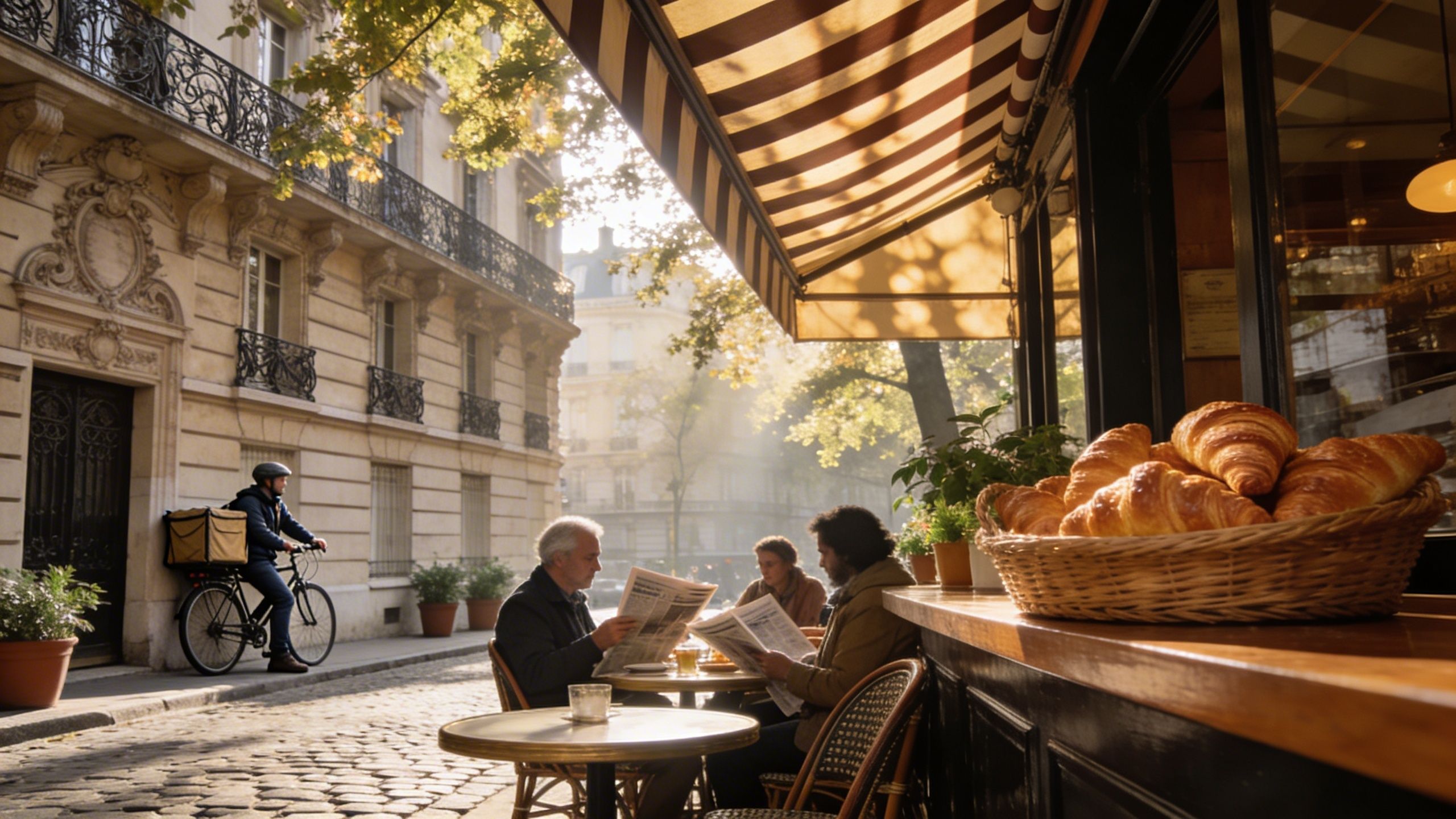
Imagine a sunlit rue in Aix‑en‑Provence at 10 a.m.: a baker sliding fougasses into the oven, a neighbour pruning roses, and the soft murmur of market bargaining across the square. It is precisely this lived detail — the domestic heat, the afternoon siesta, the kitchen table that holds family histories — that draws many of us to buy in France. Yet the same intimacy that makes French life so desirable can conceal everyday protections that differ from other markets: what you must insure, what a notary will check, and where gaps in cover quietly live. This guide looks at the charm and the small print together, so you arrive ready to enjoy the life rather than discover the exclusions later.
Living the French life — and the protections it assumes
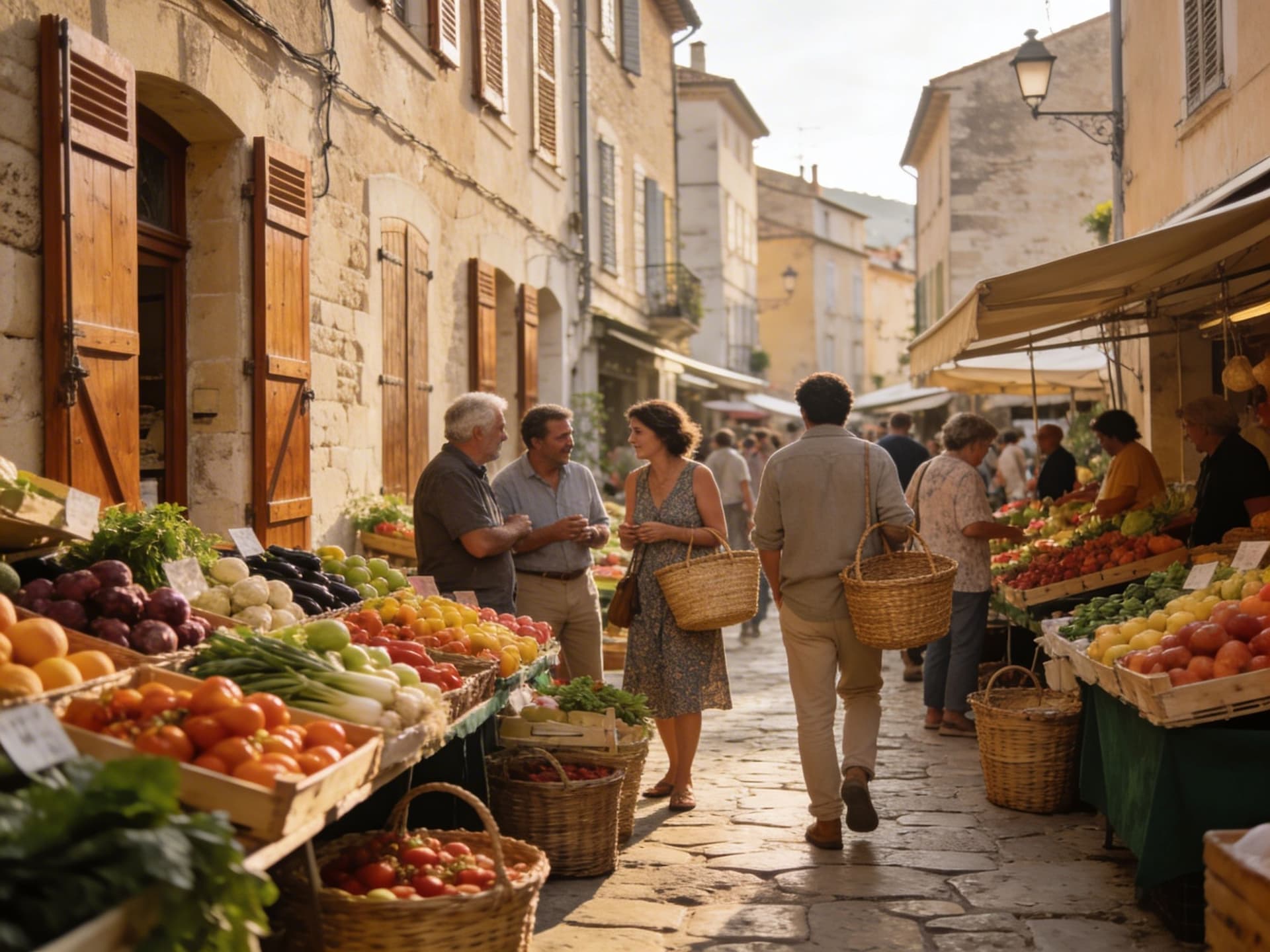
Daily life in France is organised around neighbourhood rhythms: morning markets, café terraces on rue de la Paix, and communal courtyards in Parisian immeubles. Many of these routines depend on shared responsibility — a neighbour's responsibility for a leaking pipe can affect your cellar as readily as your mood. French regulation therefore places particular duties on tenants, copropriétaires and syndics, and expects owners to carry at least liability cover in a co‑owned property. Knowing which of these duties applies to you is one of the simplest, most powerful protections when you move here.
Copropriété: the small print of shared life
If your flat is in a copropriété, French law (ALUR and the copropriété code) typically requires that you hold at least a responsabilité civile policy. This is not a formality: a fault in your flat that spreads to the stairwell or a neighbour’s flat will be processed through these common insurance rules, and the syndic’s collective policy will often be the first line of action. As an international buyer, insist on seeing the last syndic procès‑verbaux and the building insurance certificate before signing — they show recurring claims and what the collective policy actually covers.
Renting, second homes and the seasonal trap
Many buyers plan to rent their property for part of the year. Short‑lets and seasonal rentals change which insurance is expected and may expose gaps: standard occupant policies differ from ‘propriétaire non occupant’ (PNO) contracts designed to protect empty periods or furnished short‑let use. Read the policy clauses for 'usage touristique' and ask whether the insurer recognises platforms or intermittent occupancy; a cheap multi‑risk habitational policy can exclude the very rental activity you intend to run.
Making the move: property styles, risks and protective decisions

France rewards those who match property type to lifestyle: a stone mas in Provence for slow summers, a Haussmannian flat for city rhythm, a renovated presbytère for privacy. Each brings distinct exposures — old timber beams and lead plumbing in historic homes; coastal salt corrosion on Mediterranean facades; soil‑movement risks in rural Dordogne plots. Insurance is not one size fits all: a tailored schedule of cover, agreed‑value clauses for antiques, and specialist builders’ warranties must accompany architectural choices if you want both aesthetic integrity and financial protection.
Property types and the insurance you’ll actually need
Historic mas or château: look for restoration‑friendly policies covering artisan rebuild costs and matching materials rather than generic replacement; insist on agreed‑value for heritage finishes.
Seaside villa on the Côte d'Azur: confirm salt‑damage exclusions, storm and submersion cover, and whether your insurer uses Météo France flood maps for payouts.
Parisian appartement: check the syndic’s policy for communal risks, confirm elevator and façade works are funded by the reserve, and secure contents cover for high‑value art in small footprint spaces.
Work with local experts who understand life, not just law
1. Ask your notaire for full disclosure of past sinistres and the condominium procès‑verbaux; they can flag recurrent building claims that affect future premiums.
2. Engage an insurer or broker experienced in international clients who can provide multi‑lingual policies and explain exclusions in plain language.
3. Commission a specialist surveyor for older buildings; an architect’s report can be attached to insurance negotiations to avoid surprise refusals at claim time.
Insider knowledge: expat mistakes, local customs and the seasons that matter
Expats often underestimate how much communal life shapes liability in France: a shared courtyard garden, a common boiler, or a balcony altercation can produce claims distributed across owners. Language can obscure clause differences — for instance, 'dégâts des eaux' is broader than 'water damage' in other languages — and timing matters because catastrophe naturale payouts are tied to official arrêtés. Understanding these particularities prevents small frictions from becoming costly legal disputes.
What expats tell us they wish they'd known
You must keep documentation of works and expert valuations: insurers will ask for receipts for restoration materials and artisan invoices when appreciating heritage restorations.
Catastrophe naturelle declarations are administrative and time‑sensitive: without the préfet’s arrêté you may not be eligible for the special cover triggered by such declarations.
Short‑let platforms may invalidate standard policies; secure specific host protection or a PNO adapted to intermittent letting.
Long‑term stewardship: insure for preservation, not just replacement
Think of insurance as part of stewardship rather than an annual bill to be minimised. For properties of architectural merit, insurers who value period materials and allow for craftsman‑led repairs safeguard both appearance and value. Maintain a file of works, valuations and artisan contacts, and review your policy after any renovation so the sum assured reflects true replacement costs. These habits preserve value and make claims less adversarial if misfortune comes.
Conclusion: choose life, but insure the life you choose. France offers a daily richness — marché mornings in Nice, quiet afternoons in the Dordogne, salon culture in Lyon — that is worth protecting with precise, localised insurance choices. Begin with the building: request syndic minutes and the building insurance certificate; then match the policy to use — owner‑occupied, seasonal letting or full‑time rental. Finally, make the notaire, a trusted local broker and an architect your allies: together they translate charm into durable protection so you can live the life you bought.
Former Copenhagen architect who relocated to Provence, offering relocation services, market analysis, and a curator’s eye for authentic regional design.