Protecting a Cyprus Home: Title, Insurance & Stewardship
How to protect a Cyprus property purchase with title clarity, tailored insurance and local stewardship—practical steps rooted in lifestyle realities.

Imagine waking to the smell of freshly baked halloumi and coffee, walking past a shuttered stone house on Agiou Andreou in old Nicosia, then stepping into a sunlit courtyard where the rhythm of daily life has changed little in a century. Cyprus offers a rare combination: Mediterranean light, villages that hold craft traditions, and coastal towns where evenings gather around simple taverna tables. For many international buyers the romance is immediate; the less romantic but essential question is how to protect that life—legally and financially—so your first Mediterranean winter feels like an introduction, not a crisis.
Living Cyprus: daily rhythms and local textures
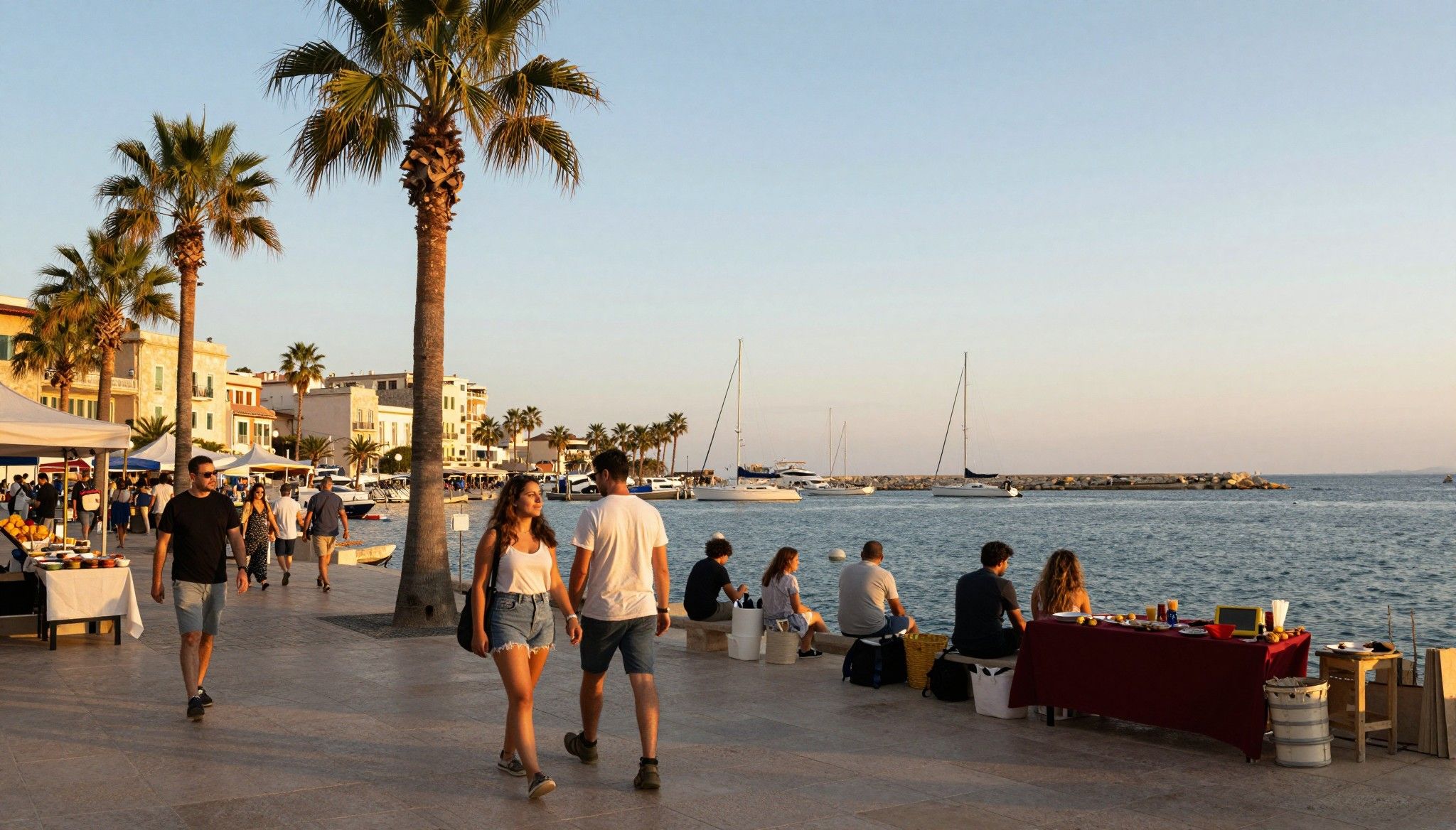
Daylight in Cyprus is architectural: it finds limestone facades in Larnaca, terraces in Paphos that catch the sea, and the shaded arcades of Limassol’s Molos promenade. Mornings often begin at neighbourhood bakeries such as 'To Souvlaki tou Thanasi' (an emblematic name), afternoons dissolve into siestas or sea swims, and evenings are for citrus-scented promenades and small-plate dining. That unhurried cadence shapes what you value in a property: courtyards for quiet, shutters for summer shade, and proximity to cafés and markets where neighbours still exchange news.
Nicosia’s quiet dignity: stone, cafés and craft
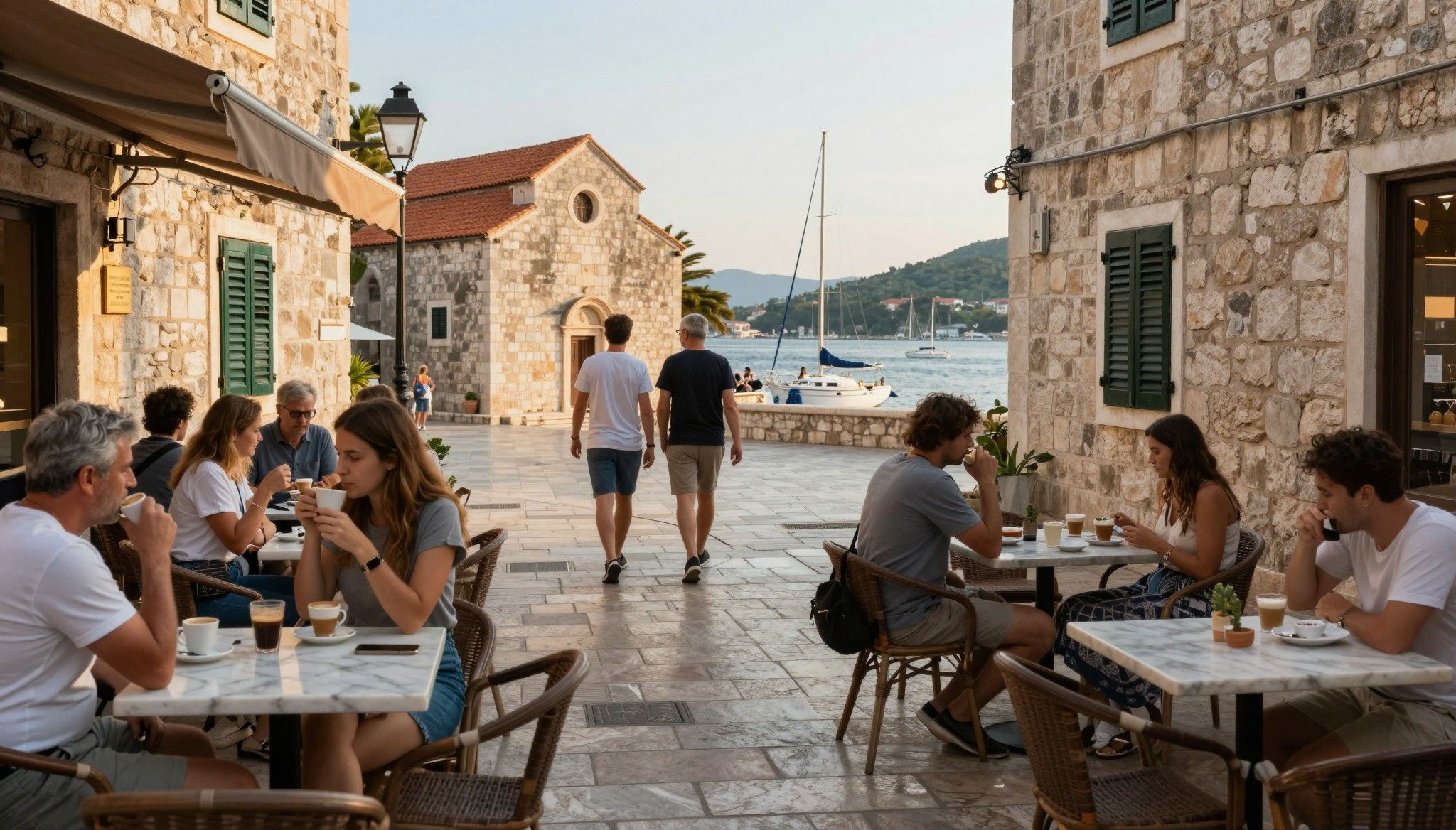
Nicosia rewards those who want history close at hand. Streets like Ledra and Onasagorou are lined with neoclassical townhouses and discreet courtyards; boutique cafés nestle beside ateliers. For buyers who prize provenance, properties here often come with original timber shutters, decorative cornices and the possibility of sensitive restoration that honours the building’s past while adding modern comforts.
Coast and village: Limassol, Paphos and the inland retreat
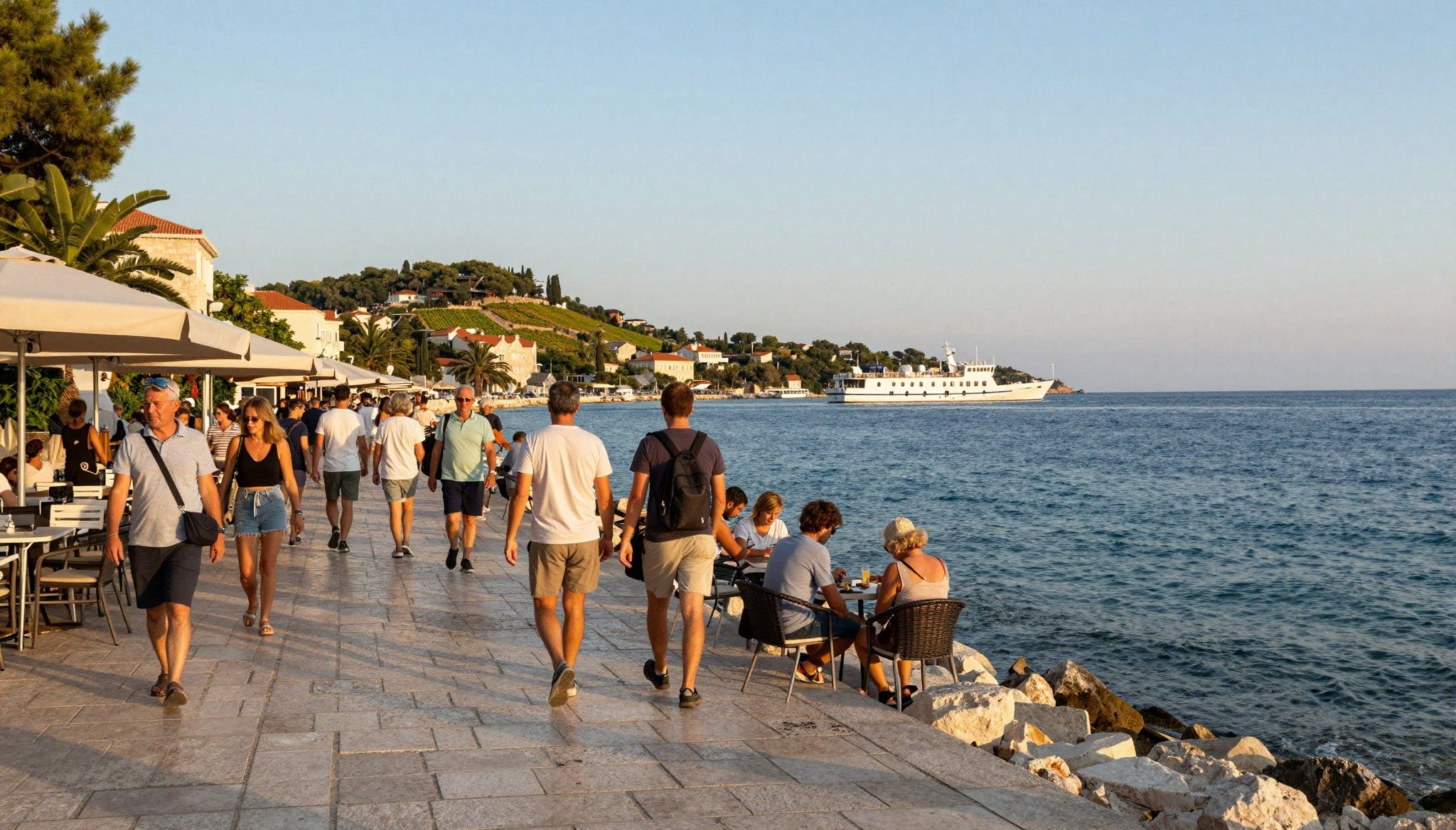
Limassol’s seafront brings cosmopolitan energy: yachts, international restaurants and contemporary apartments with large terraces. Paphos marries archaeology with quiet coves, where renovated stone houses sit a short drive from beaches like Coral Bay. Inland, villages such as Tala and Omodos offer vine terraces, narrow lanes and a pace for those who prefer evening wine over nightlife—each setting demands different insurance and buyer protections depending on exposure to coastal weather, access roads and restoration complexity.
- Morning espresso at a neighbourhood kafeneio on a shaded square
- Weekend market in Larnaca for citrus, loukoumades and fresh fish
- An afternoon swim off Governor’s Beach followed by a seaside lunch
- An evening passeggiata on Limassol’s Molos, watching families gather
Making the move: where lifestyle meets legal protection
The property market’s recent strength—transaction value reached a record in 2024—means that your choices will be shaped by real market forces as well as personal preference. Practical protections translate the dream into a durable asset: accurate title, appropriate building and contents insurance, and contract clauses that anticipate cross-border risks such as prolonged vacancies or management failures.
Title and registration: the document you must secure
Obtaining clean title is non‑negotiable. Cyprus’s Immovable Property Department manages title deeds; many older properties still await full registration, which can complicate resale or mortgage lending. A solicitor should confirm the existence and status of title deeds, outstanding charges and whether any historic planning permissions or unilateral declarations affect the property.
Insurance beyond the basics: tailoring protection to place
Standard fire and storm cover is a starting point; for Cyprus consider additional layers. Coastal properties benefit from salt‑air and storm surge cover, older stone houses require specialist restoration insurance for heritage materials, and villas with pools demand higher liability protection. Ask insurers about matching replacement value for traditional materials and whether short‑term rental use is permitted under your policy.
- Commission a survey that addresses structural issues, rising damp and salt corrosion specific to coastal properties.
- Confirm that insurance covers loss of rental income and liability if you plan to let the property seasonally.
- Insist on an itemised schedule of reinstatement costs for heritage features, not a generic replacement sum.
- Clarify whether policies cover unpaid service charges or communal defects in apartment blocks.
Insider knowledge: expat realities and protections locals take for granted
Expats often arrive enchanted, then discover administration and maintenance are the daily work of stewardship. Local installers, electricians and plumbers operate on personal relationships; securing a trusted network early reduces emergency costs. Equally, community customs—seasonal shuttering, Byzantine property boundaries, and collective decisions in village councils—affect upkeep and insurance risk.
Language, neighbourhood ties and informal protections
Greek is dominant, but English is widely used in legal and real estate circles; still, contracts and insurance details written in Greek should be professionally translated. Neighbourhood bonds—regular market sellers, café owners and parish priests—often provide pragmatic early warnings of issues like flooding or structural movement long before they appear in a report.
How seasons change risk and value
Summer intensifies maintenance needs—salt corrosion and UV damage—while winter can reveal roof leaks and drainage problems. Buyers who inspect in a single season should request a targeted survey that stresses both extremes. Market data show coastal towns like Paphos can appreciate faster; protection strategies should therefore match both immediate lifestyle use and longer‑term value preservation.
- Keep a local emergency contact list: builder, licensed electrician, insurer liaison.
- Budget 1–2% of property value annually for maintenance in older or heritage homes.
- Negotiate a clause for joint inspection and price adjustment if surveys reveal hidden defects.
A pragmatic closing checklist
- Obtain an up‑to‑date title search and certified copy of the register from the Immovable Property Department.
- Secure a full structural and MEP (mechanical, electrical, plumbing) survey that explicitly lists coastal corrosion or historic-material restoration needs.
- Buy a reinstatement insurance policy (not just market value) and confirm liability cover for guests and tenants.
Conclusion: Cyprus is a place of quiet pleasures and material responsibilities. The sun, the food and the small‑street rituals are what draw people here; careful legal checks, bespoke insurance and local stewardship are what keep those pleasures intact. A local solicitor, a reputable surveyor and an insurer who understands Mediterranean exposures will not only protect your purchase but allow you to live the life you bought without distraction.
Next step: arrange a pre‑visit briefing with a Cyprus‑based solicitor and a property curator who can translate the lifestyle you want into contractual protections and an insurance programme that respects both heritage and daily living.
Relocating from London to Mallorca in 2014, I guide UK buyers through cross-border investment and tax considerations. I specialise in provenance, design integrity, and long-term value.