Greece: Life, Lanes & Where Value Quietly Grows
Greece offers seasonal richness and enduring value—learn how lifestyle, recent Golden Visa reforms and local rhythms shape where to invest and live.
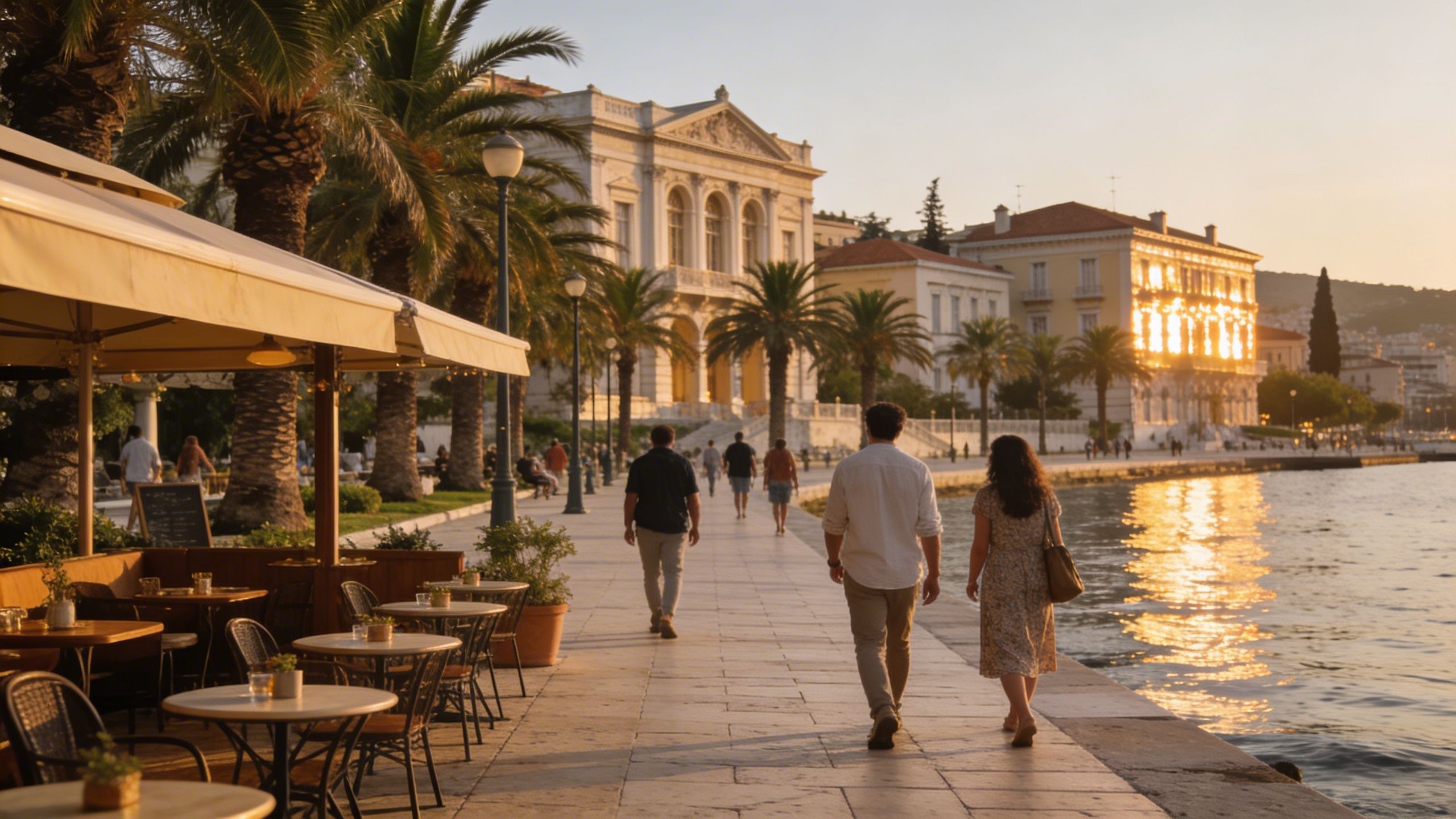
Imagine arriving at a sun-warmed kafeneíon in Plaka, coffee steam rising as fishermen pass beneath the Acropolis. In Greece, everyday scenes—market vendors arranging figs, early-morning cyclists on the Athenian Riviera, fishermen hauling nets on small islands—shape how houses are used, conserved and loved. For international buyers, the romance comes easily; the pragmatic questions follow. This piece explores the life you buy in Greece and the precise realities that shape value, from lively neighbourhood rituals to the revised investor-residency rules that now redraw demand.
Living the Greece lifestyle
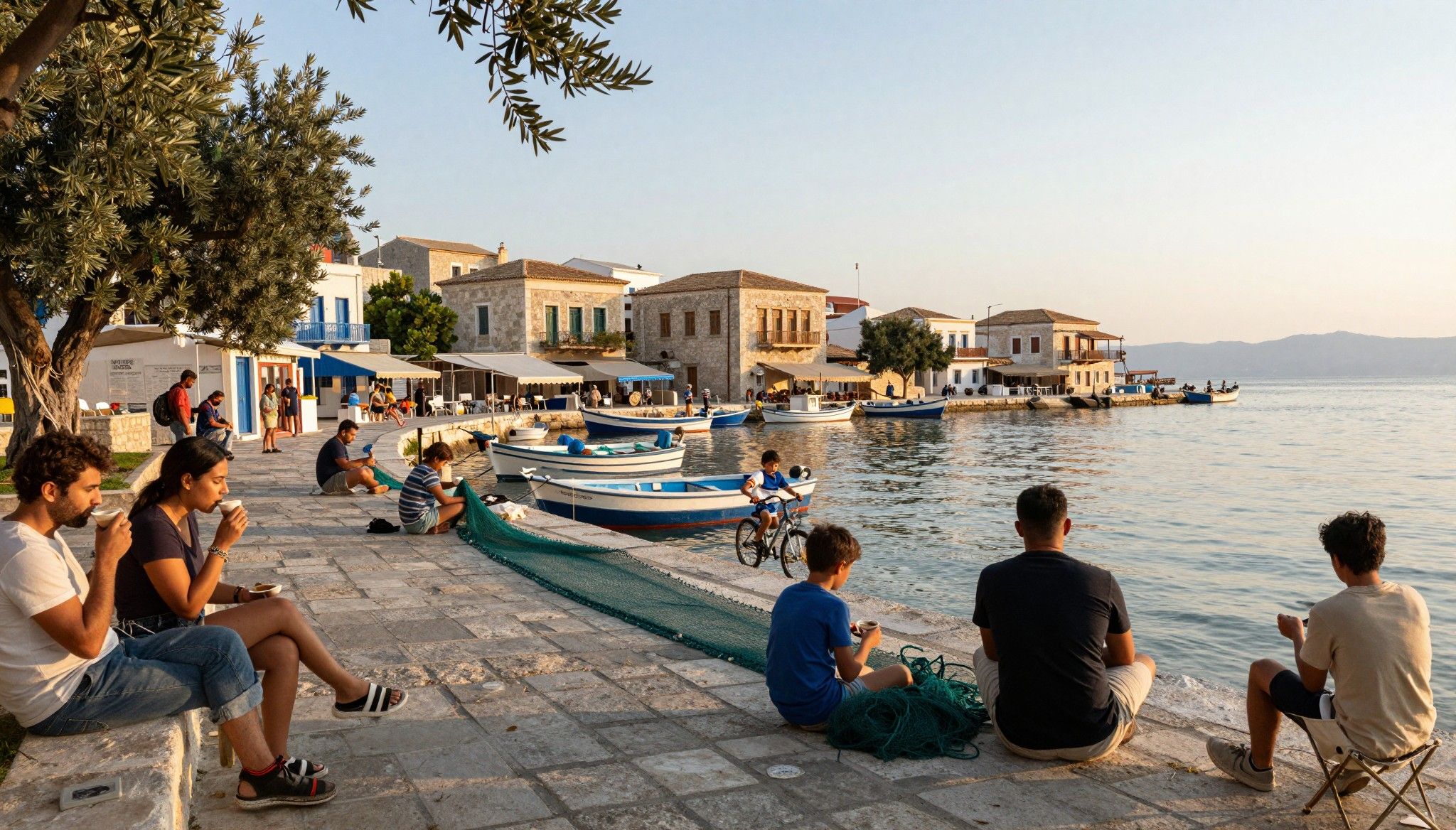
Greece is a study in contrasts: narrow Byzantine lanes that open onto neoclassical squares; coastal roads where modern villas sit beside olive groves. Days begin with strong espresso and end with slow seafood suppers by port lanterns. Seasonal rhythms govern life—winter markets in Thessaloniki, spring wildflower drives on Crete, summer piazzas in Hydra—so your neighbourhood choice determines the life you will actually lead, not only the view on your brochure.
Athens: the refined urban day
In central Athens, neighbourhoods such as Kolonaki and Plaka combine measured elegance with civic life. Morning runs along Dionysiou Areopagitou, private galleries clustered near Vasilissis Sofias Avenue, and tavernas that keep late hours create a compact, walkable life. Apartments here favour high ceilings, original moldings and terraces that transform with each season; proximity to embassies and museums attracts buyers who prize cultural capital as much as sunlight.
Islands and coast: the measured island life
The Cyclades, Ionian coasts and the Athenian Riviera offer a different tempo: kinetic summers, hushed winters, and a focus on outdoor rooms—terraces, pergolas, shaded courtyards. On Mykonos or Vouliagmeni, days are spent between sea swims and late lunches; in lesser-known islands such as Syros or Naxos, local markets and year-round communities set a quieter rhythm that often rewards long-term owners seeking authenticity over spectacle.
- Lifestyle highlights to seek in a Greek neighbourhood
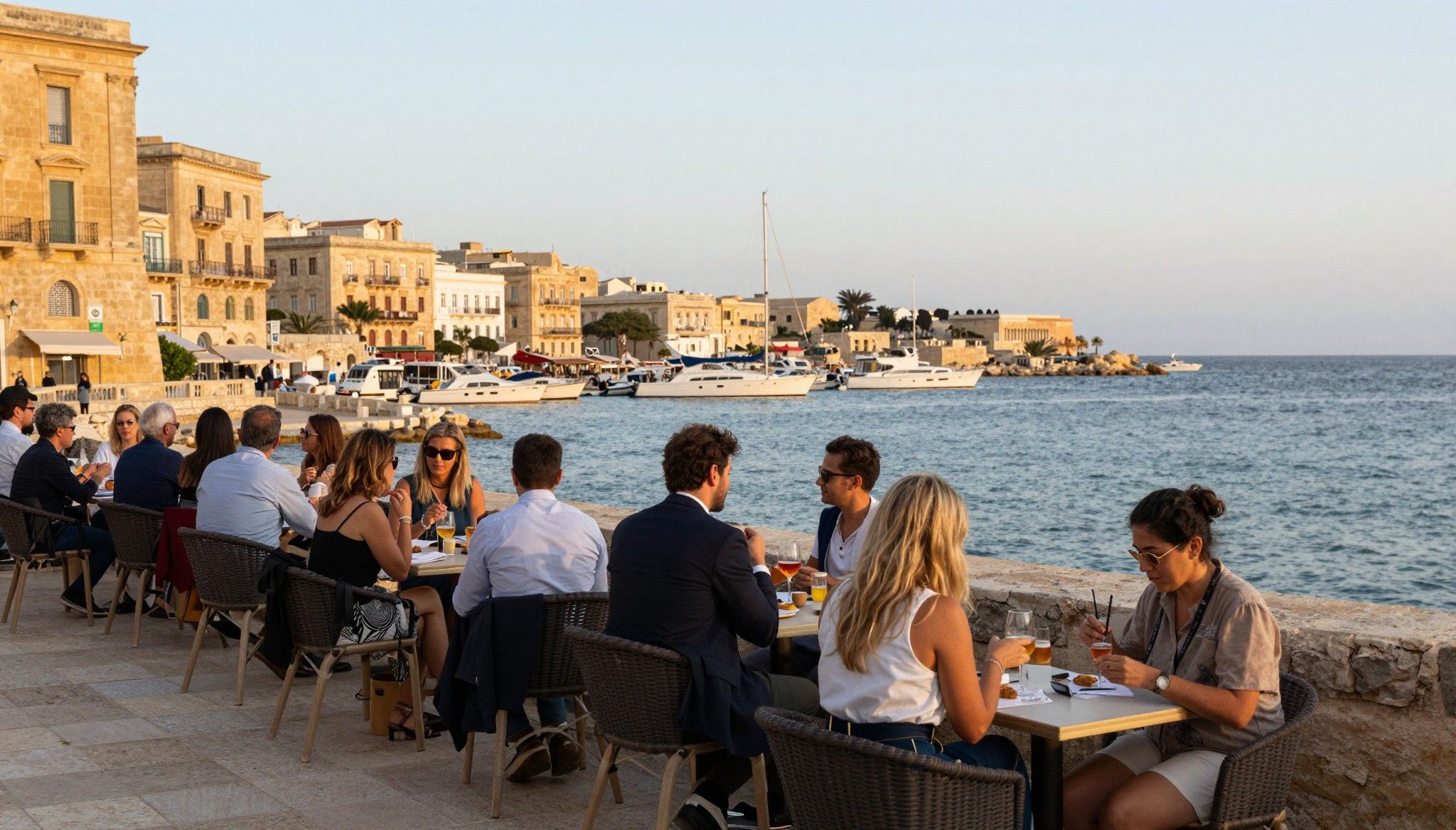
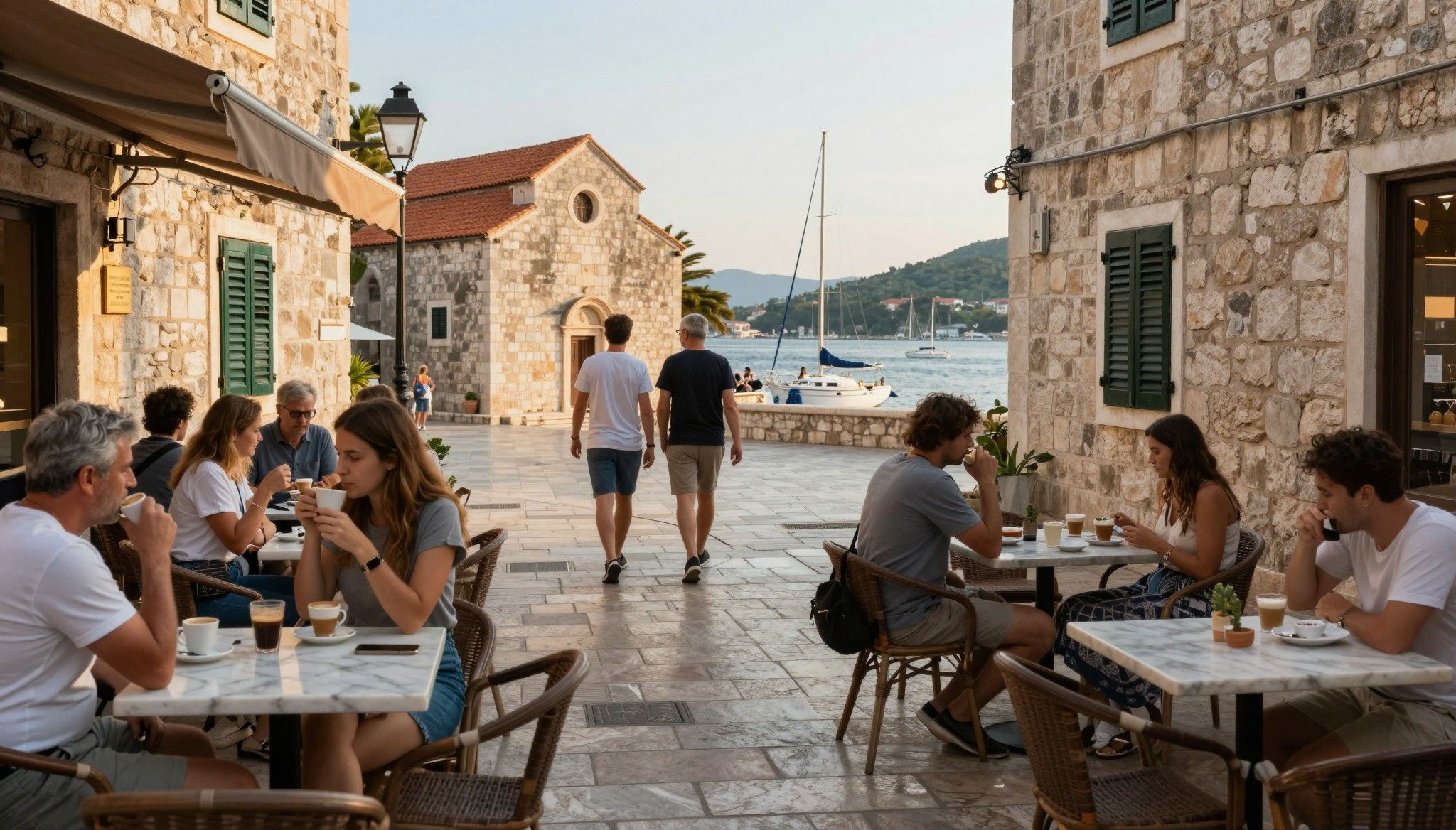
- Daily café culture — identifiable corners such as Little Kifissia cafés or Psyrri’s early bakers
- Weekly fresh markets — Varvakios in Athens, Modiano in Thessaloniki, island farmers’ stalls
- Coastal promenades and small harbours for weekday swims and Sunday fish suppers
- Local artisan shops — bakeries, ceramic workshops, small wineries that shape social life
Making the move: practical considerations
The romance of Greece meets a dynamic market. National house-price indices from the Bank of Greece show robust but moderating growth—prices rose substantially in recent years, particularly in Athens and the major islands, though quarterly growth has slowed as the market absorbs higher rates. At the same time, the 2024 reforms to investment-residency thresholds have concentrated demand in specific zones, reshaping where foreign capital flows.
Property styles and how they fit real life
Choose a property not just for its façade but for how it orchestrates daily life: neoclassical apartments in Athens offer reception rooms and libraries suited to formal gathering; stone village houses on Crete lend themselves to terraced gardens and olive cultivation; contemporary villas on Cycladic cliffs prioritize indoor‑outdoor continuity. Materials matter here—stone, timber and plaster age gracefully and reduce maintenance when chosen thoughtfully.
Working with local experts who understand the life behind the listing
A local agency should be fluent in both the market mechanics and the cultural particulars: seasonal rental patterns, municipal building rules, and the tacit expectations of neighbours. Seek firms with restoration experience if buying older property; they will assess structural works, seismic upgrades and insulation—practicalities that determine whether a house becomes a weekend folly or a lifelong home.
- Practical steps that marry lifestyle to process
- Visit across seasons — spring and winter visits reveal community depth and property performance.
- Commission a heritage-aware survey — confirm original materials, drainage and seismic reinforcement.
- Plan for running costs seasonally — heating, cooling and water systems vary with island and inland climates.
- Understand residency thresholds — new dual-zone Golden Visa rules concentrate demand and affect liquidity.
Insider knowledge: what expats wish they'd known
Expat experience often pivots on small, human factors: the friendliness of a local kafeneíon owner, municipal opening hours, and the presence of a year‑round community. Buyers tell us that the surprise is rarely legal complexity and more often social rhythm—how a neighbourhood behaves out of season, whether neighbours keep chickens, or whether the local bakery closes for summer. These details matter as much as square metres.
Cultural integration and daily rituals
Learning even a few key phrases opens doors. Attend local festivals—name-days and harvest fairs—to meet neighbours and understand civic life. Expect a different pace: shop hours, bureaucracy and social invitations follow local calendars. For many international owners, mastering these rhythms turns a property into a home rather than a foreign weekend escape.
Long-term lifestyle and investment outlook
Market data indicates steady appreciation in desirable areas, but value here is also cultural and generational: properties preserved with authentic materials and good restoration command enduring interest. Recent policy changes that raised residency investment thresholds in high-demand zones (Attica, Mykonos, Santorini and major islands) have shifted buyer interest toward lesser-known islands and the mainland—an opportunity for discerning buyers seeking long‑term provenance.
- Red flags and subtle checks
- Unclear title chains — insist on complete land-registry extracts and notarised translations.
- Over‑romanticised short‑let income — demand can be highly seasonal and regulation is tightening.
- Insufficient seismic upgrades — older masonry requires careful structural appraisal.
- Neglected serviceability — water supply, winter heating and winter road access are often overlooked.
Conclusion: Greece as a life, not a postcard. If you imagine evenings in a shaded courtyard or morning markets redolent with citrus, remember that such pleasures live alongside municipal rhythms, property maintenance and evolving policy. Begin with long visits, choose advisors who value architectural integrity, and let neighbourhood life lead the purchase. For the discerning buyer, Greece offers provenance, a measured climate for value and a life that rewards stewardship.
Norwegian with years in Florence guiding clients across borders. I bridge Oslo and Tuscany, focusing on legal navigation, cultural context, and enduring craftsmanship.