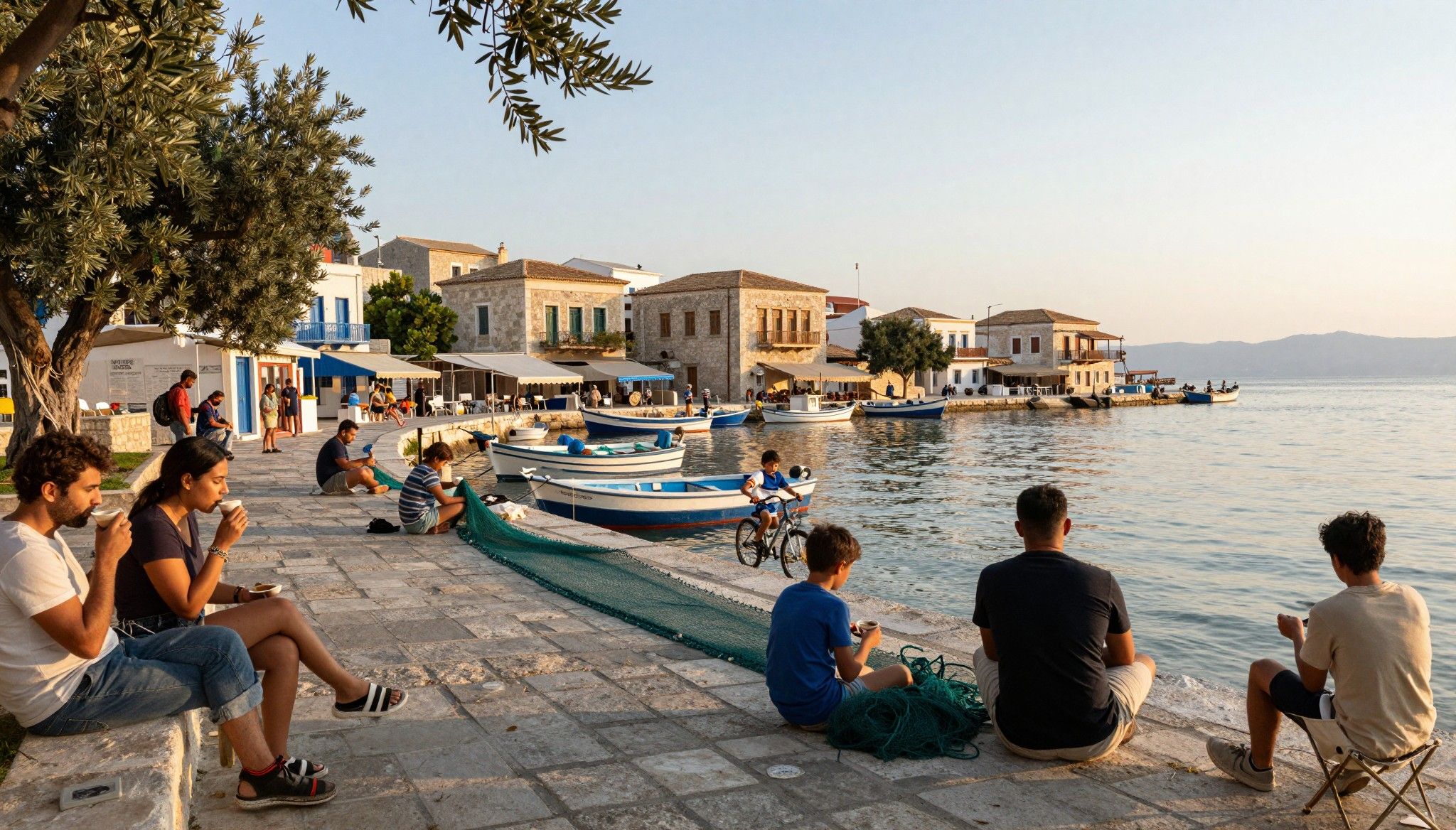
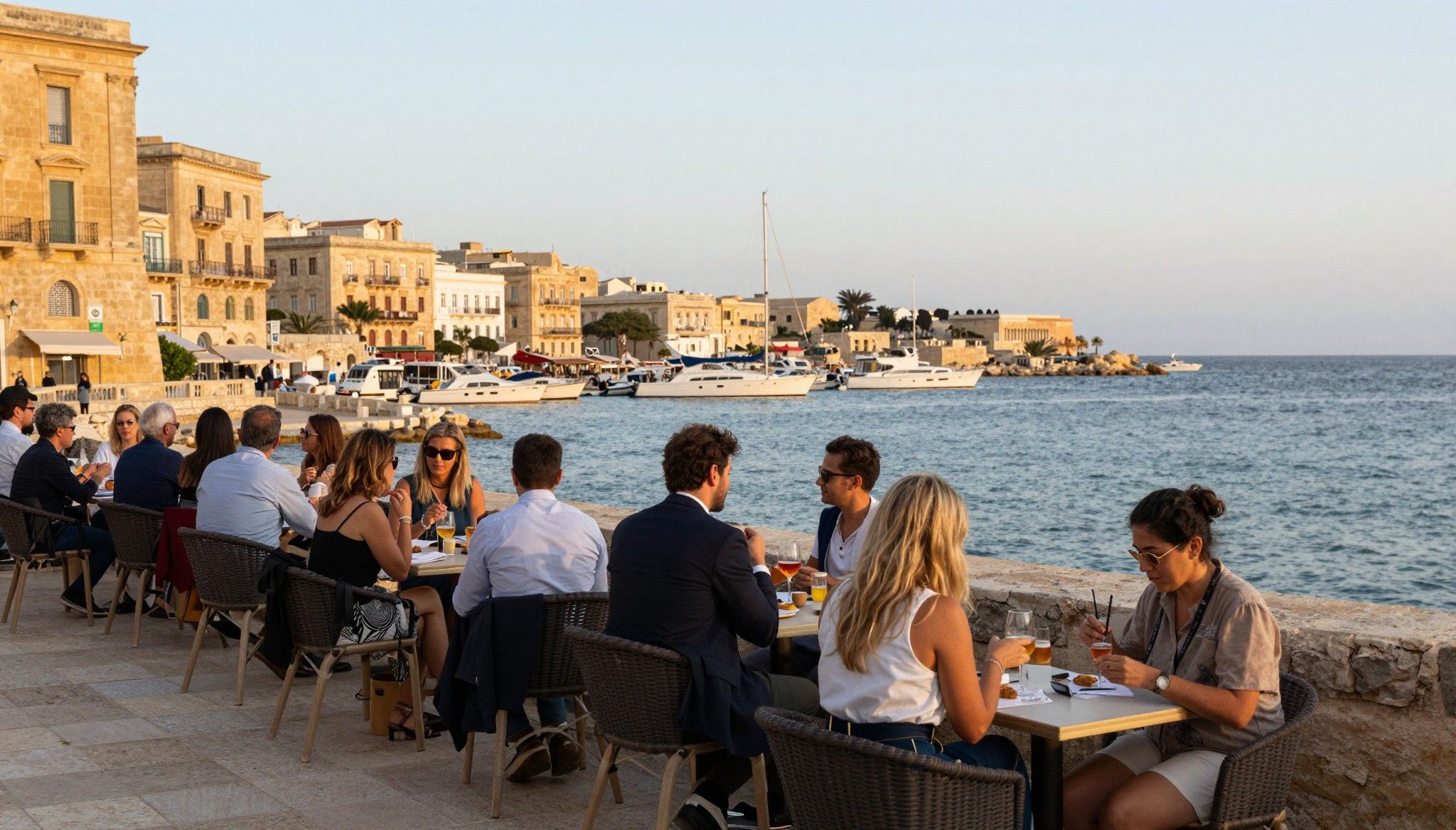
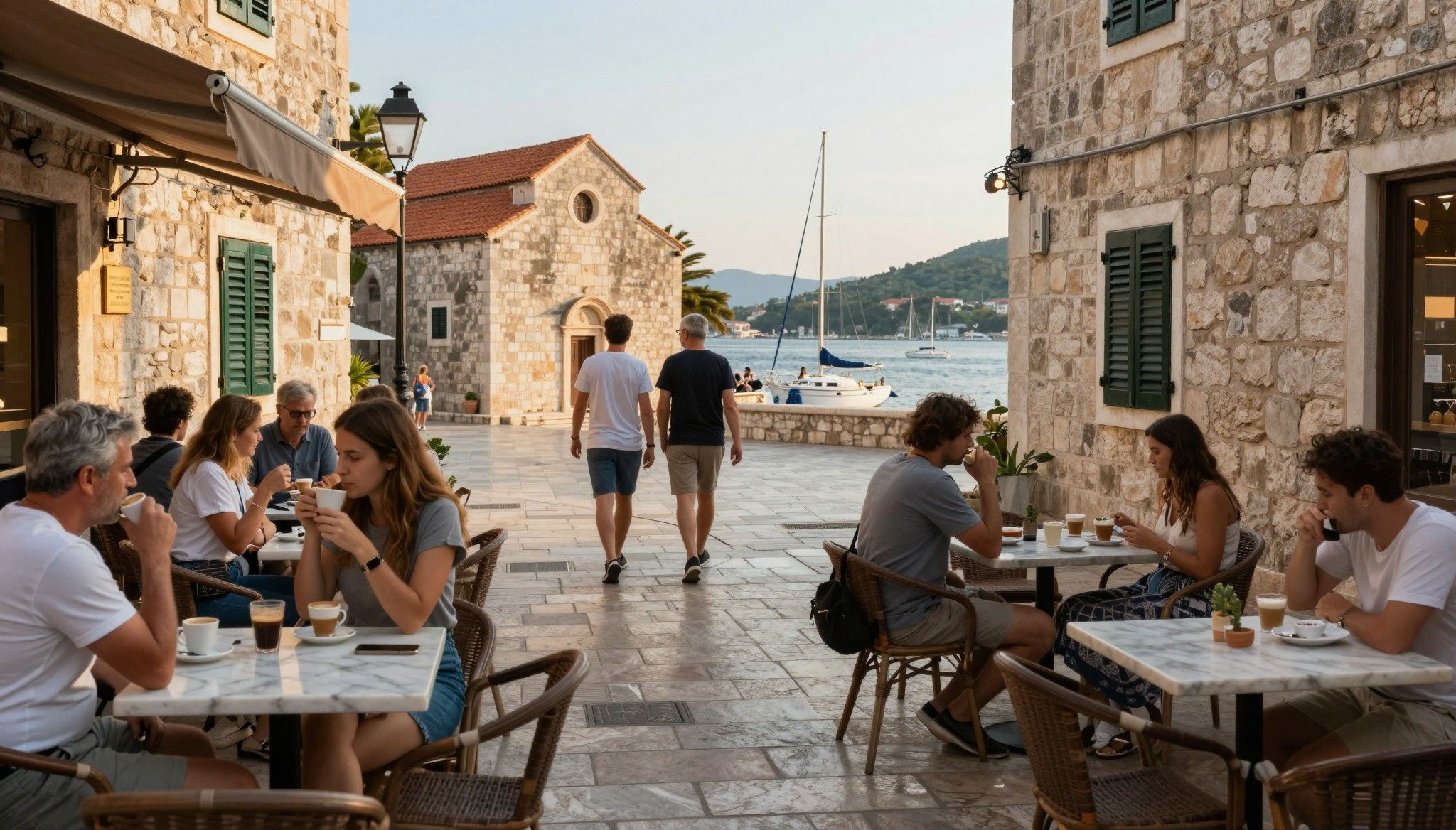
Italy: Where 'Expensive' Masks Unexpected Value
Italy’s headline prices hide dramatic local value; match the life you want to real streets, markets and building fabric to control living costs and protect long‑term value.
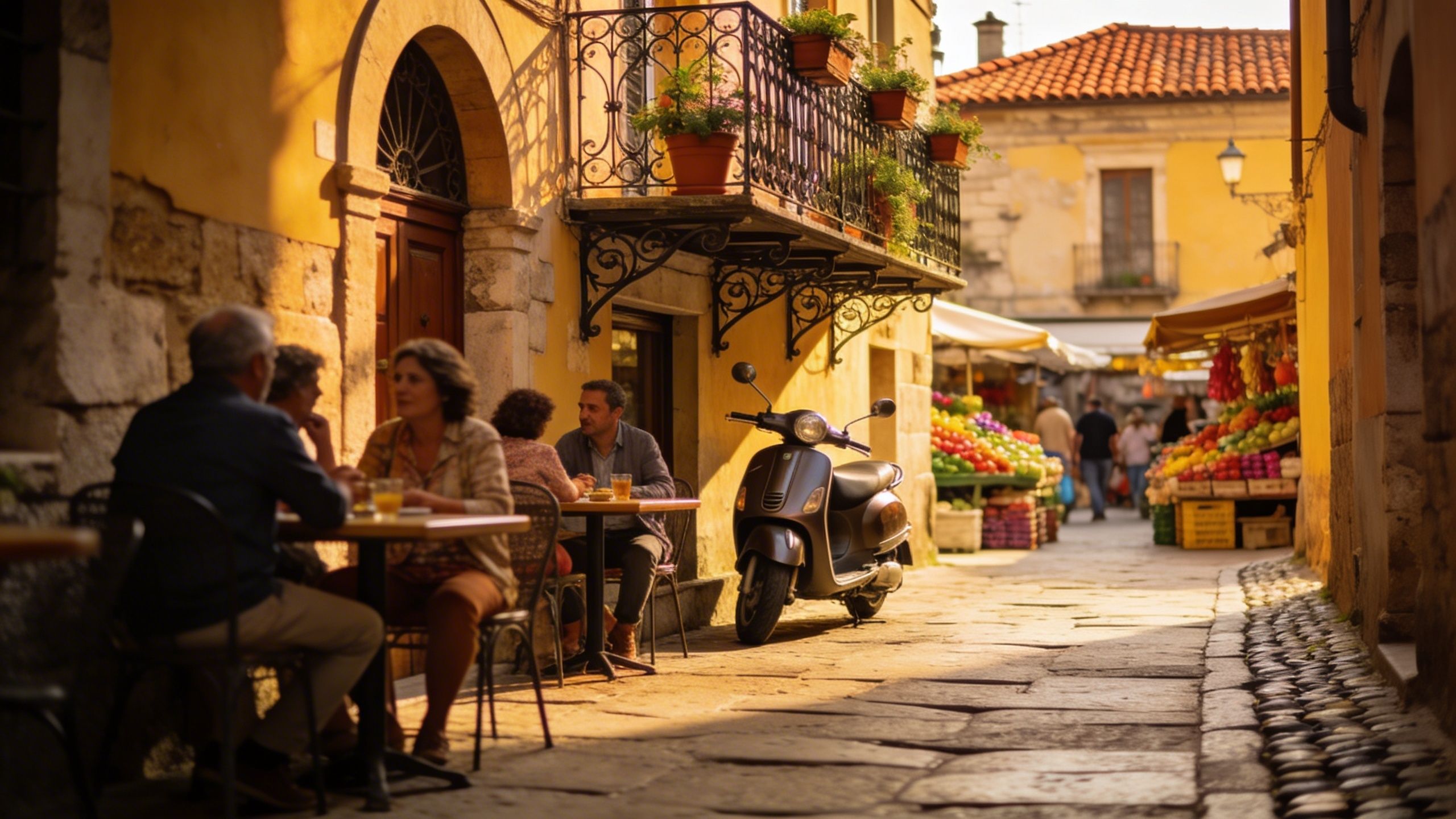
Imagine the slope of a narrow street in Bologna at dawn: bakery steam, bicycles, a tradesman sweeping the cobbles while a barista pulls the first espresso of the day. That small ritual is the measure of value here—quality of life translated into everyday detail. In Italy, property is not merely a financial holding; it is a series of lived rooms, market rhythms and neighborhood rites that matter as much as square metres. Recent market analysis shows national price dispersion is dramatic, which matters for buyers who prefer lifestyle to headline price tags.
Living the Italy life: more than price
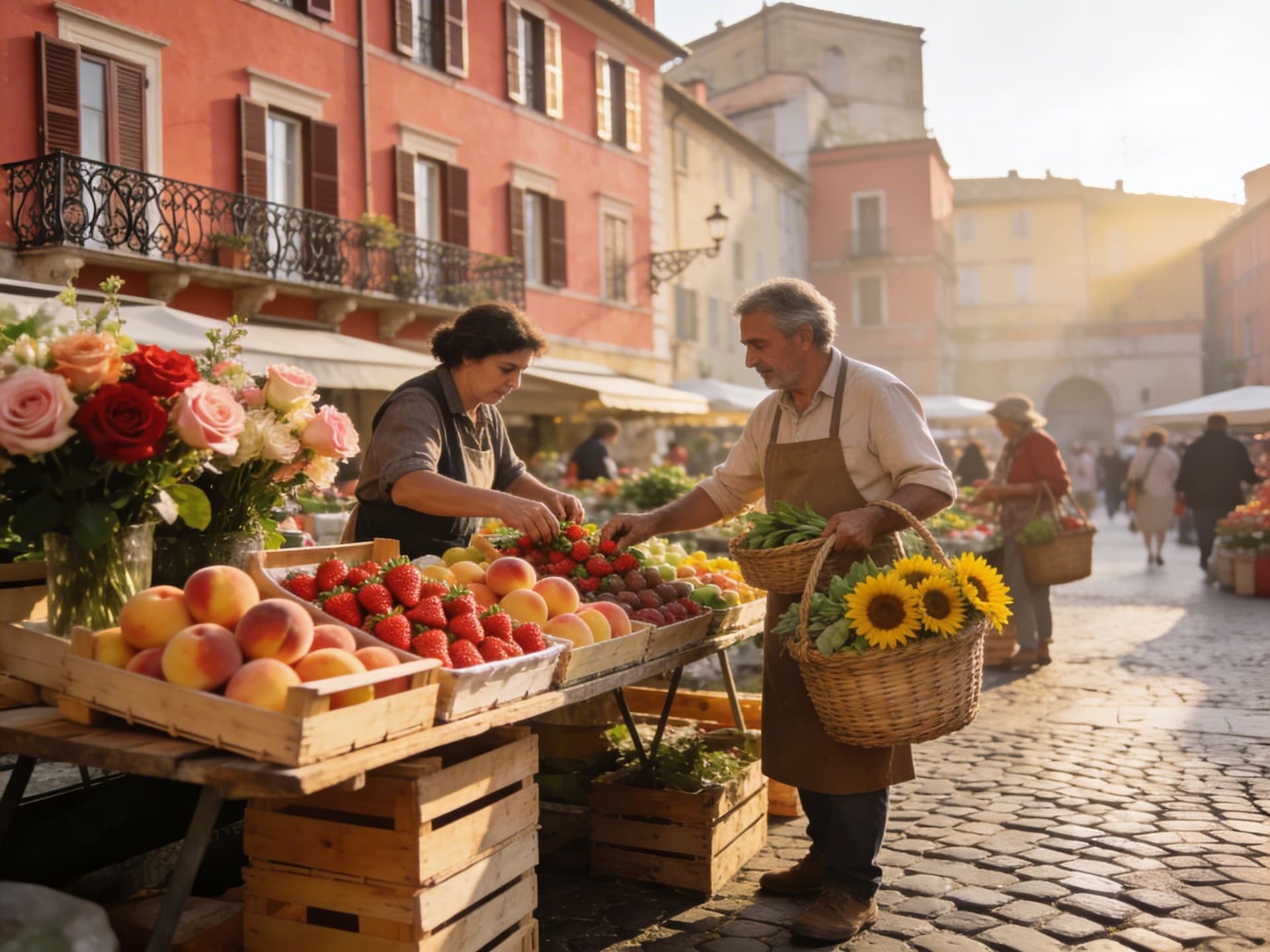
To feel Italy is to rearrange priorities: morning market baskets over manicured gyms, communal piazzas over private terraces, seasons rather than an annual calendar of consumption. The sense of place varies sharply from the port-side terraces of Genoa to the Roman cortili and the slow, orchard-strewn lanes of Puglia. Those differences mean that two buyers with identical budgets may buy radically different lifestyles; the trick is matching the life you want to the quarter that sustains it. Practical choices—proximity to daily markets, energy efficiency of an old palazzo, and commute times—translate directly into monthly living costs and long term stewardship obligations.
Neighborhoods that feel like home
In Milan the Brera ateliers and narrow streets near Porta Romana offer immediate access to cafes and cultural life but at a premium; in Florence the Oltrarno still shelters artisans and quieter residential courtyards; in Naples the Vomero offers terraces and views with more approachable square metre prices than central historic cores. Coastal Liguria and parts of Tuscany present different tradeoffs: proximity to sea and charming village life, balanced by higher maintenance costs and seasonal tourism demands. Each quarter carries a signature daily rhythm that affects grocery bills, utility use, and local service costs—factors that compound over years and deserve as much attention as purchase price.
Food, markets and the shape of daily spending
Eating like a local reduces living costs and enriches the day: weekly markets and small grocers often supply seasonal produce at lower cost than supermarkets and invite social connection. Yet recent consumer price trends show food and services have been contributors to inflation, making market habits more than a romantic detail—they are financial strategies. Choosing a neighbourhood with regular markets, reputable fishmongers or a trusted macelleria can lower monthly food spending while delivering the cultural life many buyers prize. For buyers who cook daily, a property with practical kitchen proportions and good storage often saves more than a lower purchase price in a less convenient location.
Making the move: practical considerations that preserve the lifestyle
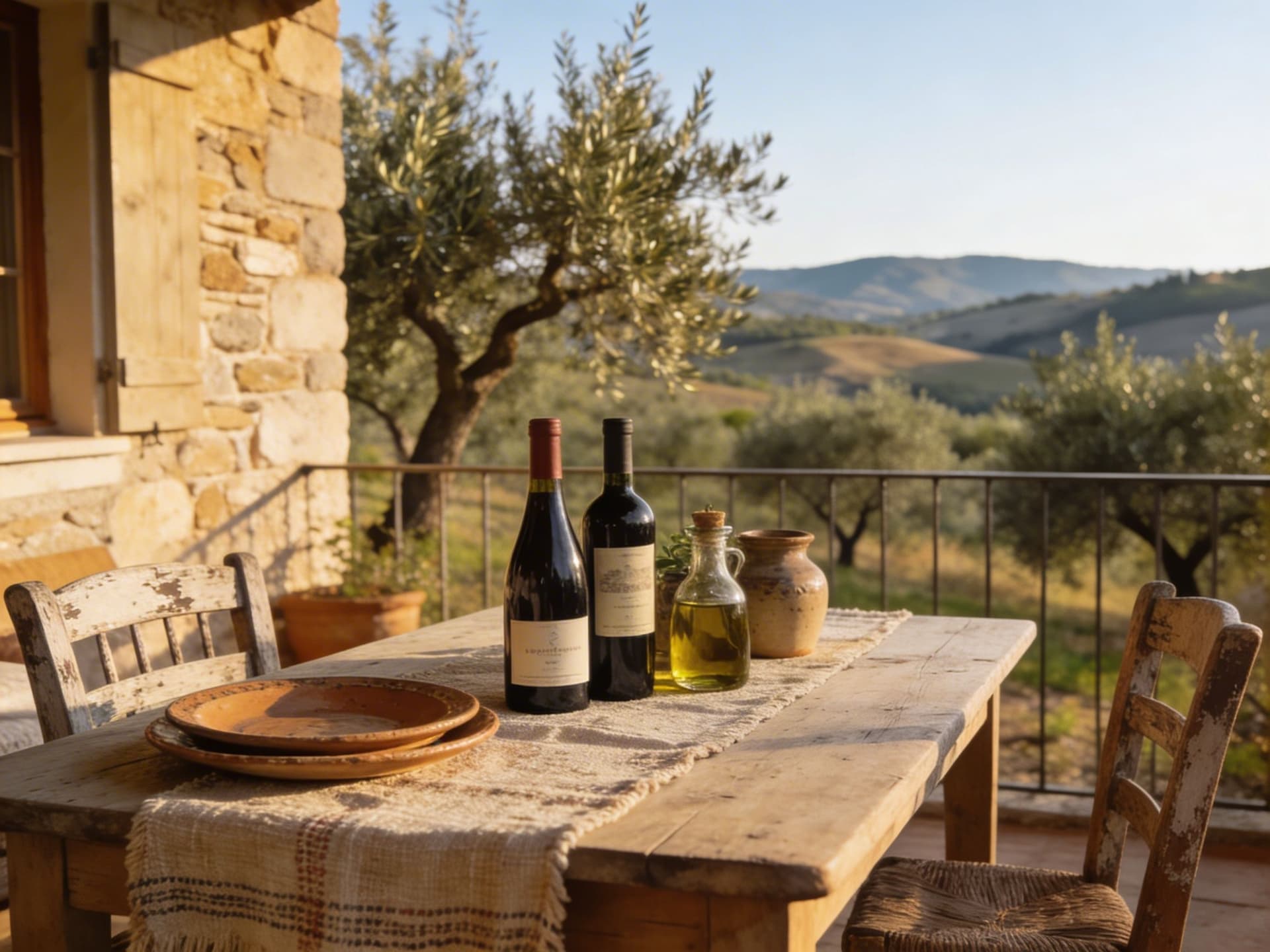
Bringing an Italian life within reach is less about beating headline prices and more about assembling the right local knowledge. Think of property search as a composition: neighbourhood rhythm, building fabric, service costs and projected market direction. National averages mask extremes—Idealista and market surveys show Italy’s per‑square‑metre figures vary from under €1,000 in many southern towns to well over €4,000 in elite city quarters—so a focused, hyperlocal brief is essential. A local agent who understands municipal quirks, seasonal tourist cycles and restoration realities will save both time and unforeseen expense.
Property types and the life they enable
A compact historic apartment in a cortile provides immediate access to city rituals but often requires higher maintenance for shutters, heating and damp control. A stone farmhouse in Tuscany or Puglia grants privacy and outdoor living but increases transport and utility costs, particularly off-grid waste and heating. New build apartments deliver predictable energy efficiency yet sometimes lack the social embeddedness buyers seek. Choosing a property is therefore an exercise in anticipated daily life: how you lunch, where children will play, whether you want neighbours who know your name, and how much time you can devote to maintenance.
Working with local experts who preserve lifestyle
Trustworthy local agents act as cultural translators, recommending streets where neighborhood life aligns with your habits, and introducing craftsmen who understand traditional lime plaster or terrazzo restoration. They also anticipate costs that often surprise foreign buyers—seasonal property management, historic‑building consents and the variable cost of utilities in rural areas. Seek advisors who combine heritage sensibility with a clear account of recurring expenses; their fees are often small compared with the months saved and mistakes avoided. An informed agent will show you both the morning market and the bill for district heating so you can see the lifestyle and its cost together.
- Match lifestyle to practical factors
- Buy where daily rituals happen: local markets, reliable cafes, and easy grocery runs cut living costs and enrich life.
- Prioritise building fabric over superficial finishes: sound roofing, insulation and well‑sized kitchens reduce long‑term outgoings.
- Consider seasonal impact: coastal homes may command higher summer rent but require management and insurance for storm seasons.
- Factor in mobility costs: towns with good rail links to regional centres lower car dependency and associated costs.
Insider knowledge: what expats wish they'd known
Expats often speak first of the small surprises: a boiler that requires monthly attention, a neighbourhood where the baker closes on Wednesdays, or the seasonal influx of second‑home owners that changes every July. These details shape monthly budgets and the lived experience; they are not incidental. Local advice repeatedly highlights one theme: align expectations with the rhythm of the place rather than national price narratives. Knowing which costs are one‑off (restoration, notary fees) and which are recurring (condominium charges, waste disposal) changes negotiation strategy and stewardship plans.
Cultural integration and community
Learning a few local phrases and frequenting the same bar can materially lower living friction and service costs, because trusted relationships secure better tradespeople and more flexible service. Cities like Milan also offer specific tax regimes and incentives that have reshaped buyer profiles, drawing wealthy new residents and altering demand in select neighbourhoods. Yet this concentration can push service prices up locally even as national averages remain stable, so cultural integration is both an aesthetic and economic advantage. For buyers intending long stays, investing in language and local networks pays both social and financial dividends.
Long‑term lifestyle sustainability
Think beyond purchase: how will this home age with you, and how will the neighbourhood evolve? Municipal planning, demographic trends and tourism flows inform the sustainability of any lifestyle you buy into. Some buyers trade immediate savings for areas showing demographic renewal and infrastructure investment; others prefer stable, proven quarters close to schools and healthcare. A modest premium for sturdier construction or proximity to transport can preserve both daily life and resale value over decades.
- Steps to align lifestyle and cost
- Visit the neighbourhood at different seasons to feel market rhythms, noise and service availability before making an offer.
- Request itemised recurring costs (condominio, heating, waste removal) and compare them to lifestyle needs rather than assume averages.
- Engage a local architect or restorer for a condition survey when buying historic fabric; their report often alters negotiation materially.
- Secure a bilingual notary or legal adviser early to clarify taxation and residency implications unique to your situation.
Conclusion: buy the life, not the price. When you prioritise where you will walk, whom you will meet and how you will spend the day, the numbers follow a coherent plan. Italy’s famous price dispersion is an opportunity: with disciplined local research, a modest budget can secure an exceptional daily life in many regions. Work with agents who appreciate architecture, community and long‑term stewardship; they translate a romantic idea into a sustainable home. When practical rigor meets a sense of place, your investment becomes both a home and a heritage.
Having moved from Stockholm to Marbella in 2018, I help Scandinavian buyers navigate Spanish property law, restoration quality, and value through authentic provenance.