When Cyprus’s Tax Perks Shape Where You Buy
How Cyprus’s tax perks—non‑dom rules, VAT vs transfer‑fee tradeoffs—reshape where and how to buy; lifestyle choices should drive structure, not headlines.

Imagine a Monday morning in Limassol: espresso at To Kafe tis Chrysanthi’s shaded terrace, the sea a cool horizon, and a neighbour — an architect who chose Cyprus for climate and tax clarity — discussing vineyard weekends in Paphos. That ease of life is why many of us look to Cyprus, but the tax headlines that draw buyers also reshape where and how to buy.
Living Cyprus: sunlit rituals and neighbourhood characters
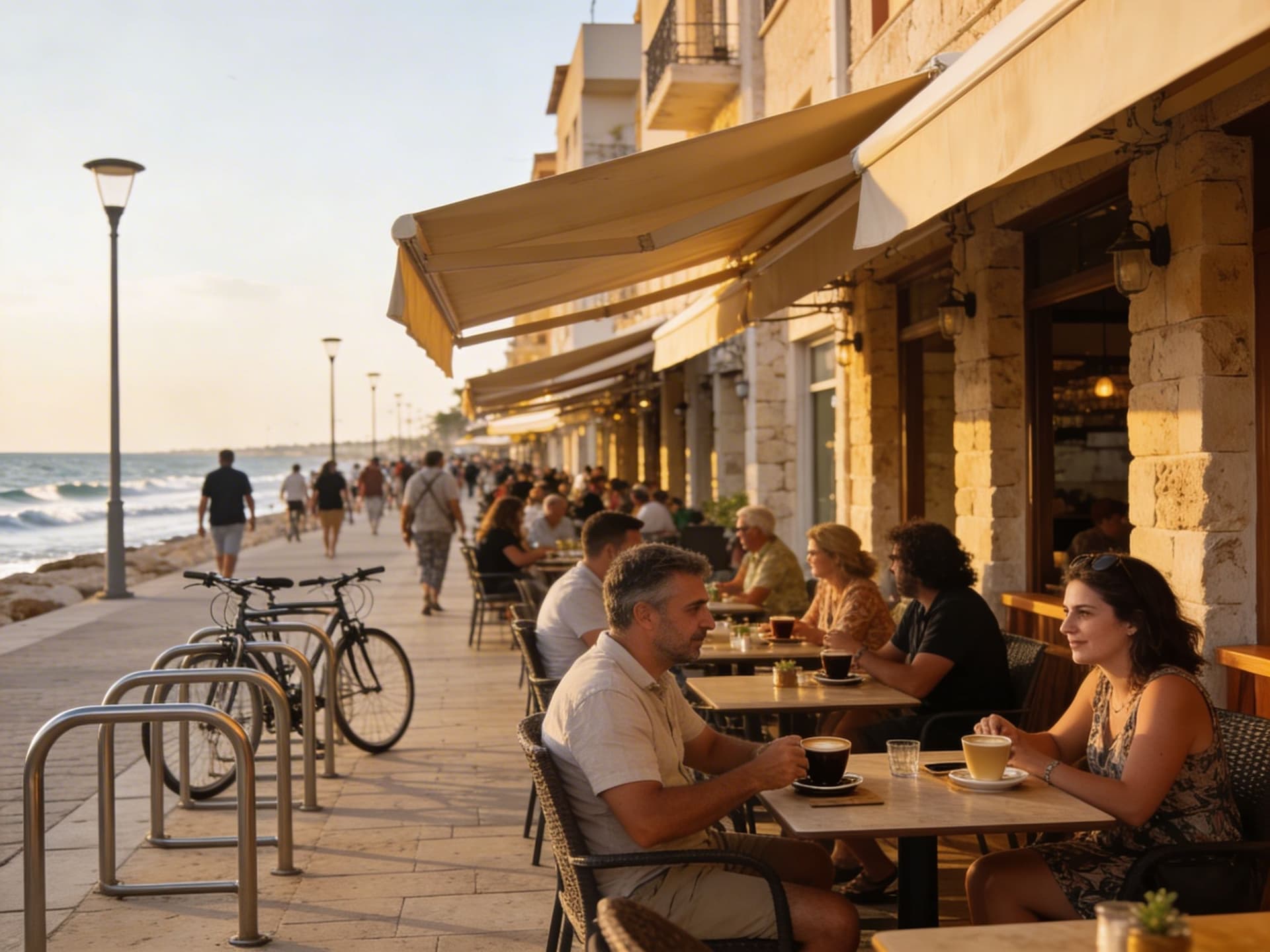
Cyprus is not a single life‑style but a series of neighbourhood rhythms: the promenades of Limassol, the baroque streets of Nicosia’s old town, the olive terraces above Polis. These rhythms influence tax choices — whether you buy a coastal apartment with short‑let appeal or a stone manor in the Troodos where long‑term residency and different tax treatments matter. Understanding both the lived experience and the fiscal framework is essential.
Limassol & Agios Tychon: conviviality and connectivity
Mornings here begin with bakeries on Amathountos Avenue and afternoons end with walks along the marina. For buyers who prize social life and rental demand, Limassol’s convenience can justify higher purchase prices — yet higher turnover and short‑let income interact with residency tests and local taxes, affecting whether non‑dom status is the strategic advantage it first appears to be.
Paphos hinterland: quiet provenance and stewardship
In villages like Kathikas and Lemona, stone cottages and terraced vineyards reward a slower pace. Properties here often attract buyers focused on heritage and long‑term stewardship rather than short‑term yield. That choice alters the tax picture — rental classifications, income declaration, and whether to rely on non‑dom exemptions become practical rather than theoretical concerns.
From romance to reality: how taxes quietly steer where you look

The appealing headlines — no inheritance tax, attractive non‑dom relief on dividends and interest — are accurate, but their practical effect depends on how you use a property. Transfer fees, VAT on new builds, and the evolving non‑dom rules shape both purchase cost and long‑term cash flow. Read the fine print before letting a tax perk determine your neighbourhood choice.
Property types and the tax levers they pull
New developments often carry VAT (typically applied to the developer), which can exempt the buyer from transfer fees on that portion, while resale homes avoid VAT but attract transfer fees calculated on the Land Registry value. The consequence is counter‑intuitive: a slightly higher price on a new build can translate to lower closing costs, and on resale buy‑splitting (joint names) can materially reduce progressive transfer charges.
Working with experts who understand both life and ledgers
A local lawyer and a tax adviser who spend time in the same cafés as you will offer more than compliance; they will help align purchase structure with lifestyle aims. For example, non‑dom status offers SDC exemptions that make dividend‑rich portfolios simpler to hold from Cyprus, but relying on that benefit without considering residency‑days, domestic ties, and rental strategies is risky.
Insider knowledge: habits, hazards and the choices expats regret
Expats often tell the same story: they fell in love with a street (Lampousa in Larnaca or the lanes of Nicosia’s Neapolis), then discovered tax and administrative realities that made stewardship harder than expected. Common regrets are avoidable — they stem from treating tax perks as justification for a rushed purchase rather than a reason to plan the purchase structure and residency rhythm.
Cultural and everyday considerations that affect tax outcomes
Language and community participation matter. Registering with local services, enrolling children in schools, and the choice to rent vs. owner‑occupier influence both day counts for residency and the perceived ‘centre of vital interests’ that tax authorities may examine. Integrate deliberately — not only for life quality but to make tax positions defensible if challenged.
Long‑term life: succession, stewardship and the silent taxes
Cyprus’s lack of inheritance tax is often cited — a genuine planning advantage — yet succession requires clear title, estate documentation, and local counsel. For homes with historical or agricultural character, maintenance obligations and local rates can erode net returns if overlooked. Think generationally: the right purchase today should ease transfer for the next steward.
Priorities to balance lifestyle and tax efficiency:
Choose between new build (VAT but possible transfer‑fee exemption) and resale (no VAT but transfer fees).
Consider joint ownership to reduce progressive transfer fee bands when appropriate.
Design residency plans to support non‑dom eligibility only after assessing actual life patterns and family ties.
Weigh short‑let ambitions against rental income reporting and local rules that affect SDC and income classifications.
A simple stepwise checklist before making an offer:
1. Visit neighbourhoods in different seasons to feel daily rhythms and rental demand.
2. Obtain a local market valuation and compare to Land Registry value to estimate transfer fees.
3. Confirm VAT status with the developer or vendor; ask whether the price includes VAT and how that affects transfer fees.
4. Engage a Cyprus lawyer and tax adviser to model scenarios for residency, non‑dom claims, and rental strategies.
5. Structure ownership (individual, joint, corporate) with an eye to estate planning and succession.
A final note on taste and prudence
Choosing a home in Cyprus should begin with the life you imagine: lane‑side breakfasts, Sunday markets, afternoons in olive groves. Let tax advantages inform the structure and timing, not replace careful place selection. With the right advisers — those who appreciate both craft and clause — you can buy in a way that preserves the life and legacy you seek.
Dutch former researcher who moved to Lisbon, specialising in investment strategy, heritage preservation, and cross-border portfolio stewardship.