Greece: Costs, Seasonality and Where Value Hides
Greece’s cost story is varied: city conveniences and Riviera premiums contrast with island seasonality and regional savings; plan budgets by neighbourhood and season.
Imagine morning light on a narrow Athenian lane: a baker sliding phyllo from a tray, a café pouring espresso, a neighbour pausing to exchange news. That same light finds the stone steps of Chania’s old town and the vine-covered terraces of Kefalonia—each place a different promise of daily life. For international buyers, those promises come with a cost profile that is rarely uniform; the real question is less 'How expensive is Greece?' and more 'Which Greece are you buying into?'
Living the Greece lifestyle
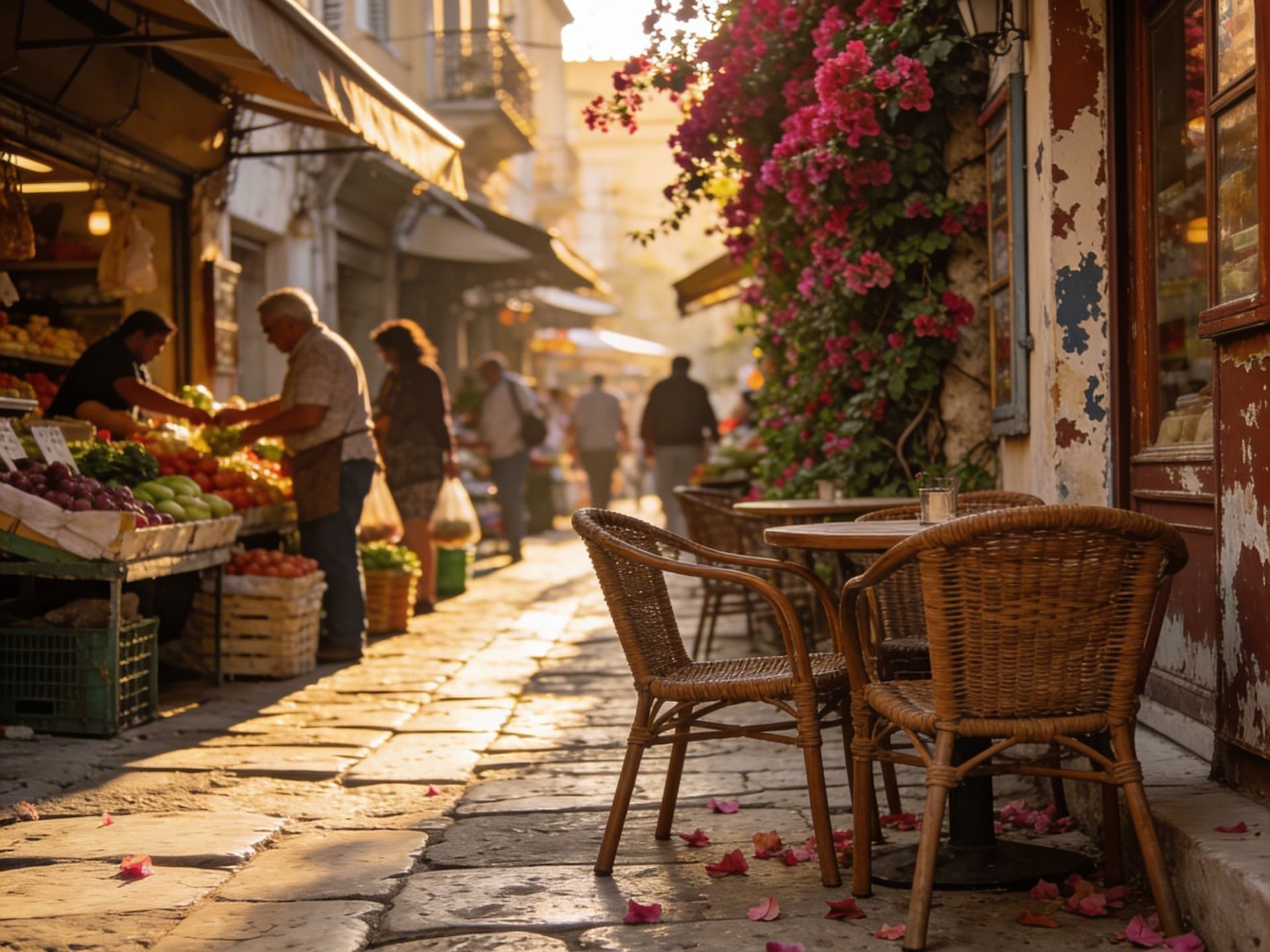
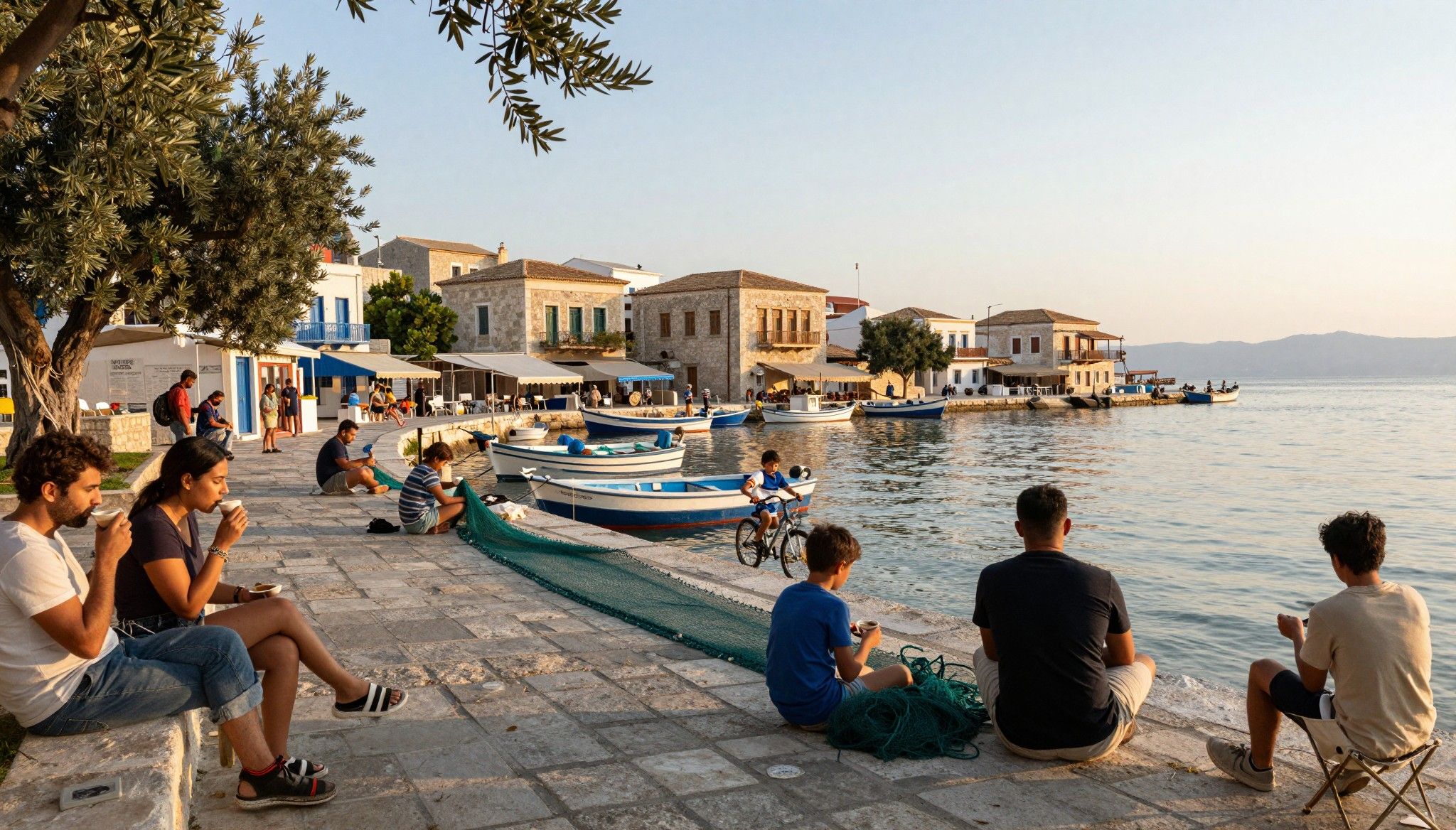
Greece is a palette of rhythms: urban mornings in Athens, slow coastal afternoons on the Ionian, and island summers centred on outdoor life. Streets in Plaka and neighbourhood cafés in Koukaki hum with conversation; fishermen’s markets on Syros open at dawn while olive groves around Nafplio scent the air in autumn. These rhythms directly shape household budgets—transport in Athens and heating on the mainland in winter matter differently than ferry costs and summer utilities on the islands.
Athens & the Riviera: cosmopolitan cost with coastal access
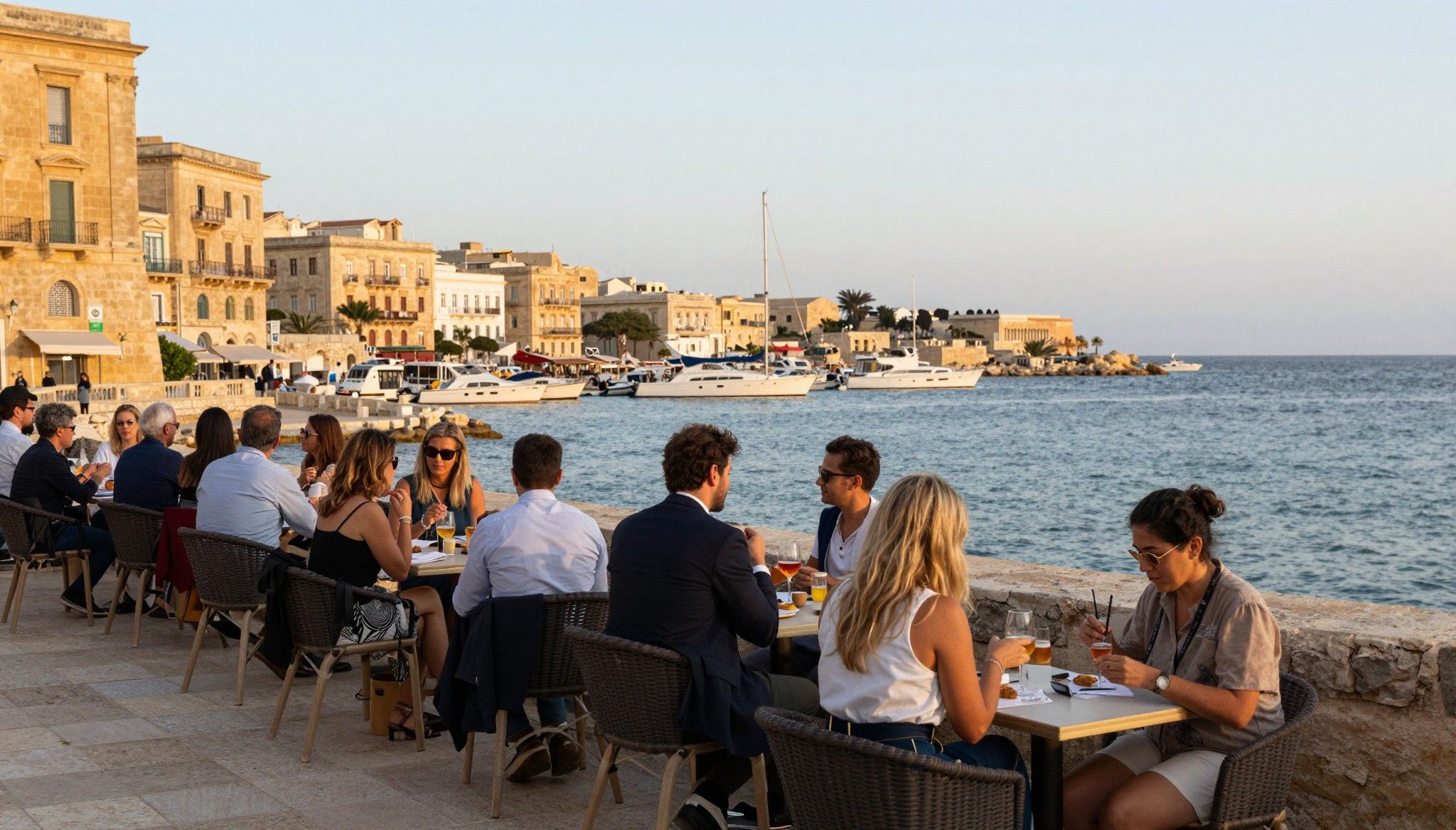
A central apartment in Kolonaki or Koukaki places you near museums, fine dining and discreet services; it also carries higher purchase prices and service charges than many provincial towns. The Athens Riviera—Glyfada to Vouliagmeni—now blends long promenades, private marinas and development projects such as Ellinikon, which have pushed local values upward. Expect convenience costs: private schooling options, concierge services and reliable private healthcare are accessible but add to recurring household expenditure.
Islands and regional towns: seasonal swings and everyday savings
On islands such as Naxos, Paros or Kefalonia, cost volatility is the defining feature: prices ease outside the tourist season and certain services become intermittent. Local markets and seasonal produce keep grocery bills comparatively low for residents, but imported goods, higher transport costs and peak-season utilities produce spikes. In smaller towns—Ioannina, Kalamata, Chania—monthly living costs often fall well below Athens while offering the same sense of community and access to regional hospitals and schools.
- Lifestyle highlights to weigh when choosing where to live
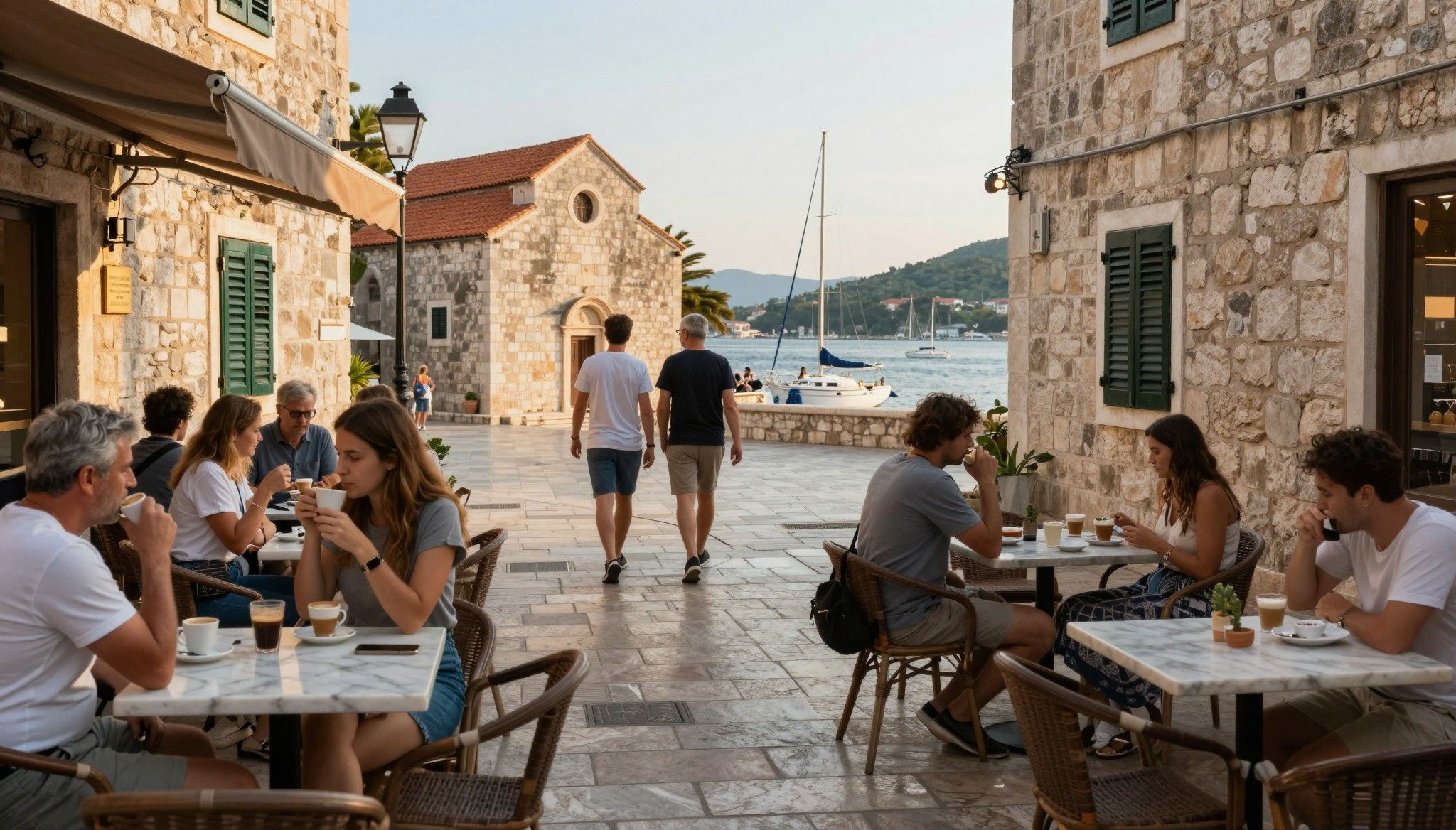
- Morning espresso ritual: Koukaki cafés, Plaka bakeries, central market runs in Varvakios.
- Outdoor life: coastal promenades on the Athens Riviera, hiking in Zagori, island beaches at dusk.
- Seasonal market savings: olive oil and produce purchases in autumn harvest regions around Nafplio and Crete.
Making the move: practical considerations
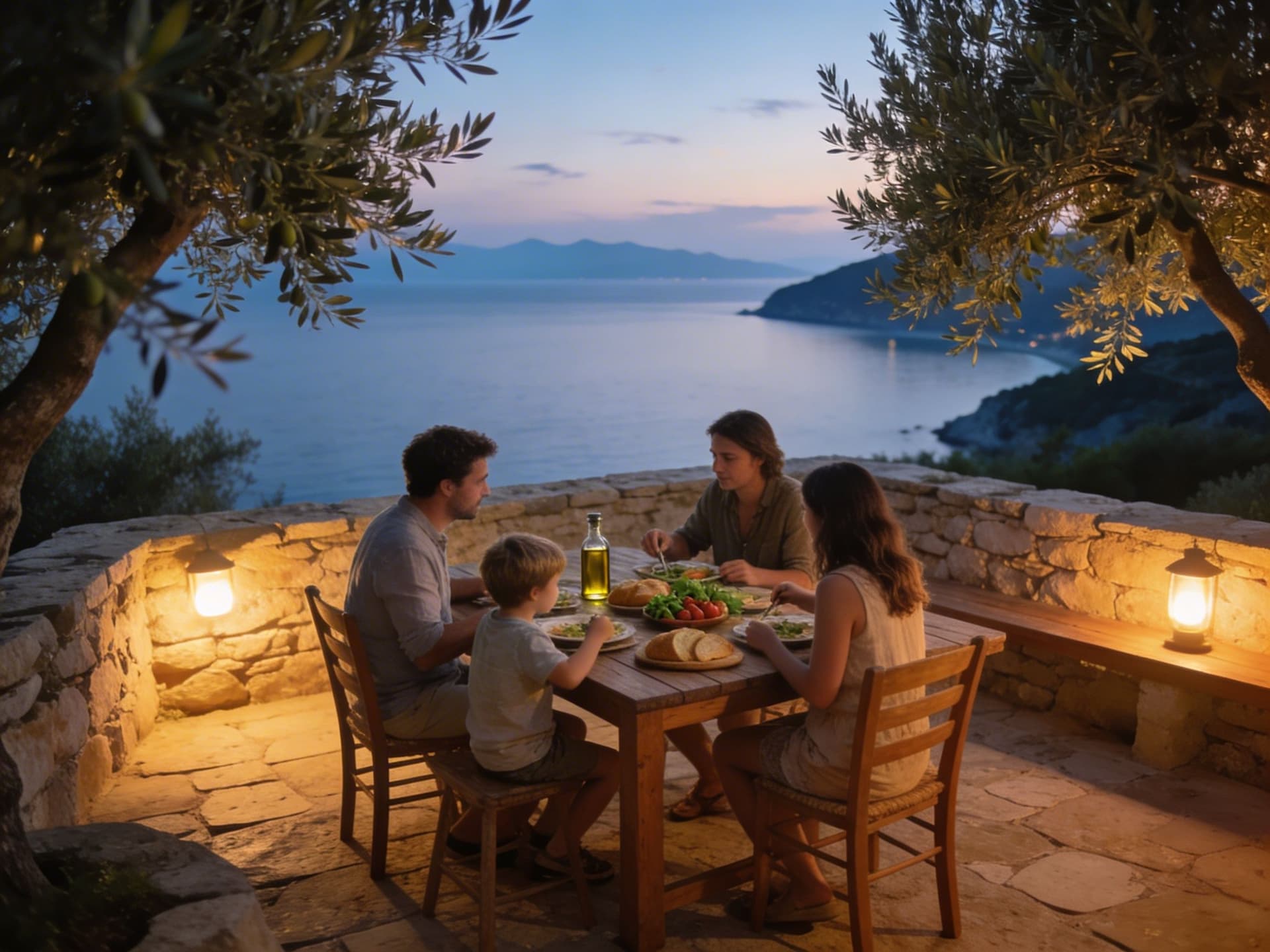
Lifestyle is the reason you come; practicalities determine whether that life is sustainable. Recent inflation and housing data show modest consumer-price pressures alongside robust property-price growth in many urban and tourist areas. Understanding where recurring costs fall—utilities, local taxes, service charges and seasonal transport—lets you design a household budget that matches the life you want rather than the brochure image.
Property types and what they mean for running costs
A restored neoclassical home carries character—high ceilings, stone or marble floors—but often higher heating bills and the need for sympathetic maintenance. New builds on the Rivieras usually offer insulation and central heating systems that lower energy consumption but come with higher purchase prices. Villas with private water supplies or septic systems reduce municipal costs in the short term but introduce maintenance and testing obligations over time.
How local experts help reconcile lifestyle and costs
- Work with a local agency that understands seasonal cost patterns, knows which neighbourhoods have stable service provision year-round, and can estimate realistic operational costs. They should advise on actual utility bills by property, local municipal levies, and likely maintenance for the next ten years. Ask for anonymised running-cost histories for similar homes rather than hypothetical estimates. Factor in short‑term rental rules if you plan to let seasonally; recent regulatory moves have tightened short‑let registration and standards in central Athens. Finally, confirm broadband speeds and mobile coverage in your chosen village or island—remote life needs reliable connectivity.
Insider knowledge: what expats wish they'd known
Buyers often underestimate two things: seasonality’s effect on living costs and the true extent of local service networks. Expat communities cluster where reliable healthcare, international schools and gourmet provisioning exist; those conveniences come at a premium but also conserve time and reduce friction. Long-term residents budget differently—buying seasonal produce in bulk, preferring local shops to supermarkets and timing renovations for off‑peak months when tradespeople are available and rates are lower.
Cultural integration and everyday savings
Learning a few Greek phrases will open markets and favour better prices; cultivating relationships with a local baker, greengrocer and neighbour turns routine purchases into predictable costs. Joining a local association or volunteering at a community fiesta unlocks invitations to private markets and harvest sales where prices are markedly lower. These social investments repay themselves in both lower monthly spending and a deeper sense of belonging.
Long-term practicalities every buyer should plan for
- 1. Reserve 10–15% of purchase price for immediate restoration and compliance work; older properties often need wiring, insulation or seismic reinforcement. 2. Model three seasonal budgets (peak, shoulder, off‑season) to capture utility and service swings. 3. Confirm short‑let regulation in your municipality before assuming rental income; rules changed in recent years to curb unregistered listings. 4. Seek a local notary and a bilingual lawyer to ensure accurate translation of covenants, easements and service-charge arrangements.
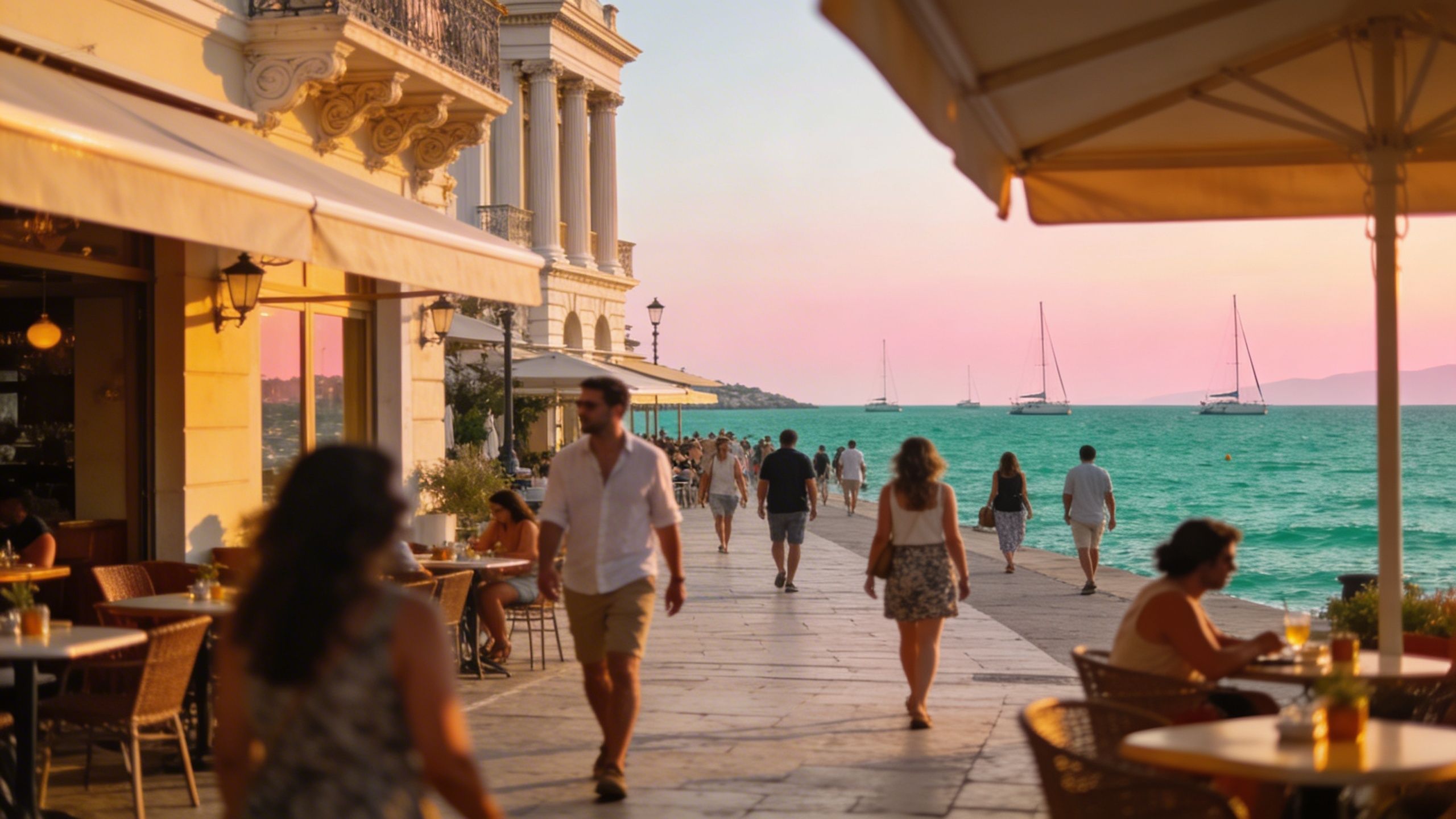
When the daily scene is as persuasive as a Greek waterfront, it can be easy to overlook administrative texture: municipal charges, seasonal ferry timetables, and whether your preferred doctor takes private patients. In practice, good decisions balance sensory affinity with verifiable numbers. Use official sources for inflation and property‑price trends, ask agencies for empirical running-cost data, and visit in multiple seasons before committing.
Greece rewards patience. The house that fits your life is often one with material history—a patinated door, hand-laid tile, an olive tree with a story. If you begin with daily life—where you want to drink your morning coffee, which market you will cross on Sundays, how often you’ll host—then metrics follow naturally: neighbourhood affordability, maintenance expectations and long‑term value. Local agencies exist to conserve that life and to translate it into realistic budgets and stewardship plans.
Next steps: spend a week living in the neighbourhoods that call to you, request anonymised utility and service-charge histories from your chosen agency, and commission a survey with an engineer familiar with seismic retrofitting. With those three actions you move from romantic certainty to practical confidence, preserving the life you fell in love with while meeting the costs it requires.
Norwegian with years in Florence guiding clients across borders. I bridge Oslo and Tuscany, focusing on legal navigation, cultural context, and enduring craftsmanship.