Live Where Life Happens: Cyprus Streets and Law
Live where life happens: match neighbourhood rhythms in Cyprus to legal choices—VAT, transfer fees and title checks—to protect both lifestyle and investment.

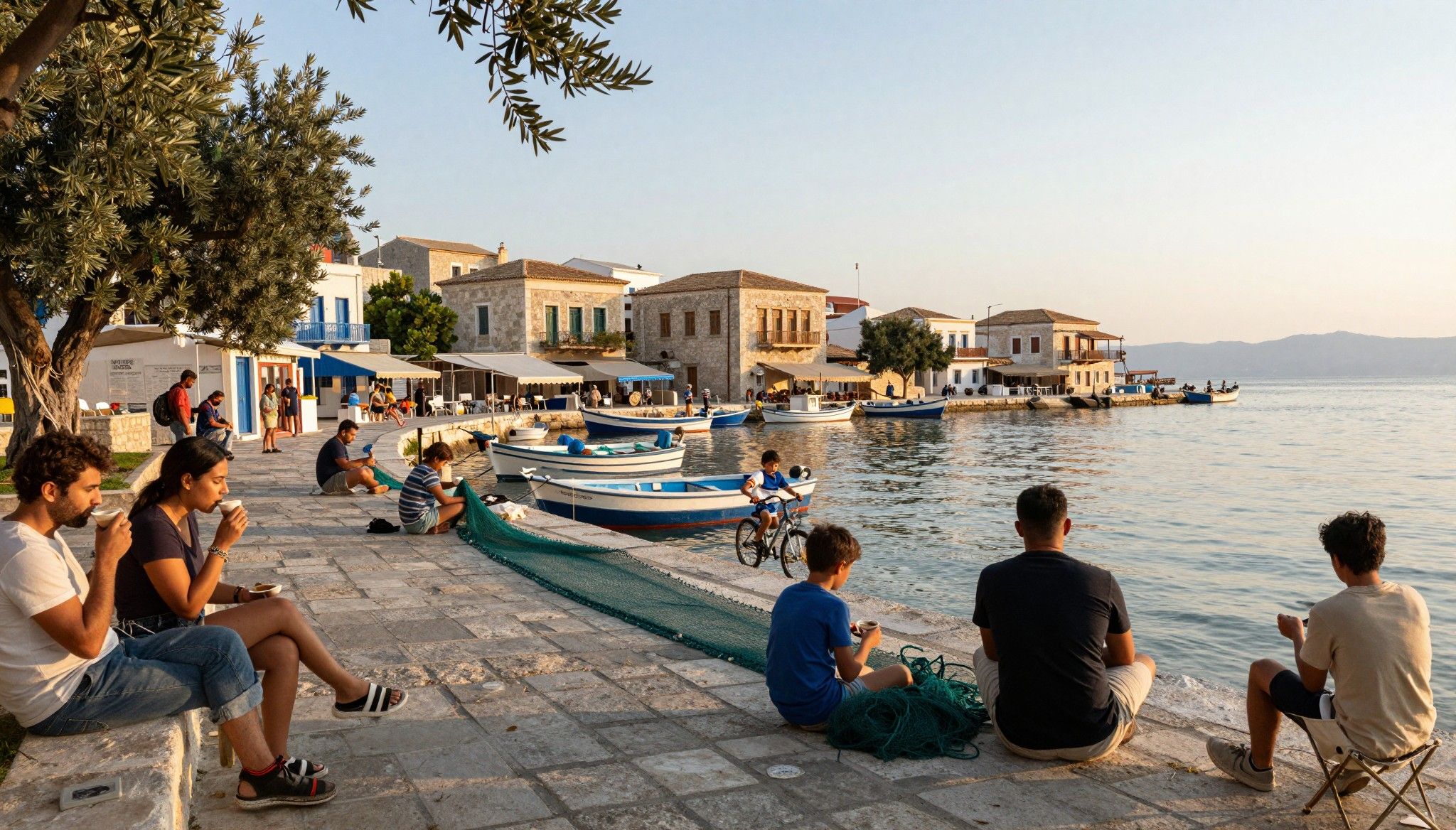
Imagine stepping out for espresso on a narrow lane in Paphos Old Town, the scent of baking sesame and sea salt in the air, then wandering five minutes to a limestone courtyard where neighbours debate the day’s catch. That pace — civic, convivial and sunlit — is what many buy into when they look at Cyprus. Yet the legal scaffolding beneath that life matters: small procedural choices (how you register title, whether VAT applies) change not only cost but what you can actually do with the house you love.
Living the Cyprus life: streets, seasons and rhythm
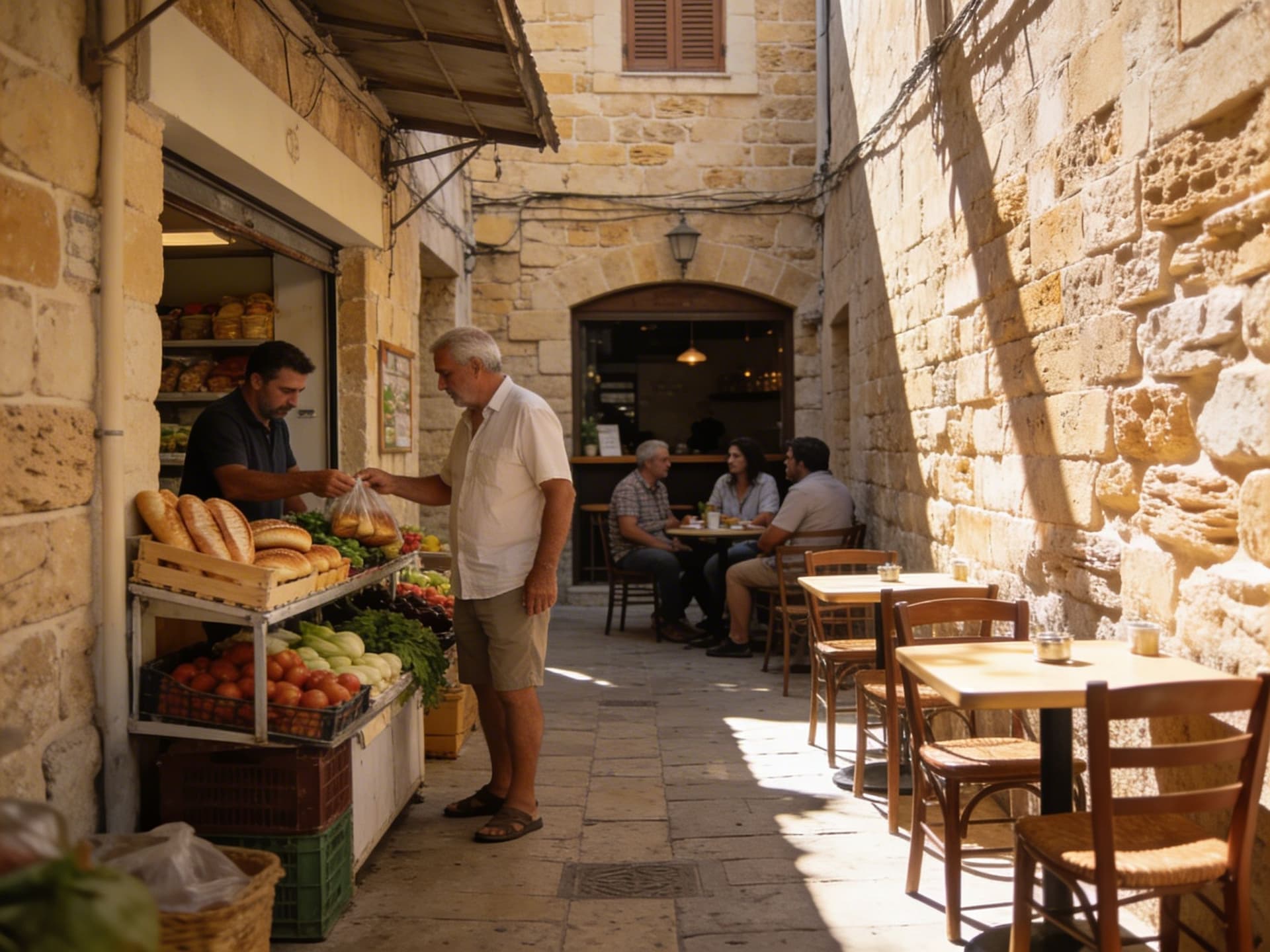
Cyprus is a study in contrasts: intimate stone villages in the Troodos foothills, low whitewashed terraces along the Akamas, and the ordered promenades of Limassol and Nicosia. Days follow a slow thermal logic — morning markets, siesta-adjacent afternoons, and evenings that spill into tavernas with plates of halloumi and parsley. For an international buyer the question is seldom ‘Can I buy?’ and more often ‘Where does the life I want actually happen?’
Paphos lanes and coastal understatement
Paphos rewards slow appreciation: shuttered façades, Byzantine mosaics and pocket cafés that seed neighbourhood life. Properties here range from small restored townhouses on Nikou Nikolaou to low-rise developments by the harbour. Many buyers choose Paphos for its intimacy — if your ideal life is walkable mornings, a fishmonger you know by name, and an afternoon beach, the legal and practical trade-offs tend to favour smaller, well-documented titles and attention to coastal planning restrictions.
Limassol’s polished coast and weekend theatre
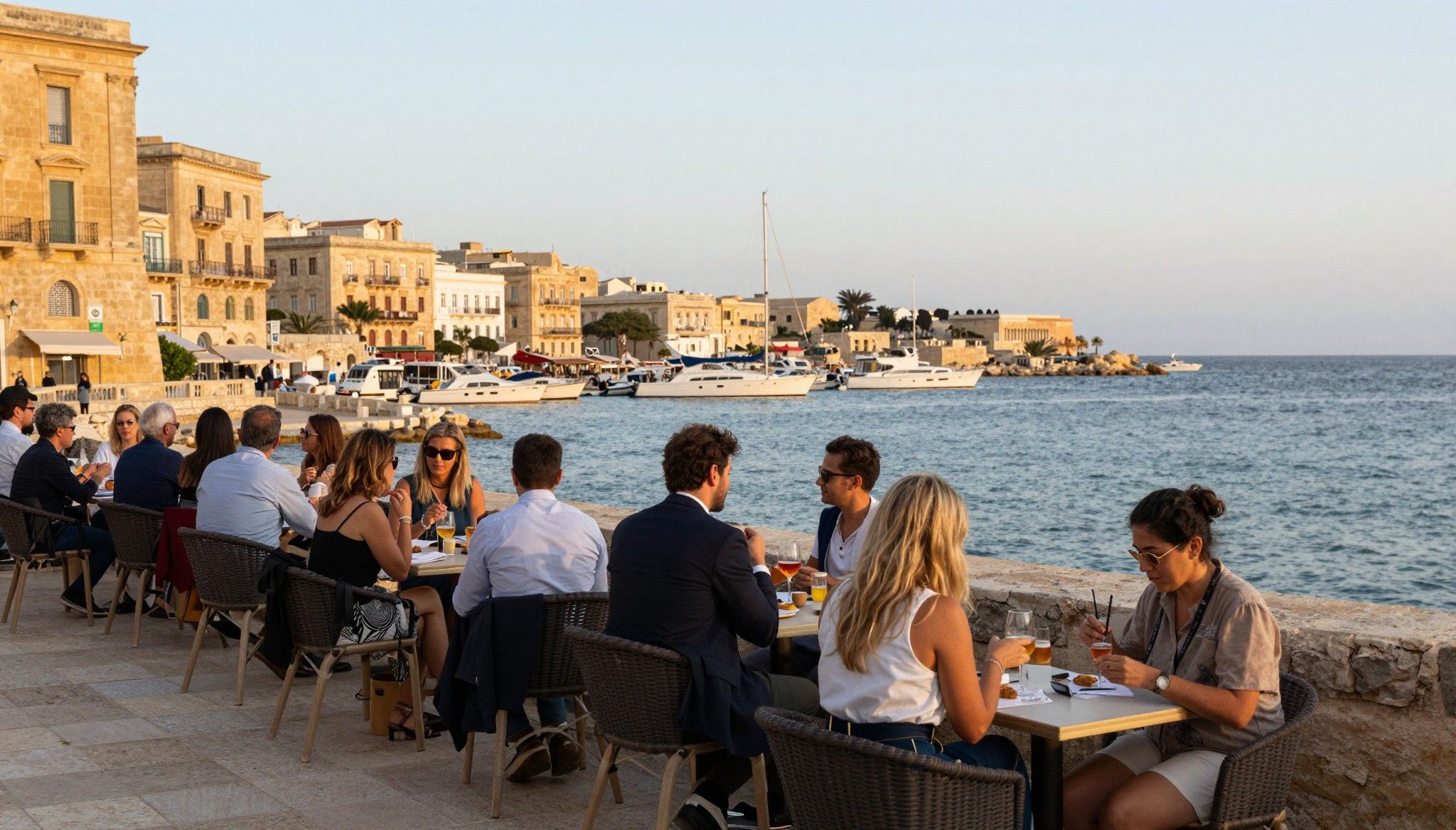
Limassol answers a different desire: cosmopolitan cafés on Germasogeia’s high street, riverside promenades and an international school scene that hums on Saturdays. Here buyers often prioritise modern apartments with concierge services and developer warranties. That preference steers you toward VAT‑registered transactions and the protections of new‑build contracts — a practical legal choice that aligns directly with the lifestyle you expect.
- Lifestyle highlights: local places, real-life choices
- Morning espresso at Kafenio in Paphos Old Town — walkable life that rewards clear, ancient title deeds.
- Sunday market in Larnaca — village rhythm with practical need for residency, tax and utilities clarity.
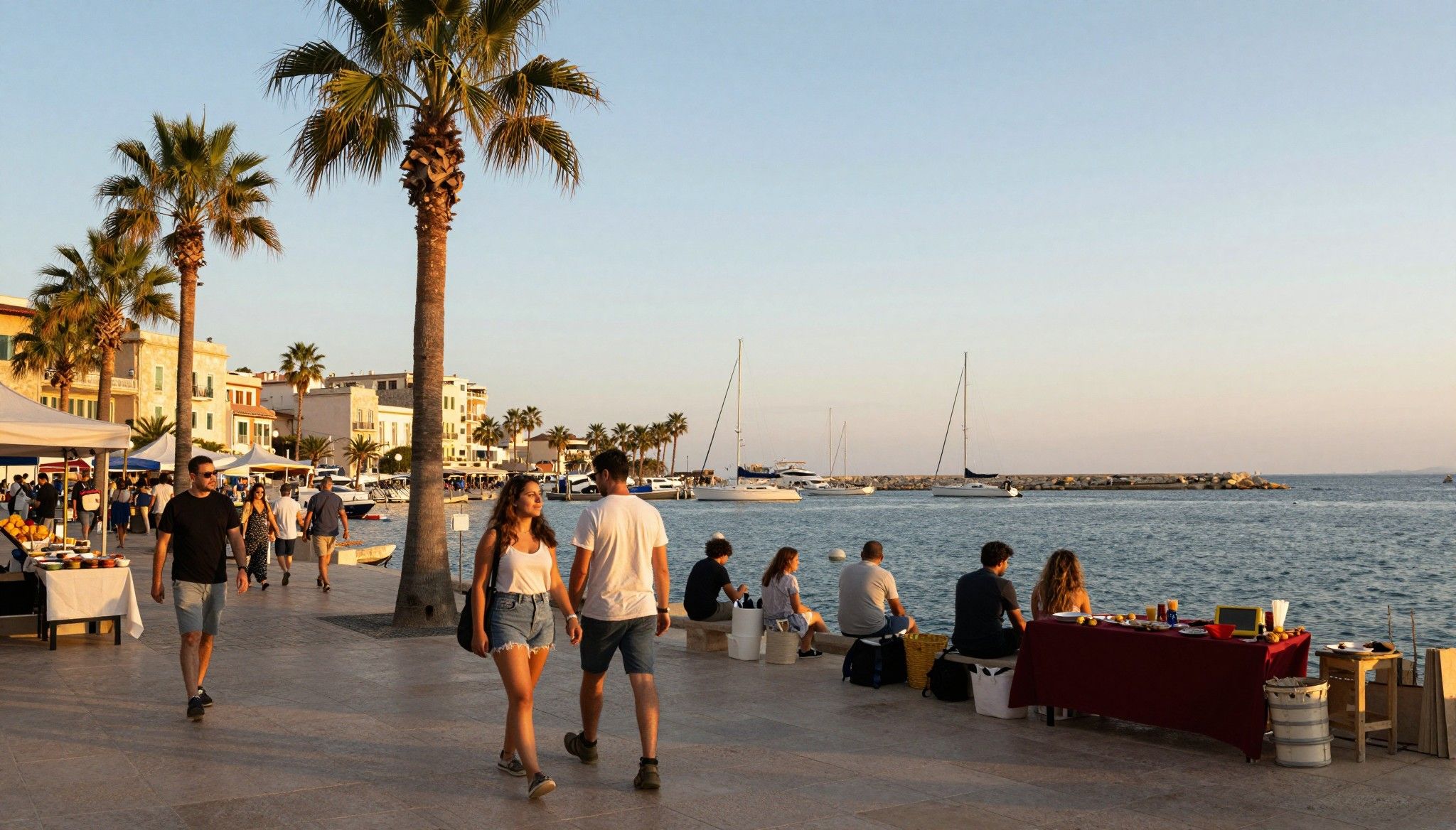
- Germasogeia promenade in Limassol — modern life that often pairs with VAT-paid new builds and developer warranties.
Making the move: practical steps that protect the life you want

The law may look bureaucratic, but its contours determine how you can use a property. For non‑EU nationals there are area and size limits and a formal permit process; EU citizens enjoy greater freedom. Begin with the big ticket: whether you buy a new build (often VAT‑charged) or a resale (usually transfer fees), because that choice affects both cost and future flexibility. The Ministry of Interior and District Administration set out the permit requirements that still underpin most third‑country acquisitions.
Property types and what they mean for living here
New builds often come with a developer’s warranty and VAT (commonly 19%, with reduced rates for limited primary‑residence bands). Resales avoid VAT but attract transfer fees and require careful title searches to confirm mortgages, easements and planning history. Architecturally, choose the fabric that supports your life — a courtyard townhouse for daily pedestrian life, or a modern seafront apartment for seasonal hosting — and then match that to the legal vehicle that secures it.
Working with local experts who protect daily life
A discreet, experienced lawyer is indispensable: they confirm title, advise on whether VAT or transfer fees apply, and ensure any Councils’ permits match your renovation plans. Local agents steeped in neighbourhood life — those who know that the best café is on Anexartisias Street, or which lane floods in a storm — save you months of regret. Insist on a written checklist tying lifestyle goals (walkability, hosting capacity, school access) to concrete legal checks.
- Practical steps that marry life with law
- Commission a title search and local planning check — don’t imagine a charming façade guarantees clear title.
- Decide new build versus resale early; calculate whether VAT (new) or transfer fees (resale) better preserve your budget and lifestyle plans.
- If you are a non‑EU national, submit Form COMM 145 through the district office and budget 2–12 weeks for routine clearance — longer if paperwork or exceptional permissions are required.
Insider knowledge: what expats wish they’d known
Expats often recount two surprises: how informal some markets can feel, and how that informality can obscure legal risk. Recent reporting highlights that transfers sometimes proceed without prior acquisition permits, creating gaps between possession and clean title. Practically this means you should not conflate a cheerful handover with a legally unencumbered property; measured diligence is the only reliable counterweight.
Language, integration and daily practice
English is widely spoken in urban centres and among professionals, but local transactions — planning for an extension, talking to a building contractor — benefit from someone who knows both language and local practice. Neighbourhood rituals, from coffee to municipal timetables, will shape where you find community. Engage early with a local agent who knows the rhythm of the street you covet.
Long term stewardship and inheritance realities
Think generationally. Cypriot succession laws and the presence of joint title or company ownership can alter how a property passes to heirs or is used as a family hub. If your intent is long stewardship — passing a house to children, maintaining a family holiday base — structure the purchase so that the title and tax posture support that plan rather than complicate it.
- Red flags and subtle issues to watch for
- Incomplete title chains or unregistered partitions — often evident in older village houses.
- Unclear VAT status on developer contracts — this changes whether transfer fees apply.
- Planning restrictions in coastal zones — a tasteful terrace might be easier to alter than the façade of a traditional village home.
If this place feels like it could be yours, take two parallel paths: first, spend a week living in the neighbourhood — drink the coffee, browse the market, test the commute. Second, instruct a lawyer and local agent to perform the legal triangulation: title search, VAT/transfer fee determination and planning checks. Those two tracks — lived experience and quiet legal rigour — are what convert desire into a durable home.
A modest final note: in Cyprus the best advice is rarely dramatic. It is careful. It links the particularity of a street to the fine print of a deed. Begin where life will happen and let the legal work follow; done well, it protects both the view from your terrace and the life you will build there.
Norwegian with years in Florence guiding clients across borders. I bridge Oslo and Tuscany, focusing on legal navigation, cultural context, and enduring craftsmanship.