Off‑Season Malta: How Winter Viewings Reveal Value
Why winter viewings and neighbourhood nuance often reveal Malta’s best property value — lifestyle-led advice with market data and local sources.
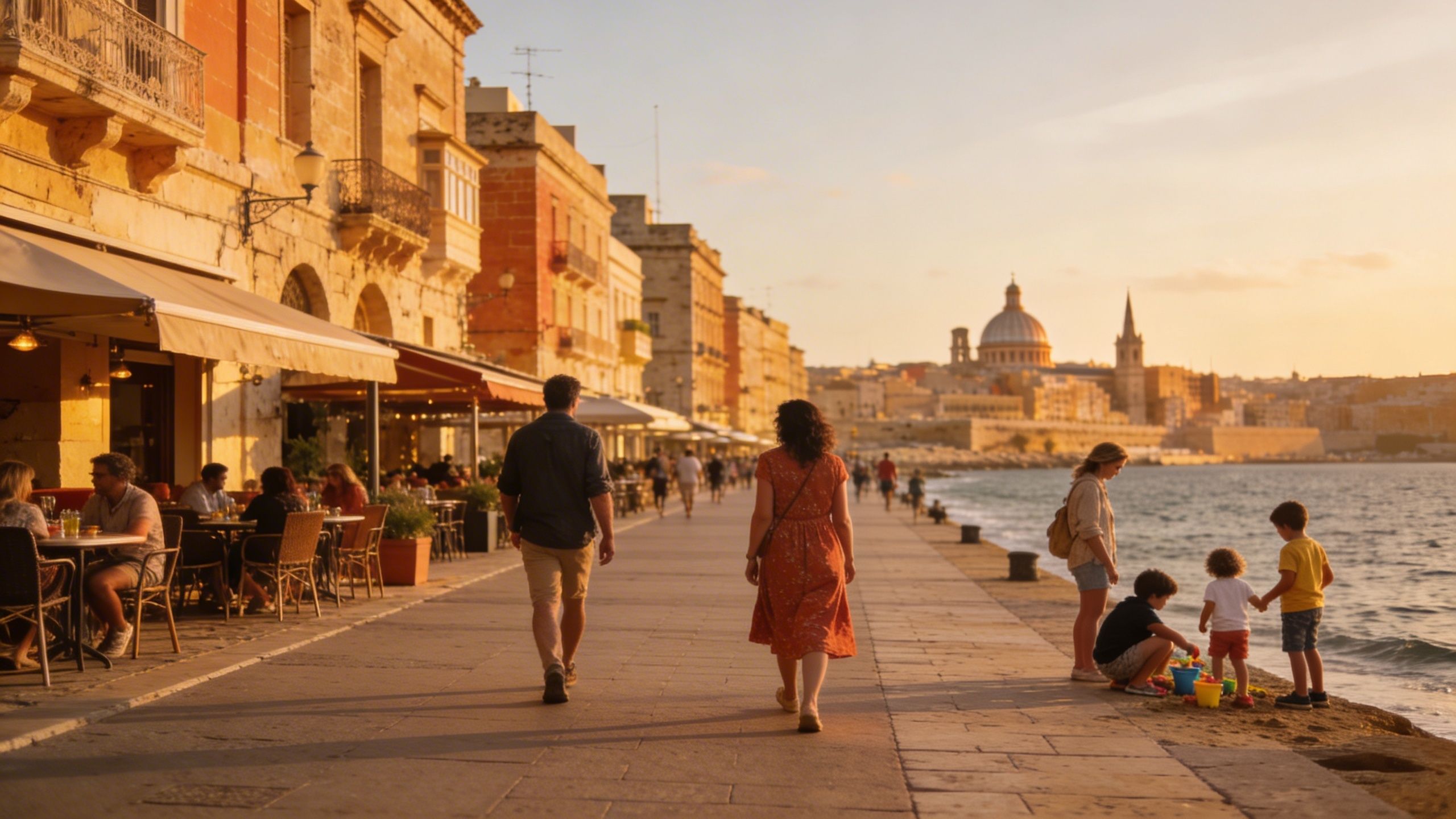
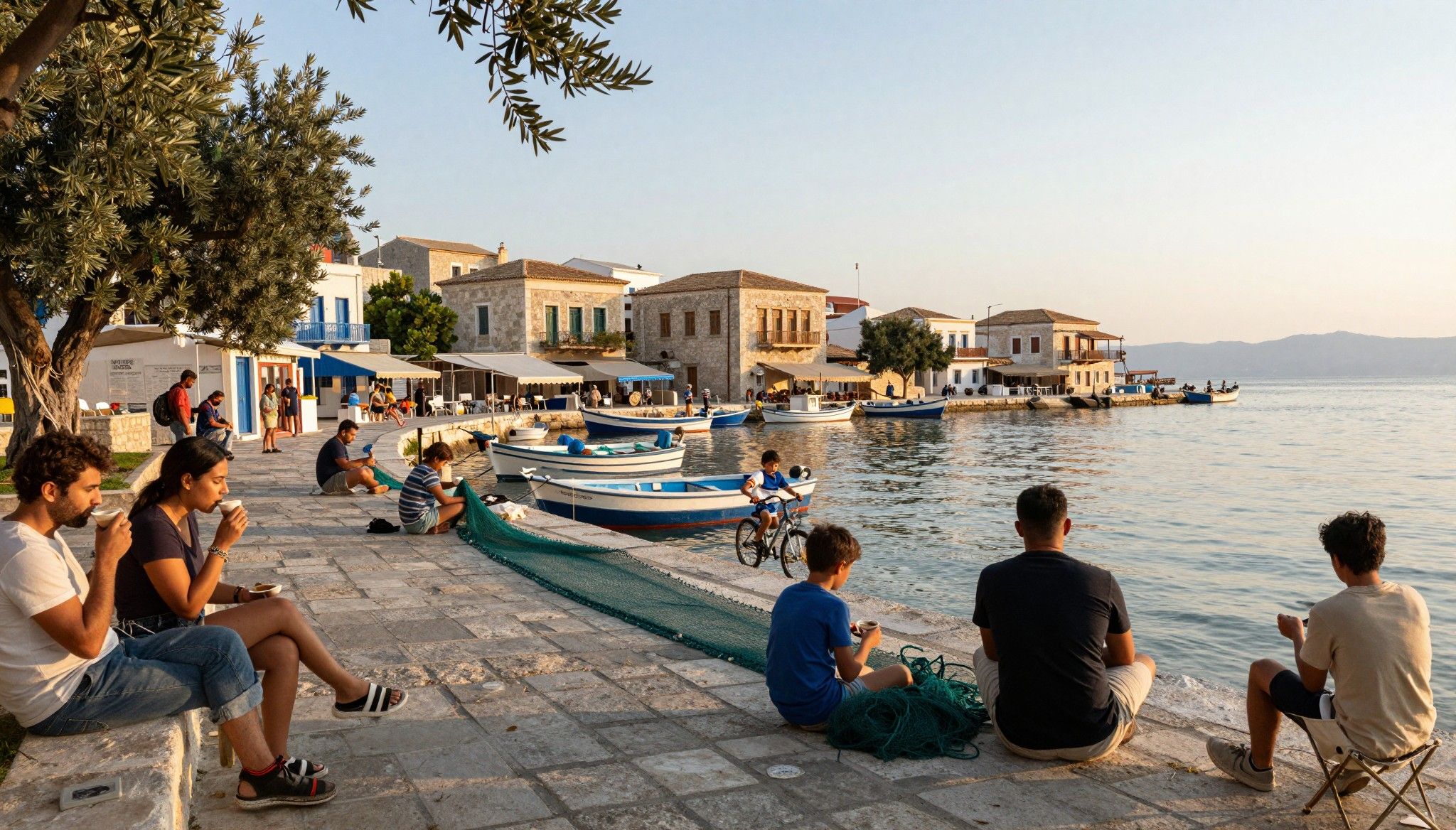
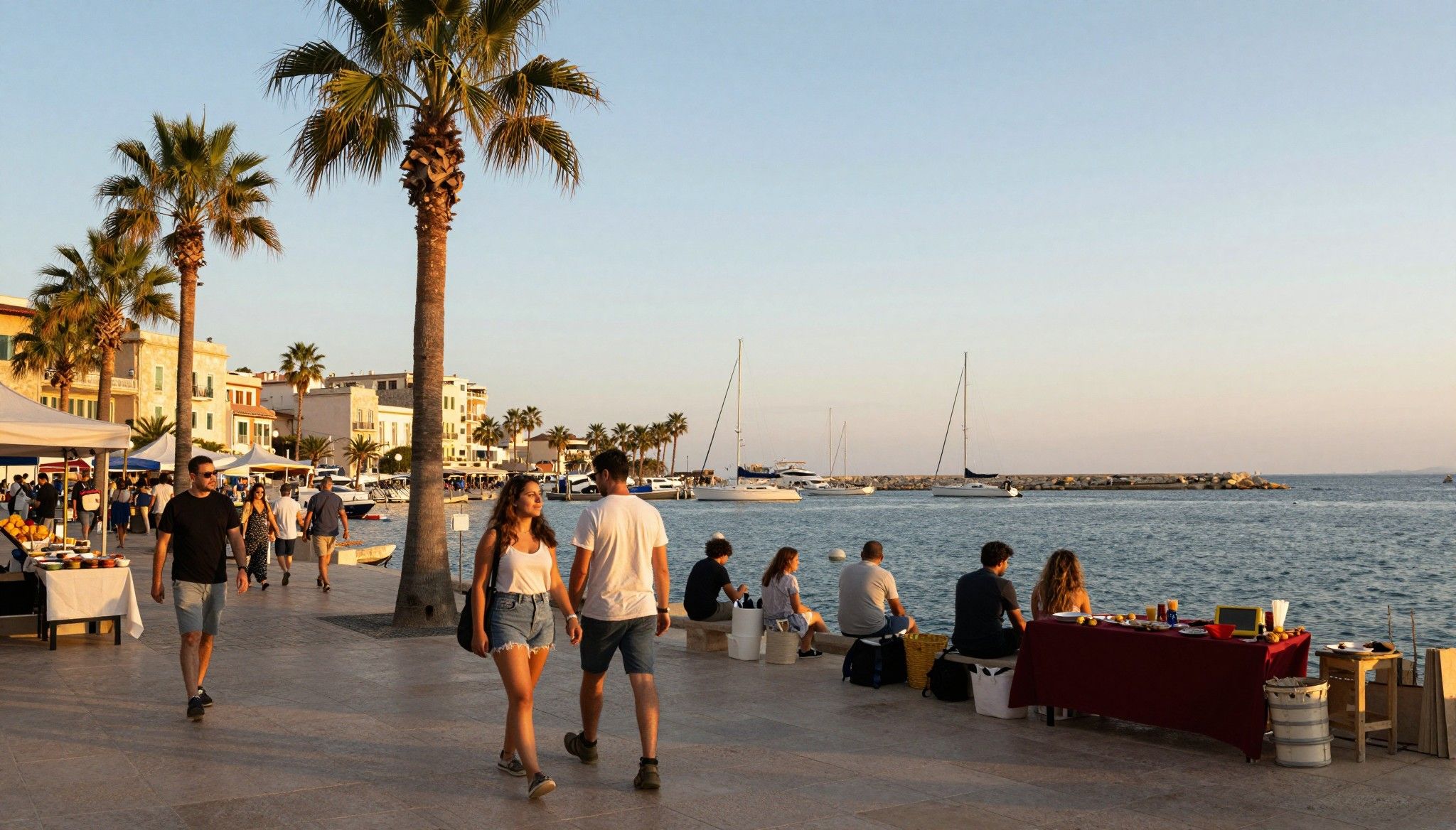
Imagine a weekday morning in Sliema: a barista pulling an espresso as limestone façades warm under pale sunlight; a fisherman mending nets in Marsaxlokk; families strolling the promenades of Mellieħa at dusk. That contrast — lively harbours and quiet inland lanes — is what makes Malta a small country of large choices. For the buyer who wants both atmosphere and advantage, timing, neighbourhood selection and local nuance matter as much as square metres.
Living Maltese Days: texture and rhythm
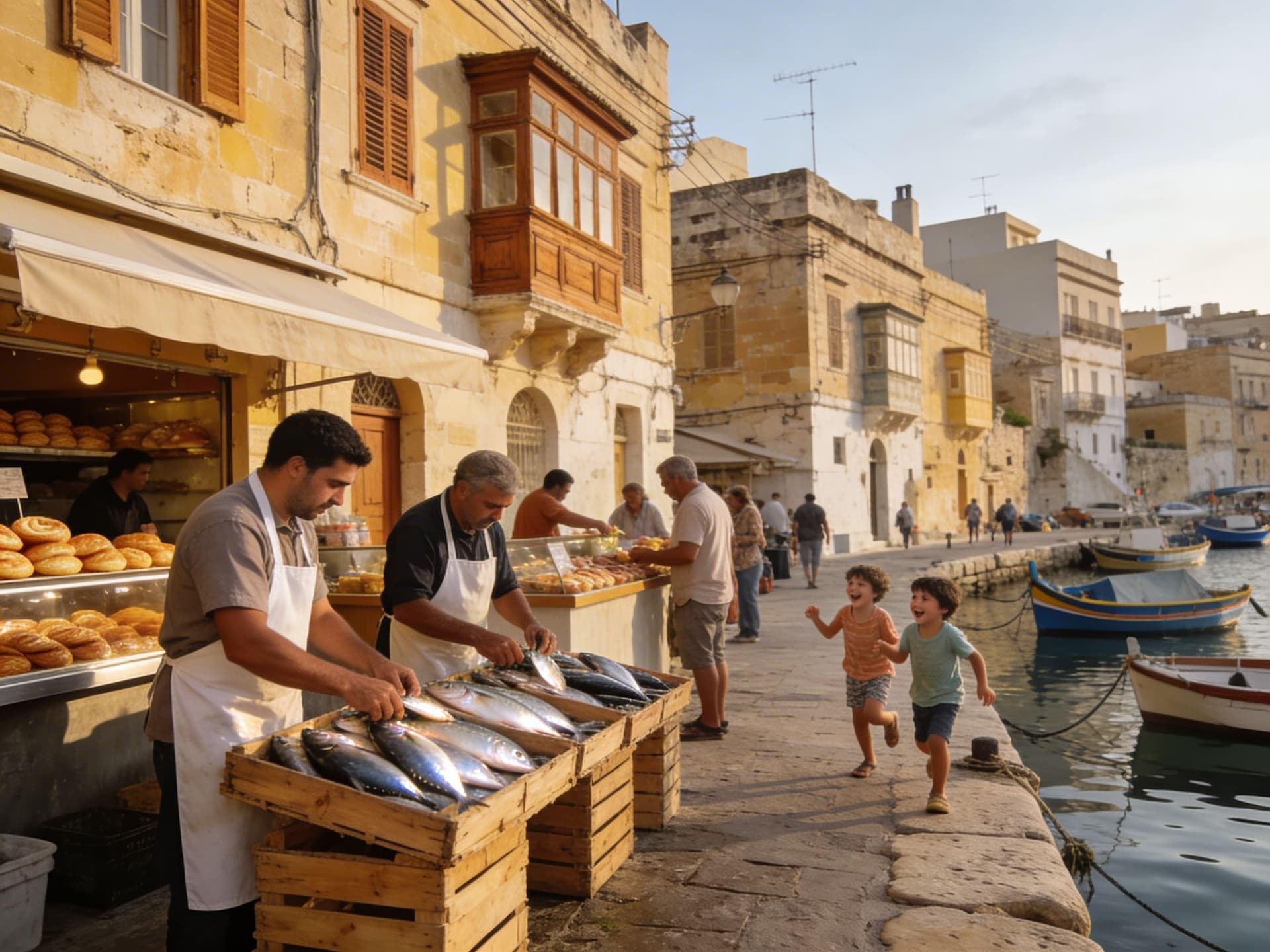
Living in Malta feels like inhabiting a layered postcard. Mornings begin with bakeries releasing warm ftira and pastizzi; by noon the coast hums with swimmers and small boats, while narrow alleys in Mdina and Vittoriosa retain near-silent dignity. English is widely used, but Maltese — its Cadmean cadence — defines neighbourhood character. The island’s compactness means a beach, a market and an eighteenth‑century church are frequently within twenty minutes of one another, shaping daily choices about commute, leisure and conviviality.
Sliema & St Julian’s: seaside sociability and refined apartment living
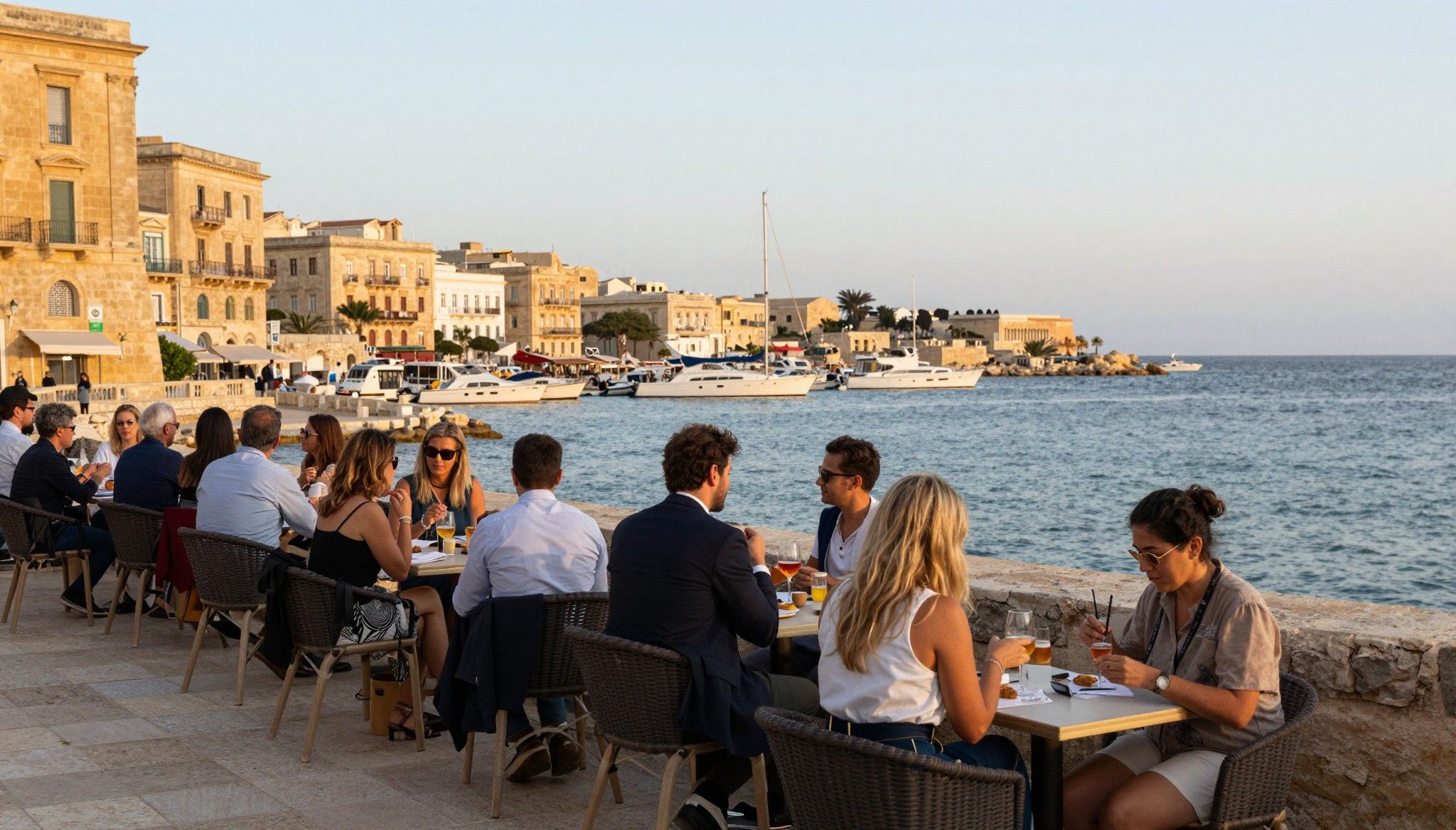
Sliema’s promenade and St Julian’s bays suit those who prize cafés, contemporary dining and well‑appointed apartments with sea views. Expect modern blocks with thoughtful balconies, short walks to marinas like Portomaso, and an evening social scene that shifts from family dining to discreet cocktail bars. These areas sell convenience and lifestyle; in return, properties trade at a premium for view and proximity.
Cottonera & Senglea: heritage, calm and unexpected value
Across the harbour, Cottonera and Senglea offer narrow streets, restored townhouses and quieter daily rhythms. Locals shop at morning markets; restaurateurs trade on authenticity rather than neon. For buyers willing to favour provenance over beachfront vistas, these districts can deliver larger interiors and architectural detail at a lower price per square metre than their northern counterparts.
- Lifestyle highlights to seek while house‑hunting in Malta
- Morning coffee on Balluta Bay; late afternoon swims at Golden Bay; farmers’ markets in Naxxar; dusk vistas from Mdina bastions; Sunday fish lunches in Marsaxlokk; aperitivi on Spinola Square.
Making the move: how lifestyle choices change what you buy
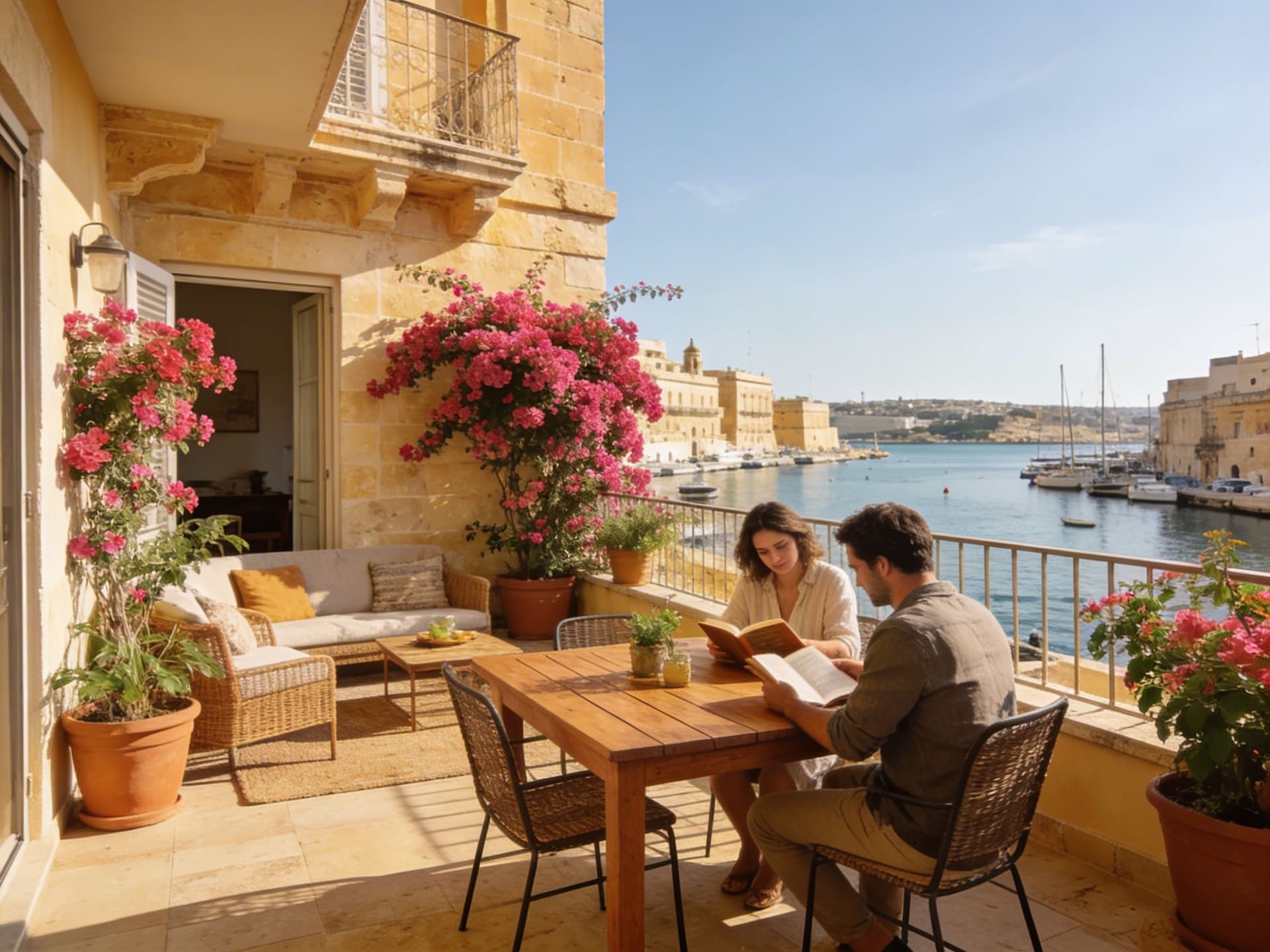
The dream of waking to sea air must be reconciled with market rhythms. Malta’s market has shown steady price growth in recent years, meaning a neighbourhood’s lifestyle appeal often carries a measurable price premium. Understanding which amenities you prize — proximity to international schools, quiet courtyards, or a nearby harbour café — will determine whether you look for a restored townhouse in Cottonera or a modern apartment in Sliema.
Property styles and how they shape living
Traditional Maltese townhouses offer high ceilings, internal courtyards and limestone façades that age gracefully but can require specialist restoration. Apartment living gives easy access to services and lower maintenance. Recent RPPI figures show continued price appreciation, especially for apartments and maisonettes, so buyers should weigh renovation costs against long‑term value when favouring heritage stock over turnkey apartments.
Working with the right local expert
How a Malta‑based agent becomes your lifestyle curator:
- 1. Match neighbourhood rhythm to daily life — not just price. An agent who knows which streets sleep after 9pm will save you regret.
- 2. Assess hidden costs of restoration: specialist stonework, sash window rebuilding and traditional roof terraces require trusted local trades and budgets.
- 3. Negotiate timing with seasonality in mind: off‑peak viewings (winter and early spring) often reveal true livability without summer gloss.
Insider knowledge: what expats wish they’d known
Practical realities catch many new arrivals by surprise: permit thresholds for non‑residents, the island’s high seasonality and the fact that charming streets can be quieter than expected in winter. Expat communities tend to cluster around international schools and marinas; nevertheless, integrating into local parish life and markets transforms a house into a home more quickly than any interior refurbishment.
Cultural rhythms and community
Maltese social life revolves around food, festivals and family. Feast days animate villages with processions and band clubs; weekends are for long lunches and the sea. For buyers, choosing a neighbourhood with compatible social calendars — from active band clubs in small towns to cosmopolitan events in Valletta — will determine how quickly you feel at home.
Long‑term life and investment considerations
Beyond immediate lifestyle, regulatory shifts and reputational changes — for example scrutiny of investment‑for‑citizenship programmes — can influence foreign demand and market dynamics. Buyers should build scenarios with their advisers: what a tightening of residency rules would mean for desirability, or how infrastructure projects could revalue an overlooked district.
- Practical next steps for buyers who want Malta’s life and value
- Engage a local agent with restoration experience; schedule winter viewings to see a neighbourhood’s true tempo; commission conservation‑aware costings for heritage homes; confirm permit requirements for non‑residents early; visit markets and band club events to feel community life.
Malta rewards buyers who prioritise lived life over postcard perfection. Choose a street where you can picture regular routines — a morning pastry, an evening passeggiata, neighbours who nod across the balcony — and the property will repay you in daily pleasure as well as capital resilience. When you’re ready, a local agency that understands craft, calendar and community will translate that scene into an address.
Former Copenhagen architect who relocated to Provence, offering relocation services, market analysis, and a curator’s eye for authentic regional design.