How French transfer taxes quietly reshape your purchase
Practical tax choices quietly shape ownership in France: department transfer duties, non‑resident rules and rental regimes determine cost and lifestyle viability.

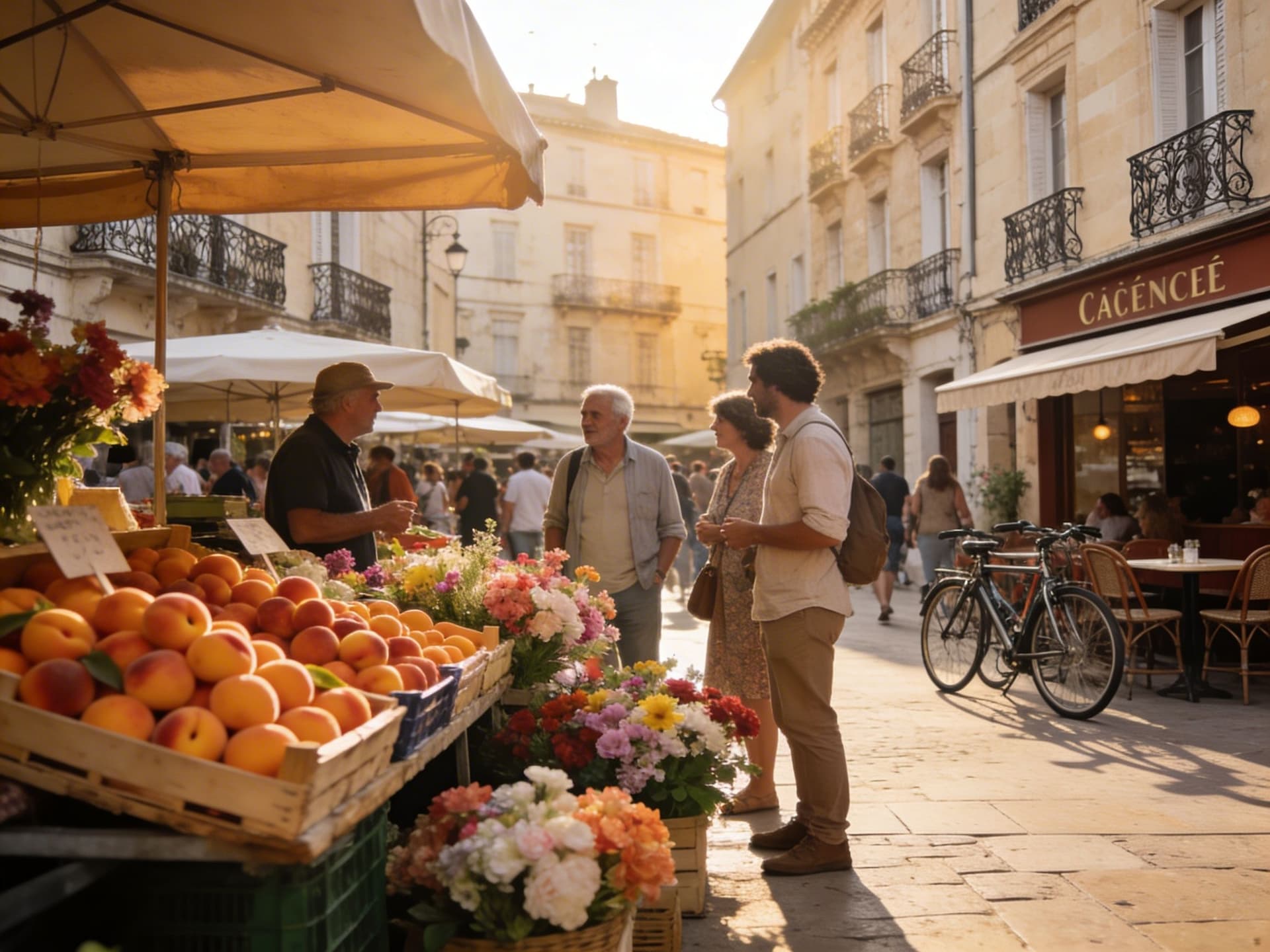
Imagine a late morning in Aix‑en‑Provence: market crates glint with apricots, a boulanger on Cours Mirabeau folds pain into paper, neighbours exchange news in the square. France sells itself in moments — the café, the marché, the effortless habit of good living — but those moments arrive alongside practical choices. For many international buyers the surprise is not the light over a limestone façade but the small, binding tax and transfer rules that quietly change what you can afford and when it makes sense to buy.
Living the France life — and where it meets tax reality
Daily life in France is tactile: morning markets in Marseille, late dinners in the Marais, shoreline afternoons on the Côte d'Azur. Yet ownership brings fiscal obligations that follow the property rather than your passport. The French tax administration makes clear that non‑residents remain liable for local taxes, rental income and — where thresholds are met — wealth taxes; these are not theoretical, they are administered at commune and national level and affect cash flow from day one. Practical planning starts with knowing which taxes apply to property, and when they become payable.
Neighbourhoods that feel like France — and the small fiscal differences between them
Saint‑Germain and the Marais in Paris trade proximity to galleries and private clubs for higher property taxes and transaction costs; in contrast, a stone farmhouse in Lot or a seafront apartment in Biarritz may offer lower annual levies but different transfer‑tax structures. Departments (départements) set a share of transfer duty; in recent years several major départements raised that rate, making the same sale more expensive in one arrondissement than the next. For buyers who prize a specific street — Rue Cler in Paris or Rue d'Antibes in Cannes — the fiscal detail is as local as the morning café.
Markets, meals and seasons — how timing shapes both life and tax exposure
Buying in spring feels natural — gardens waking, terraces reopening — but calendar timing also intersects with policy. Recent departmental choices to increase transfer duties in 2025 nudged some buyers to accelerate purchases; others paused, waiting to see where fee changes landed. If you savour the rhythm of French seasons, factor in legislative seasons too: law changes and departmental decisions often appear with little fanfare but measurable budgetary effect.
- Lifestyle highlights that materially affect ownership:
- Cours Mirabeau mornings, weekly marchés for produce and fromage — great for sourcing a lived‑in kitchen, though rural properties sometimes carry higher local property taxes.
- Evening life in Le Marais or Saint‑Paul‑de‑Vence — cultural density often means higher transaction costs and competition from domestic buyers.
Making the move: the fiscal mechanics every buyer should understand

The chief practical surprises for international buyers are concrete: transfer taxes (the so‑called frais de notaire), annual property taxes (taxe foncière and taxe d'habitation in some cases), income tax on rentals, social levies and, above a €1.3m threshold, the real estate wealth tax (IFI). Transfer duties are largely collected at signature and can vary by department; a 2025 wave of local rate increases means buyers should check the specific département where their property sits before agreeing a price.
Property styles and what they mean for tax and upkeep
A 17th‑century hôtel particulier brings vaulted volumes and exceptional provenance but higher restoration, insurance and municipal charge expectations. A contemporary apartment in Lyon may offer lower maintenance yet incur owner‑association (copropriété) charges and rigid management rules. From a tax perspective, declared rental income differs sharply between unfurnished (régime foncier) and furnished lets (BIC or micro‑BIC), with distinct deductible regimes and social contribution implications.
Working with local experts who understand both life and ledger
Notaries (notaires) formalise transfers and collect duties but are not tax advisers; a local tax lawyer or conseillère fiscale helps translate the lived ambition — say, a rental strategy in Nice or a pied‑à‑terre in Paris — into the most tax‑efficient ownership vehicle. Agencies that pair cultural fluency with fiscal contacts can spot where a charming street aligns with favourable departmental rates or where renovation tax credits might apply to sympathetic restorations.
- Steps that blend lifestyle priorities with tax sense:
- Select the neighbourhood for daily life first (markets, schools, commute) and then obtain a department‑specific transfer duty estimate to understand upfront costs.
- Decide use‑case (primary residence, long‑let, short‑term rental) — this determines tax regime, social levies and reporting requirements.
- Engage a notaire early to lock legal diligence and a fiscal specialist to map double‑tax treaty effects with your country of residence.
Insider knowledge: what expats wish they’d known
Seasoned expatriates often tell the same story: the place captured their heart; the fine print reshaped the budget. Common regrets include under‑estimating transfer duties, overlooking commune‑level charges (e.g. taxe foncière surprises) and assuming a Paris‑level resale market elsewhere in France. Conversely, buyers who matched a beloved micro‑locale — a favourite boulanger on Rue des Rosiers or a particular vista from Cap Ferret — with careful fiscal planning found the cost of entry easier to accept because the lifestyle dividend was real and lasting.
Cultural integration and everyday life — tax is only part of the picture
Language and local habit matter: neighbourhood councils, syndic meetings and market bargaining happen in French and reward modest local fluency. Social norms shape how properties are used — multi‑generational family homes in Dordogne are common, while coastal towns prize seasonal letting. These patterns influence tax disclosures, the appetite for long‑term rental contracts, and the kind of renovations acceptable to historic‑preservation bodies.
Long‑term lifestyle: stewardship, legacy and fiscal foresight
France rewards stewardship. Long‑term owners benefit from restoration incentives, respected heritage protections and an often stable demand for character properties. For international buyers, planning for inheritance rules and the fiscal consequences of IFI or capital gains — both of which vary with residency and duration of ownership — preserves the lifestyle value you came for and avoids passing surprises to heirs.
- Practical red flags to vet before you sign:
- No departmental transfer duty estimate — fees can differ by 0.5% or more after recent départemental changes.
- Unclear usage plan — short‑term rental taxation and municipal authorisations can be restrictive in many cities.
- Absence of inheritance planning — French forced heirship and fiscal treatment can surprise international estates.
Conclusion: France is a country where daily pleasures and prudent stewardship coexist. Begin with the life you want — the market square, the coastal walk, the atelier light — then ask three fiscal questions before you fall in love: how much will the transfer duties be in this département? Which tax regime will apply to my intended use? Who will be the fiscal point person for cross‑border reporting? With those answers, an agency attuned to both place and paperwork becomes less an intermediary than a curator of a life you can afford to keep.
Relocating from London to Mallorca in 2014, I guide UK buyers through cross-border investment and tax considerations. I specialise in provenance, design integrity, and long-term value.