Croatia: Life, Law and the Little Rules That Matter
A lifestyle‑first look at buying in Croatia: how neighbourhood rhythms, reciprocity rules and tax realities must align to make the dream home legally yours.

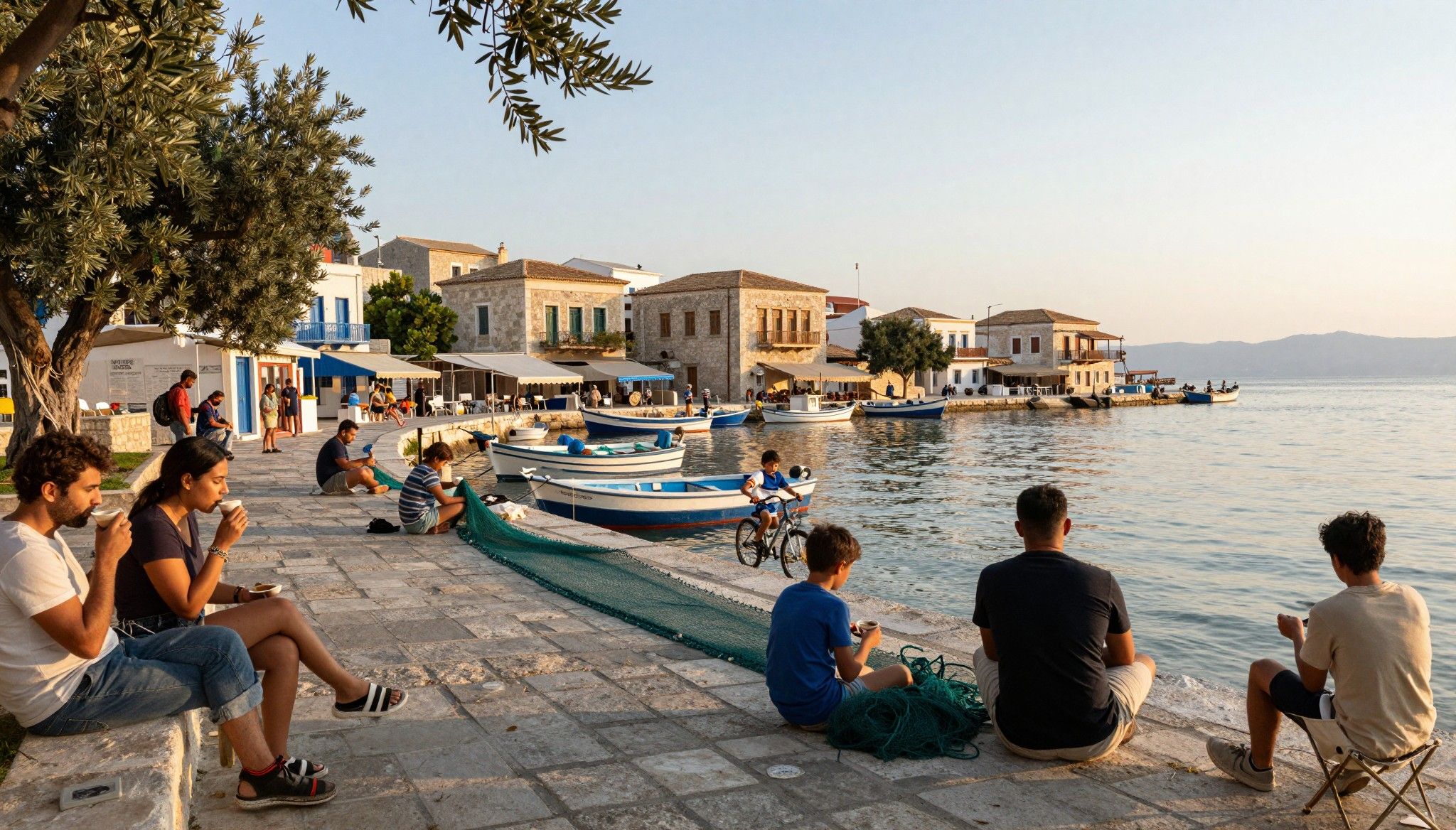
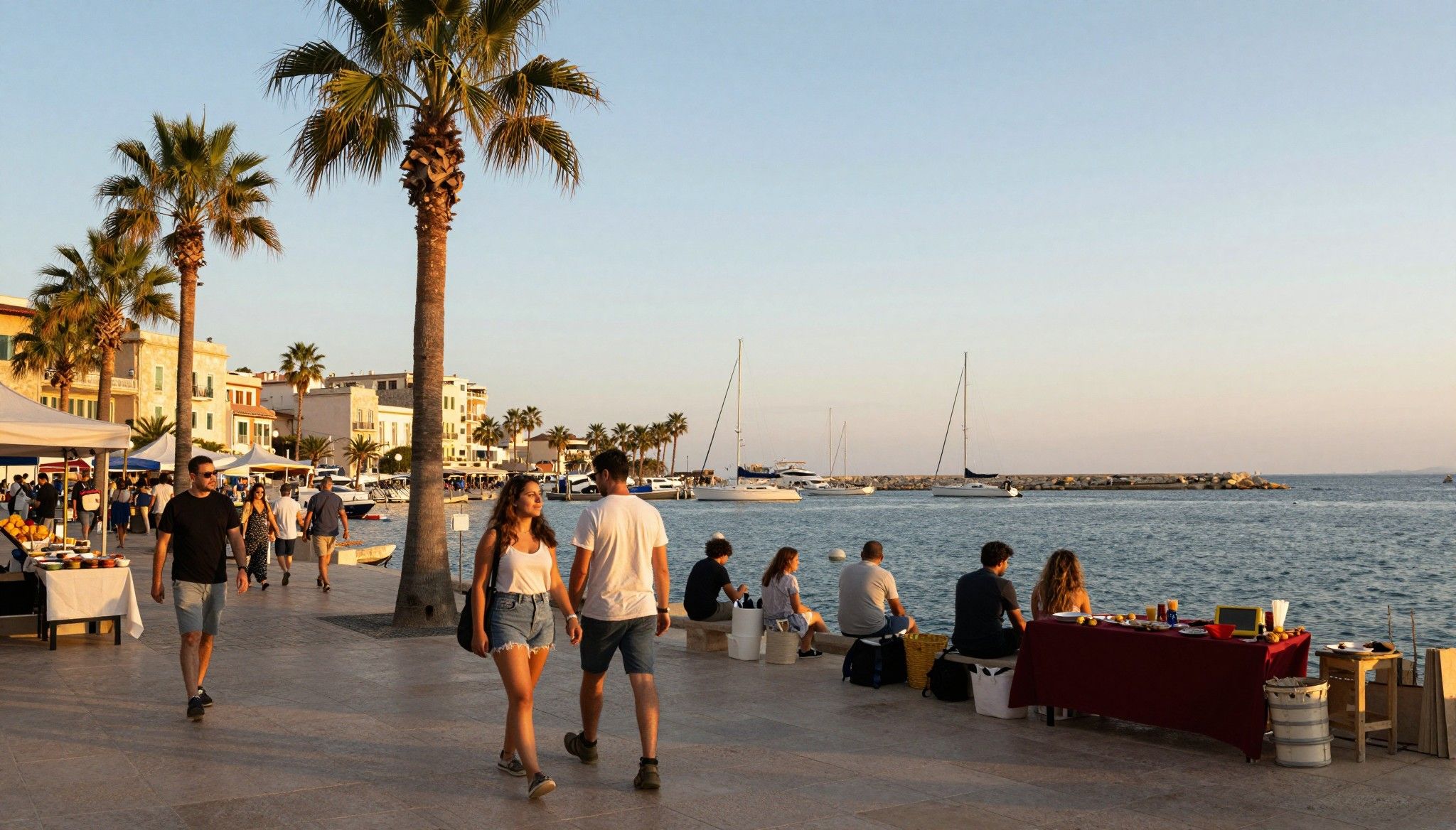
Imagine an evening on Split’s Riva: fishermen mending nets, a barista pulling a slow espresso, and the limestone of Diocletian’s walls golden in dusk. For many international buyers that tableau is the reason they consider Croatia; the lived experience—market days in Zadar, a sail past Hvar’s coves, a Saturday aperitif in Rovinj—frames the purchase as a change in daily life, not merely an asset. Yet legal formalities quietly shape which of these scenes can become yours. Recent guidance from legal specialists shows the difference between falling for a view and securing title — and that gap is where prudent buyers begin.
Living Croatia: the rhythms that matter
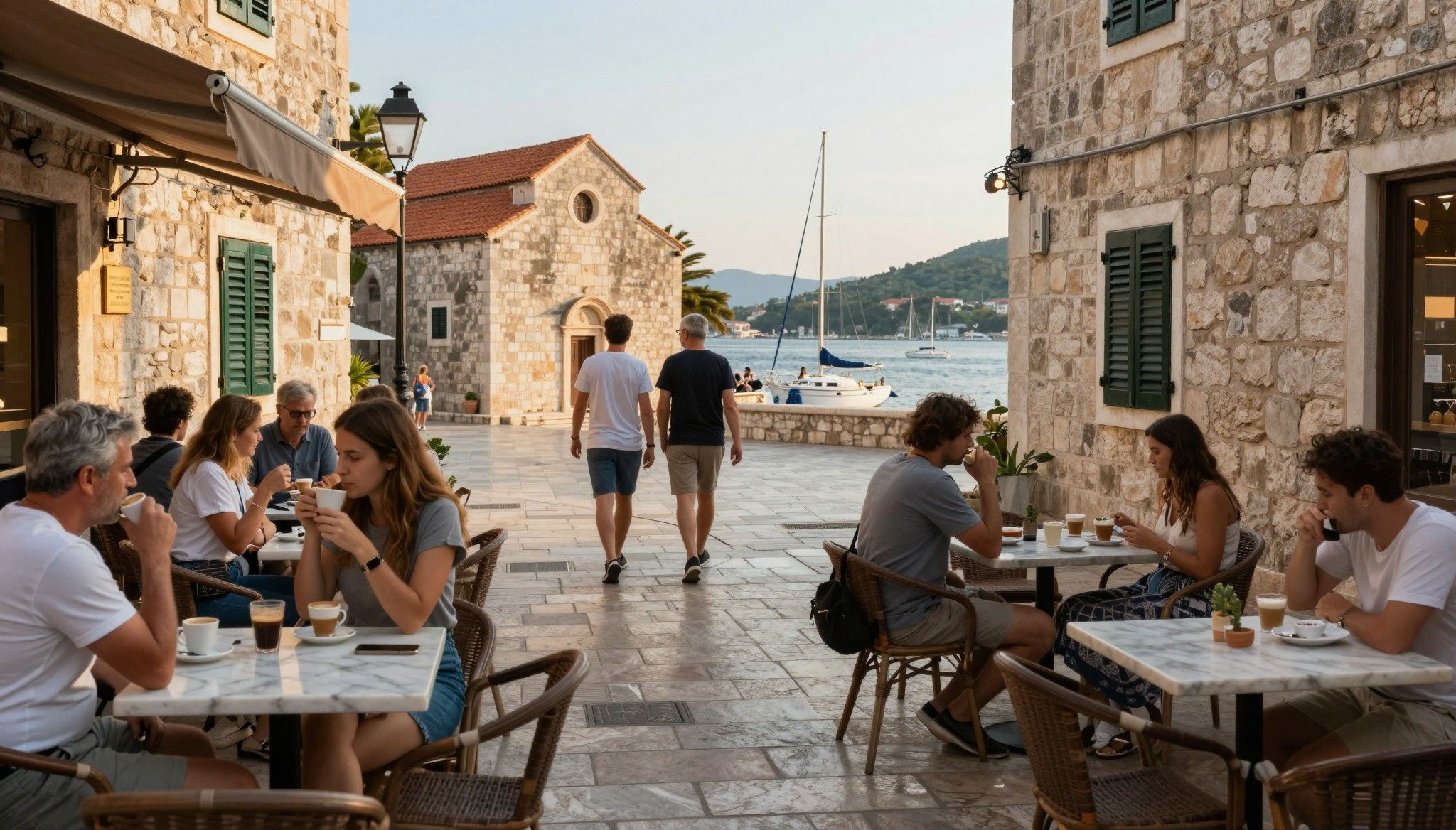
Croatia’s daily life balances Adriatic leisure with urban steadiness. Mornings in coastal towns begin at bakeries smelling of fresh burek and coffee; afternoons are for the sea or narrow-street promenades; evenings gravitate to small-family konobas where local wine and grilled fish are the order of the day. Inland, Zagreb’s parks and organised cultural calendar give a different tempo: Saturday craft markets, Sunday family lunches, and pedestrian streets lined with café terraces. Understanding these rhythms helps translate a neighbourhood’s charm into practical living choices — proximity to markets, sun orientation for terraces, or soundproofing for pedestrian streets are concrete factors that shape property suitability.
Coastlines and towns: where life shifts by a few streets
Walk Rovinj’s cobbled lanes and you find artisanal shops, small galleries, and piazzas where neighbours meet at dusk; buy on the wrong side of a narrow alley and one summer of delivery traffic will quickly temper romance. In Split, Varoš and the quieter parts of Meje offer proximity to the Riva with a residential calm; Ploče is louder and commands premium for uninterrupted sea views. On islands such as Brač, Supetar and Bol each village has its own micro-economy — bakeries close early, boat services set the rhythm, and the choice of street determines winter accessibility as much as summer charm.
Food, markets and everyday pleasures
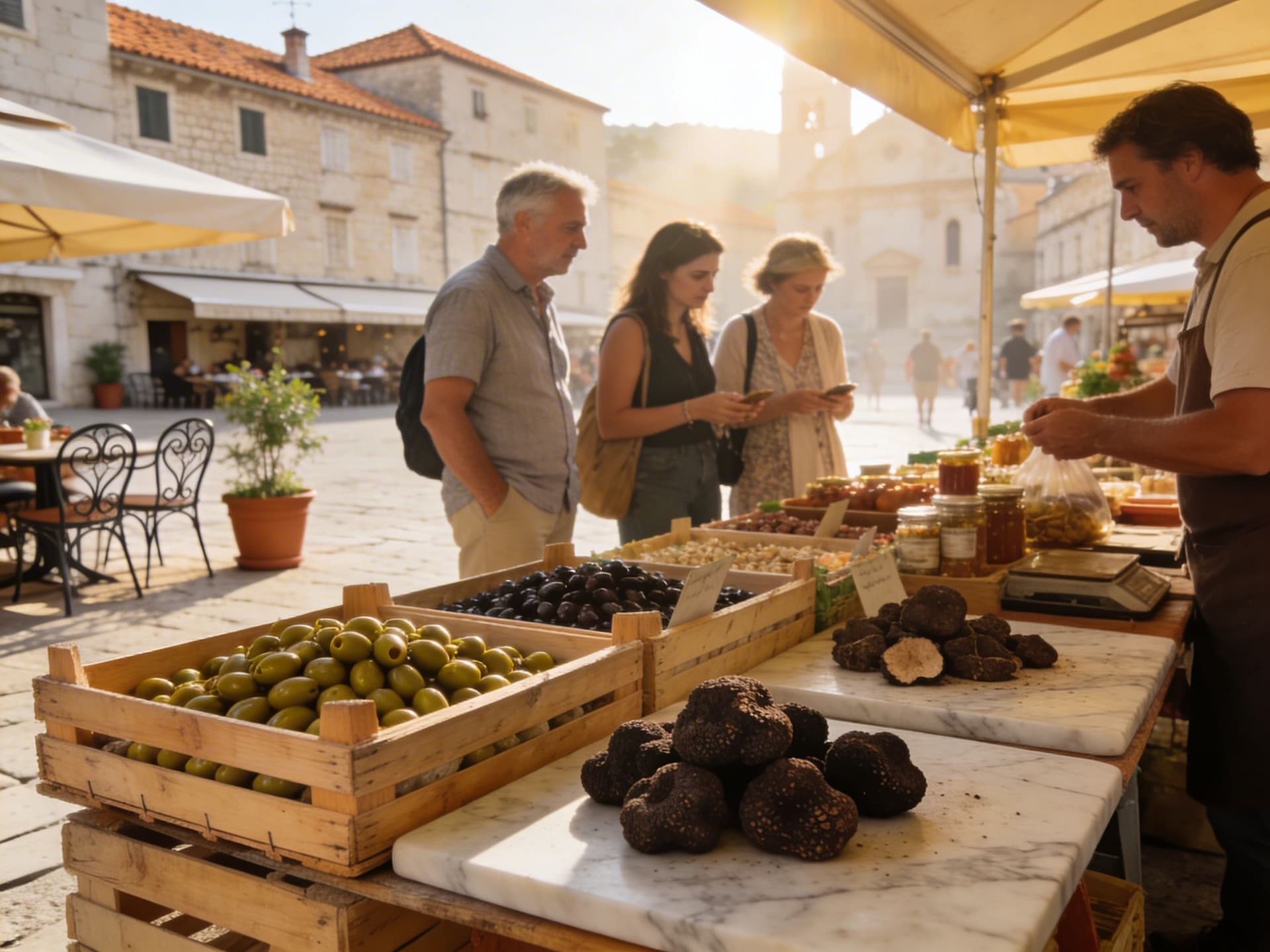
The market is the heartbeat of neighbourhood life: fish stalls at Split’s Fish Market, fruit sellers in Dolac Market in Zagreb, and olive-oil producers in Istrian village squares. Living near a market not only eases daily life but provides social integration and predictable quality-of-life benefits; it also affects noise, parking and storage needs for a property. Seasonal festivals — truffle fairs in Istria, summer film events in Dubrovnik — make some areas livelier (and more rented) for parts of the year, which has implications for both personal enjoyment and short-term rental potential.
- Morning espresso in a piazza (Dolac Market, Zagreb); Fresh-fish bargaining (Split Fish Market); Olive oil tasting in Motovun; Late-summer jazz nights in Dubrovnik’s Gradac; Island ferry rhythm (Brač to Split) ; Coastal promenades at sunset (Riva, Split).
Making the move: how lifestyle choices collide with legal reality
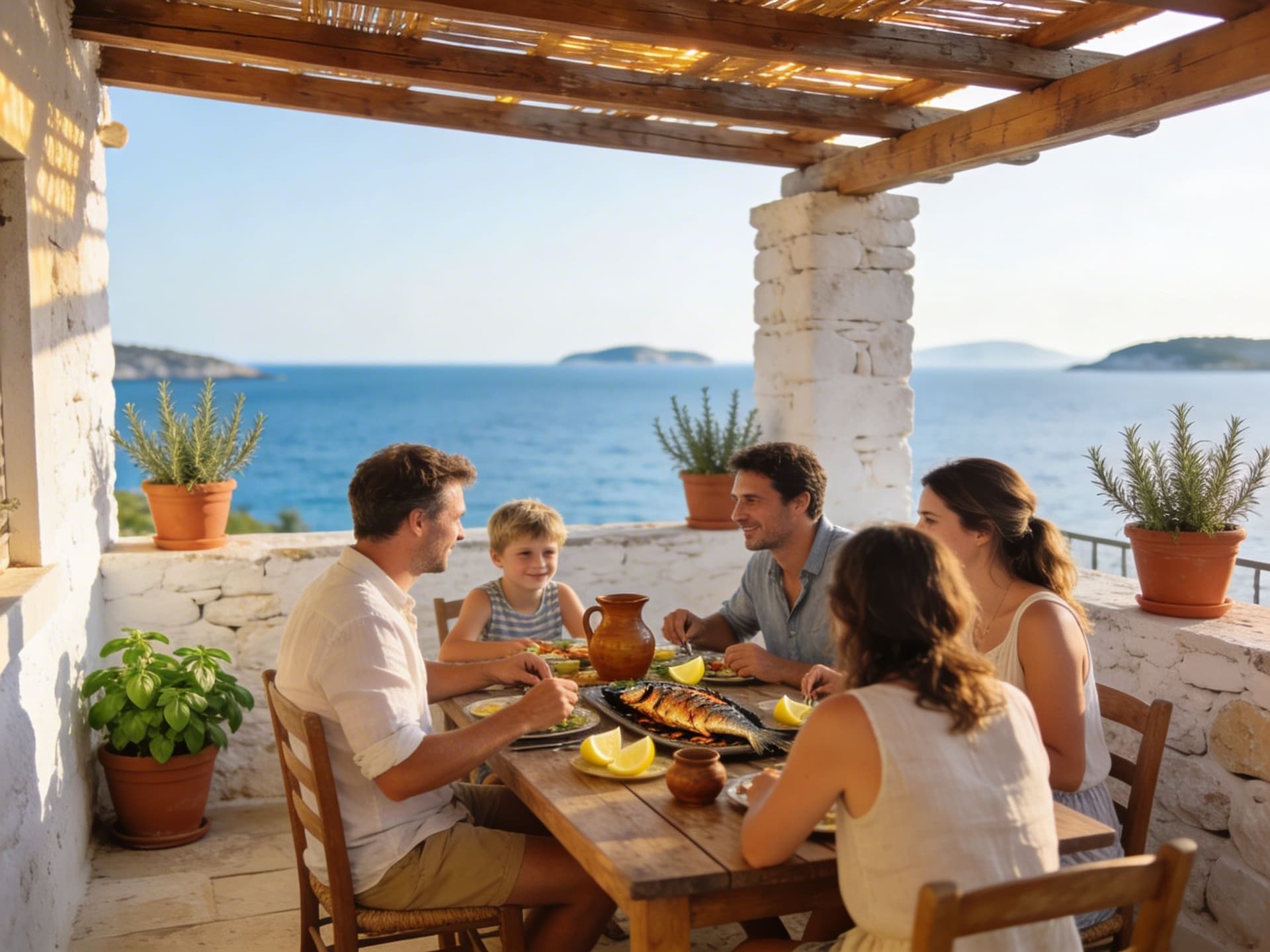
The romance of a terrace view meets statutory detail at the notary’s desk. Croatia grants EU/EEA citizens the same acquisition rights as locals, while non‑EU nationals face the reciprocity rule and typically require Ministry consent or use of a Croatian company structure. CEELM’s legal overview and practising Croatian lawyers note that agricultural land and certain protected zones remain restricted; equally important is how these formal limits translate into everyday living — access rights, easements to the sea, and zoning for renovations.
Property types and what they mean for life and law
Stone houses in old towns require heritage permissions; modern apartments generally come with clearer renovation paths. New-builds sold by developers may be subject to VAT (25%) instead of the 3% transfer tax, which can materially change total cost and negotiation strategy. Practically, that means if your lifestyle needs a fully renovated kitchen and insulation for year-round living, you must factor in permitted works, planning timelines and sometimes local municipal approvals. A trusted local lawyer and architect will translate lifestyle requirements into permitted technical solutions and realistic budgets.
Where an agent earns their keep
- 1. Find neighbourhoods that match daily rhythms (markets, schools, marina access). 2. Pre‑check title and encumbrances so a view doesn’t come with hidden liabilities. 3. Clarify tax treatment early (VAT vs transfer tax) and request net-of-tax purchase scenarios. 4. Arrange local experts — notary, lawyer, architect — and a clear timeline for Ministry consent if needed. 5. Secure a written estimate for all non-obvious costs: registry fees, potential local real estate levies, and seasonal maintenance.
Insider knowledge: expat realities and legal red flags
Expats often learn three lessons the hard way: public maritime domain means private beaches are a myth, reciprocity can delay closings for non‑EU buyers, and local zoning can limit conversion of holiday rentals into year‑round homes. Investropa’s recent analysis underscores the maritime and agricultural exceptions that regularly surprise buyers who are seduced by coastal images but assume unfettered ownership. Recognising these constraints before making an offer preserves both the lifestyle you want and the legal certainty you deserve.
Practical red flags to watch for
- Property advertised as “sea‑front” but encumbered by maritime easement; Sellers unable to produce clean land registry excerpts; Discrepancies between contract price and declared market value that may trigger tax authority revaluation; Properties inside protected heritage zones requiring lengthy restoration consents; Verbal rental income expectations unsupported by actual occupancy records.
How to protect the life you imagine
Begin with a documented checklist: verified land-register printout, clear statement of what tax applies (3% transfer tax or 25% VAT), written estimates for renovation and municipal approvals, and a notary-approved escrow schedule. For non‑EU buyers, begin Ministry consent procedures early and consider a Croatian d.o.o. only with careful tax and inheritance planning. Treat local experts — a Croatian lawyer with property experience, an architect familiar with conservation rules, and an agent with a record of completed closings — as the team that turns aspiration into legitimate ownership.
- 1. Obtain an OIB (Croatian tax ID) through counsel or bank; 2. Commission a land-registry and encumbrance search; 3. Confirm whether VAT applies (new build) or transfer tax (3%); 4. If non‑EU, lodge Ministry of Justice consent application early; 5. Arrange notarised contract and register title at the Land Registry.
When the practical and the poetic align — a terrace that receives morning light, a pantry near the market, a neighbour who invites you to a local feast — the house becomes home. In Croatia, the legal details are not an afterthought; they are the scaffolding that supports a particular way of life. Begin with place first, then assemble the legal team that will let that place be yours. If you would like, we can connect you with vetted Croatian lawyers and agents who specialise in translating lifestyle briefs into secure titles.
Former Copenhagen architect who relocated to Provence, offering relocation services, market analysis, and a curator’s eye for authentic regional design.