Where Greece’s ‘Expensive’ Myth Breaks
A sensory portrait of life in Greece and a practical framework showing how neighbourhoods, seasonality and stewardship shape real costs for international buyers.
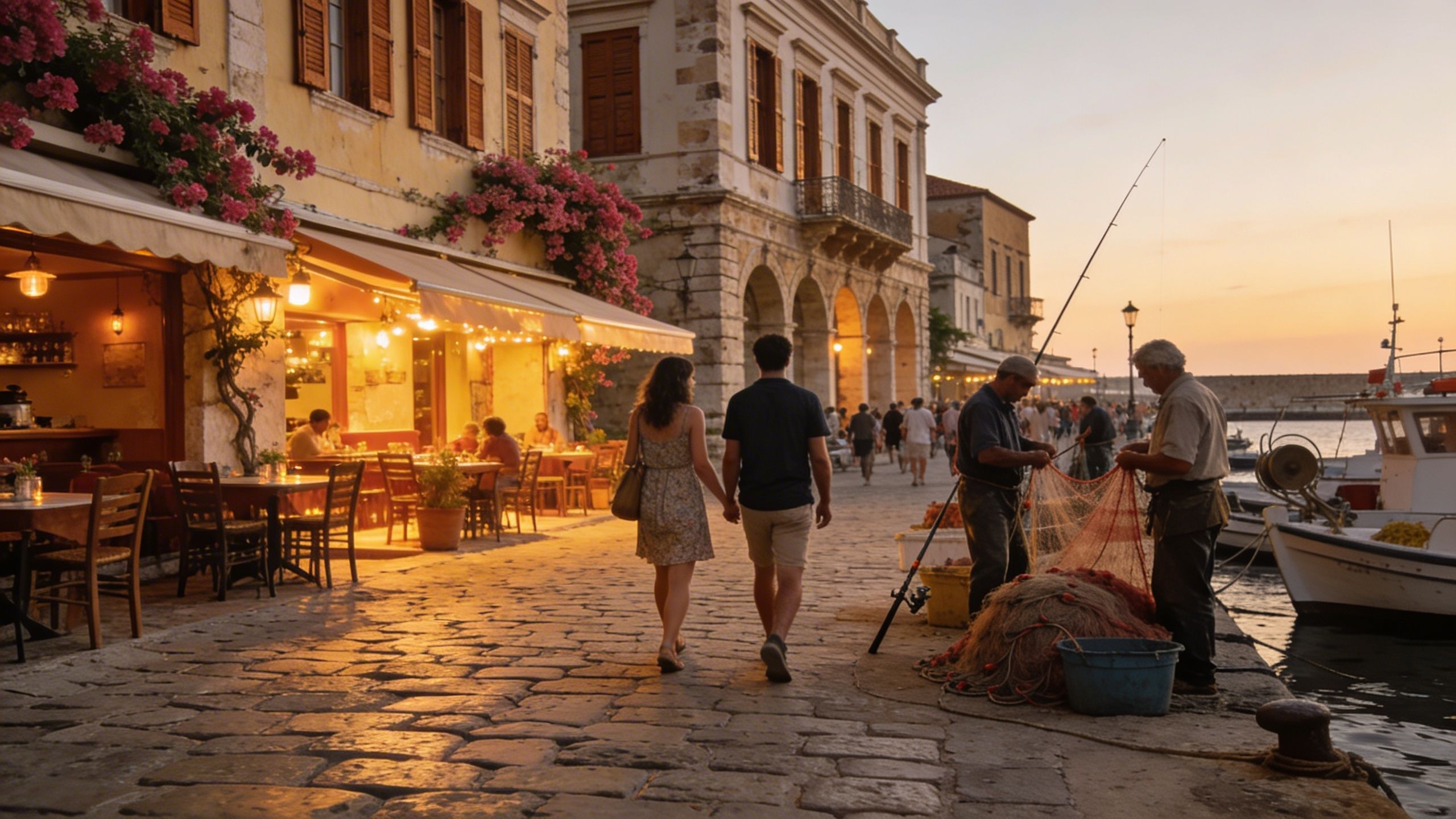
Imagine waking to the scent of brewed espresso and sea salt, stepping out onto a sun-warmed step in Plaka, or cycling past stone courtyards in Chania at dusk. Greece rewards slow, sensory days — markets that open with fresh fish and figs, small bakeries that close by mid‑afternoon for the siesta rhythm, and neighbourhoods where a cafe owner knows your name. For international buyers the question is rarely whether Greece is beautiful, but whether the life they imagine is sustainable: how much will groceries, services, taxes and restoration really cost when traded against that lifestyle? The following seeks to dismantle a familiar myth — that Greece is uniformly “cheap” or “expensive” — and to show where costs align with authentic, enduring living.
Living the Greece lifestyle
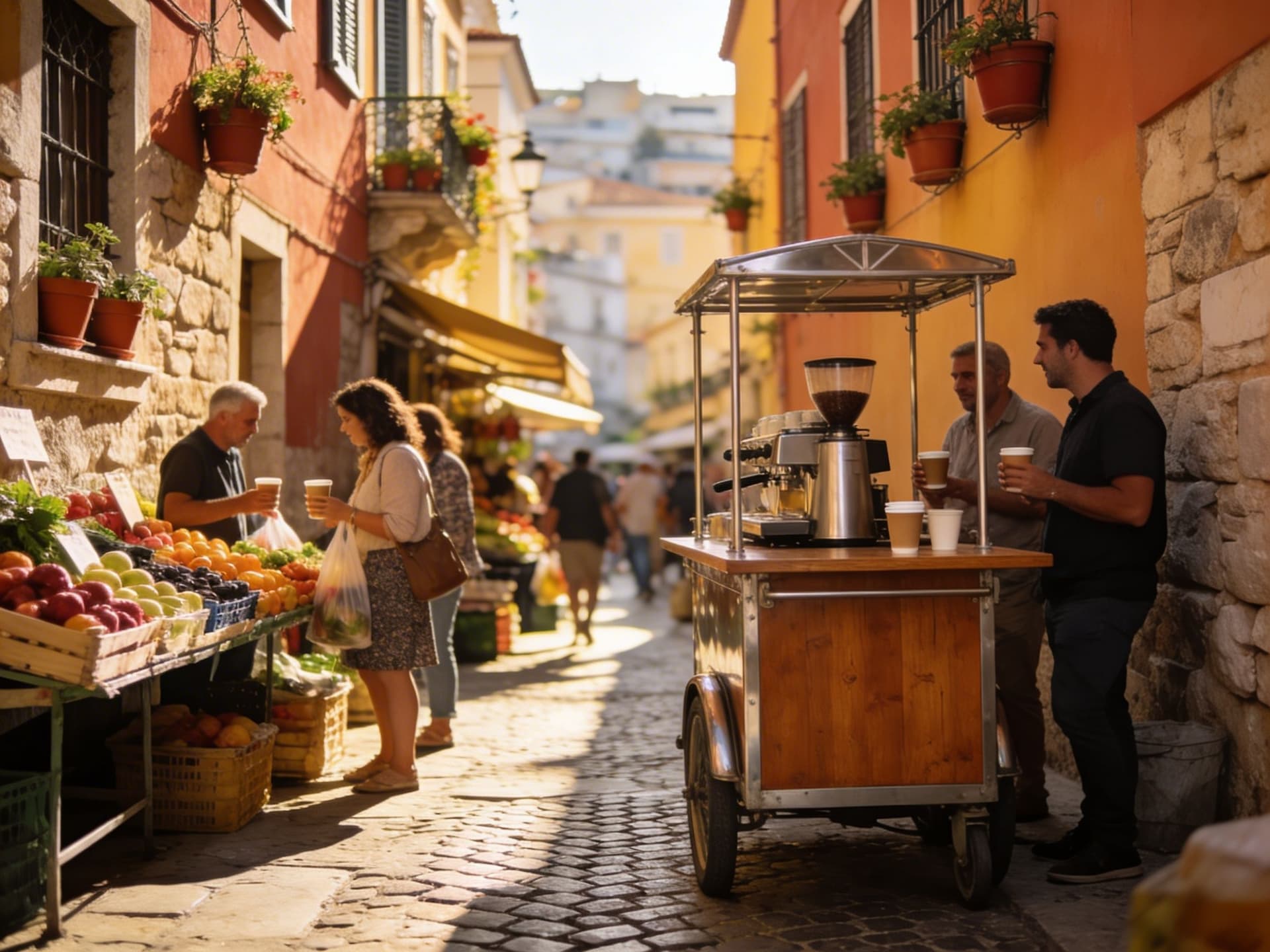
Greece is a study in contrasts: the urban rhythm of Kolonaki in Athens, where galleries and neoclassical facades meet curated boutiques, differs from the meditative pace of the Cycladic islands, where narrow lanes and whitewashed houses define daily life. Days in island villages are measured by light and tide; in the city, they are measured by service hours, cultural programmes and a late-evening dining culture. These differences shape living costs more than headlines do: location, seasonality and the patina of a property matter far more than national averages when budgeting for life here.
Neighbourhoods that define day-to-day living
Athens offers tonal variety: Kolonaki and Plaka for those who prize proximity to museums and old-world cafes; Koukaki for quiet streets and a growing restaurant scene; Piraeus for harbour life with lower entry prices. On Crete, Chania’s Venetian harbour, narrow alleys and local markets offer an artisan rhythm; Rethymno feels intimate and lived-in. In the Cyclades, Paros and Naxos provide a softer, more affordable island life than Mykonos or Santorini, where visitor pressure inflates short-term prices and services.
Food, markets and the weekly rhythm
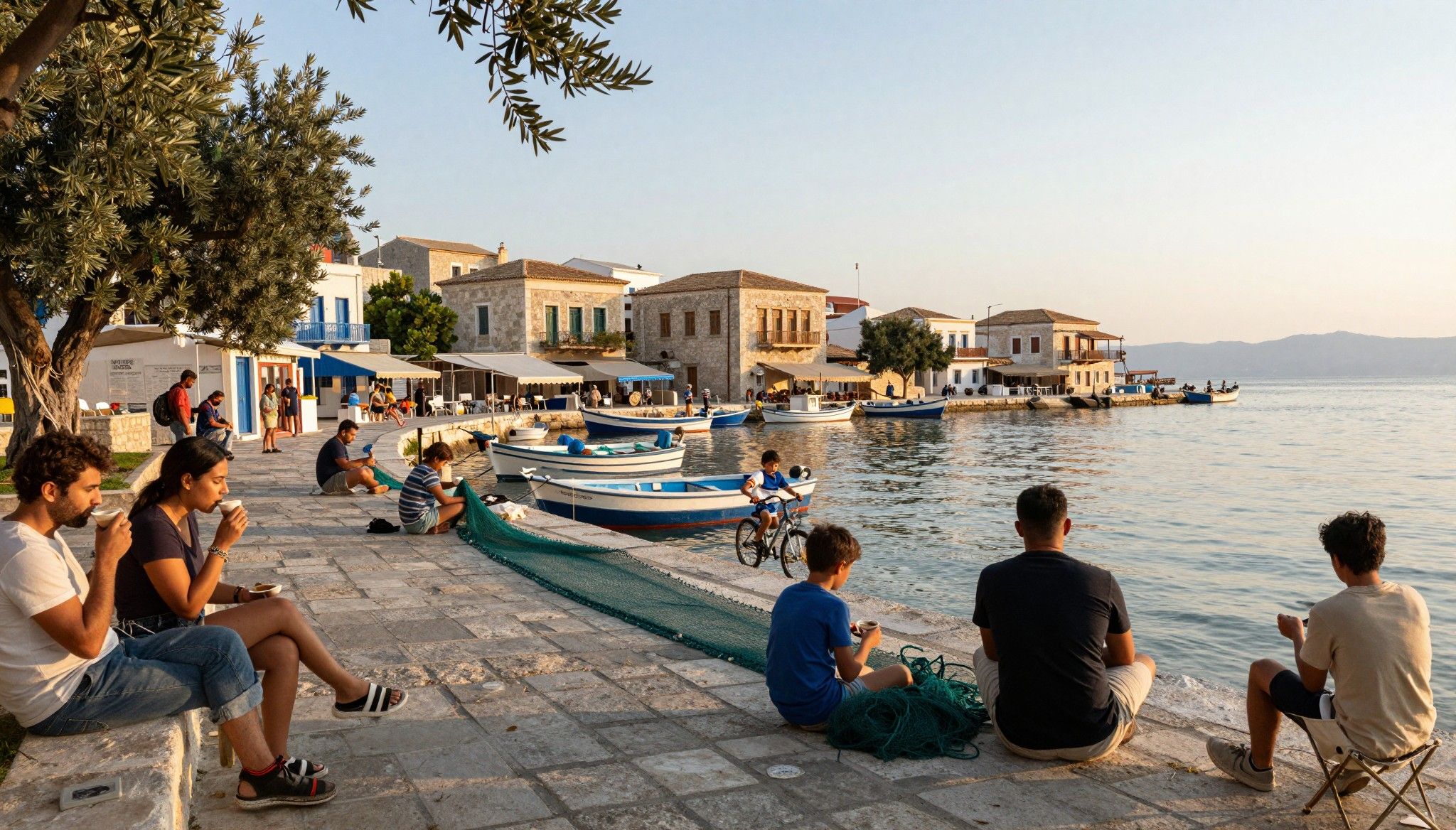
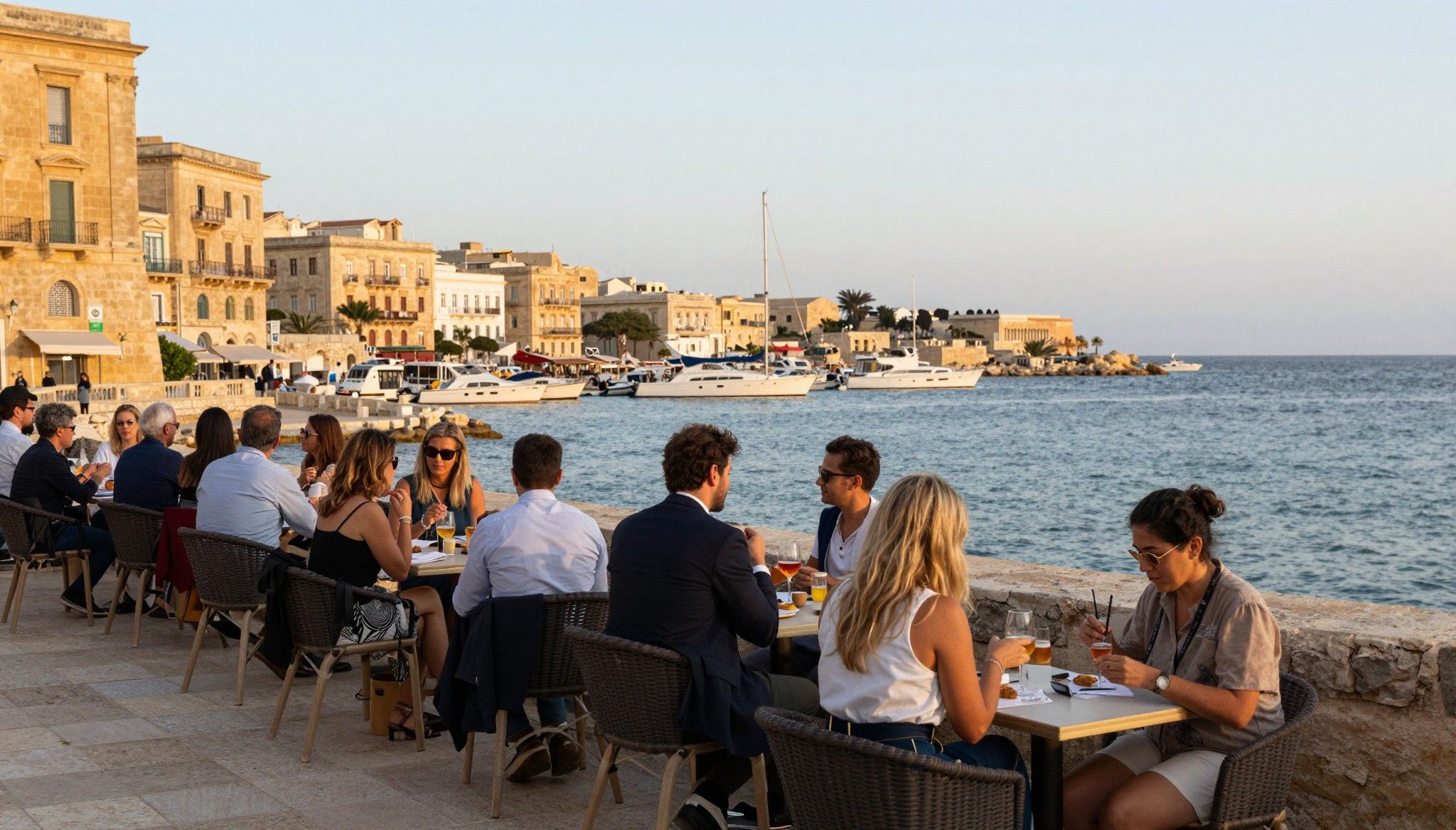
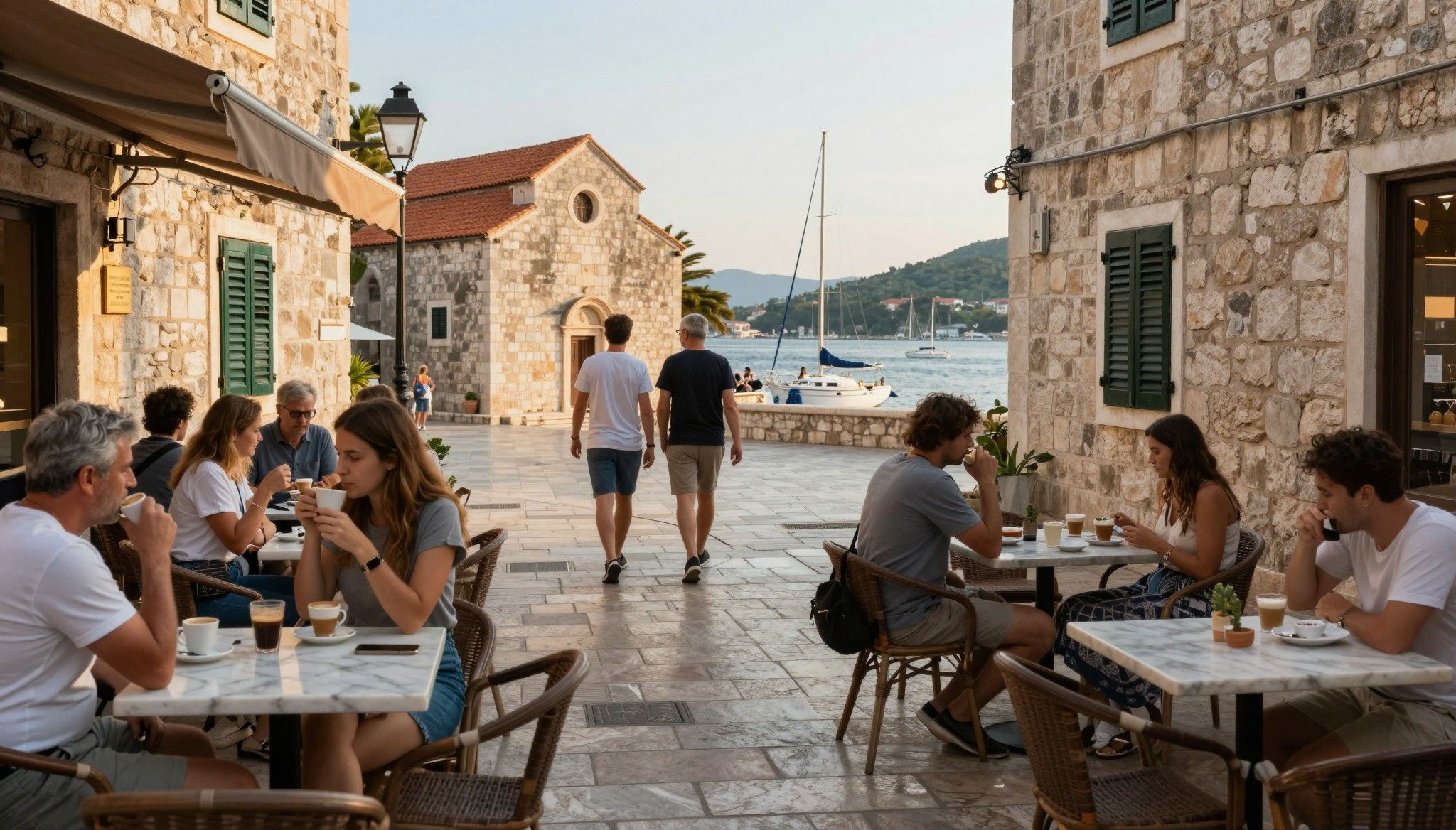
A day in Greek life often begins and ends around food: a short market trip for olives and local cheese, an espresso at the corner kafeneio, and a long dinner of mezze shared at sunset. Markets and seasonal produce keep grocery bills moderate compared with northern Europe, though dining out in tourist-heavy districts can match prices in major European cities. Practical data, such as localized Numbeo figures, confirm modest grocery and utility costs in many places, while central-city rents and island-season services push budgets upward.
Lifestyle highlights — what you actually spend time (and money) on
Morning espresso at a kafeneio in Plaka; an occasional market taxi with a fisherman’s bounty; small repairs by trusted local artisans for terracotta roofs and shutters; summer island ferries and the seasonal cost of running an A/C; weekly neighbourhood suppers that become community life.
Making the move: practical considerations
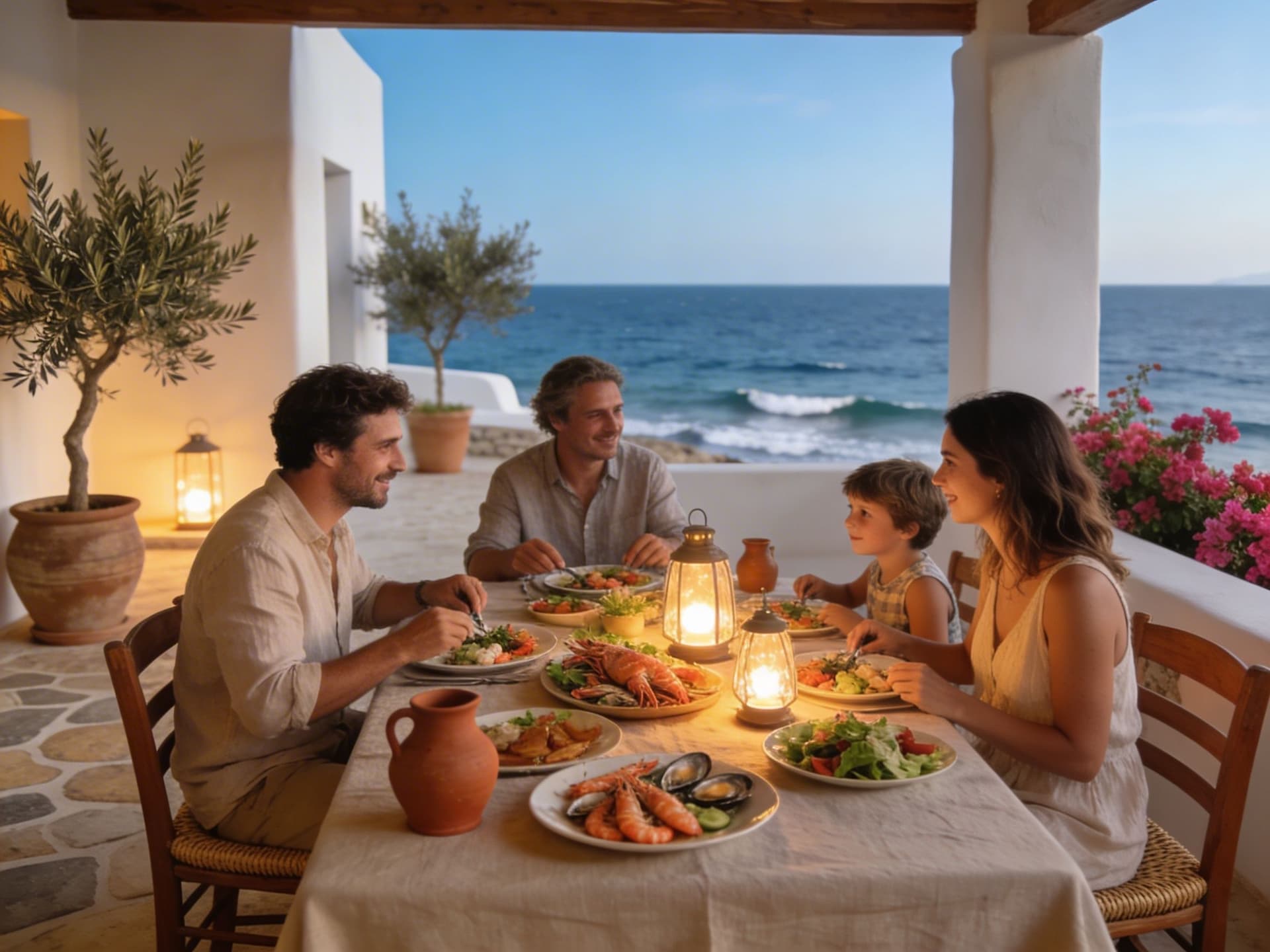
Dreams of a sunlit stone house must meet practicalities: price trajectories, provenance of construction, and the recurrent costs of stewardship. House price indices and market reports show steady growth in many regions, particularly in Athens and the most visited islands, while lesser-known regions remain attractively priced. For purchasers who care about material quality and provenance, factoring restoration budgets, local labour costs and seasonal maintenance is as important as the purchase price itself.
Property types and how they shape cost
Neoclassical apartments in Athens require different stewardship than a stone farmhouse in Mani or a Cycladic cave house. Older buildings may have lower purchase prices but higher conservation, insulation and electrical upgrade costs. By contrast, well-built recent renovations in towns such as Chania or Nafplio can cost more up-front yet demand less annual maintenance. Choose a property type that suits the life you plan to live: restore slowly and intentionally if you crave authenticity, or buy turnkey if you prioritise convenience.
Working with local experts who understand the life you want
Local agents, conservation architects and builders are not merely transactional partners; they decode neighbourhood rhythms, recommend off-season viewings and estimate real, local costs for restoration and daily living. A specialist agency will align budgets with lifestyle goals — for example, advising whether a €400,000 property outside the main islands will deliver a more authentic, affordable seasonal life than a smaller, more expensive pied-à-terre in Mykonos. Pay attention to regulatory changes that affect residency-through-investment and local planning rules: recent law changes have redefined thresholds for residency-linked property investment, altering which areas are relatively more affordable for residency-seeking buyers.
Insider knowledge: what expats wish they’d known
Cultural and seasonal realities that change costs
Costs fluctuate with season and community life: a property that seems affordable in winter may require higher running costs in summer for services and hospitality. Community expectations matter — in some villages communal gardens and shared maintenance of wells or lanes mean small monthly contributions that aren’t obvious in a listing. Learning a few phrases and building local trust often reduces day-to-day service costs and smooths renovation timelines.
Long-term stewardship: the cost of keeping a life here
Expect recurrent costs beyond mortgage payments: seasonal cleaning and property management, modest municipal taxes, carefully budgeted restoration for heritage materials, insurance that reflects seismic risk in some regions, and contingency for infrastructure works in smaller islands.
A pragmatic six-step approach to align lifestyle and budget 1. Visit in two seasons: observe life in high summer and the quieter shoulder months. 2. Create a steward’s budget: add 10–20% of purchase price for immediate works and a yearly operating reserve. 3. Engage a local conservation-minded architect early to scope works and costs. 4. Choose an agency that demonstrates knowledge of artisans, municipal practice and seasonal service providers. 5. Confirm residency and investment implications for your circumstances, especially if residency-by-investment matters to you. 6. Build community relationships; trusted local recommendations often save time and money.
Conclusion: Greece as a place of considered investment and lived beauty. The real decision is less about headline affordability and more about where the life you want fits the local cost structure. For buyers seeking provenance and enduring value, the best purchases balance architectural integrity with neighbourhood character and an honest budget for stewardship. A local agency that understands material quality, seasonal rhythms and regulatory nuance becomes the custodian of that ambition — not only to buy a house, but to buy a life.
Former Copenhagen architect who relocated to Provence, offering relocation services, market analysis, and a curator’s eye for authentic regional design.