Where Locals Buy in Malta: Overlooked Streets, Real Value
Choose streets Maltese people prefer: compact rhythms, material quality and neighbourhood character matter more than headline sea views—NSO data underline persistent price growth.
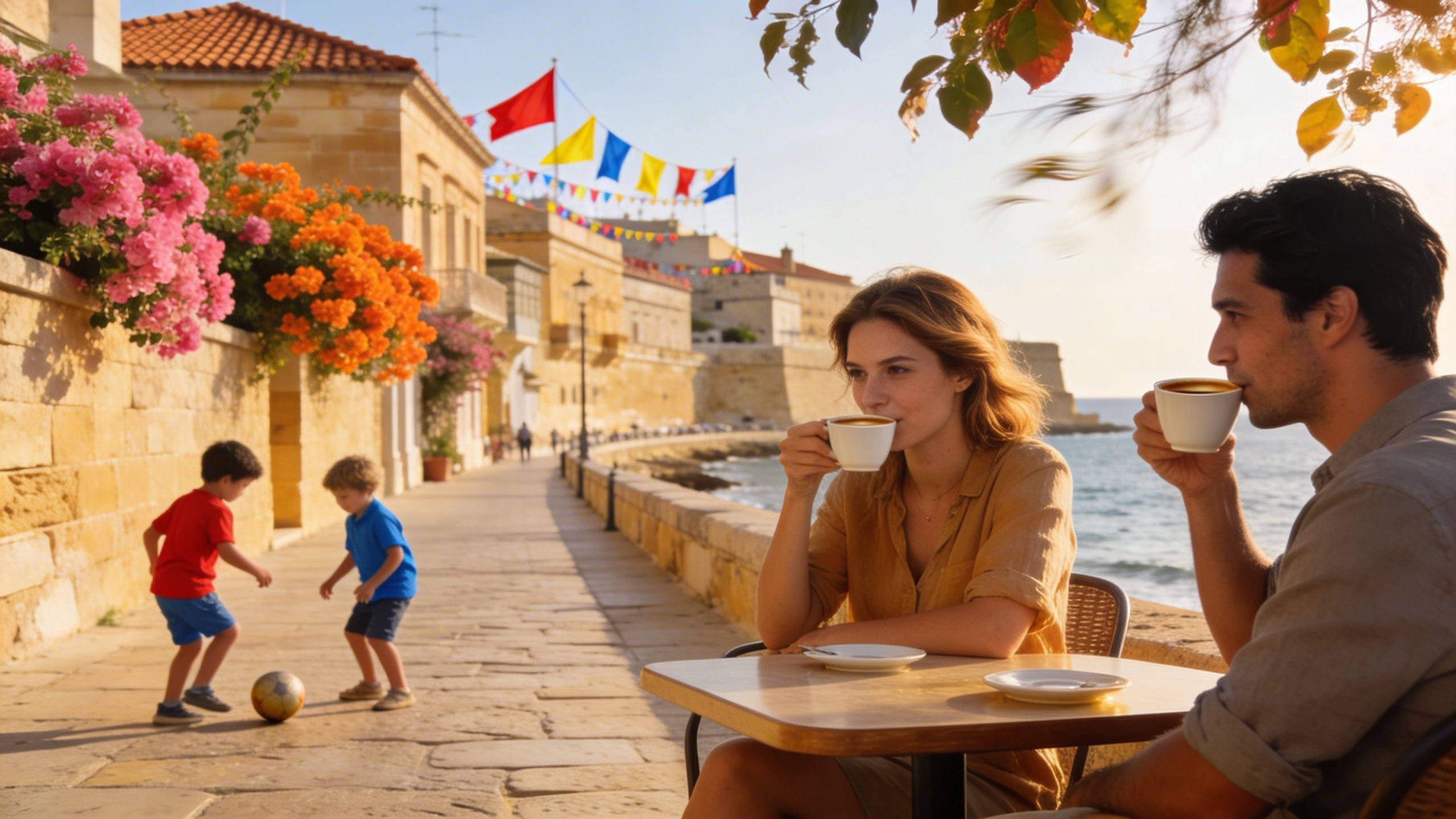
Imagine walking down Sliema’s Strand at dawn, the sea still mirroring limestone facades, past a pastizzi stall where a shopkeeper greets you by name. That sense of quotidian ritual—coffee, conversation, a neighbour’s cat on a balcony—defines how Malta is lived, and why many international buyers end up choosing streets locals have always prized rather than the high‑gloss seafront.
Living Malta: the small‑island rhythm
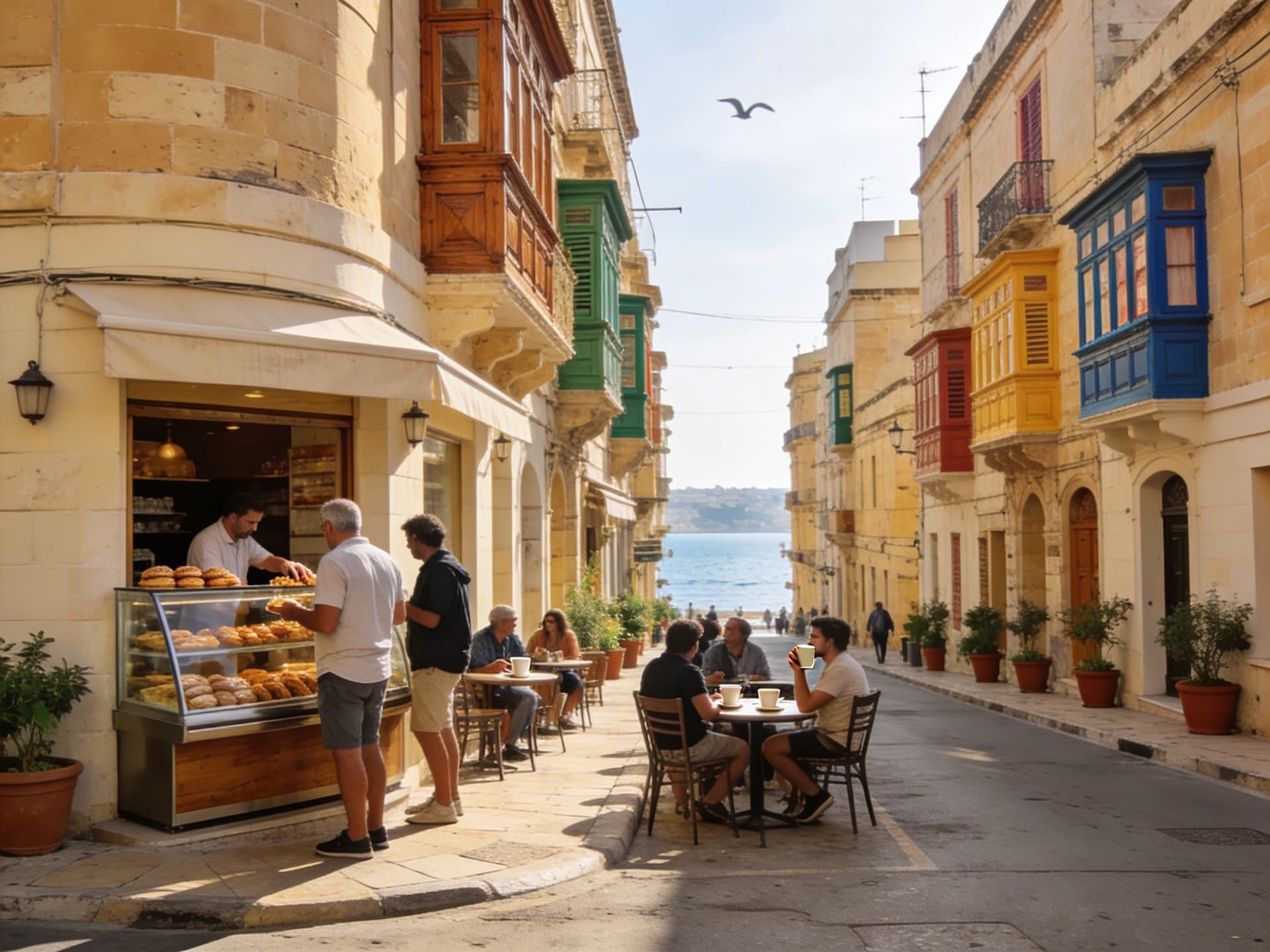
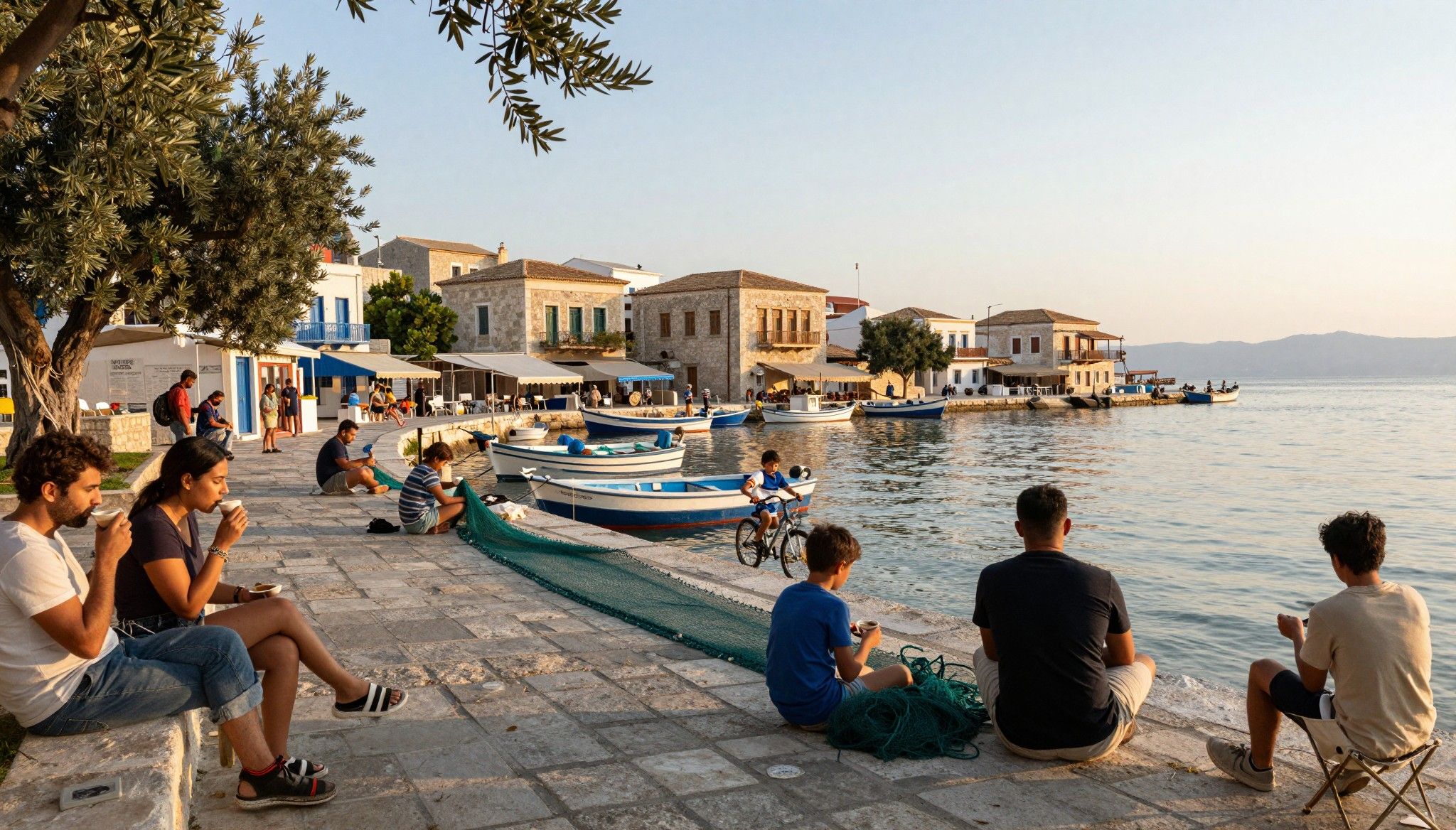
Daily life on Malta is compact and textured: market mornings in Valletta, a late lunch beneath bougainvillea in Mellieħa, and a short evening stroll along spinola bay in St Julian’s. Timing matters—shops close for a long lunch in summer, weekends are built around family and festa schedules—and these rhythms shape what property will feel practical and durable for long stays.
Sliema & Gzira: lived elegance, doorstep convenience
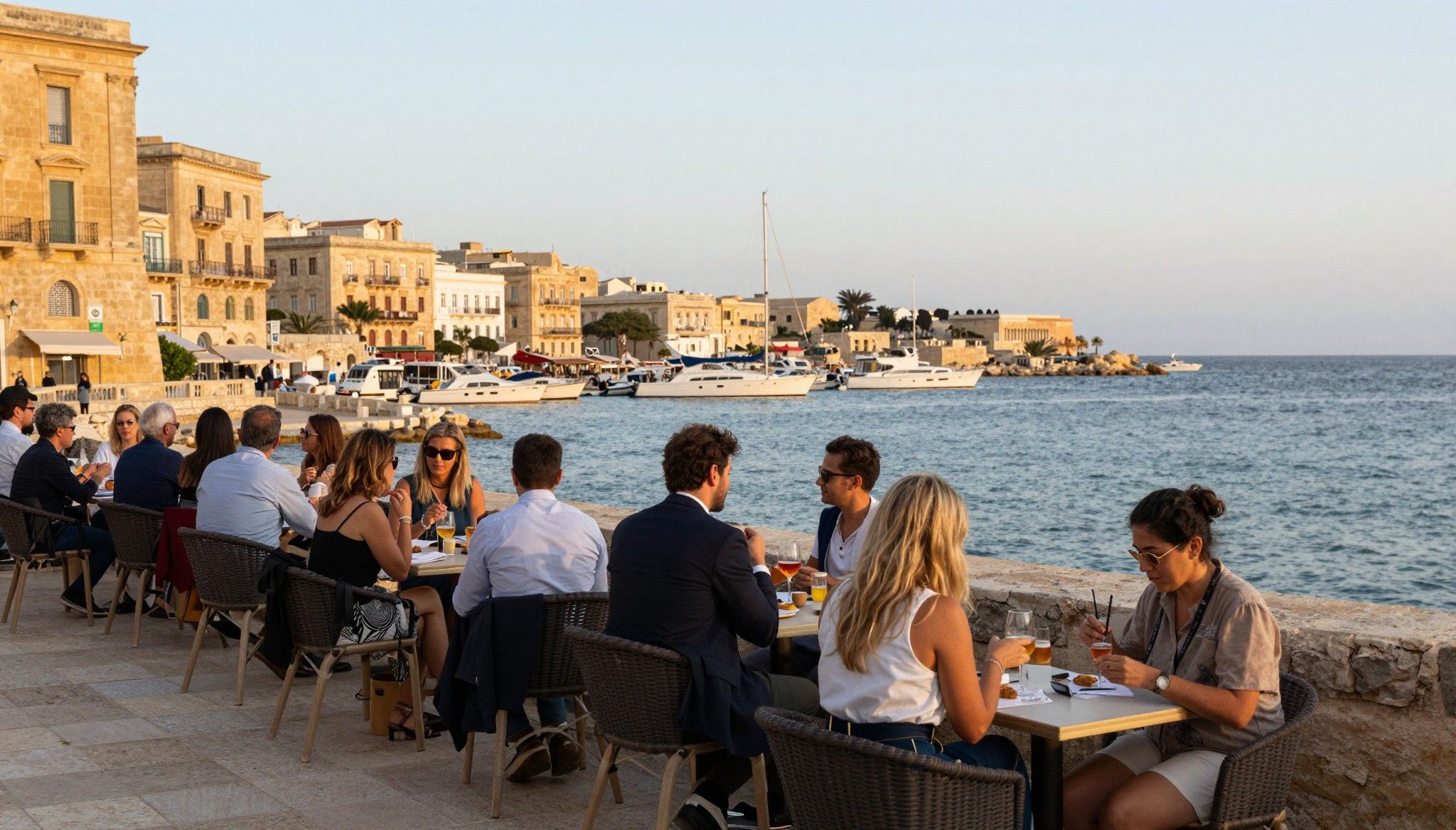
On Sliema’s side streets—Triq Manwel Dimech, Tower Road’s quieter lanes, the lanes around The Strand—stone townhouses and restrained 1960s blocks coexist. Expect bakeries that open before sunrise, independent bookshops, and compact apartments with terraces that catch the evening light. For buyers who want daily life within walking distance, these unfussy streets often outperform the glamorous bay fronts in long‑term satisfaction.
Mdina & Rabat: heritage, stillness, and a very different pace
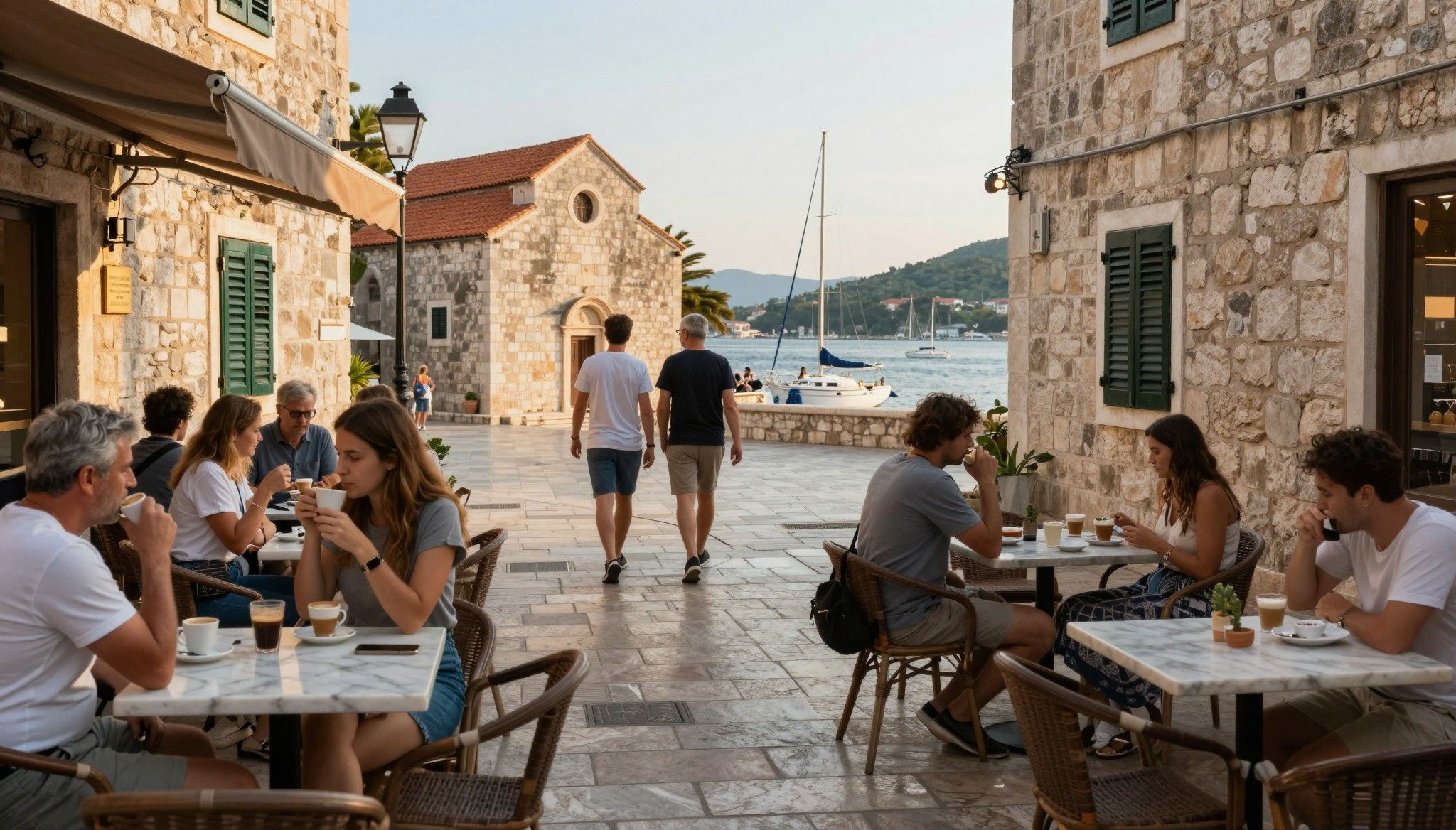
Rabat’s narrow lanes and Mdina’s silent bastions offer a life shaped by history: quiet courtyards, carved stone, and the slow turning of village life. These areas reward buyers who value provenance and craft—restored palazzos or maisonettes with original timber beams—and who accept that everyday errands require a short drive to larger towns.
Making the move: marrying lifestyle with market reality
Malta’s demand profile is compact and persistent. Official figures show residential prices rose notably in recent years, driven by land scarcity and steady demand from both locals and foreigners. That makes neighbourhood selection a principal lever for long‑term value: choose where daily life is best lived rather than where a headline promises immediate glamour.
Property types and how they shape living
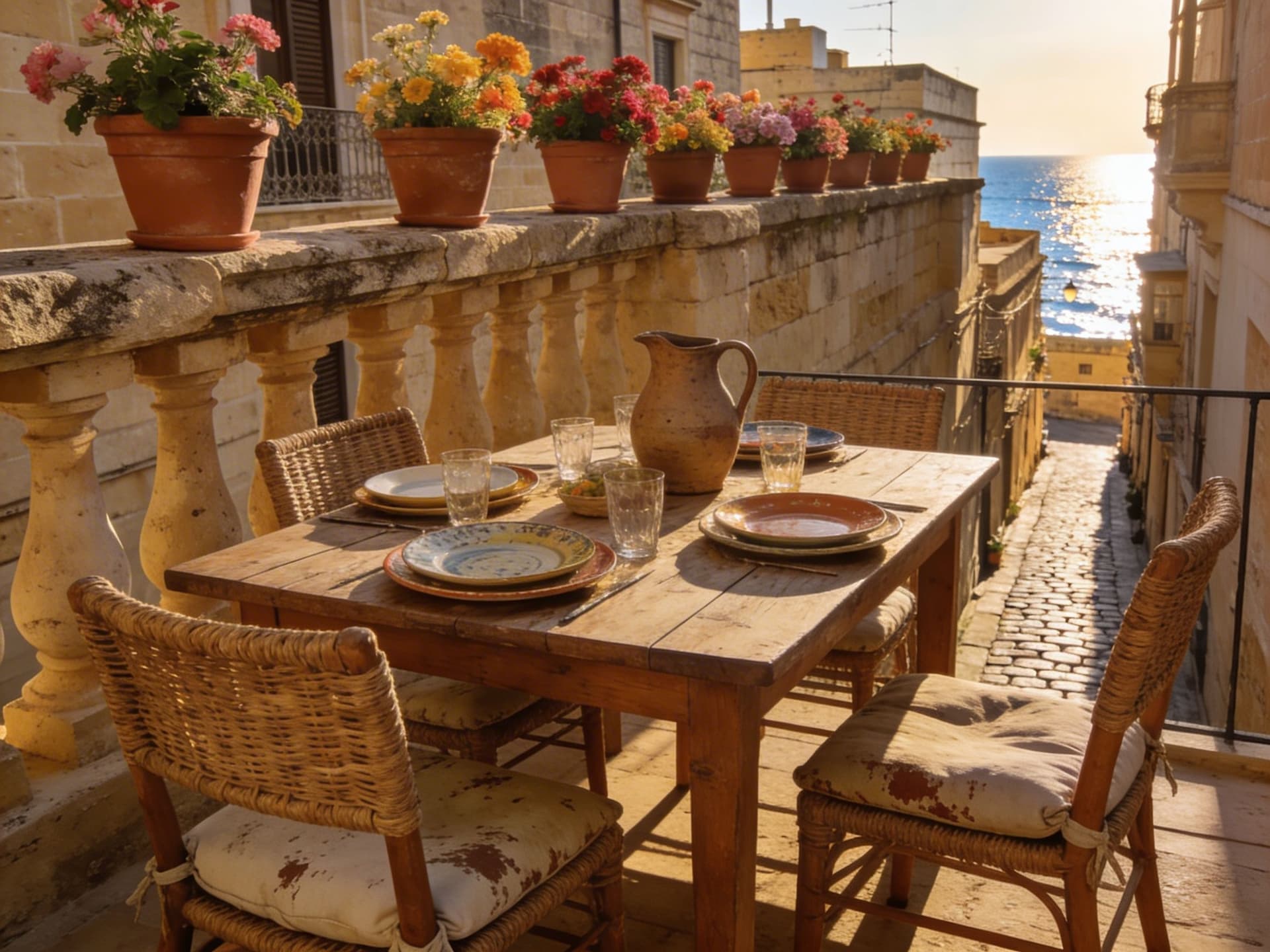
Maisonettes, traditional townhouses, and contemporary apartments answer different lifestyles. A maisonette with a courtyard supports afternoon shade and alfresco dinners; a compact Valletta apartment places you in the centre of cultural life; a Portomaso penthouse offers marina access and concierge‑style living. Match the type to how you spend time: bedrooms for family, terraces for hosting, storage for winter gear if you plan seasonal stays.
How local agents turn lifestyle intent into tangible offers
Work with a firm that knows both the quotidian and the statutory: local agents can point you to streets where neighbourly life remains intact, advise on Special Designated Areas for non‑nationals, and identify properties with authentic materials and quality restoration rather than cosmetic finishes.
Buyers’ checklist: lifestyle + practical factors to weigh
Proximity to daily necessities: morning markets (Is-Suq tal-Belt in Valletta), primary healthcare, and a reliable grocery within a short walk.
Street character: narrow, shaded lanes with traditional stonework tend to preserve community life better than newly polished promenades.
Outdoor living: a terrace or courtyard suitable for alfresco dining and potted mediterranean planting often increases long‑term happiness more than sea views alone.
Insider knowledge: what expats wish they’d known
Expats often arrive expecting endless Mediterranean ease and discover maintenance, neighbourhood politics, and seasonality matter. Summer vitality brings crowds and festivals; winter reveals whether a property is well insulated and connected. The best purchases balance seasonal spectacle with everyday utility.
Language, social customs and building culture
English is an official language, which eases integration, but neighbourhoods have their own social codes: respect for festa schedules, quiet hours on certain streets, and the deference paid to historic façades. Learning a few Maltese phrases and the rhythms of local life accelerates connection.
Long‑term stewardship and what it costs
Official data show persistent price growth, which makes restoration quality and material provenance vital; choose stonework, joinery and services that will wear well in a marine climate rather than finishes that need frequent replacement. Conserving traditional features often adds measurable value and preserves the character beloved by locals.
Steps to take next: a refined approach
1. Spend a week living in potential neighbourhoods at different times of year to feel daily rhythms.
2. Commission a conservation‑minded survey that values craftsmanship as much as square metres.
3. Work with an agent who can introduce you to local artisans and property managers who understand Malta’s microclimates and festa calendar.
If you value daily, lived detail above a postcard view, you will find Malta rewarding. The island’s compactness concentrates cultural life, and the right street—an overlooked lane in Sliema, a restored townhouse in Rabat, a quiet terrace in Marsaxlokk—will repay a buyer who seeks provenance and a life well lived.
Former Copenhagen architect who relocated to Provence, offering relocation services, market analysis, and a curator’s eye for authentic regional design.