Croatia taxes that quietly reshape property choice
How Croatia’s recent tax changes—from VAT on new builds to variable municipal property levies—shift where and how international buyers should invest in homes.
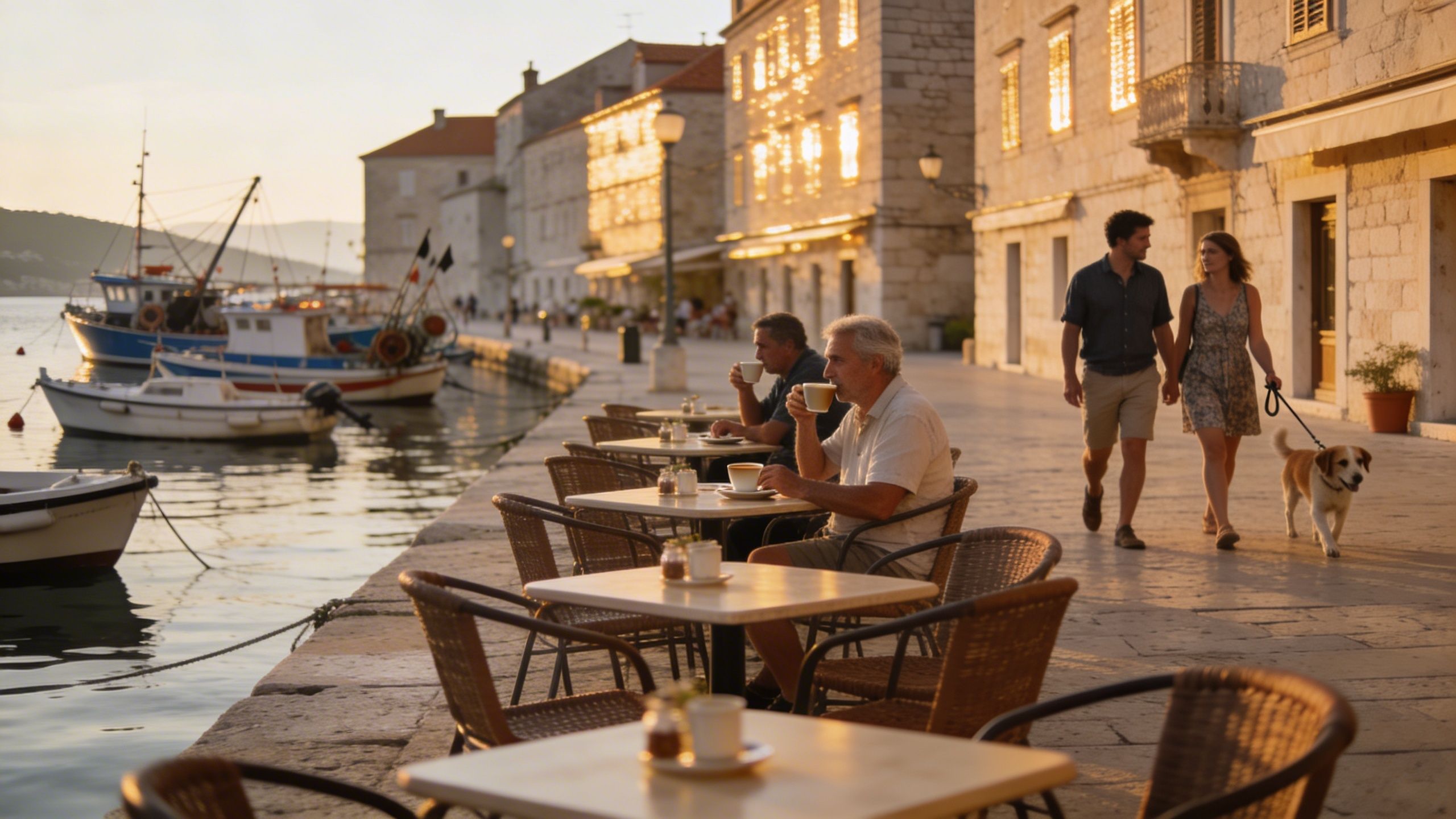
Imagine an afternoon in Split: espresso on a shaded terrace in Varoš, fishermen hauling nets at the Riva, and a narrow stone stairwell that leads to a compact apartment with a view of the Adriatic. That lived-in intimacy is why buyers come to Croatia. Yet recent tax changes and local levies quietly shift which neighbourhoods feel like a sensible home and which become costly experimentations. Understanding those shifts keeps the dream affordable and the stewardship sensible.
Living the Croatia lifestyle
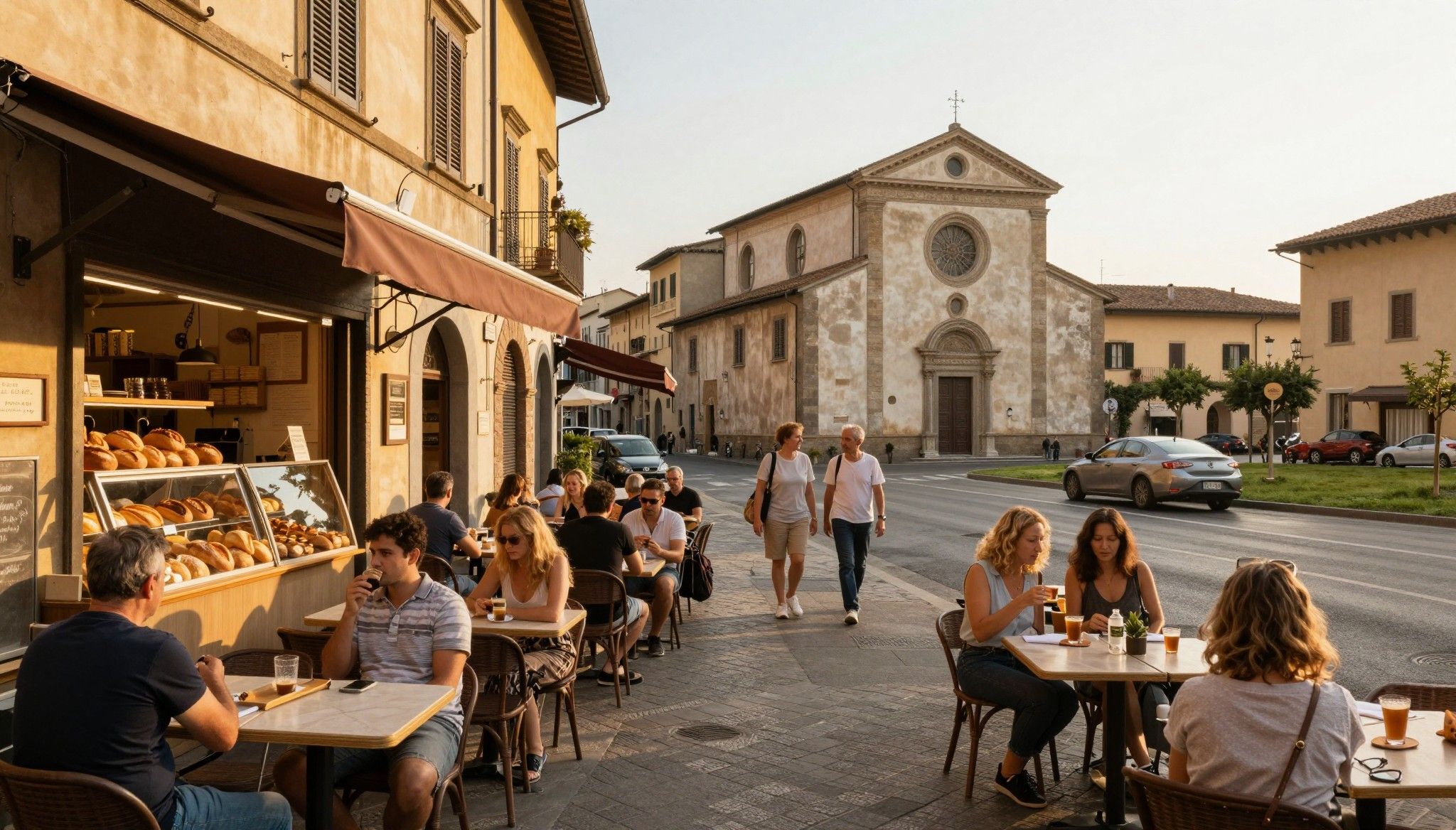
Croatia moves at the cadence of seasons. Summers bring crowded promenades in Dubrovnik and Split, while autumn and spring reveal olive harvests in Istria and quiet mornings in secluded Dalmatian coves. Daily life balances market rhythms, café culture and a preference for modest, well-crafted homes—stone facades, shuttered windows and terraces that extend living outdoors. For international buyers the appeal is not only scenery but a tangible civic rhythm: neighbourhood boulangeries, municipal piazzas, and an artisanal food culture that frames ordinary days as lasting pleasures.
Zagreb lanes and Dalmatian coast: contrasting moods
Zagreb’s Upper Town is a measured, museum-like respite—tree-lined streets, cafés near Strossmayer Promenade and apartments with classical proportions—while coastal towns (Hvar, Trogir, Cavtat) offer limestone courtyards, terraces and a day‑to‑day life organised around the sea. Which environment suits you will determine the property type you prioritise—and therefore the taxes and ongoing costs you should plan for.
Markets, meals and the year’s rhythm
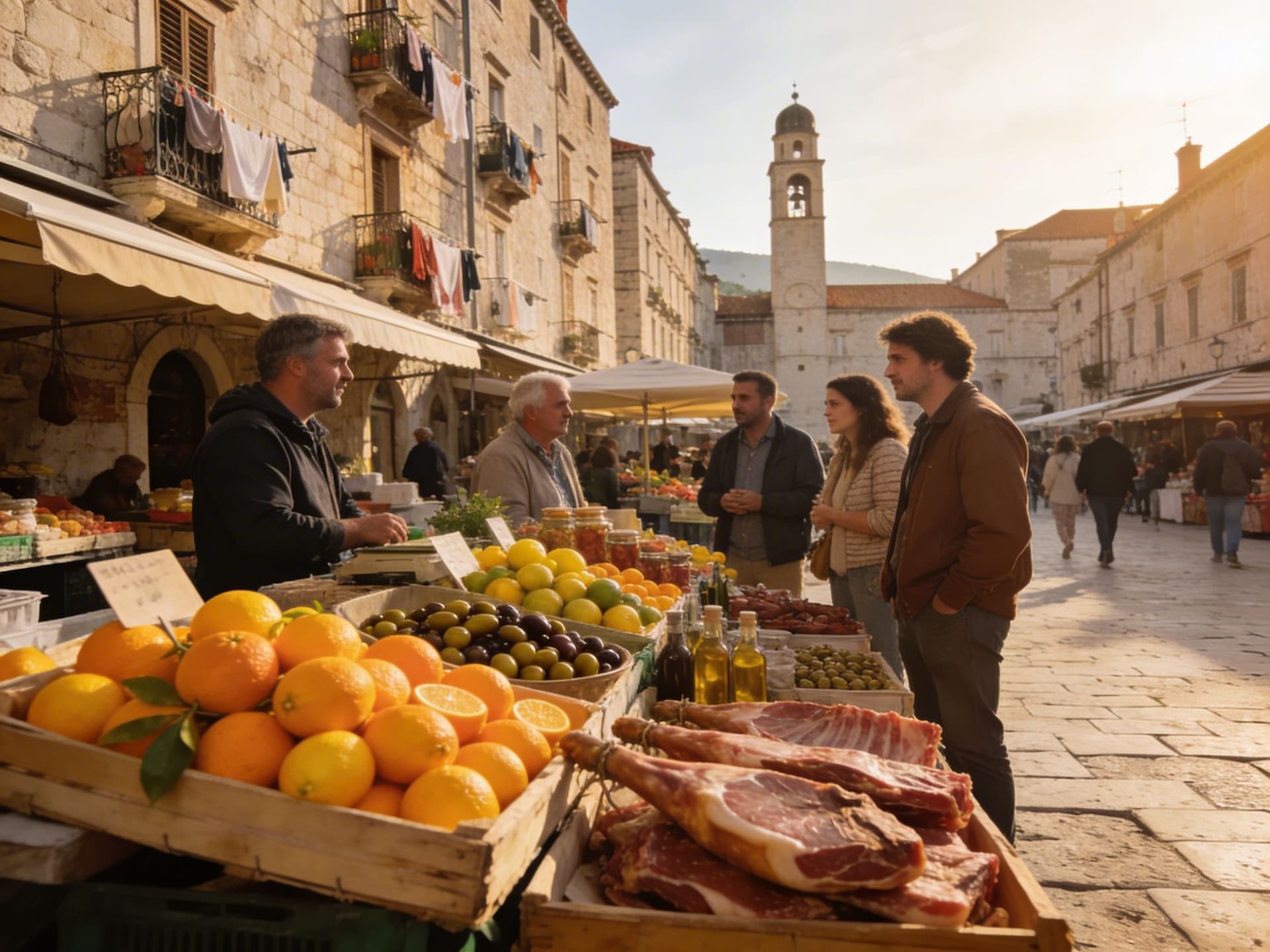
Weekends mean farmers’ markets—Dolac in Zagreb, Pazar in Split—and long lunches of grilled fish or Istrian truffles in Motovun. Festivals from Dubrovnik Summer Festival to local santo days transform small towns into moments of intense conviviality; these events also have practical implications for short-term rental demand and seasonal municipal charges that influence yield calculations.
- Lifestyle highlights: Dolac market (Zagreb); Riva promenade (Split); Pjaca and Stradun (Dubrovnik); Motovun truffle walks; Brijuni boat excursions.
Making the move: where lifestyle meets tax reality
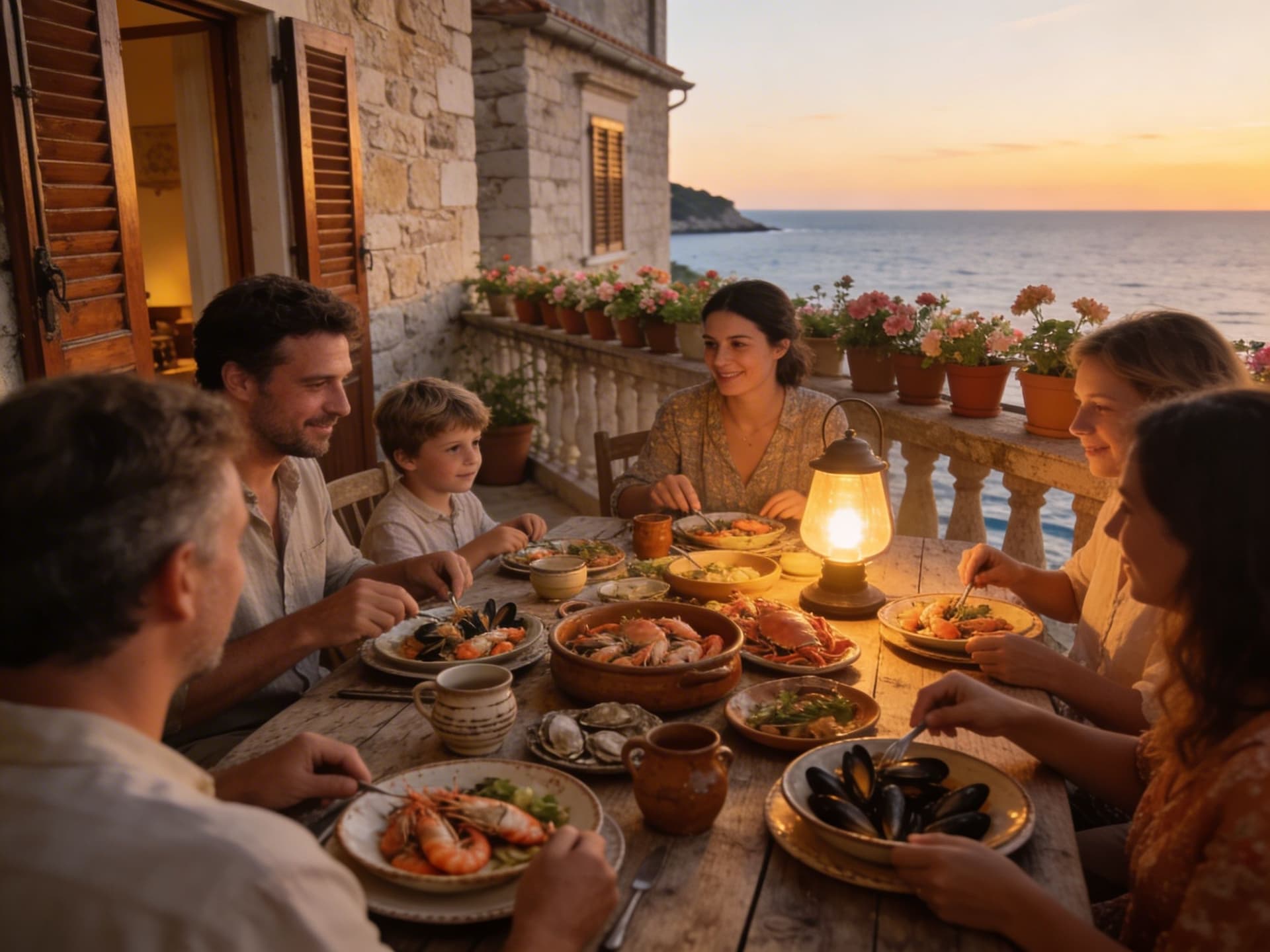
That terrace you imagine comes with specific fiscal textures: transfer taxes, VAT on new builds, evolving annual property levies and municipal property tax decisions that vary by town. Knowing how those costs are applied alters where a purchase yields the lifestyle you expect and where it becomes unexpectedly costly.
Property taxes that matter—what's new and why it changes location choice
From 2025 the real estate transfer tax remains a flat 3% on resale purchases; new builds are typically subject to VAT (25%) rather than transfer tax. Additionally, an introduced property tax—applied at municipal discretion and ranging broadly—can materially affect holding costs, especially in popular coastal municipalities where rates reach several euros per square metre. These levies shift the balance between buying near the water and choosing quieter inland towns with lower ongoing taxes. (Sources: government and market reports.)
Property styles and what they offer the way you live
Stone townhouses and renovated stone farmhouses offer intimacy and lower running costs in winter; new-build apartments offer modern conveniences but carry VAT that raises the initial outlay. In Istria and Kvarner, the premium for new builds has softened, whereas in southern Dalmatia new-build premiums remain pronounced—meaning your choice of architecture and region directly impacts tax exposure and long-term value. Choose a property type that aligns with how often you will use it and whether you intend to let it seasonally.
- Steps to align lifestyle with tax strategy: 1) Decide primary use (full-time residence, seasonal retreat, rental) to determine whether VAT or transfer tax applies. 2) Compare coastal municipal property tax rates—ongoing levies can erase rental yield. 3) If considering a new build, include VAT (25%) in acquisition math and compare to resale plus 3% transfer tax. 4) Obtain a local appraisal—tax authorities may revalue transactions and adjust transfer tax. 5) Engage a local tax adviser to structure ownership (individual, company) for rental or inheritance planning.
Insider knowledge: expat realities and red flags
Expats often underestimate municipal variation and seasonal regulation. A seafront apartment may be subject to higher property tax, stricter rental rules and municipal tourism levies; an inland stone house may provide gentler ongoing costs and a steadier community life. Non-EU buyers should also confirm whether any additional approvals are required—timelines differ and can affect when you take formal ownership.
Cultural integration and practical community notes
Croatians prize understatement and provenance. Engage with local markets, learn a few phrases, and frequent cafés—these are the social spaces where neighbourly trust is built and where practical advice about maintenance, local contractors and informal rules is shared. Such connections often save money and preserve the character—and therefore the long-term value—of properties.
Long-term stewardship: inheritance and ownership structuring
For buyers intending property to remain in the family, consider Croatian inheritance rules and whether owning through a company or trust suits your tax and estate planning goals. Legal structuring can moderate transfer costs and simplify succession, but it requires local legal counsel to align with Croatian law and bilateral tax treaties.
- Red flags to watch for: • Municipal property tax rates above €3/m² in sought-after coastal areas. • Sellers quoting prices 'VAT included' without clear invoice documentation. • Lack of recent energy certificates or unresolved communal debts. • Contracts drafted only in Croatian without certified translation—subtle obligations can be missed.
Conclusion: buy for the life you want, with the taxes that follow it
Croatia rewards those who buy with an eye to seasons, community and stewardship. Start with the lifestyle you cannot live without—morning markets, a quiet sea view, or an inland orchard—and then map tax consequences: VAT versus transfer tax, municipal property rates and rental rules. A local agency with tax expertise will translate that map into a shortlist of streets where your vision and the fiscal reality meet.
Dutch former researcher who moved to Lisbon, specialising in investment strategy, heritage preservation, and cross-border portfolio stewardship.