Greece: Sensory Costs and Market Realities
A lifestyle-led comparison of Greece’s regions that balances the sensory allure of island and city life with practical cost realities and recent market changes.
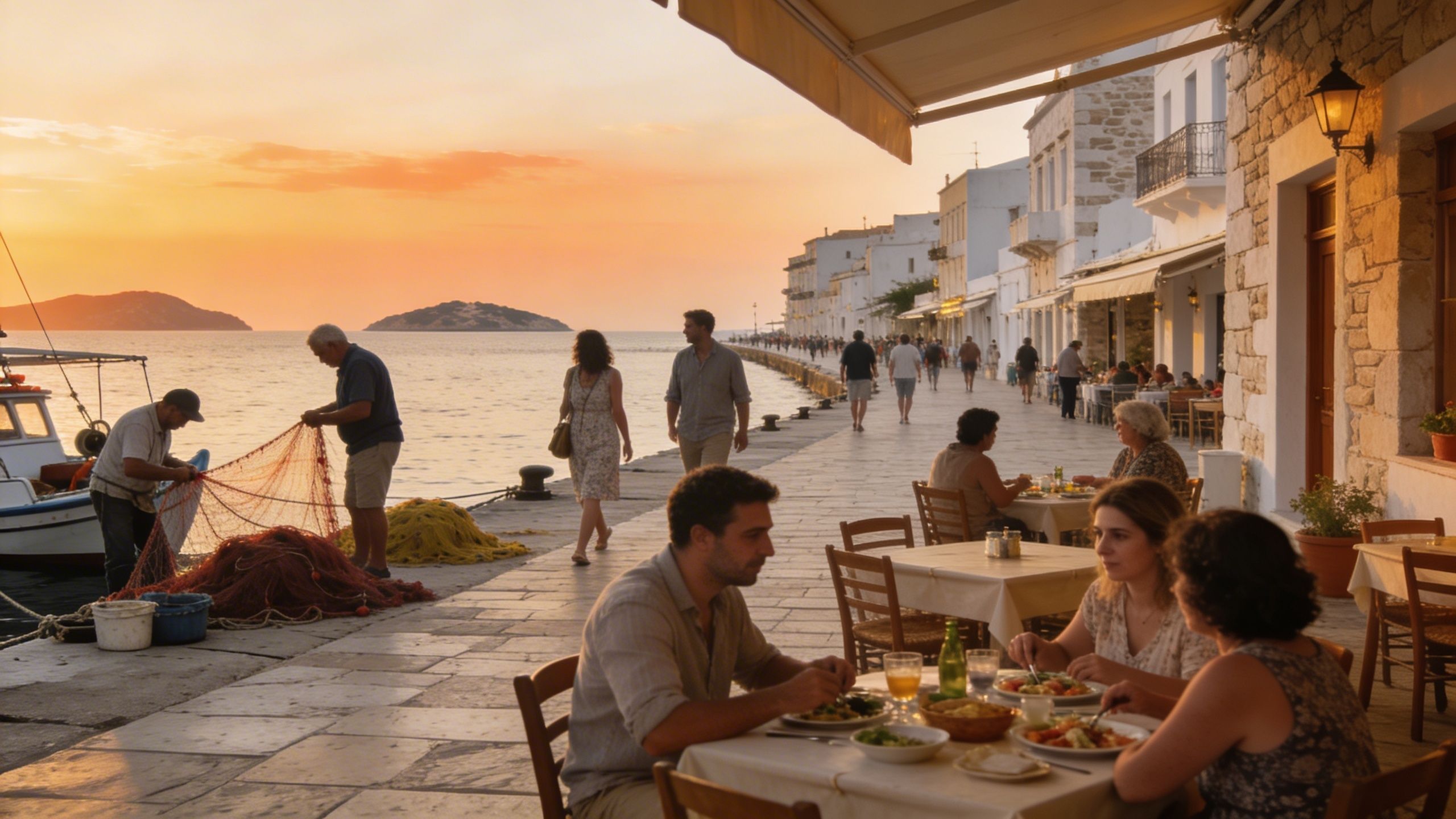
Imagine opening your shutters in a stone-lined Athens courtyard at dawn, the smell of ground coffee rising from the kafeneío across the lane, while a fisherman’s boat cuts a pale line along the Aegean horizon two hours away. Life in Greece arranges itself around small, deliberate pleasures — morning markets, late dinners that linger, and public life that happens on streets and squares rather than behind closed doors. Those rhythms shape the types of properties locals value: compact urban apartments with light and proportion, island houses with terraces and cooling breezes, and farmhouses where land and provenance matter. For international buyers this sensory life is the reason to come; the practical questions that follow — costs, timing, bureaucracy — determine whether that life will fit a portfolio or become home.
Living the Greece lifestyle
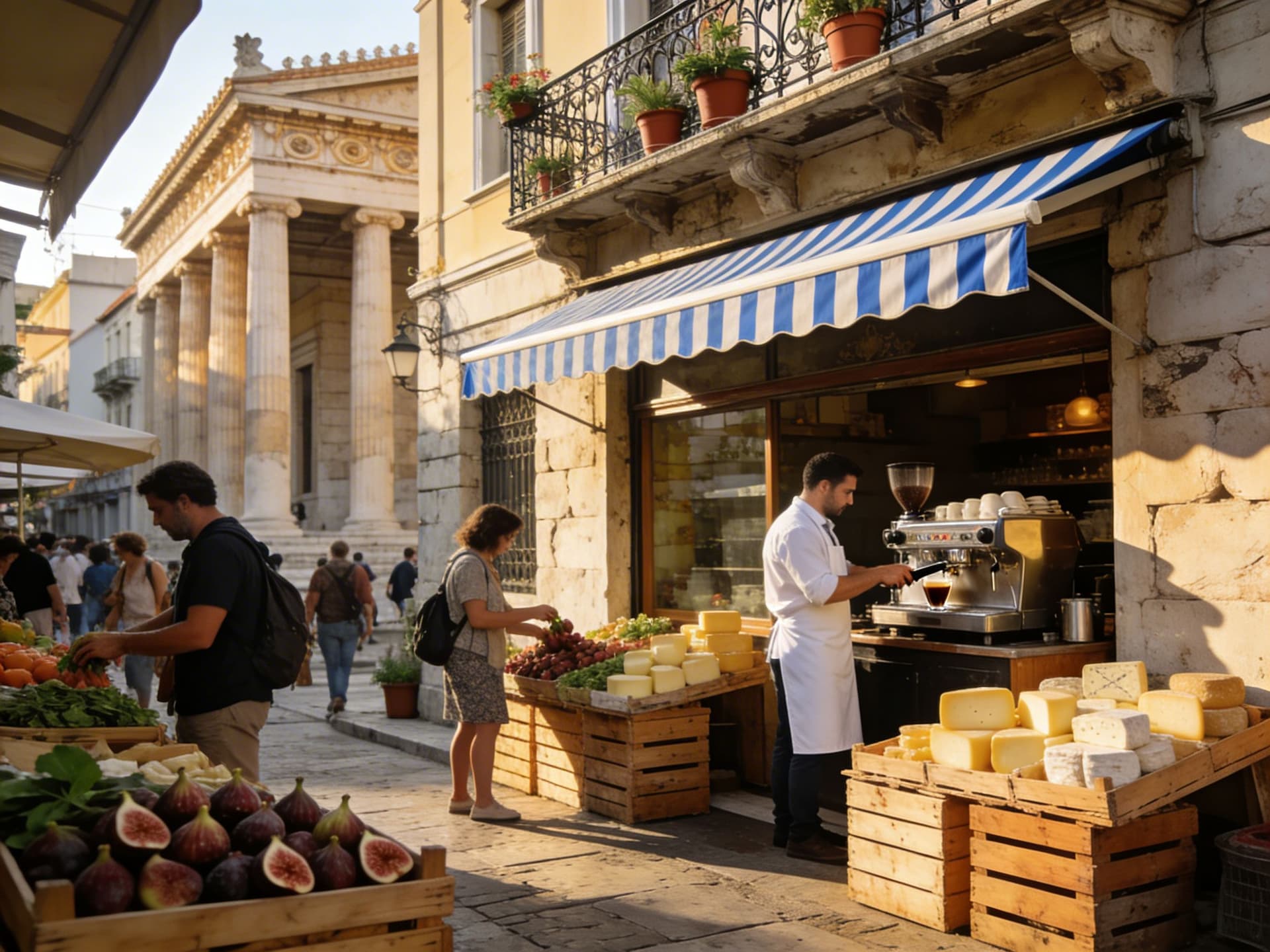
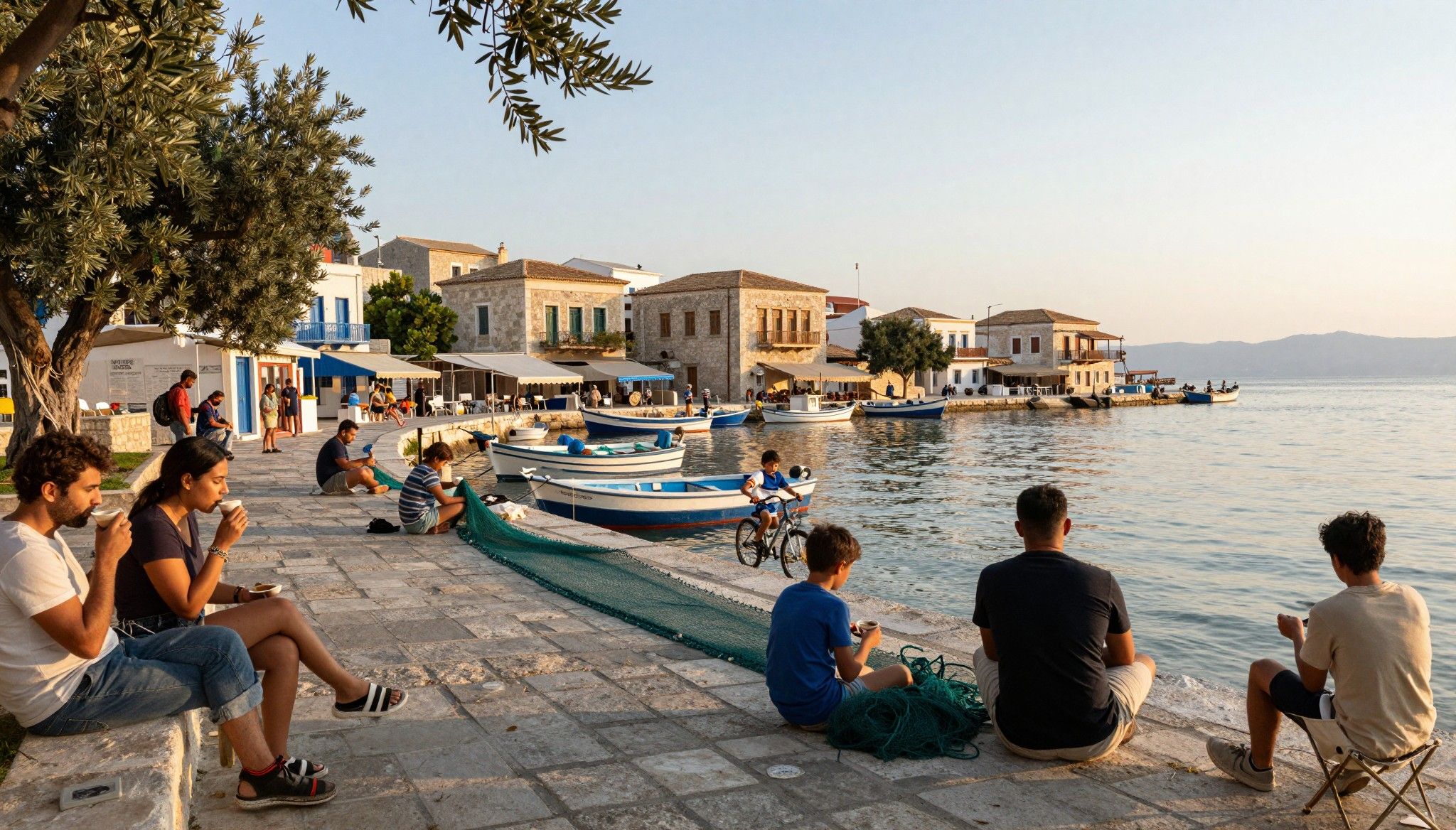
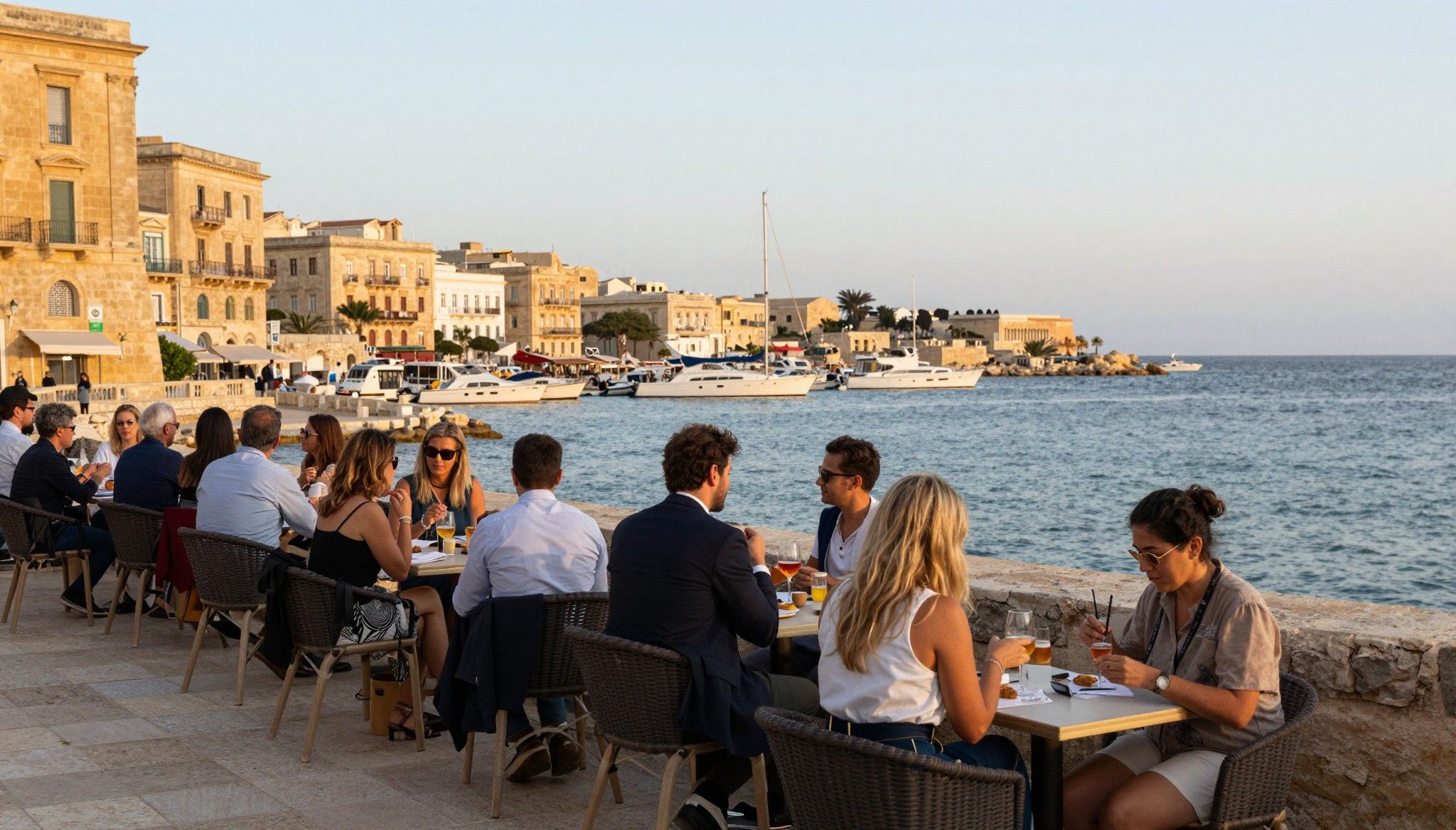
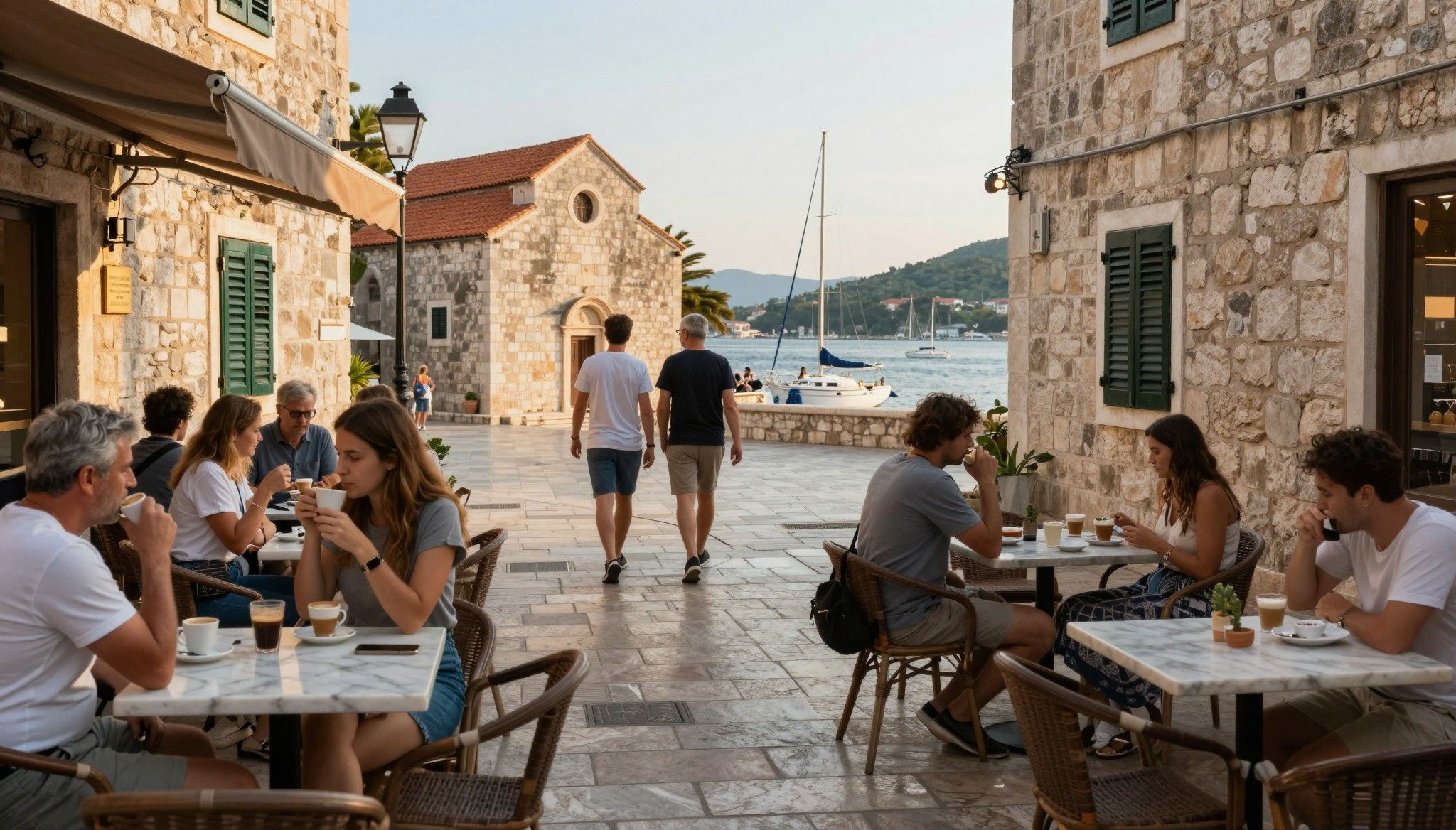
Daily life in Greece is a balance of interior calm and public sociability. In Athens, narrow streets around Kolonaki and Koukaki host early-morning bakers and late-night tavernas; on Mykonos and Santorini, whitewashed volumes and cliffside terraces refract light and encourage outdoor living. The Mediterranean climate means much of life happens outdoors: balconies become second living rooms, neighbourhood squares function as extended dining rooms, and seaside promenades organize the weekend. Understanding those habits — where people eat, shop and congregate — is as important as understanding price per square metre when judging a property’s fit.
Athens neighbourhoods: from Kolonaki to Piraeus
Kolonaki rewards those who prize refinement: neoclassical façades, quiet galleries and boutique cafés on streets such as Anagnostopoulou. Koukaki, by the Acropolis, is both residential and convivial — think tavernas on Drakou and artisan shops on Veikou. For buyers seeking maritime life without island logistics, Piraeus and the southern suburbs (Voula, Glyfada) offer promenades, marinas and larger terraces — though prices and community character shift markedly from one walkable quarter to the next. Visit on market days and evenings to feel the difference between a neighbourhood that performs for visitors and one that sustains daily life.
Islands and regions: rhythm and seasonality
Islands behave like small countries: life on Naxos or Paros moves at marketplace speed, while Mykonos and Santorini pulse with international tourism and commanding premiums. The new residency thresholds introduced in 2024 make a practical difference: many islands now sit in a higher investment tier, which affects demand and therefore both asking prices and rental dynamics. Seasonality is real — winter months can feel almost deserted in some islands, revealing a property’s insulation, heating and year-round accessibility as crucial considerations rather than aesthetic luxuries.
- Local highlights to experience before buying: morning at Varvakios Market (Athens), espresso at Little Kook (Psirri), sunset on Oia’s ridge (Santorini), a stroll along Ermou Street, fresh seafood in Limeni (Mani), weekly village markets on Crete.
Making the move: practical considerations
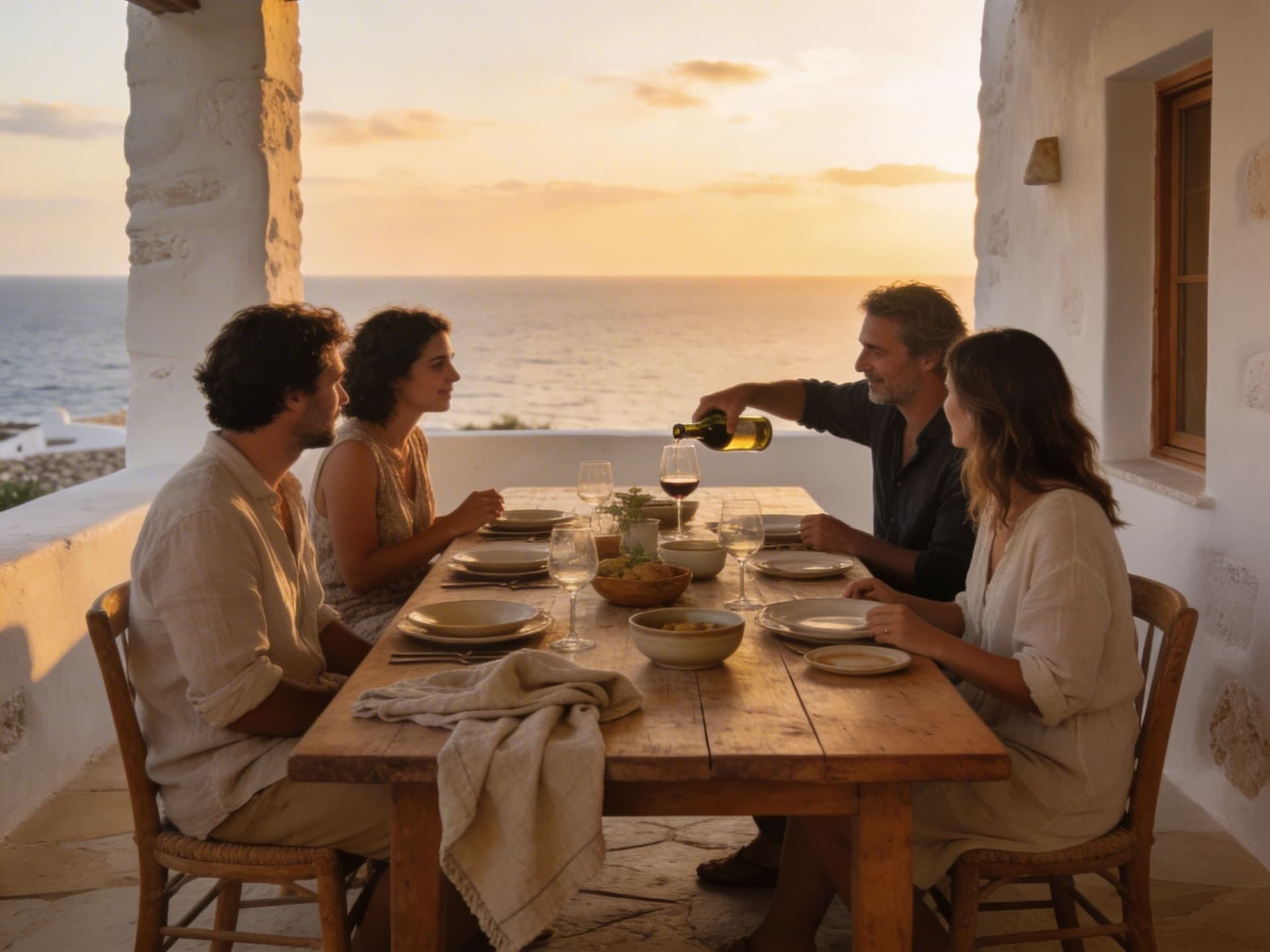
The romance of Greek life collides with specific market realities: rising prices in sought-after zones, revised residency thresholds, and a system that rewards local knowledge. Recent market reports show continuing upward pressure on values in popular regions even as central Athens shows varied micro-trends; simultaneously, legislative changes to residency-by-investment have shifted buyer profiles and liquidity. For an international buyer, timing, region and agency expertise matter as much as the property’s aesthetic qualities.
Property styles and what they mean for living
Stone village houses, neoclassical Athens residences, modern island villas and renovated olive‑grove farmhouses each afford different ways of living: a restored neoclassical offers formal rooms and high ceilings suited to collections and entertaining; an island cave house prioritises terraces and cooling cross‑ventilation; a modern villa may offer insular privacy and systems that reduce winter costs. Match the typology to how you plan to live year‑round: entertaining, letting, retirement, or seasonal use.
How local experts turn lifestyle into a durable purchase
- 1. Prioritise agencies with proven local restoration and island logistics knowledge — they understand heating, insulation and water procurement. 2. Ask for neighbourhood case studies: request nearby recent sales, tenant profiles and seasonal occupancy data. 3. Insist on an energy performance and building‑fabric survey for older buildings; these determine winter costs more than advertised square metres. 4. Confirm Golden Visa eligibility (where relevant) before assuming a property will qualify; islands over 3,100 residents and regions such as Attica require higher thresholds. 5. Integrate lifestyle costs — utilities, island ferry frequency, private water supply — into annual operating budgets rather than treating them as incidental.
Insider knowledge: what expats wish they'd known
Expat owners often speak of two surprises: the practicalities of year‑round life, and the hidden operating costs that come with island living or older buildings. Public sector rhythms — strikes, municipal service schedules — shape daily life and can affect maintenance and planning. Meanwhile, inflation and wage debates have pressed living costs, so realistic budgeting for groceries, services and domestic help is essential. Those who integrate into local routines — morning shops, seasonal festivals, municipal calendars — find life both more economical and more rewarding.
Cultural integration and the social ledger
Learning basic Greek will transform neighbourhood access. Hospitality, reciprocity and small favours matter: builders, municipal clerks and neighbours respond to courtesy and presence. Engage a local architect or conservator when considering restoration; their local knowledge of materials, permits and seasonal construction windows reduces risk and uncovers authentic value. Finally, plan for different cadences of life: an island that is vibrant in July may feel close to a village in January — a quality some buyers prize and others find unsettling.
Thinking long term: Greek property tends to reward stewardship. Buildings with provenance and thoughtful restoration preserve capital better than speculative new builds in tourist hot spots. For buyers motivated by heritage, seek properties with documented restorations, original features (stonework, timber beams, tile patterns) and legal clarity on land or communal rights. For those balancing letting income and home use, focus on neighbourhoods with year‑round life rather than purely seasonal demand.
If the life you imagine begins with a café table and an afternoon walk by the sea, Greece will reward that imagination. But the smallest decisions — which island, which street, whether the house has solid insulation — shape the everyday. Begin with a few lived visits, commission neighbourhood-level data from a reputable agency, and treat the purchase as the start of a relationship. When you pair refined taste with local expertise you can secure both a beautiful home and a sustainable lifestyle.
Dutch former researcher who moved to Lisbon, specialising in investment strategy, heritage preservation, and cross-border portfolio stewardship.