Croatia: Lifestyle‑First Buying & the Reciprocity Reality
Live the Adriatic life—then plan for it: how Croatia’s coastal rhythms, reciprocity rules for non‑EU buyers and recent market trends shape smart purchases.
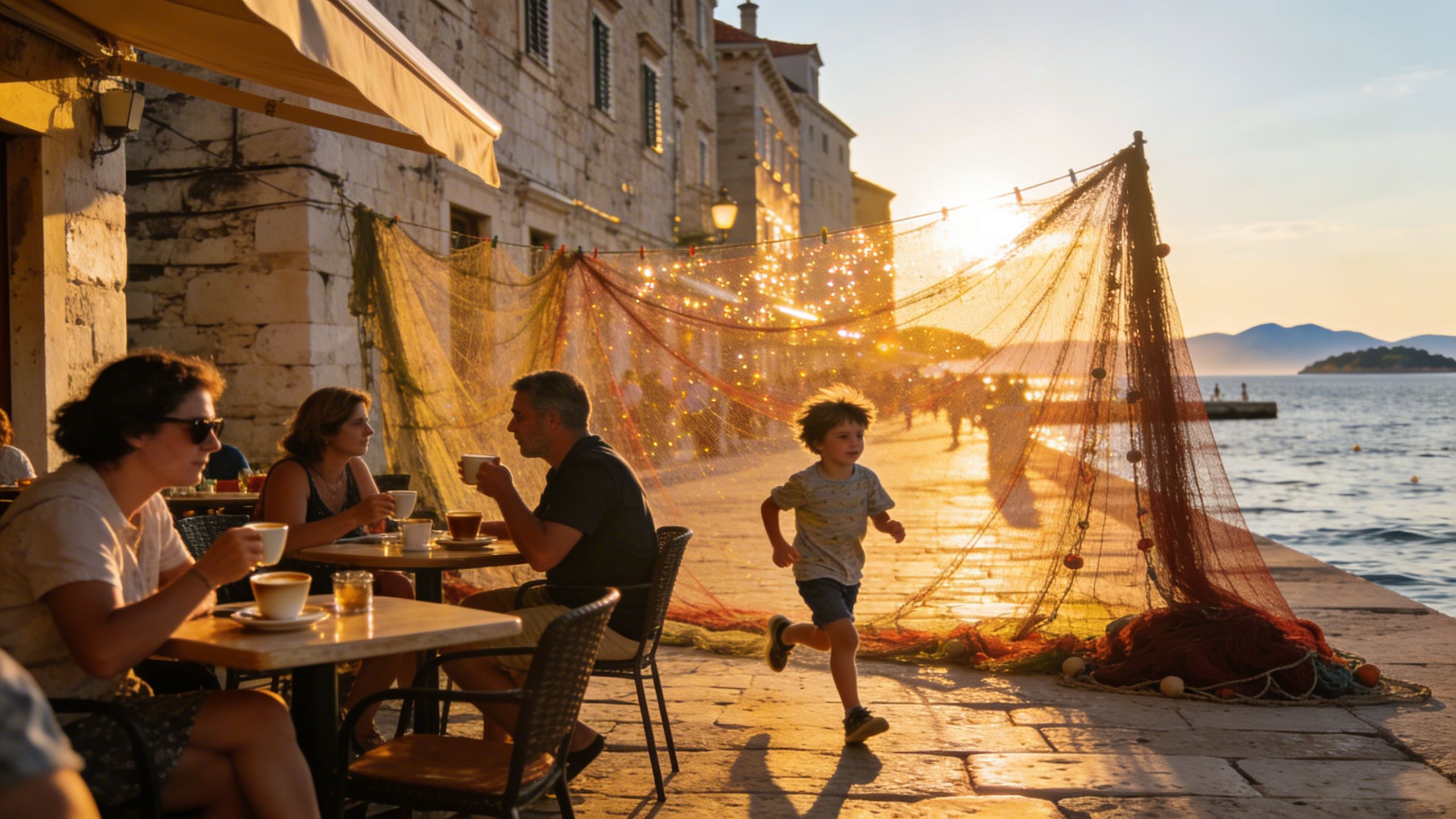
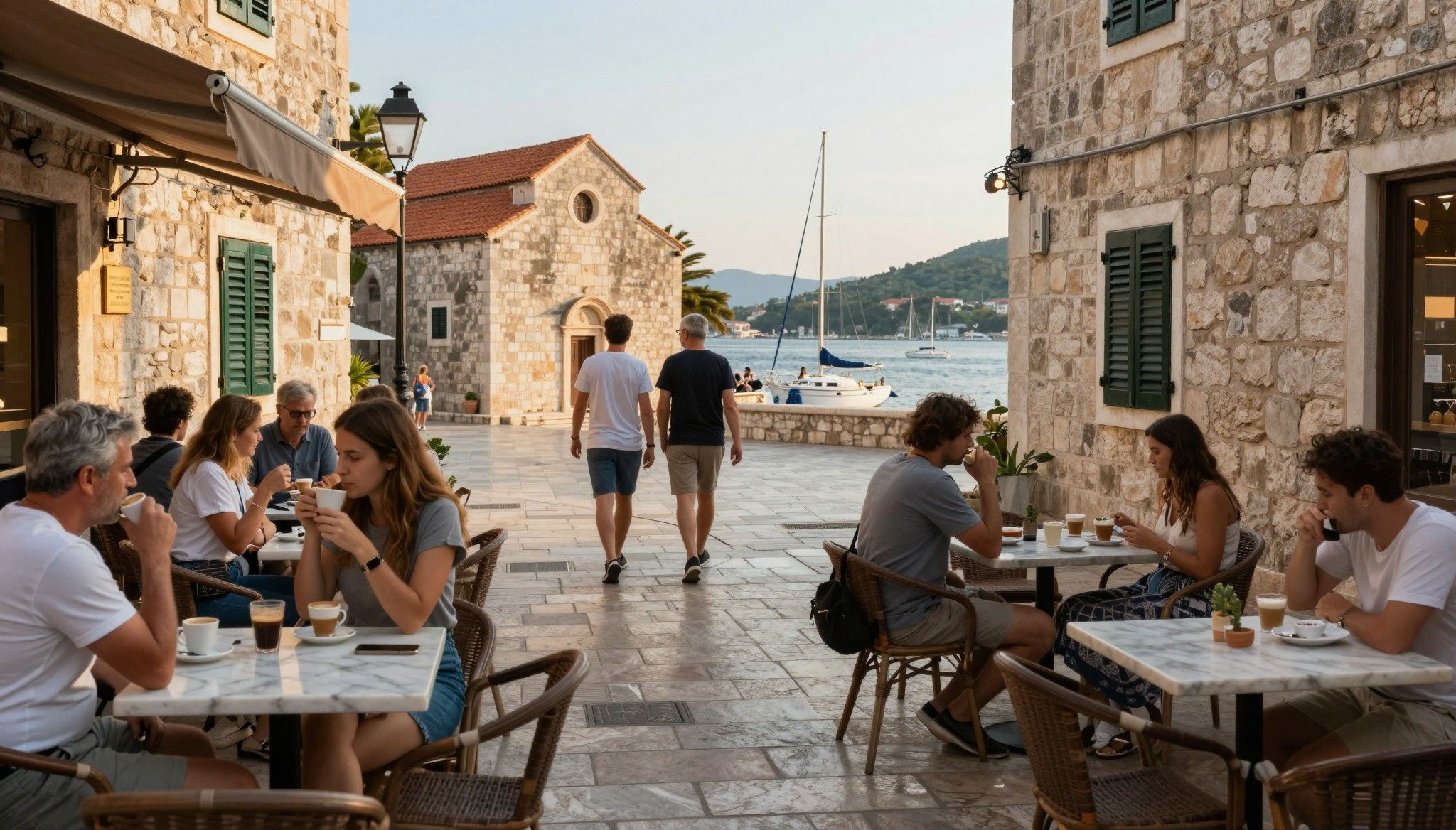
Imagine a late‑afternoon espresso on Split’s Riva, the salt and lemon in the air, a stone stairway leading to a shuttered townhouse that might be yours. Croatia’s coast has an economy of texture—pebble beaches, Roman wells, and olive trees—yet the legal path to owning one of these properties often requires as much patience as pleasure. This guide pairs the sensory life of Croatia with the precise legal steps and local realities international buyers actually face.
Living the Croatia lifestyle
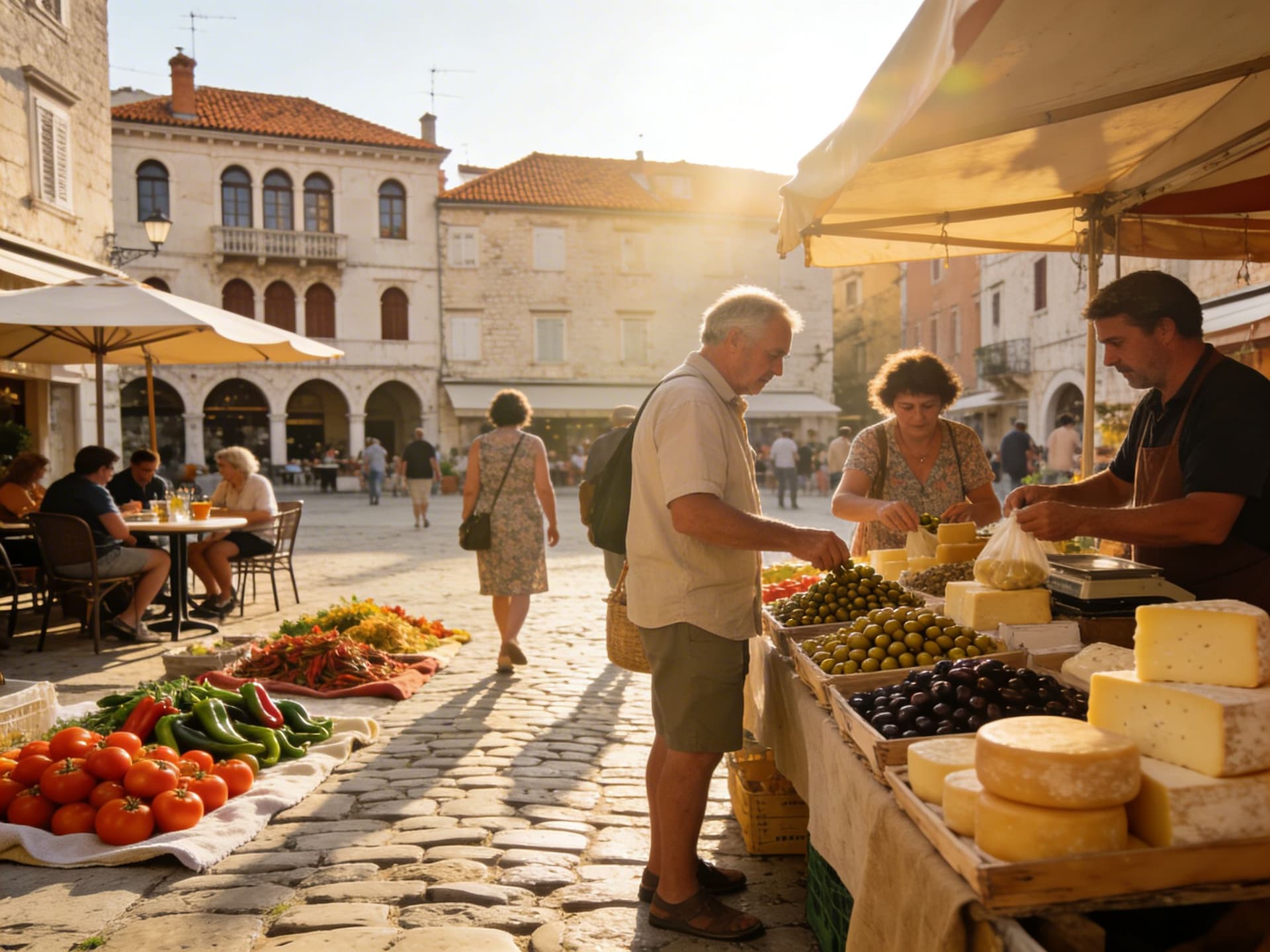
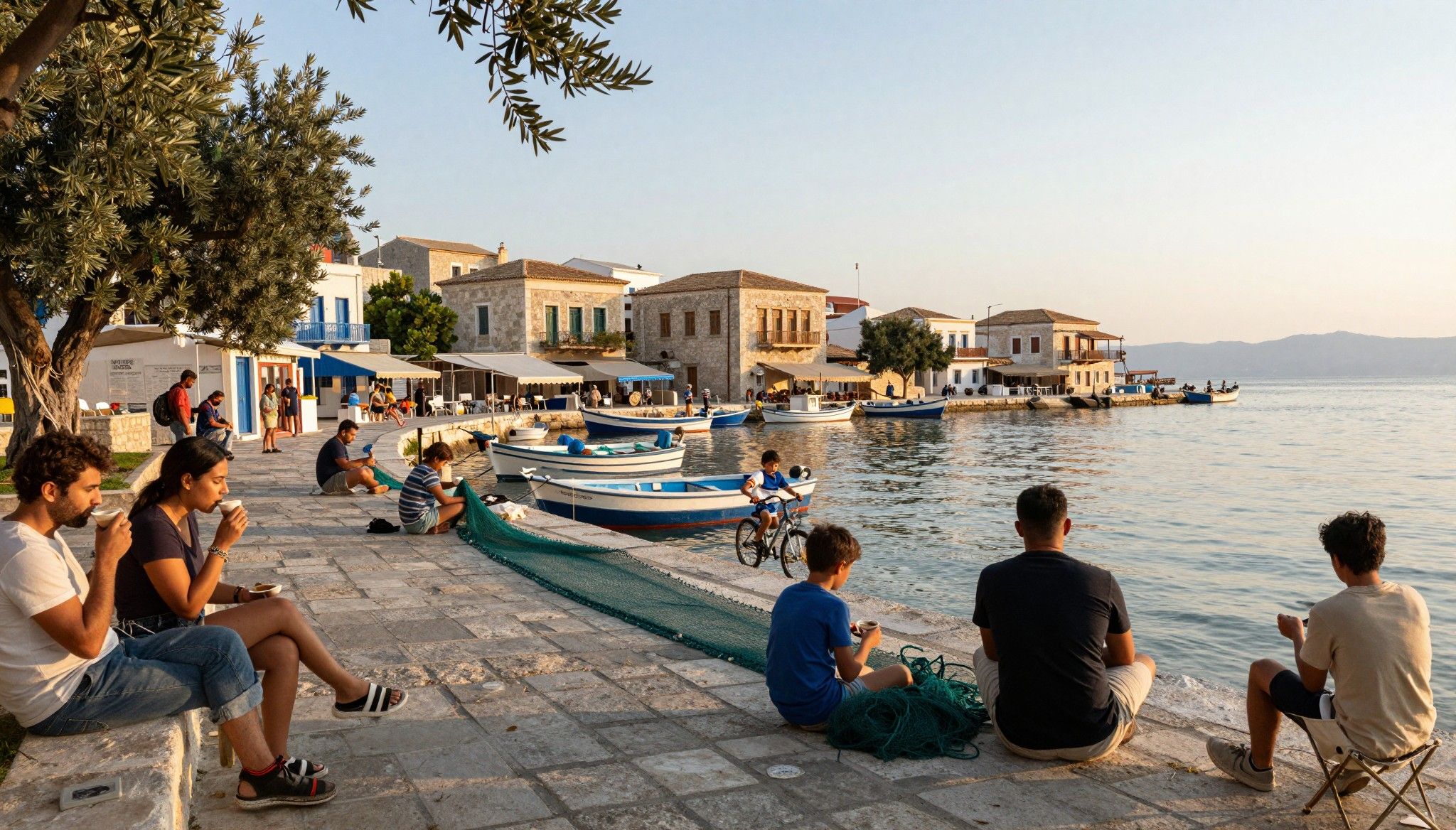
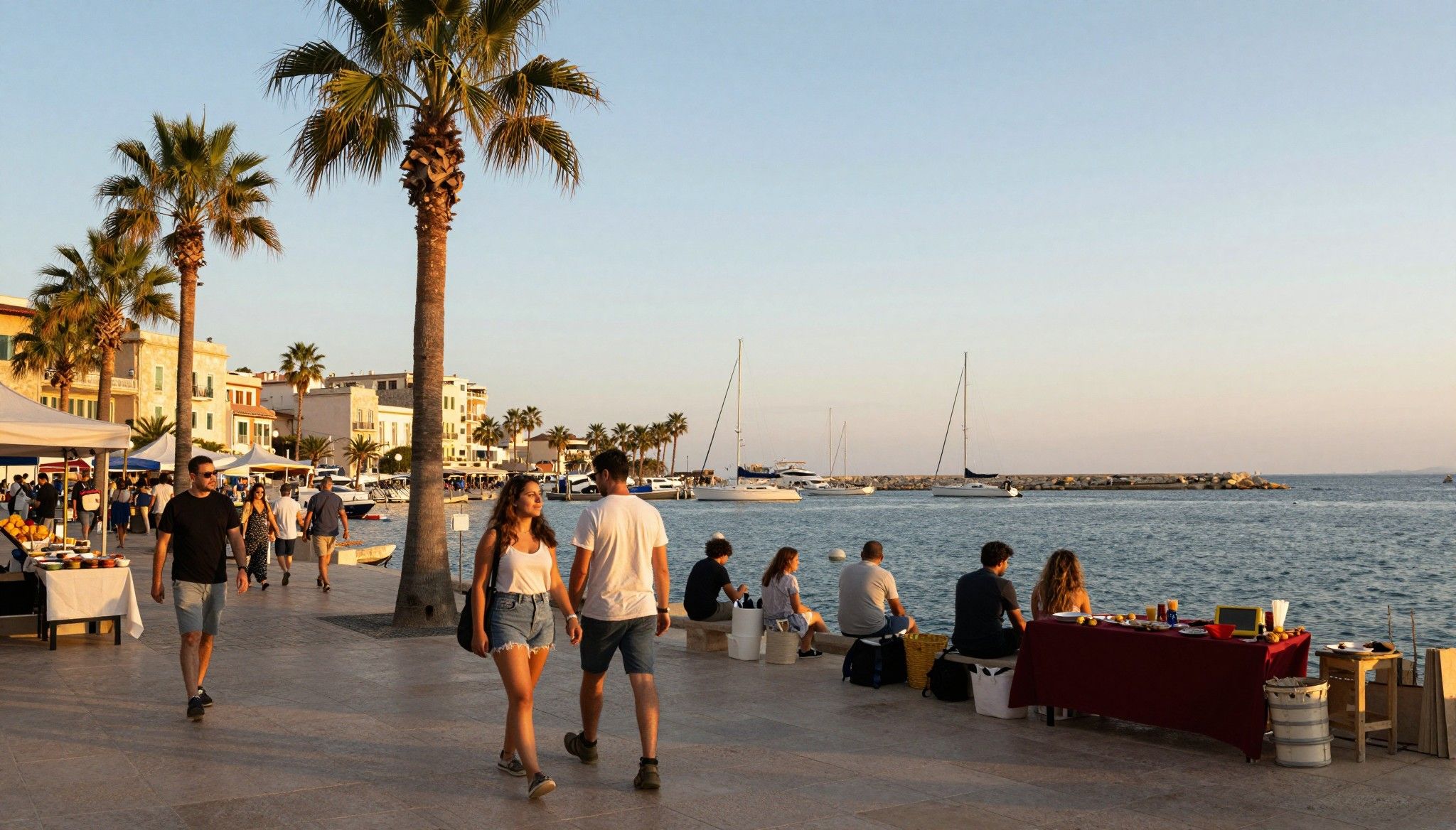
Daily life in Croatia moves to a Mediterranean rhythm: morning markets in Dolac (Zagreb) or Pazar (Split), long lunches of grilled fish and blitva, and evening promenades where neighbours nod and small restaurants know your order. The country’s architectural palate ranges from Austro‑Hungarian townhouses in Rijeka to white‑stone Dalmatian villas and restored Istrian farmhouses. For buyers, lifestyle choices—frontline sea view versus a quiet inland hamlet—should be the starting point because they determine legal needs, maintenance expectations, and long‑term stewardship.
Neighborhoods that define life on the coast
Riva and Meštrović’s promenade in Split offer a civic intimacy—cafés, artisan bakeries and an active harbour life—while Rovinj’s cobbled alleys and Venetian facades feel like living in a painting. On islands such as Hvar and Brač, mornings begin with fishermen docking and evenings end with small concerts in piazzas. Each place shapes the practicalities of ownership: access during winter months, management for holiday rentals, and considerations around historic‑preservation rules for listed buildings.
- Marketable lifestyle highlights: 1) Morning fish stalls at Split’s Green Market; 2) Cicchetti bars under Rovinj’s bell tower; 3) Olive‑pressing seasons in Istria; 4) Island ferries that define commute times; 5) Weekend truffle markets near Motovun.
Making the move: practical considerations
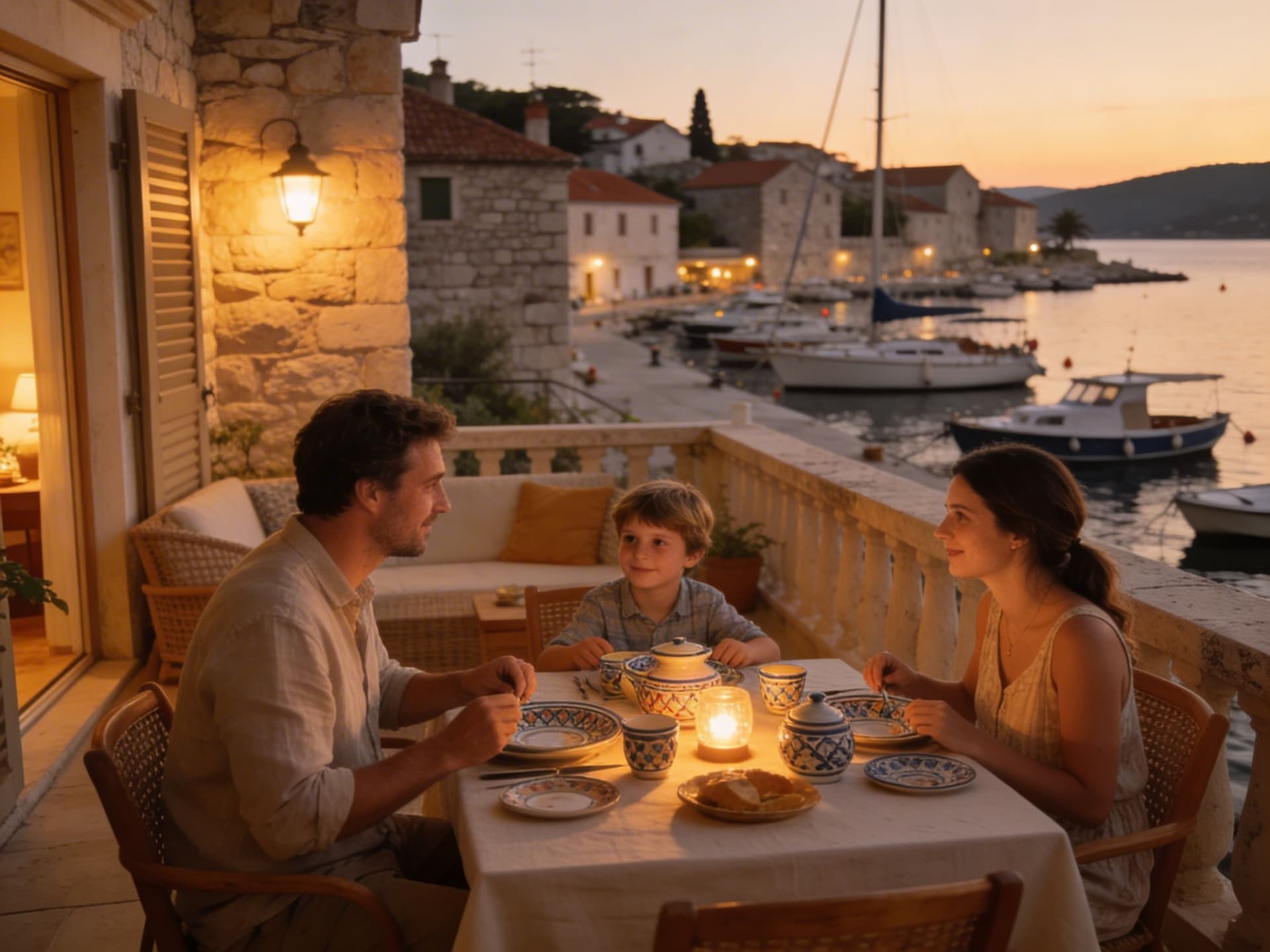
Croatia’s legal framework is straightforward for EU citizens but more conditional for third‑country nationals. Reciprocity rules mean non‑EU buyers often need Ministry of Justice consent; you will also need an OIB (tax ID), thorough land‑registry checks and clear proof of funds. Recent market reports show rising prices and a slowing transaction volume—facts that should shape negotiation strategy and timing. Work with a lawyer early; the legal clearance process can be the critical path.
Property styles and what they mean for ownership
A restored Dalmatian stone house offers provenance and lower maintenance costs if the roof and masonry are in order; a new coastal apartment promises modern systems but often higher communal charges and stricter condominium regulations. Heritage façades may require permit processes for alterations, while new builds demand scrutiny of warranty, builder reputation and finishing specifications. Match architectural type to lifestyle: hospitality‑grade layout for holiday let potential, or a protected family home for long‑term living.
Working with local experts who understand place and process
- 1) Retain a Croatian lawyer to secure OIB, run land‑registry (zemljišna knjiga) and confirm encumbrances; 2) Use an agency with local stewardship—those who know coastal ferry timetables, seasonal management costs and historic‑building permissions; 3) Ask for recent utility invoices and condominium minutes when buying apartments; 4) Insist on an explicit clause for Ministry of Justice consent if you are a non‑EU national; 5) Arrange an independent survey that includes salt‑air corrosion risks on the Adriatic façade.
Insider knowledge: what expats wish they'd known
Expats often arrive enchanted and underestimate administrative time. Recent data show transaction volumes cooling in 2025 even as prices remain elevated—a reminder that patience and timing pay. Expect seasonal distortions: coastal prices and enquiries spike in summer, but the best negotiations often happen in late autumn or winter when local sellers reassess rental income projections.
Cultural and community realities that affect ownership
Croatian social life values reciprocity and relationships. Negotiations may progress more smoothly when you show commitment—regular visits, meeting neighbours, or engaging a local notary recommended by trusted contacts. Language is less a barrier in major towns, but for island or inland purchases the ability to read contracts in Croatian or have reliable translation is essential. Community rules—especially in small villages—can shape renovation scope and rental practices.
Long‑term stewardship: what the years after purchase look like
- Stewardship considerations: 1) Factor in co‑ownership rules for apartments—new legal responsibilities were introduced recently; 2) Budget for salt‑air maintenance and seasonal property management; 3) Consider local inheritance law and the cost of probate if the property will be a family asset; 4) Keep a trusted notary and accountant for annual compliance and tax reporting.
Practical next steps: begin with a lifestyle brief—what life you want to lead—then pair that with early legal checks. Request a full land‑registry extract, confirm whether you need Ministry consent (if you are non‑EU), and secure a local lawyer before signing a pre‑contract. Work with an agency that can introduce craftsmen, property managers and a notary familiar with the neighbourhood’s rhythms. Done thoughtfully, buying in Croatia is both an act of stewardship and the start of a life shaped by light, stone and conviviality.
If you would like practical help translating a lifestyle brief into a targeted search, local introductions, or to commission the legal checks described above, reach out to a Zagreb or Dalmatia‑based firm that combines legal rigour with neighbourhood knowledge—the right partner turns a dream into a well‑executed purchase.
Norwegian with years in Florence guiding clients across borders. I bridge Oslo and Tuscany, focusing on legal navigation, cultural context, and enduring craftsmanship.