Greece: Lifestyle Costs and Local Truths
A lifestyle‑first comparison of Greece’s living costs: how neighbourhood rituals, seasonal expenses and market indices shape what it truly costs to live—and thrive—here.
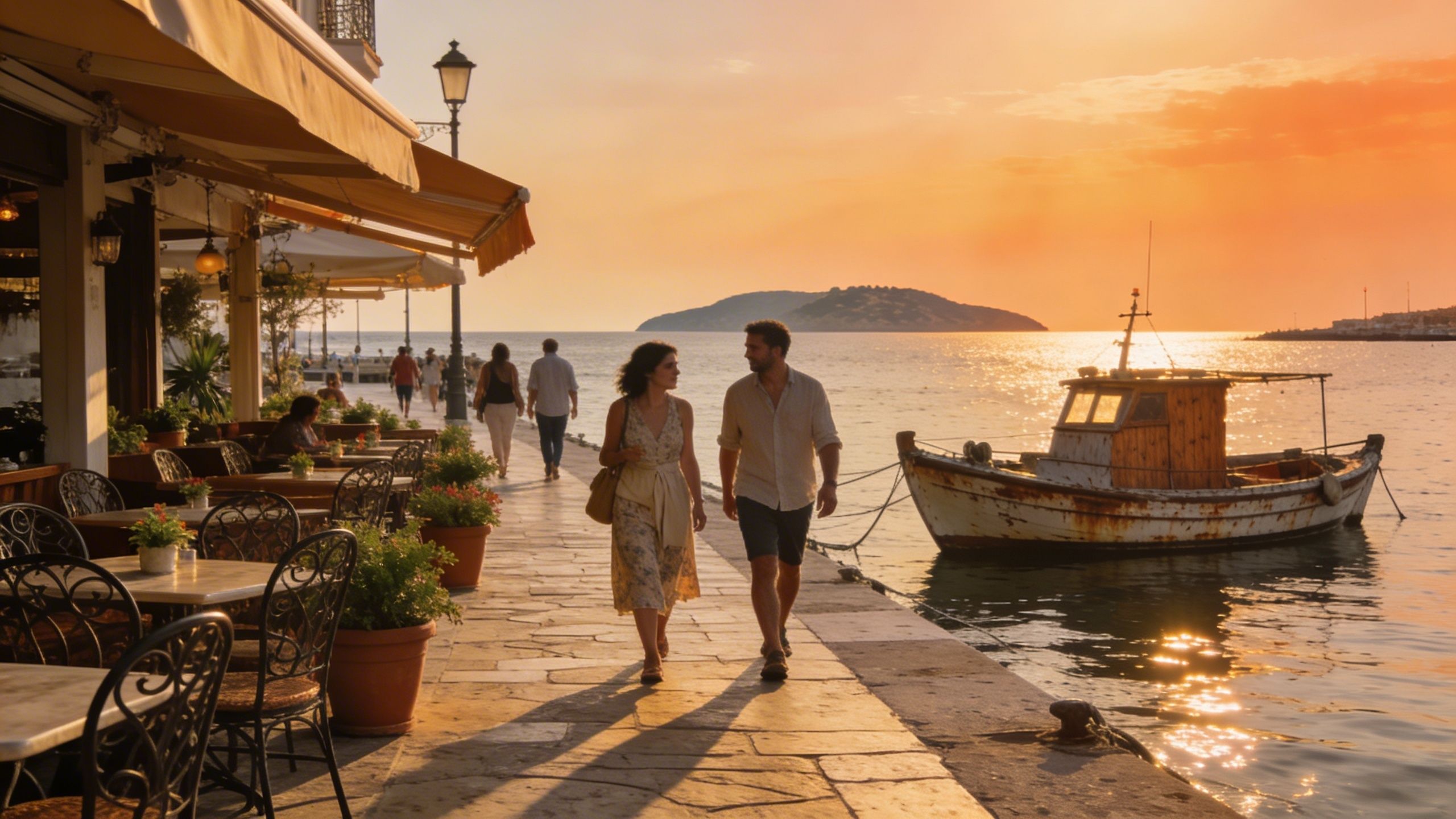
Imagine arriving at a sunlit kafeneio on a narrow Athens side‑street, the air smelling of orange blossom and espresso. Around you, the city is a collage — neoclassical facades, scooters threading between market stalls, an elderly man reading the paper. This is Greece not as a postcard but as daily life: measured, convivial, full of texture. For anyone buying a house here, that texture — the cadence of seasons, neighbourhood rituals and local costs — matters as much as the price per square metre. Recent Bank of Greece indices show the market’s steady ascent; beneath those numbers lie choices that shape how (and affordably) you will live.
Living the Greece lifestyle
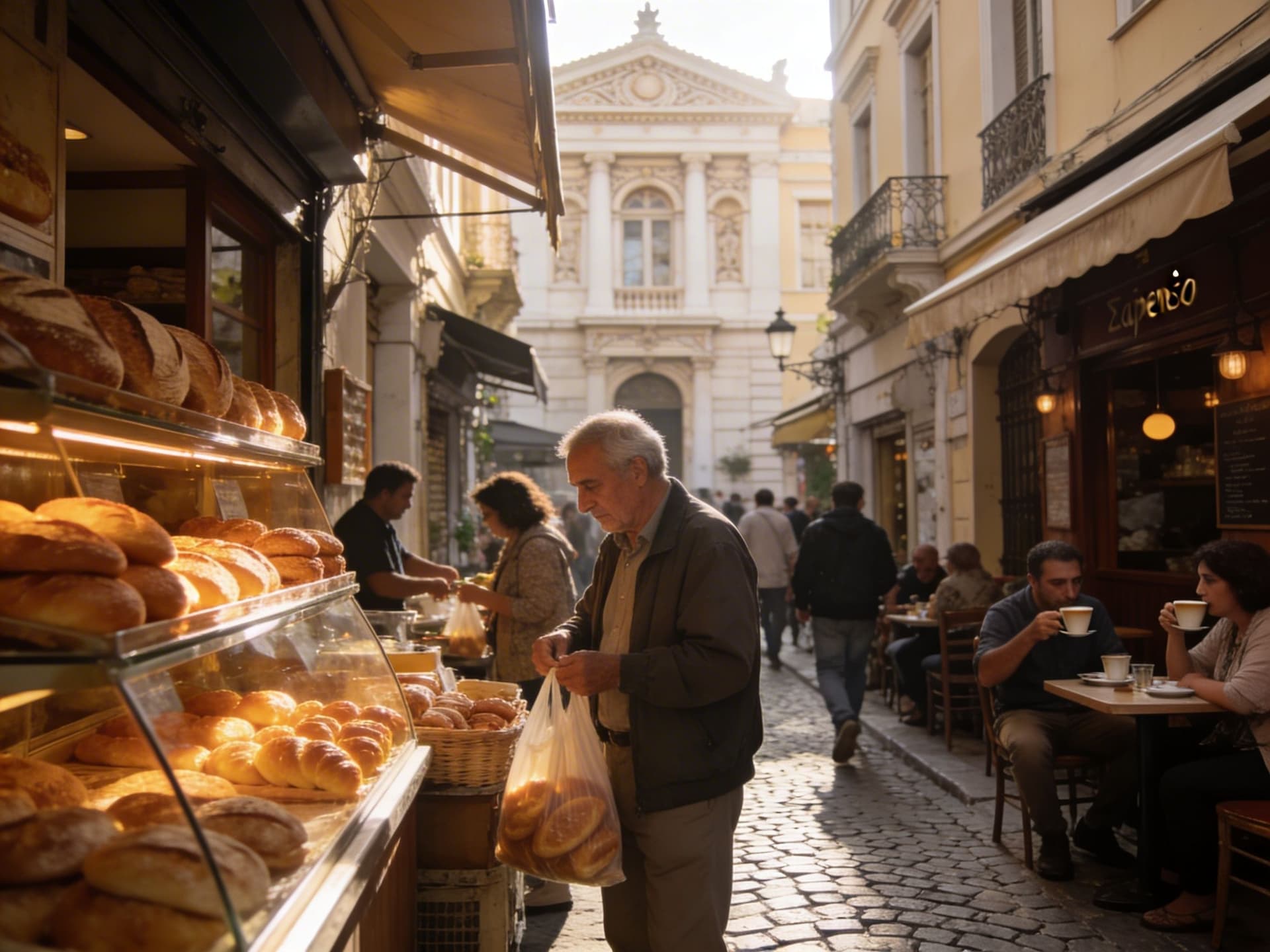
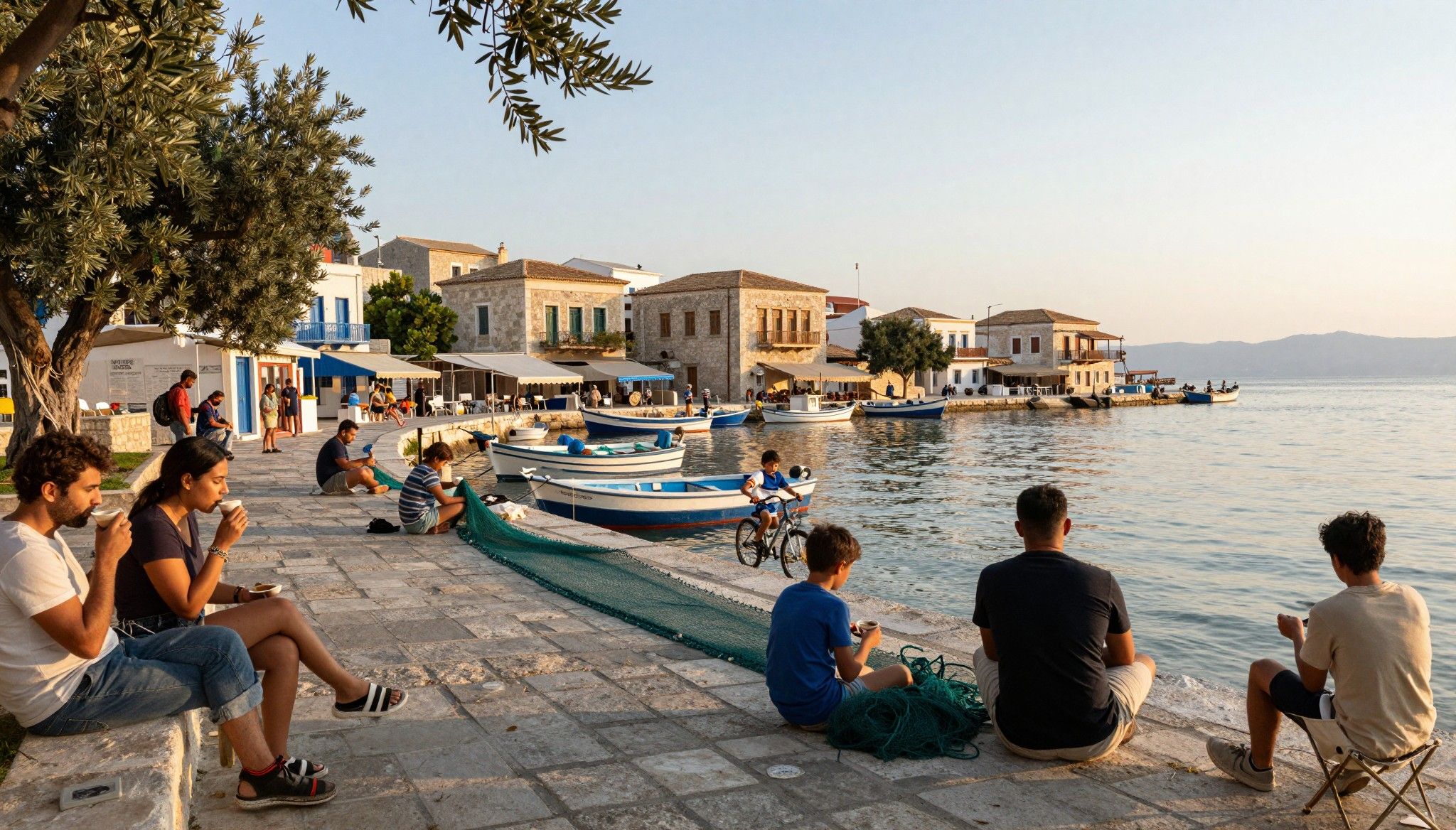
City mornings and island evenings define daily life here. In Athens, mornings begin with takeout frappé and a brisk walk past bakeries; on islands such as Hydra or Paros, a day often starts with market fish and ends with a slow, long dinner by the sea. ELSTAT’s household data underlines that Greeks spend proportionally more on food and utilities than northern European peers — not a burden so much as a reflection of communal eating and home‑centred living.
Neighbourhoods that feel lived in
Each neighbourhood carries distinct habits. Kolonaki keeps an urban, cultured rhythm — boutique galleries and afternoon coffee salons; Koukaki and Plaka pulse with tavernas beneath Athenian apartment balconies; on the Athenian Riviera, Vouliagmeni mornings are about sea swims and slow promenades. In Thessaloniki, the waterfront Rotunda walk and Modiano Market anchor an urbane yet informal social life. On Crete, villages like Chania’s old port sustain a year‑round agricultural market culture that shapes food costs and seasonal rhythms.
Food, markets and the rhythm of spending
A day in Greece often orbits markets. Fresh produce, small fishmongers and neighbourhood bakers reduce grocery bills if you learn the cycle: buy in the morning, shop local, and you will spend less while eating better. Be mindful that energy and transport costs — tracked monthly by Bank of Greece and ELSTAT — can rise seasonally, particularly on islands where supplies are shipped and electricity use spikes in summer.
- Lifestyle highlights to cost and love
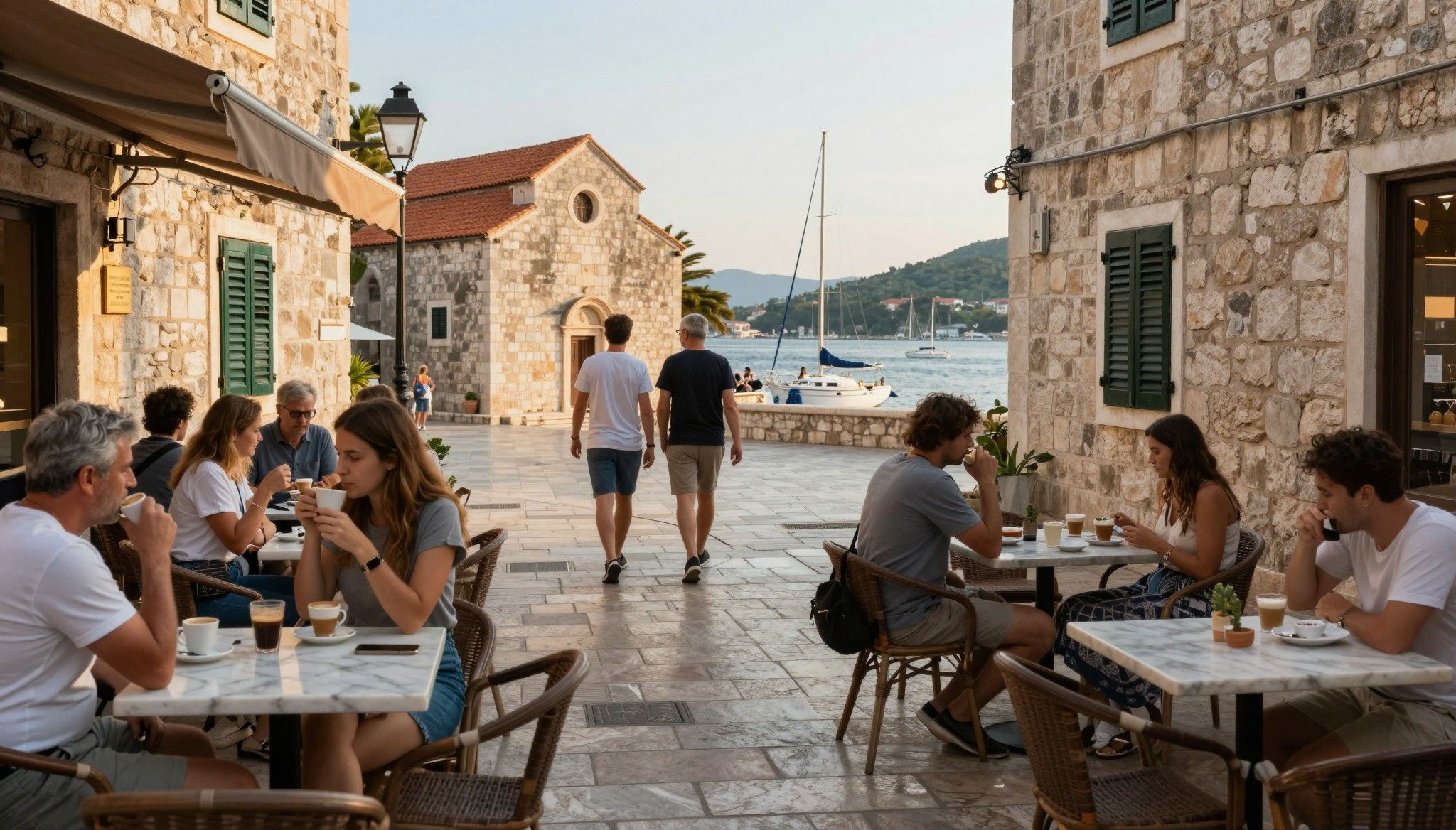
- Morning coffee ritual (kafeneio) in Kolonaki or Koukaki — low cost, high local value
- Weekly fish and vegetable market in Chania or Piraeus — saves on groceries and connects you to producers
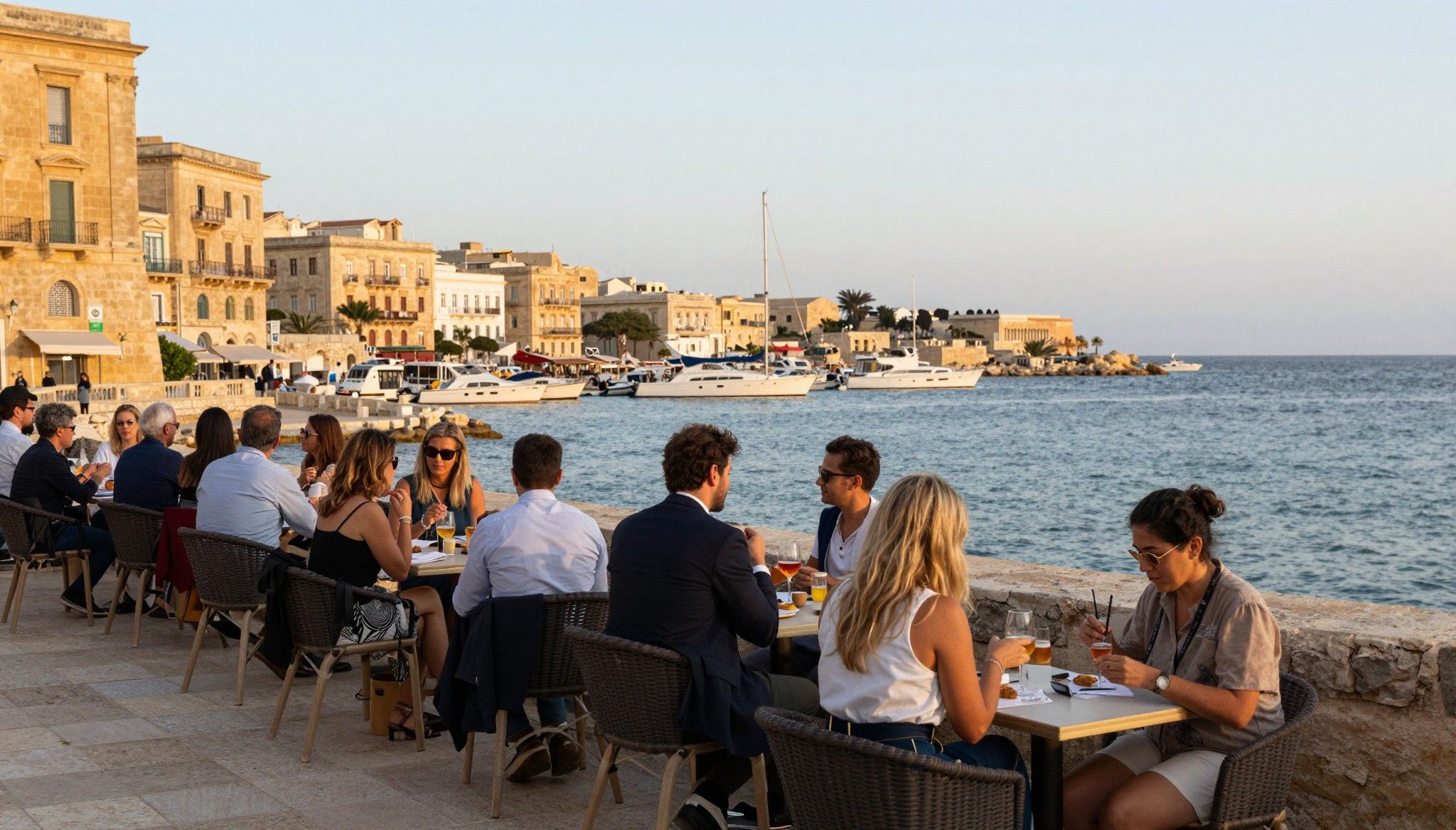
- Evening seaside dining in Vouliagmeni — seasonal price premium, exceptional life quality
Making the move: practical considerations
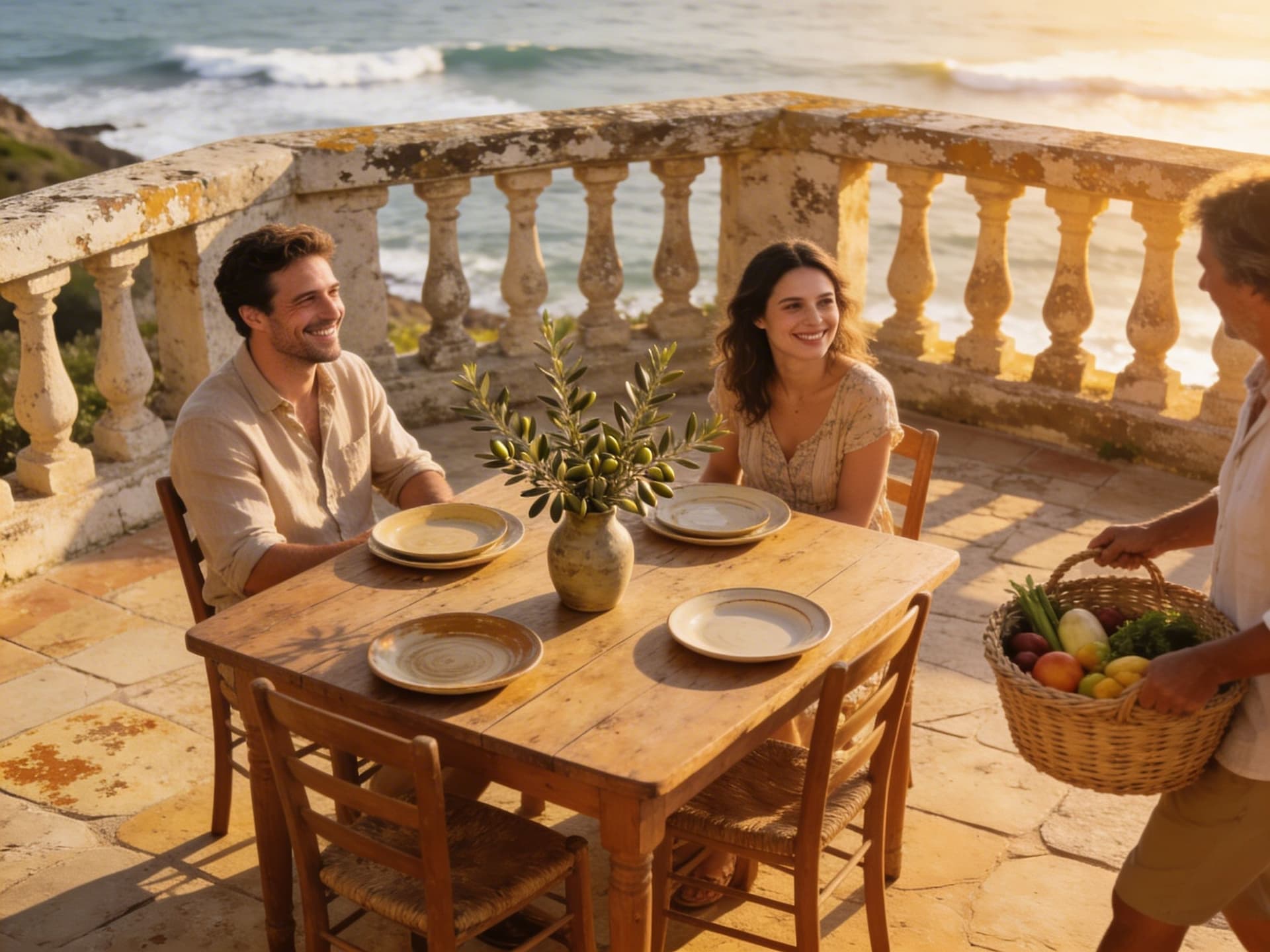
Dreams meet contracts at the notary’s desk. Greece’s market has seen marked appreciation in recent years; average prices and regional dynamics differ sharply between Athens, Thessaloniki and the islands. Use national indices to set expectations, but overlay local intelligence: a renovated neoclassical in Plaka commands a premium for provenance and low upkeep, while a modern penthouse in Koukaki can deliver stronger short‑term rental yield.
Property styles and how they shape living
Stone village houses on Crete or the Peloponnese offer cool interiors in summer and gardens for olive trees; Athenian apartments favour high ceilings and classical cornices, ideal for collectors who value provenance and scale. New builds are energy‑efficient but often lack the immediate charm of a restored residence; weigh lower running costs against the social and spatial benefits of older stock.
Working with local experts who know life and numbers
A local agent fluent in both market data and neighbourhood ritual will keep you from buying a home that looks beautiful but is costly to run. Choose advisers who reference recent indices, can marshal a local carpenter or structural engineer, and understand seasonality — where a property may be cheap in winter but expensive to maintain for summer use.
- Steps to match lifestyle with fiscal reality
- Assess year‑round costs: utilities, local taxes and maintenance in both high and low season.
- Prioritise energy performance: insulate stone houses and prefer modern heating/cooling where possible to reduce bills.
- Test a neighbourhood for a week: rent locally to observe transport, grocery patterns and social rhythm before committing.
Insider knowledge: what expats wish they’d known
Practical wisdom often differs from glossy listings. Expats tell us the same truths: language is a bridge, not a barrier; a modest renovation often unlocks more lifestyle than a larger purchase; and seasonal costs — from ferry prices to higher summer electricity — are recurring surprises. International investment reports emphasise rental growth and foreign demand, but day‑to‑day living costs and social integration determine whether a house becomes home.
Cultural integration and everyday ease
Learning basic Greek opens doors. Neighbourhood rituals — who brings you fresh bread, which cafénio is the meeting point — are how community forms. For families, local schools and medical access shape costs; for retirees, proximity to municipal services and quiet streets will matter more than capital appreciation.
Long‑term living: stewardship over speculation
Greece rewards patient stewardship: a well‑executed restoration of a stone house or neoclassical apartment preserves value and reduces unexpected maintenance costs. Think in decades rather than quarters — choose materials, contractors and planners who respect local craft and will help the property age gracefully.
- Red flags and hidden costs to watch for
- Incomplete building permits or missing asbestos/lead reports — costly to remediate.
- High seasonal utility spikes on islands — budget for peak months.
- Unseen communal charges in apartment buildings — ask for recent maintenance records.
In closing, consider this: buying in Greece is as much about joining a way of life as acquiring a property. Use national data — from Bank of Greece indices to ELSTAT surveys — to set a financial framework, then refine your search with local experts who speak both numbers and neighbourhood. Rent first if you can; restore with local artisans; and think of stewardship as the strategy that preserves value and amplifies the quiet pleasures that drew you here. When you combine measured research with the texture of daily life, Greece becomes not an investment puzzle but a lived, enduring home.
Relocating from London to Mallorca in 2014, I guide UK buyers through cross-border investment and tax considerations. I specialise in provenance, design integrity, and long-term value.