Croatia: Financing, Reciprocity and the Life You Buy
Practical, lifestyle-first guidance for buying property in Croatia: reciprocity rules, financing realities, and local stewardship to match the Adriatic life.
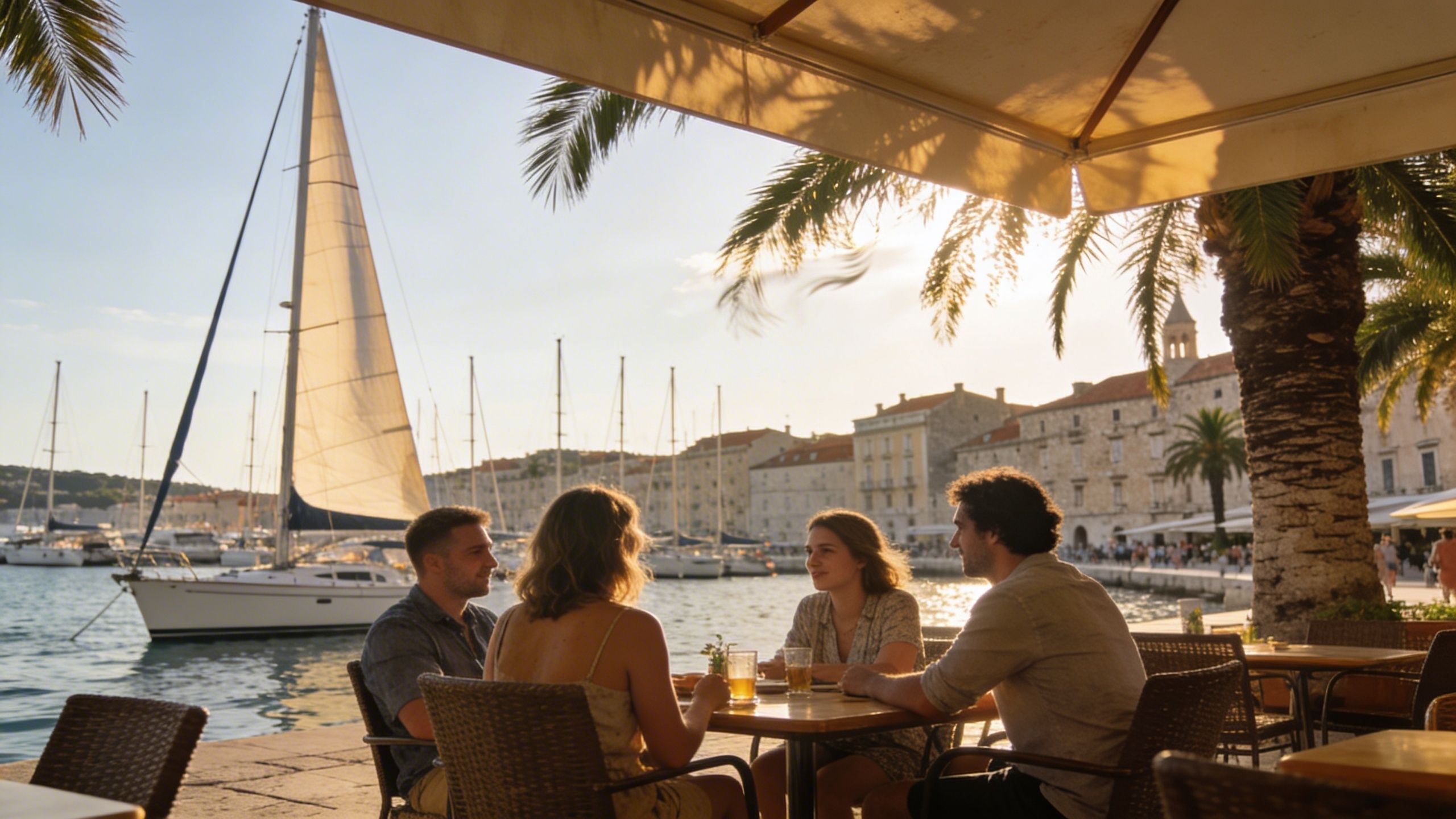
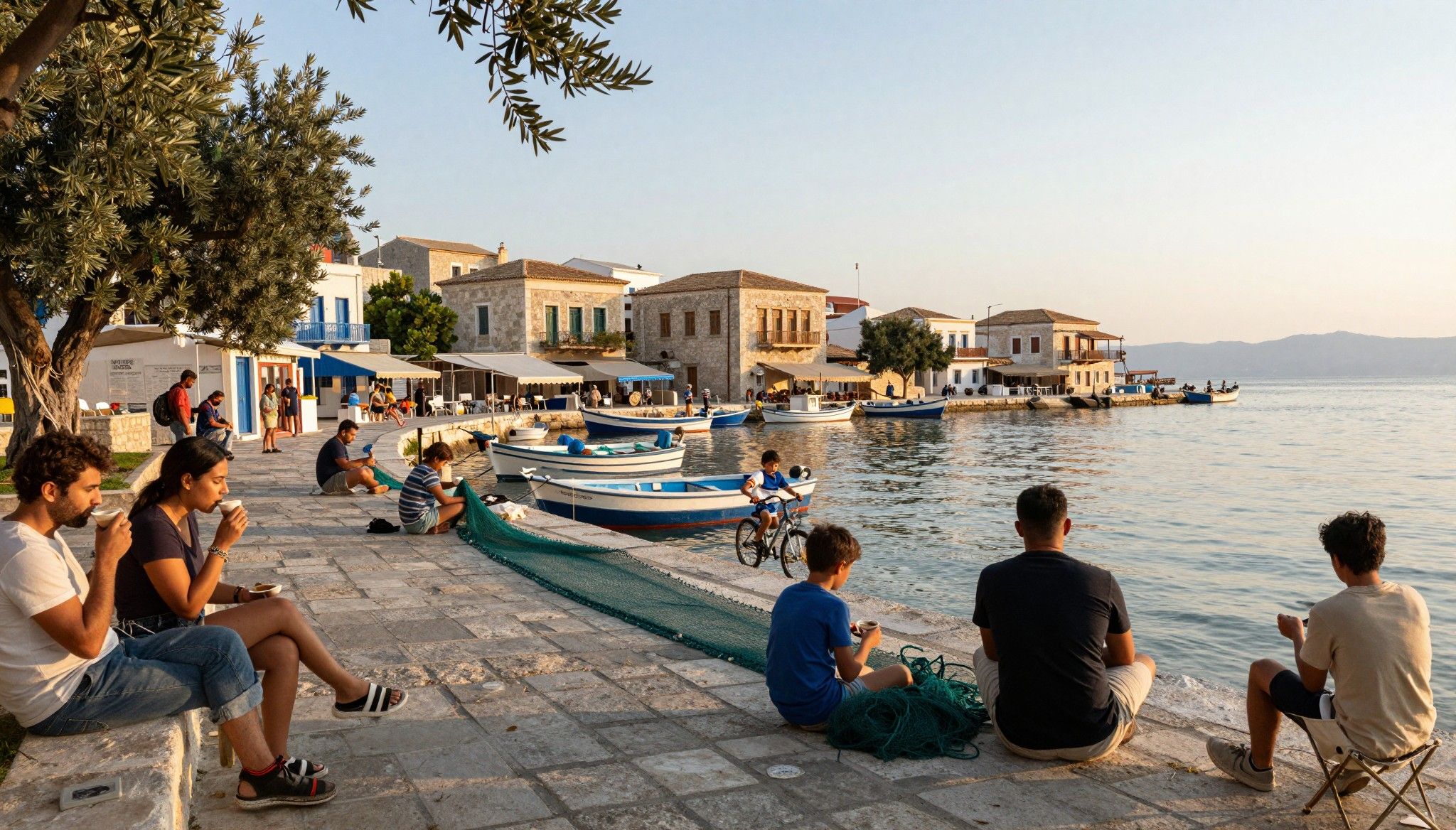
Imagine an early autumn morning in Rovinj: coffee steam rises by the marina, limestone steps warm underfoot, and a fisher hauls yesterday’s catch behind an arcaded palazzo. Croatia offers small, exact pleasures—market squares that finish your day, seaside lanes that smell of resin and citrus, and neighborhoods where decades of careful restoration meet quietly modern living. For anyone planning a move, those textures are as decisive as any interest rate. Recent market analysis shows both cooling and concentration in coastal hotspots, and that pattern has direct consequences for financing and timing. https://portun.com/en/highlights/croatias-real-estate-market-enters-a-new-phase-2025-12-04
Living the Croatia life
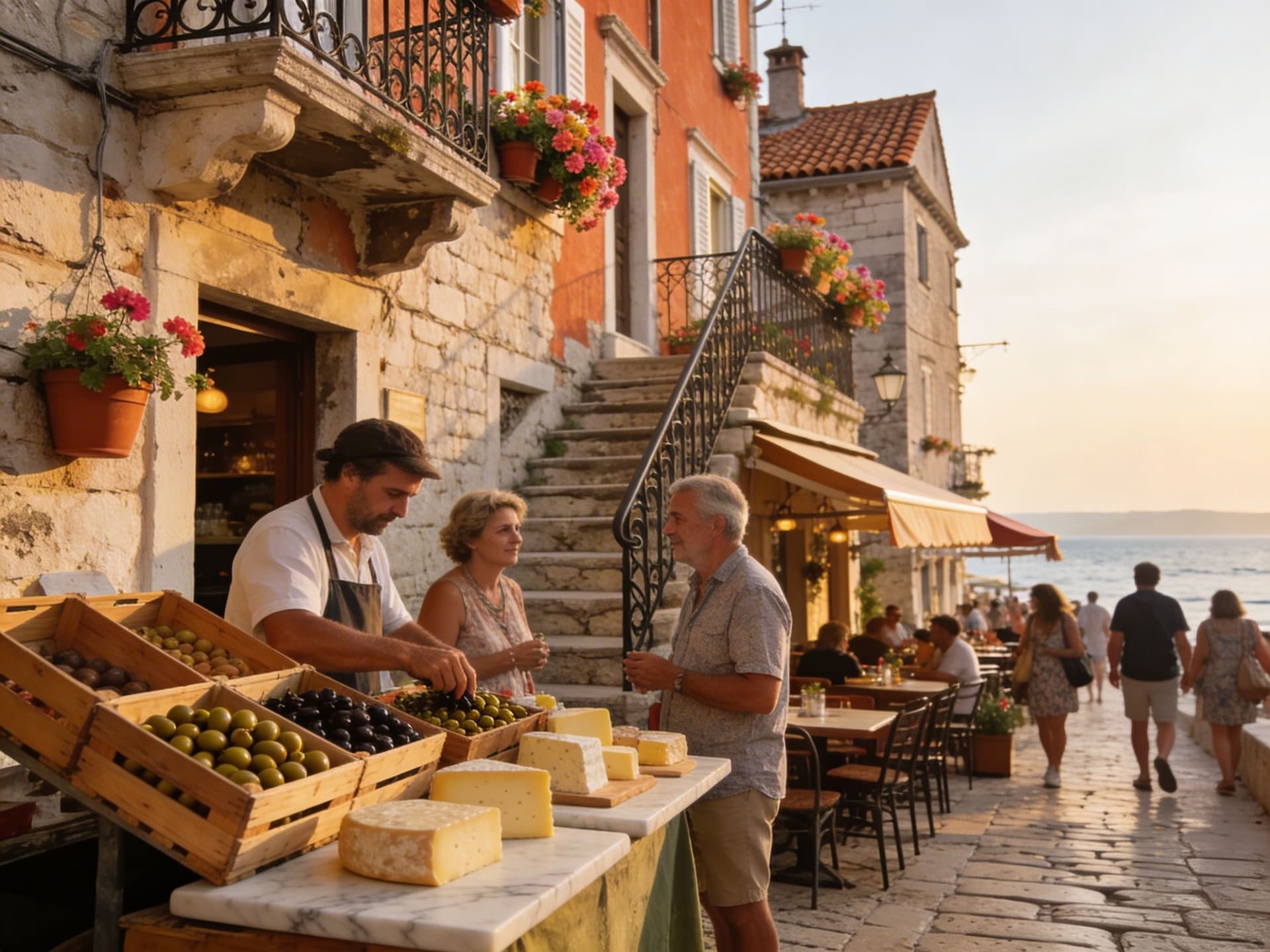
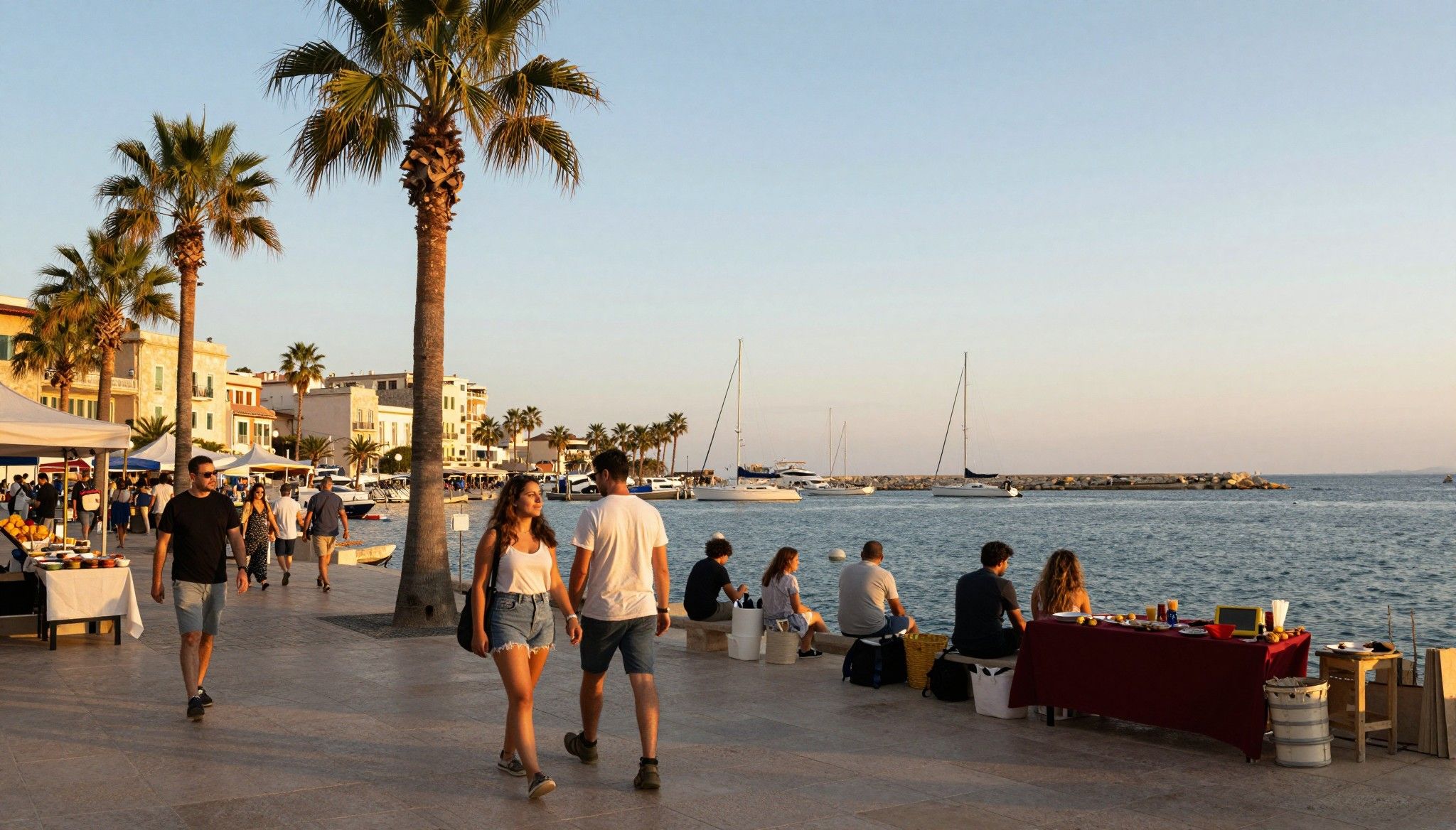
Day-to-day life in Croatia moves at a composed tempo. In Zagreb, trams punctuate business mornings; on Hvar and Korčula, afternoons dissolve into long lunches and siestas. The Adriatic shore is organized around marinas and bakeries; inland towns favour covered markets and family-run konobas. When you buy here you are buying a rhythm—seasonal, pedestrian, convivial—and the right property supports that rhythm: a shady terrace for summer, well-insulated masonry for the inland chill, and a compact, walkable plan for daily life.
Neighborhoods that define the experience
Each place in Croatia wears its history. Dubrovnik’s old town is ceremonial and stone‑quiet after sunset; Split’s Gregov and Varoš neighbourhoods combine Roman fabric with sea breezes; Rovinj’s Grisia lane hums with artists; Zagreb’s Zrinjevac and Pantovčak offer shaded promenades and discreet villas. Choosing a district here is less about square metres than about where you will spend mornings and whom you will meet at the weekly market.
Food, ritual and seasonal life
Markets are where you learn a place. In Split, the Green Market (Pazar) arranges the week; in Zagreb, Dolac is both architecture and choreography. Coastal life orbits fish, olive oil and stony beaches; inland life privileges truffles, plums and wood‑fired prosciutto. Seasonality matters: some properties are lived in year‑round, others bloom only in summer; financing choices should reflect whether you intend steady residency or a seasonal pied‑à‑terre.
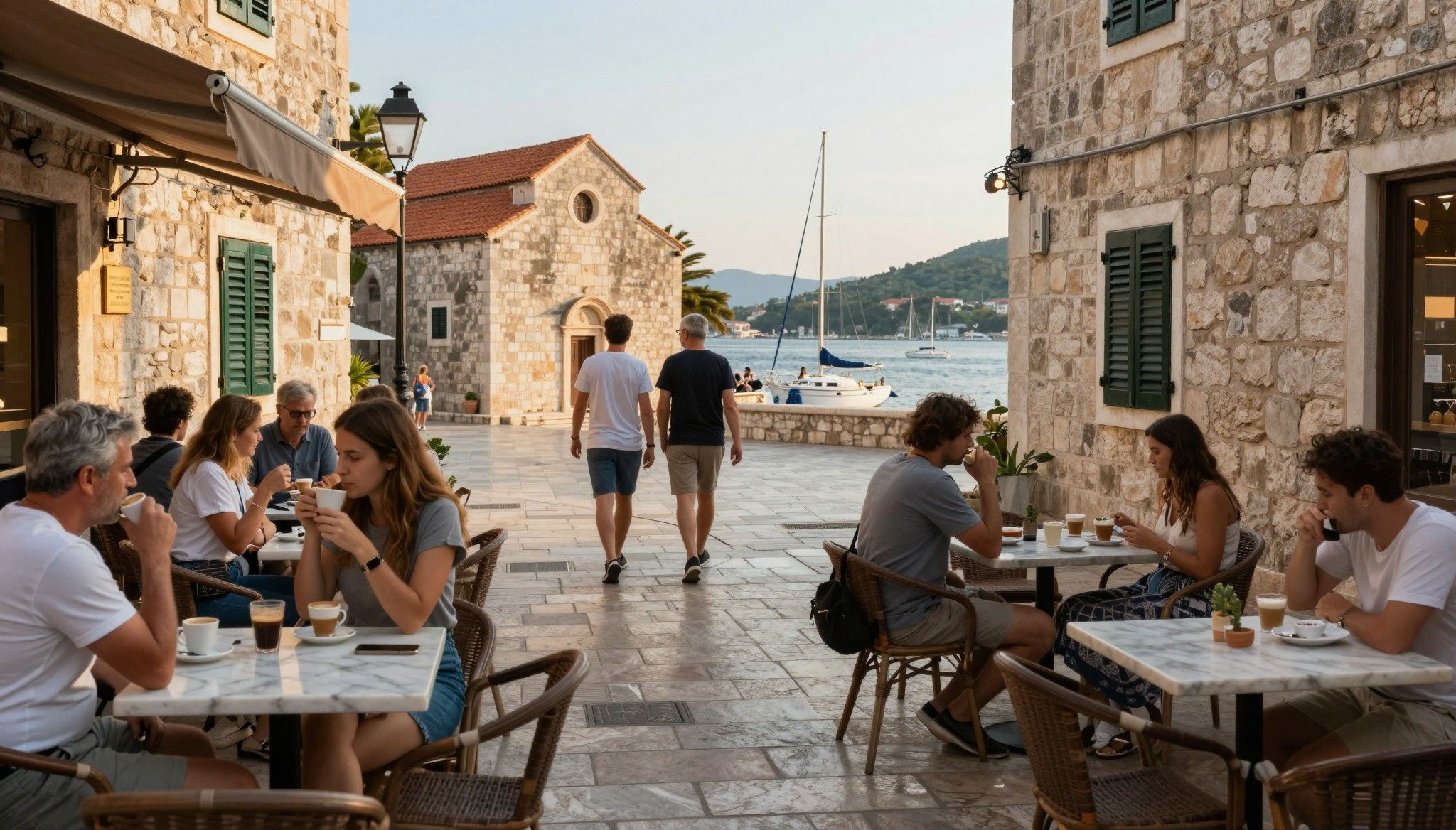
Lifestyle highlights: Istrian markets in Pazin, café terraces on Stradun (Dubrovnik), the bakery stretch on Vlaška (Zagreb), an evening aperitivo at Riva (Split), island ferry mornings from Zadar, a truffle hunt near Motovun
Making the move: practical considerations
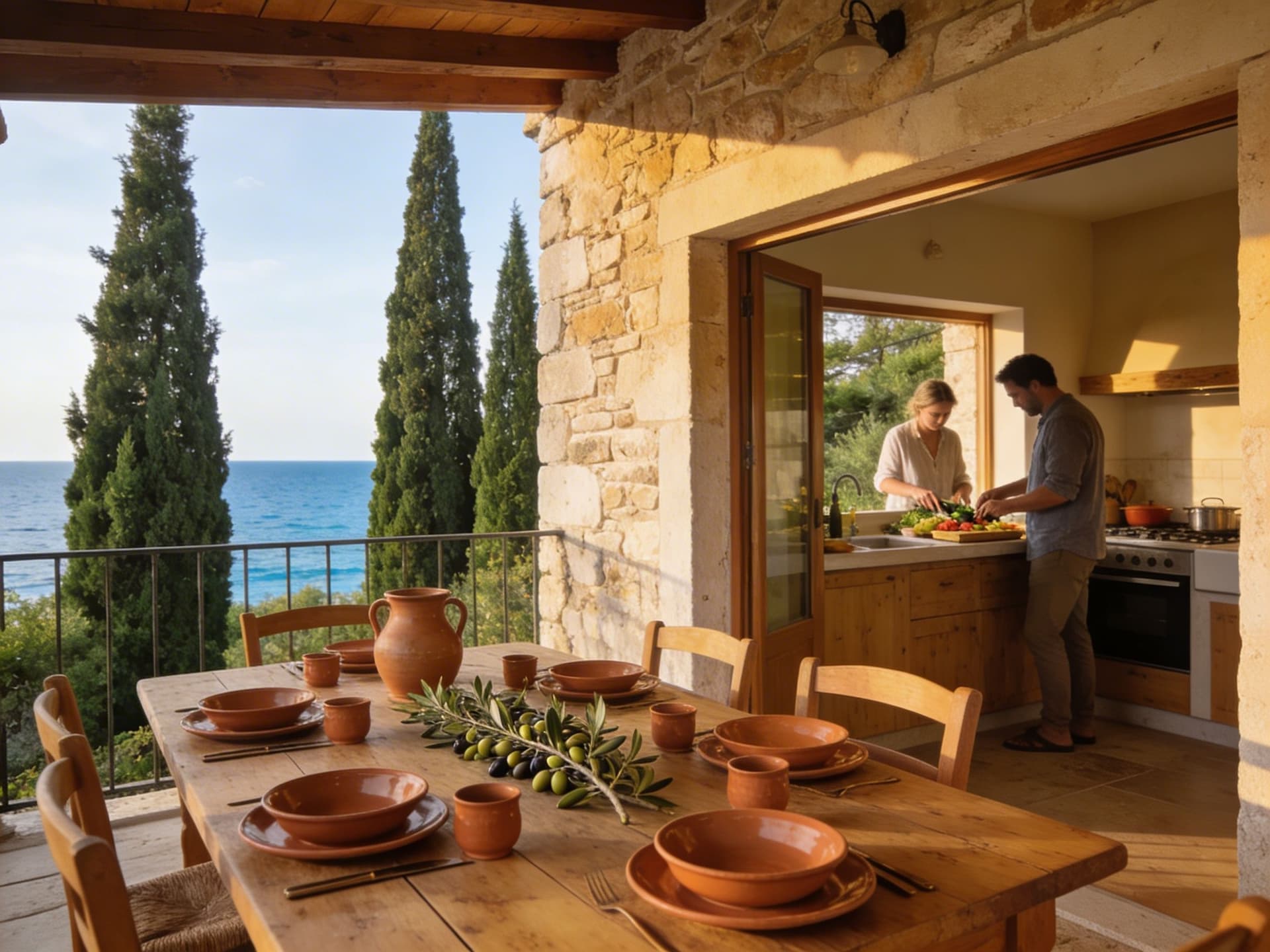
The dream of living by the Adriatic collides with legal and financial realities. EU/EEA citizens may buy freely, while non‑EU buyers face reciprocity checks and occasional restrictions. Meanwhile, foreign demand has moderated in recent years; industry reporting indicates fewer transactions by overseas buyers, a trend that affects pricing dynamics and bank appetite for lending. These are the facts you should bring to the table when you discuss financing with a lender or a local advisor.
Property types and how they shape finance
Stone houses, modern apartments, and new developments each carry different financial profiles. New builds often include 25% VAT; resale properties are typically subject to a 3% transfer tax. Renovation budgets can be considerable where heritage conservation rules apply. Lenders will underwrite to the repaired—or projected—value, not the romantic price you imagine. Account for transaction taxes, registration fees and a realistic refurbishment contingency when calculating loan‑to‑value and monthly costs.
Working with local lenders and brokerages
1. Start with EU banks if you are an EU/EEA citizen — paperwork is simpler and cross‑border transfers are routine. 2. Non‑EU buyers should secure legal confirmation of reciprocity before applying for a mortgage; some Croatian banks will lend to non‑residents but with stricter terms. 3. Obtain a written pre‑approval that reflects the property type (heritage, coastal, land) and the intended use (primary residence, rental). 4. Budget an additional 10–20% beyond purchase price for taxes, notary fees, and prudent refurbishment. 5. Use a dual approach: local legal counsel for title and a specialist mortgage broker to compare bank offers.
Insider knowledge: what expats wish they’d known
Expats often underestimate seasonal cashflow volatility and the practicalities of maintenance. Many buy for summers and then face year‑round bills for a property used intermittently. Others misjudge the cost of bringing a rustic stone house up to contemporary comfort. The most useful local knowledge blends lifestyle priorities with finance: where you want to be, how you intend to use the home, and which compromises you accept on space versus location.
Integration, language and community
A measured effort in language and local rituals accelerates belonging. Learn the rhythm of local markets, note the times when bakeries open and neighbourhood cafés close, and join a local association—whether sailing, olive‑growing or the town’s cultural society. These connections are practical: they help with contractors, local tax offices and discreet maintenance of your property when you are abroad.
Long‑term stewardship and resale considerations
Think like a steward: preserve original fabric where possible, choose upgrades that improve energy performance, document every intervention for future buyers, register with the local cadastre, and keep clear records for capital‑gains calculation and inheritance planning.
Conclusion: Croatia repays patient, informed buyers. The life here—market mornings, sea air, a measured social tempo—rewards those who plan with equal care. Begin with a frank conversation about reciprocity and financing, then visit neighbourhoods early and late to sense their true character. Retain legal counsel, engage a mortgage broker familiar with the coastal and heritage market, and treat your purchase as long‑term stewardship rather than a rapid transaction. The result is not merely a house by the sea but a life that fits.
Norwegian with years in Florence guiding clients across borders. I bridge Oslo and Tuscany, focusing on legal navigation, cultural context, and enduring craftsmanship.