Greece: Lifestyle Rhythms vs. Market Reality
A lifestyle‑first comparison of neighbourhood rhythms, property types and market reality in Greece — marry daily life with data and local expertise.

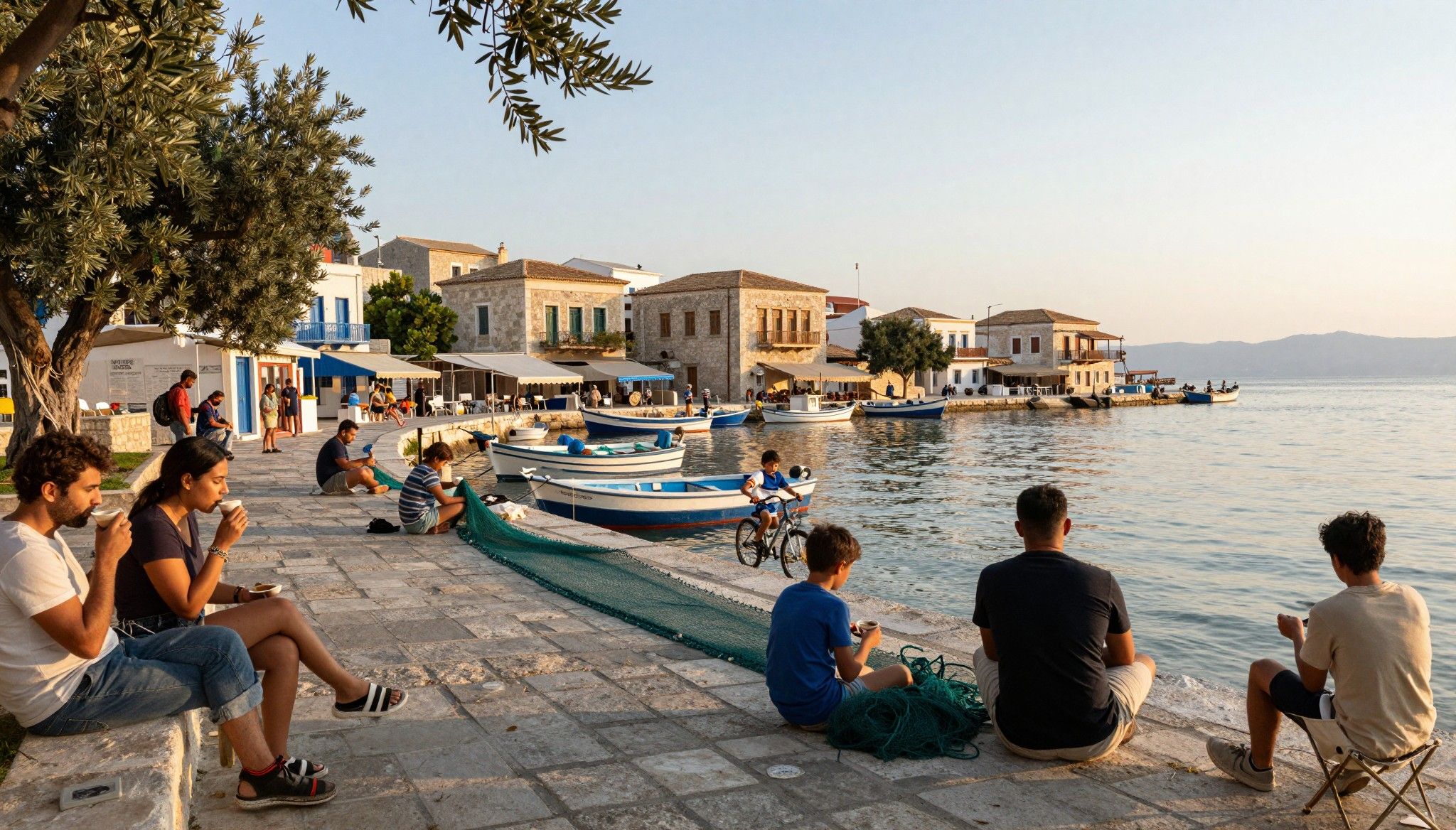
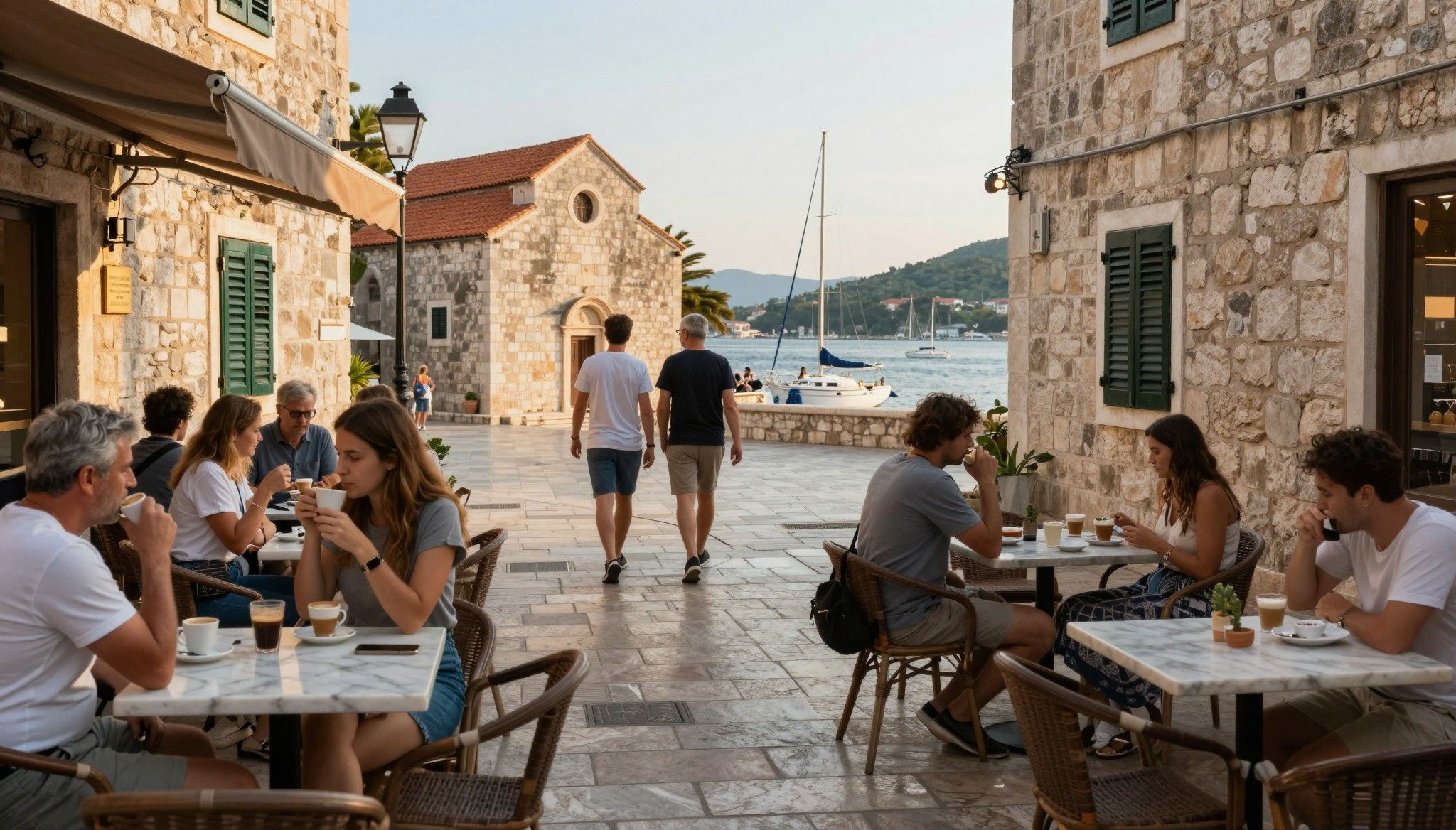
Imagine waking to the clatter of an espresso cup on a sunlit marble table in Plaka, then spending the afternoon wandering a seaside lane in Chania before dinner at a taverna where the fish is so fresh the captain might still be on the quay. That rhythm — mornings shaped by cafés and markets, afternoons by light and sea, evenings by conversation — is what draws people to live in Greece. Yet the country’s romantic image collides with a fast‑moving property market. The question for the discerning buyer is not only where to feel at home, but how to translate this lived style into a prudent purchase.
Living Greece: daily rhythms that shape choice
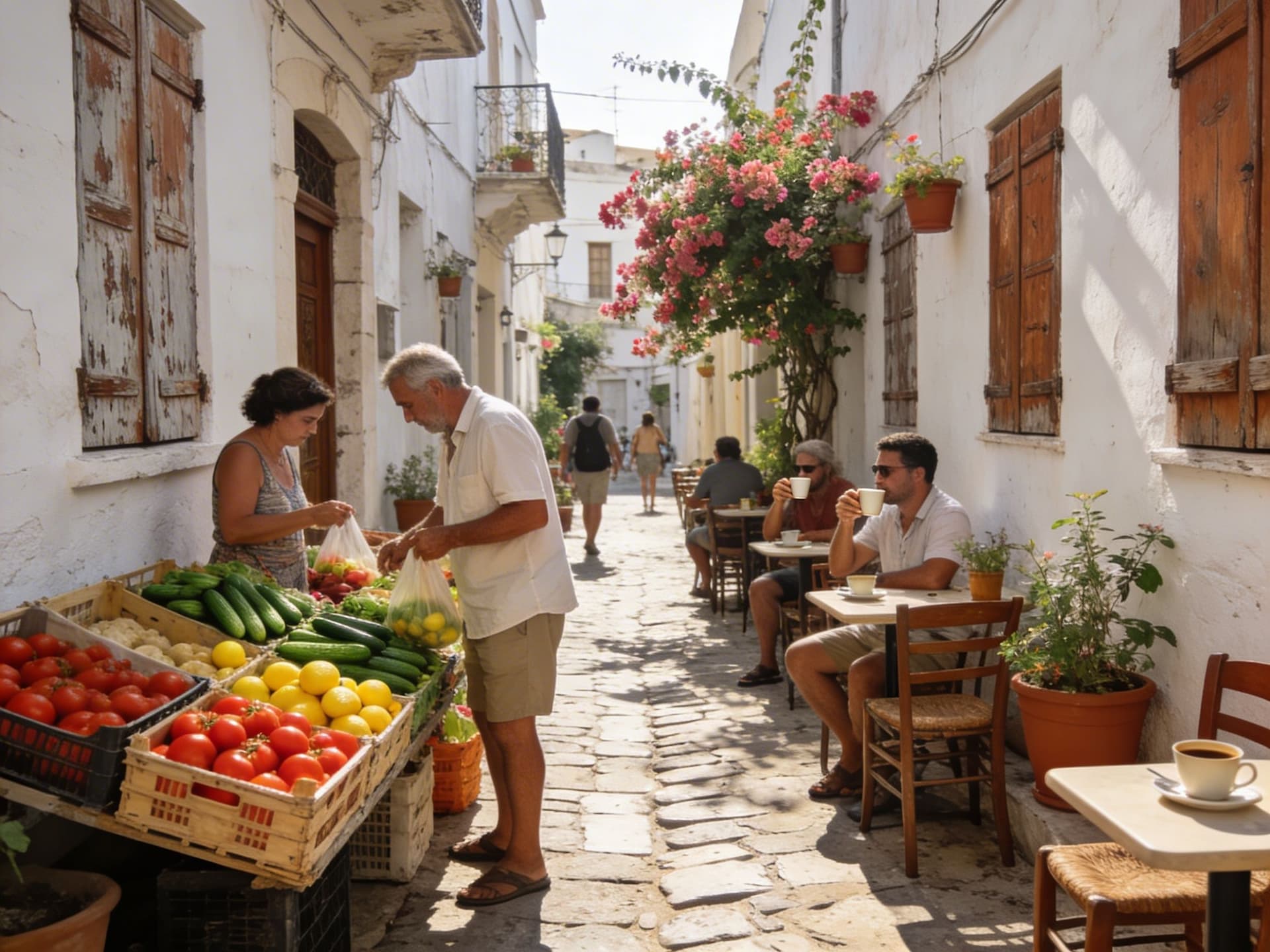
To live well in Greece is to accept seasonality as an architectural and social force. Winter light in Athens discovers the patina on stone façades; spring markets overflow with greens and herbs; summer transforms island promenades into prolonged evenings where shops close late and life spills onto terraces. These cyclical patterns determine what property feels right: a courtyard flat in a cool, narrow street for year‑round life, or a whitewashed villa with pergola and cistern designed for long Mediterranean summers.
Athens: layered moments between antiquity and everyday life
Athens lives in layers: the sundrenched promenades of Kifisia, the bookshops and slow cafés of Exarchia, the discreet luxury of Kolonaki. For many buyers the appeal is proximity — a short walk from a municipal market, a weekday espresso, a nearby primary school — combined with architectural variety from neoclassical buildings to restrained contemporary conversions. Here the everyday feels curated rather than staged; you buy a neighbourhood as much as a home.
Islands and coastal towns: the geometry of leisure and permanence
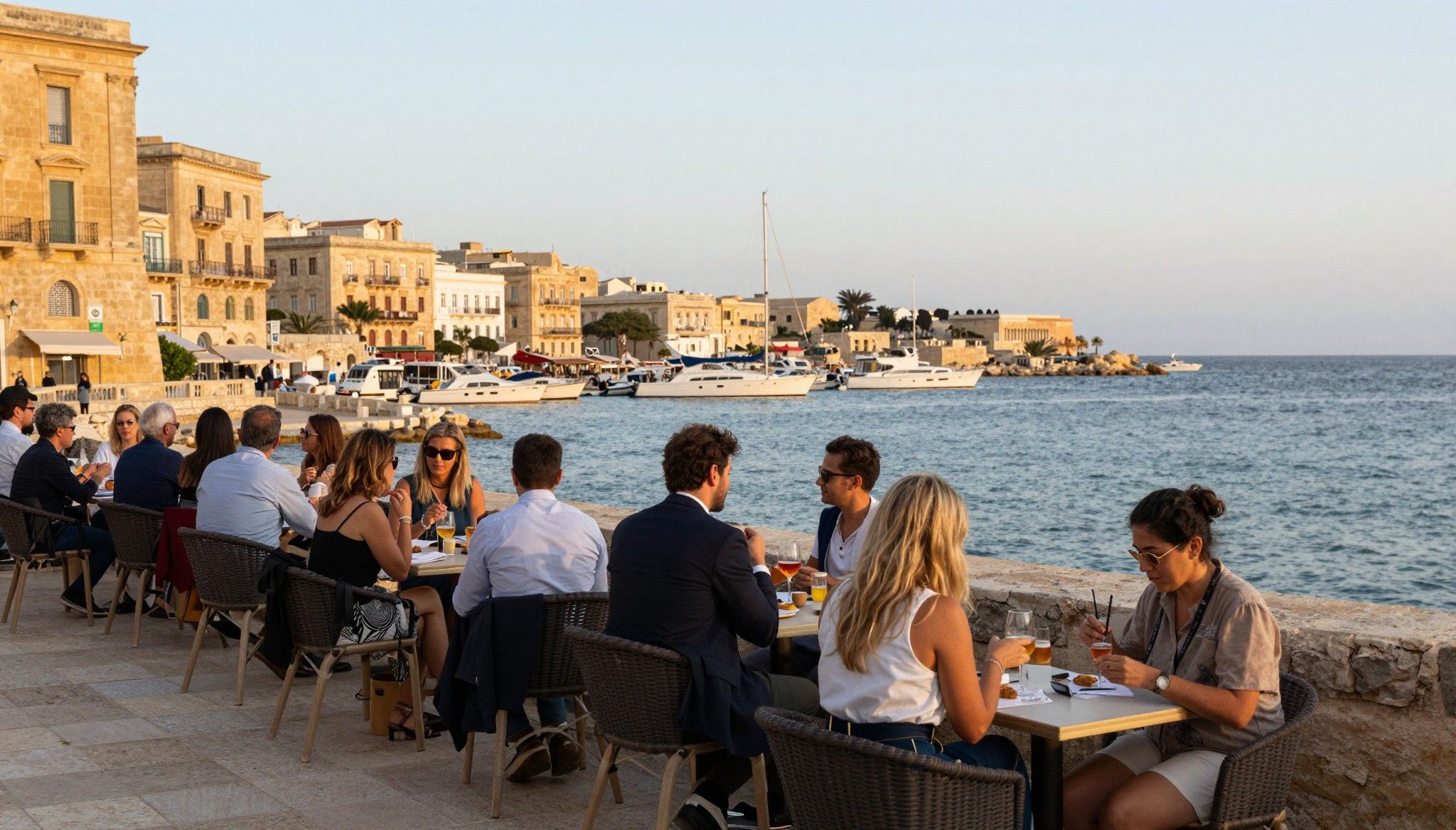
On the islands — Mykonos, Santorini, Paros, but also quieter Paros‑adjacent ports and Crete’s west coast — the sensibility is outward: terraces, sea views, and an architecture that reads sunlight. Yet the island experience varies sharply: some places pulse by tourism, others sustain year‑round communities. For a buyer seeking a seasonal retreat that also rents well, coastal towns with ferry links and local services offer the best balance.
- Lifestyle highlights to look for in neighborhood choice
- Morning espresso in a patriarchal café (Athens: Kolonaki or Koukaki); afternoon market at Varvakios or Chania Municipal Market; a late stroll on the island pier; access to a small artisan bakery within ten minutes; a neighbourhood library or cultural venue within walking distance.
Making the move: practical choices that preserve lifestyle
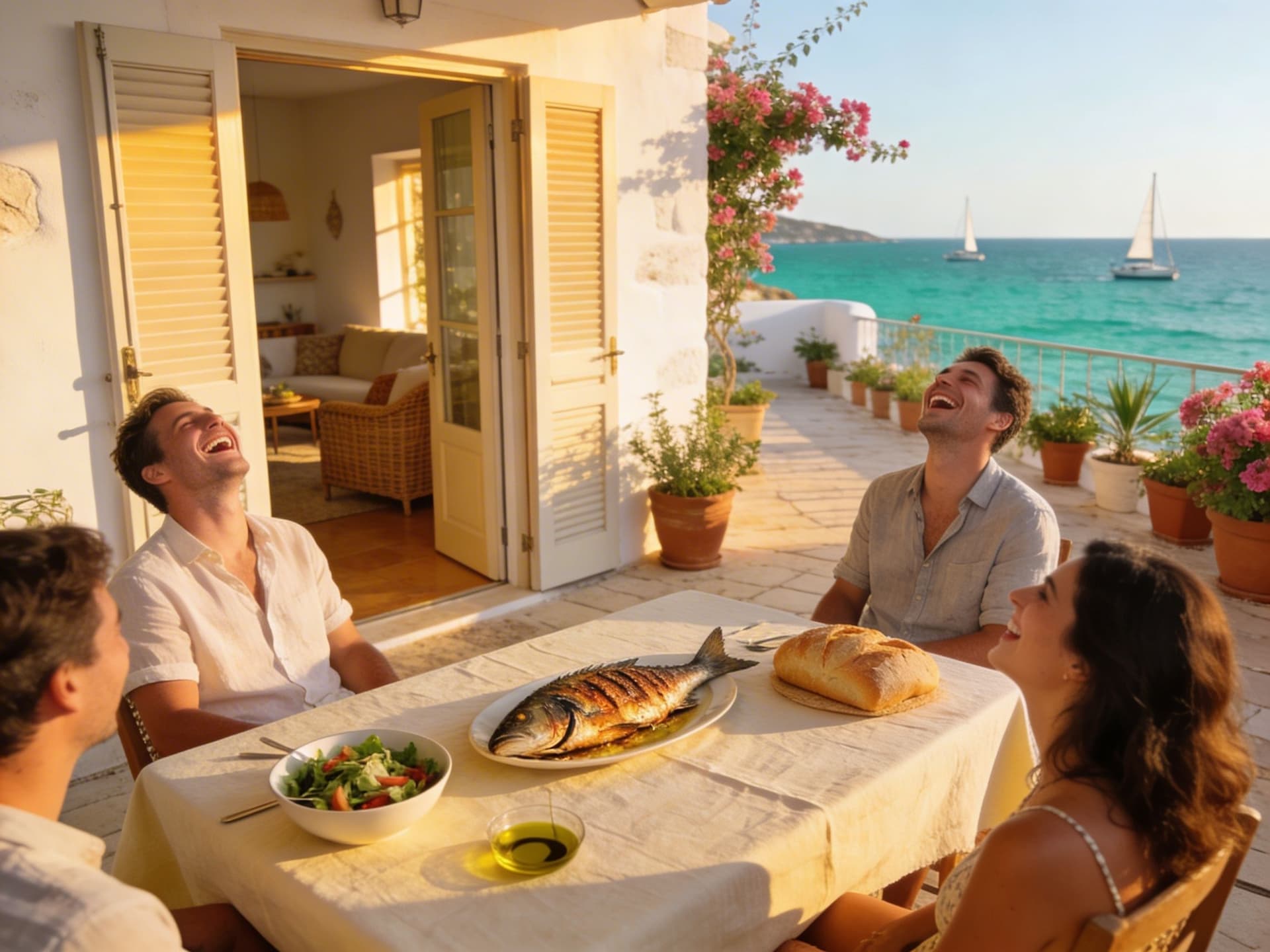
Greece’s housing market has been on an upward path in recent years, with particular strength in new builds and desirable urban cores. Buyers must therefore marry romantic aspiration to market reality: prize locations command premiums, short‑term rental rules are shifting, and supply constraints influence renovation choices. Aligning a lifestyle brief with a market plan — and a local professional who understands both — turns the dream into a manageable acquisition.
Property types and the lived experience
A restored neoclassical apartment provides the sense of provenance suited to an urban life grounded in history. A modern coastal villa offers open-plan living and shaded terraces for summer months. In both cases attention to materials — lime plaster, hardwood joinery, hand‑made tiles — matters as much for habitability as for resale. Consider energy performance and water management as part of the lifestyle specification: shaded façades, natural ventilation and a private cistern change how one uses outdoor rooms.
Working with local experts who preserve your lifestyle brief
A well‑chosen agency or local architect becomes a curator: they match a life in mind to properties that genuinely support it. Look for firms with a track record in restoration, a network of reliable craftsmen, and demonstrable knowledge of municipal planning and short‑let regulation. Their value is practical — ensuring that a terrace will be quiet in summer, that a listed building’s restrictions are manageable, and that the property’s use matches local rules.
- Steps to align lifestyle with a practical purchase
- Define daily rituals (market visits, commute, school or port access).
- Shortlist neighbourhoods and visit them at different times and seasons.
- Engage an agency with restoration experience and a local architect for feasibility.
- Confirm regulatory constraints (short‑term rental rules, building permits) before offer.
Insider knowledge: what expats say they wished they'd known
Long‑term residents speak of two practical surprises: the persistence of local bureaucracy and the way seasonality reshapes neighbourhood life. Blocks that are lively from May to October can feel quietly domestic in January. Many expats also note that strong market momentum means decisions must be timely; offer processes can be brisk in sought‑after pockets, especially for well‑positioned apartments with legal clarity.
Cultural integration and daily community
Language matters less in routine transactions than cultural literacy: learning the rhythm of local markets, how to greet shopkeepers, and where municipal services operate will speed integration. Regular visits to the same café, acquiring a market stall’s timetable, or volunteering at a local cultural event are the small rituals that turn a neighbourhood into home. These practices often determine whether one remains a seasonal visitor or becomes a resident.
Longer view: stewardship and generational value
Greece rewards patience. Properties with authentic materials and careful restoration tend to outperform speculative new builds when viewed across decades. With construction volumes constrained in recent years, well‑maintained older stock near services will often hold value. Think in terms of stewardship: purchase for how you will live now and for how the property might serve future generations.
- Red flags and practical cautions
- Properties marketed primarily as short‑let machines without clear municipal registration; unclear title or missing building permits; neighbourhoods that feel ‘alive’ only in season, lacking essential winter services; sellers dismissing long‑term running costs for climate control and water.
Conclusion: Greece as a life, and a lasting asset
If what you seek is a life woven with markets, café culture, and sea light, Greece rewards attention to detail. Pair a vivid sense of place with authoritative local advice: an agency that values architectural integrity, a lawyer fluent in property law, and a designer who understands Mediterranean materials. Start with a short, focused research trip, visit the neighbourhood at different hours and seasons, and let quality — not hype — determine the address you choose.
Relocating from London to Mallorca in 2014, I guide UK buyers through cross-border investment and tax considerations. I specialise in provenance, design integrity, and long-term value.