Secure the Stone‑House Life: Insurance & Protections in Croatia
How to protect the lifestyle you buy in Croatia — legal checks, seismic and home insurance realities, and practical buyer rituals to secure stone‑house living.
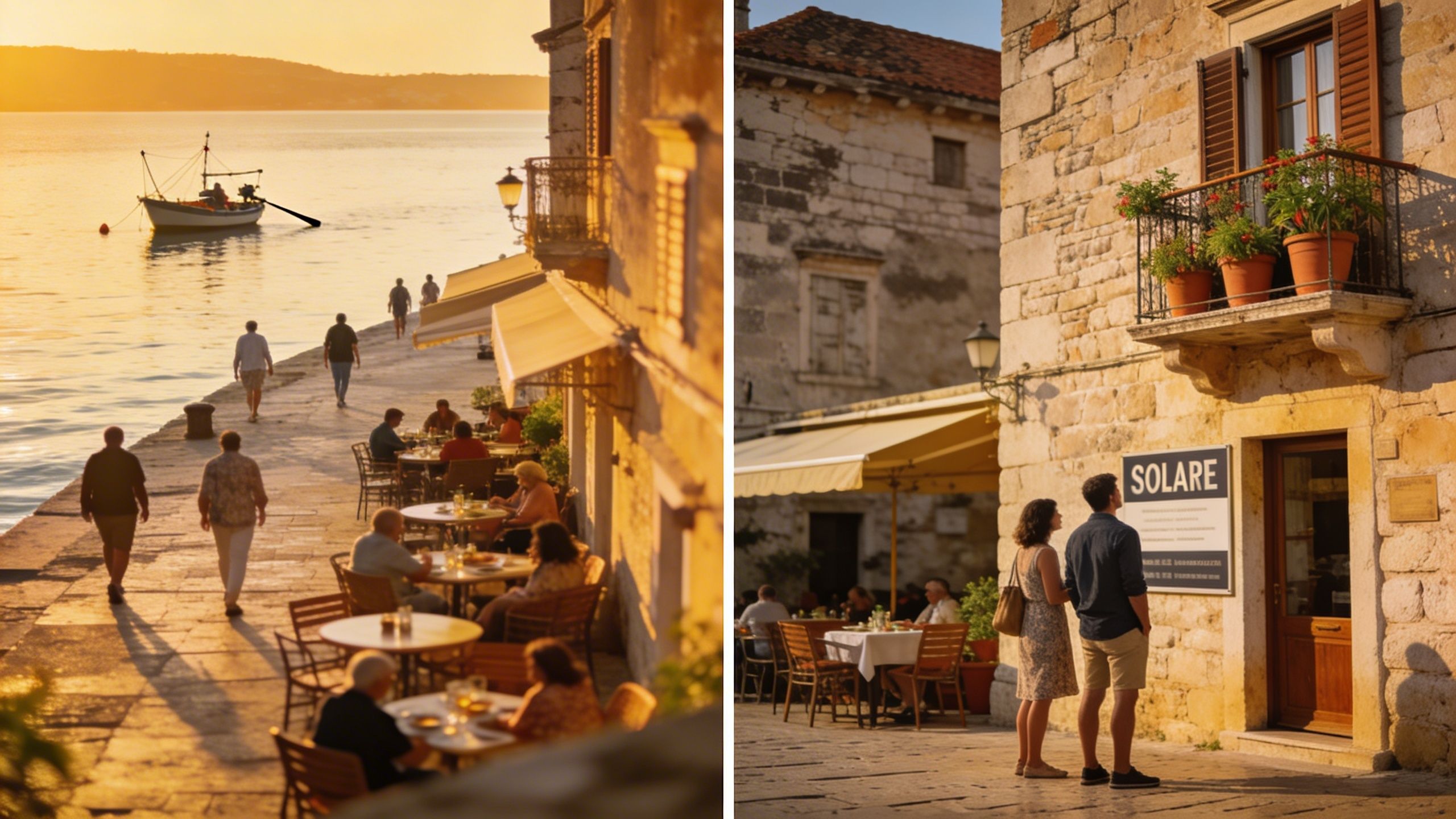
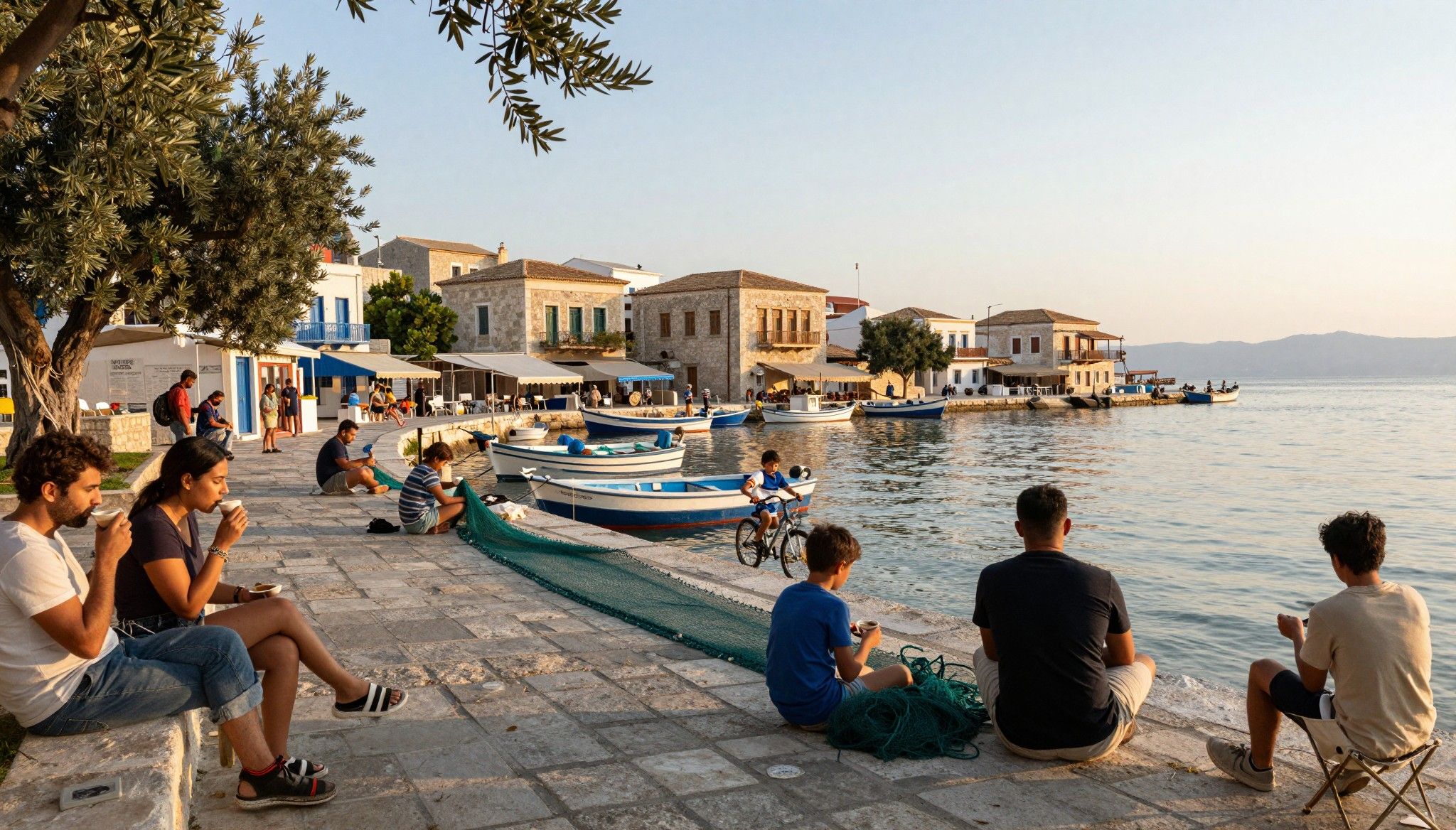
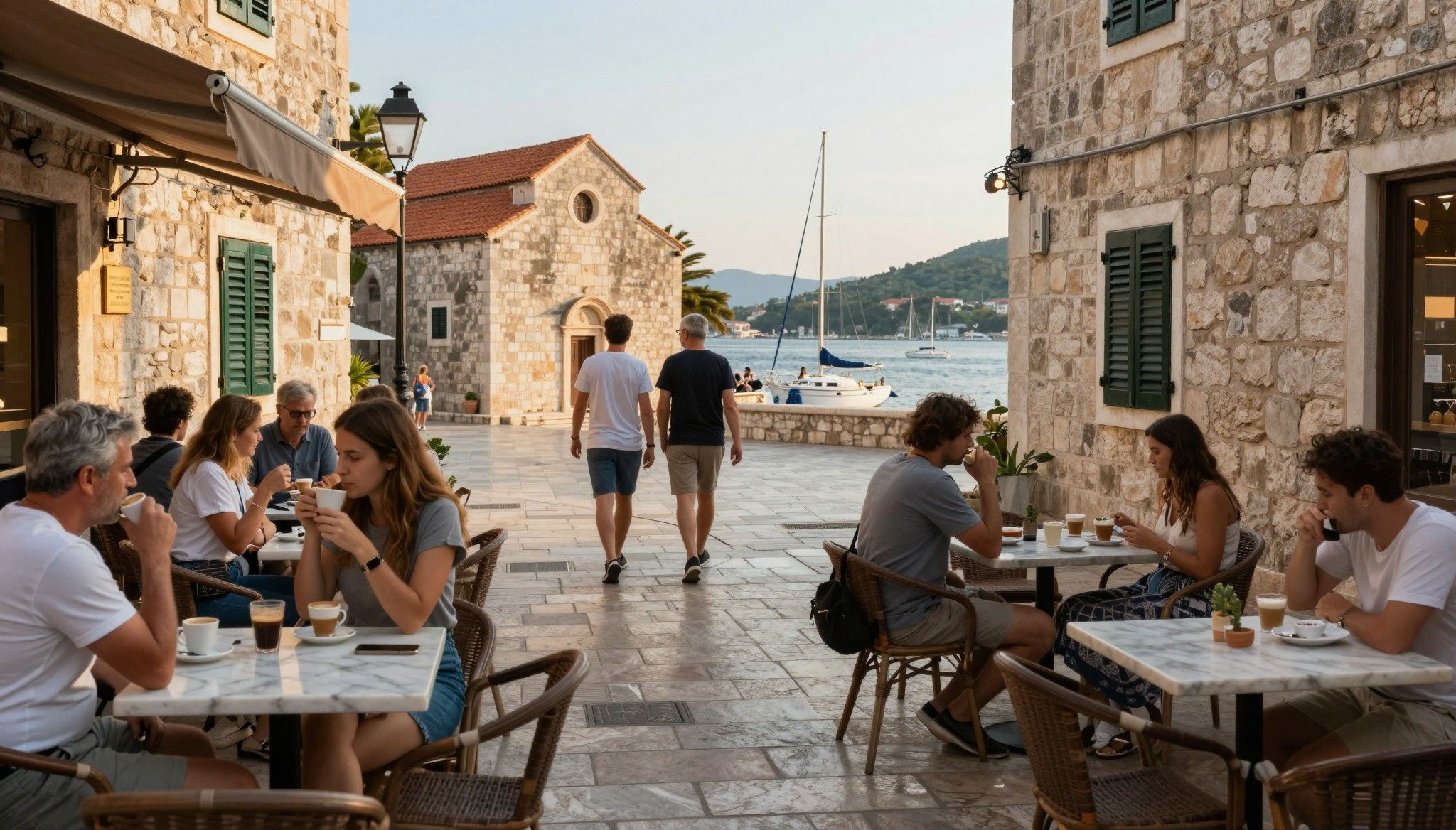
Imagine waking to the hush of a Dalmatian morning: fishermen mending nets beneath a limestone quay, the scent of roasted beans from a corner cafe on Split’s Obala, and a narrow street where a restored stone house opens to a sunlit terrace. For many international buyers that image is the purchase — and yet, the very things that make Croatia alluring (coastline, old stone fabric, seismic history, and complex land rules) also demand careful protection. This guide shows how to translate that daydream into a secure purchase: the insurance options, buyer safeguards and pragmatic rituals that let you live that terrace life with confidence.
Living the Croatian Life

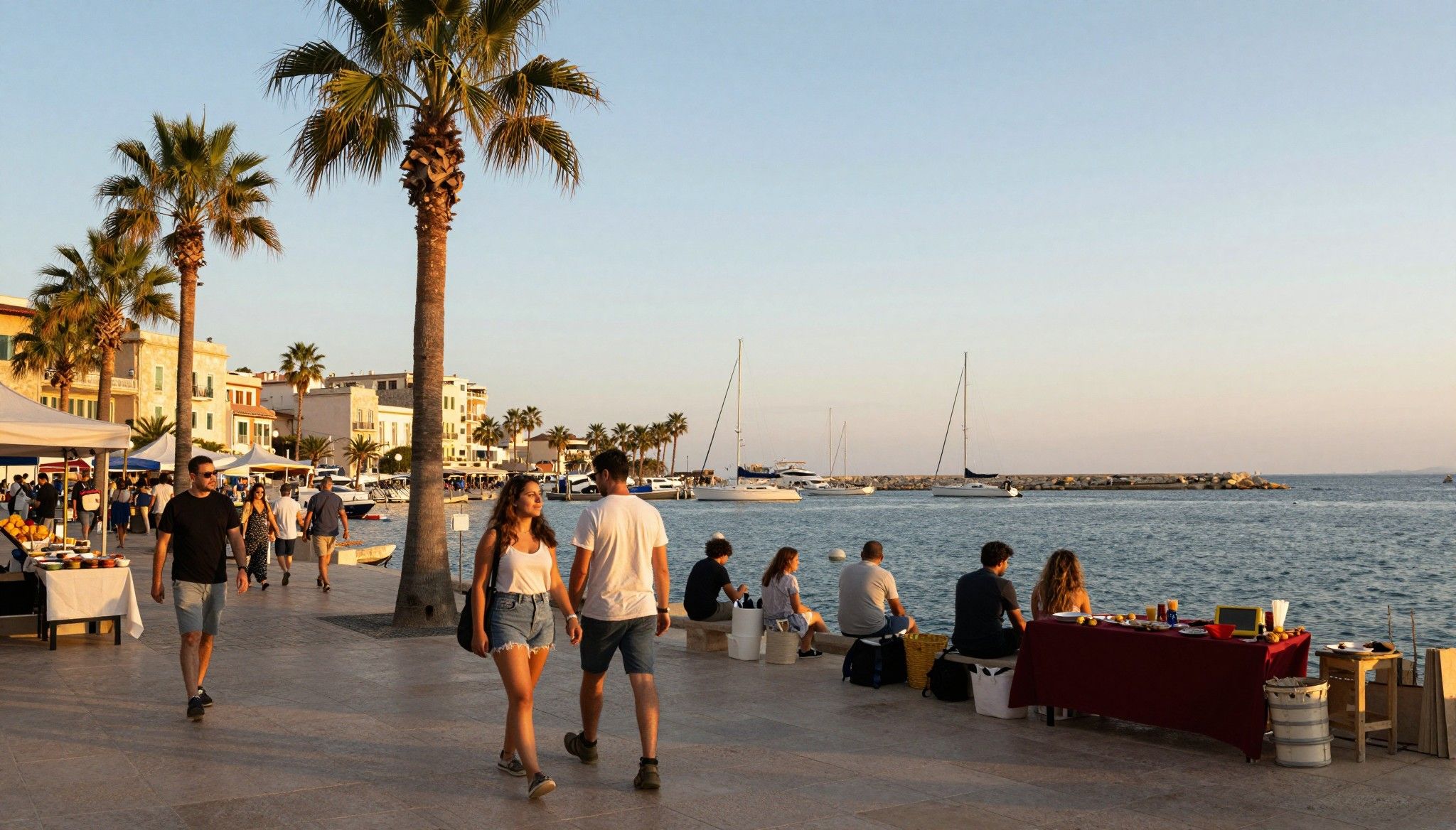
Croatia moves at a tempo of measured pleasures. Mornings belong to markets — Zagreb’s Dolac, Split’s fish stalls — where you buy citrus, burek and conversation. Afternoons drift to the water: coves off Hvar, the stony beaches of Istria, the promenades of Dubrovnik. Evenings gather around long meals of grilled fish, rakija and local wine. For buyers this means properties that favour outdoor rooms, durable materials such as stone and oak, and a tolerance for seasonal occupancy if you choose a coastal town frequented by visitors.
Neighborhoods that define character
Each Croatian place carries a strong sense of provenance. In Split the Riva and Veli Varoš prize sea-facing terraces and fisher-house charm; in Dubrovnik the Old Town’s stone façades reward meticulous restoration but demand stewardship; in Rovinj and Poreč the Istrian hill towns balance truffle-season bustle with quiet olive-grove life. Even lesser-known ports — Šibenik’s Šubićevac or Trogir’s pedestrian lanes — reveal homes where traditional craft and modern comforts coexist, and where insurance and maintenance matter as much as the view.
Food, markets and seasons — how lifestyle shapes property needs
If your idea of life in Croatia includes weekend market rituals, terraces for long dinners and a boat moored nearby, your property checklist will differ from a buyer seeking a quiet inland estate. Coastal homes require materials and insurance that address salt air corrosion and occasional storm damage; hilltop stone houses need roof and masonry reviews before purchase. Seasonal rhythms also affect rental potential and utility use: many buyers choose properties with well‑insulated windows and flexible heating to make winter stays comfortable as well as cost‑effective.
- Dolce vita essentials: markets, cafés (Dolac, Riva), beaches (Brač coves, Zlatni Rat), hidden tavernas and local olive-mill visits.
Making the Move: Practical Considerations
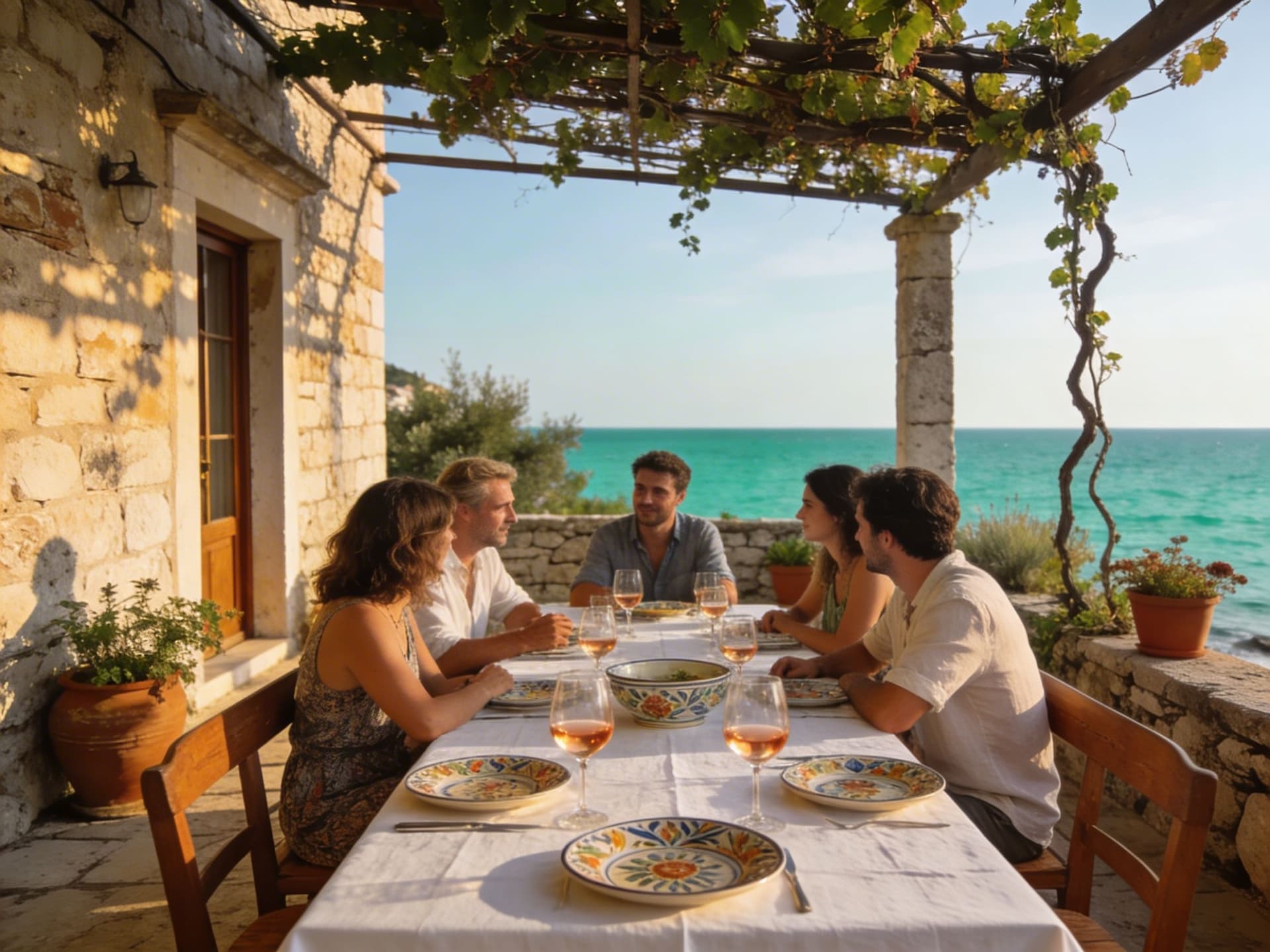
The romance of a stone terrace should be anchored in legal clarity. EU, EEA and Swiss citizens enjoy almost the same acquisition rights as Croatians; third‑country nationals face the reciprocity principle and normally require written consent from the Ministry of Justice. Practically, this means your lawyer should confirm your category early: it determines whether a signed preliminary contract is safe or should be subject to ministerial approval.
Property types and what they demand
Whether it is a restored stone townhouse in Korčula or a contemporary penthouse in Zagreb, architectural type dictates maintenance and insurance priorities. Historic masonry benefits from specialist surveys of mortar, timber and lead flashings; newer concrete or reinforced structures require a review of drainage and waterproofing. Ask for an itemised schedule of works from the seller and quantify likely annual maintenance when comparing offers: the life you want should be matched by the building’s capacity to deliver it.
Working with local experts
An agent versed in local neighbourhood rituals, a notary who knows the land‑registry quirks and a lawyer experienced with reciprocity applications reduce risk. Insist on professionals who have completed transactions for international clients and who can coordinate surveyors, insurers and tax advisors. Their role is not only administrative but also curatorial: they match your lifestyle brief with properties that will withstand time and climate.
- Practical steps that blend lifestyle and protection: 1) Confirm legal footing (EU vs non‑EU). 2) Commission a structural and services survey. 3) Secure insurance quotes (hazard, earthquake, liability). 4) Make the sale conditional on approvals and clean title. 5) Plan for an annual maintenance budget (masonry, roofs, waterproofing).
Insider Knowledge: Insurance, Risks and Little Habits
Croatia’s insurance market has matured in recent years, but protection gaps remain, especially for earthquake and weather‑related damage. After the Zagreb quake and subsequent events, both buyers and insurers pay closer attention to seismic cover and building reinforcement. Market data from local supervisory authorities and industry reports show rising property insurance uptake, yet buyer diligence — checking exact perils covered, deductible levels and whether neighbouring‑works exclusions apply — remains essential.
What most sellers don’t tell you about insurance
Sellers may highlight pristine façades and sea views but omit that older roofs and original chimneys can exclude claims for earthquake or storm damage unless retrofitted. Many policies exclude damage caused by long‑term water ingress or deferred maintenance; in practice, that leaves owners responsible for restoration after an event. Before signing, insist on seeing recent policy wordings for comparable nearby properties and get a written condition report the insurer will accept.
A simple risk checklist for viewings
- Check roof pitch and materials; inspect gutters and drainage; ask for records of recent masonry repointing; note proximity to sea (salt‑air corrosion risk); ask whether the property is in a designated protected or restricted zone.
- Insurance tips buyers often overlook: confirm earthquake cover limits, verify policy deductibles, check for renovation exclusions, confirm replacement‑value vs. market‑value settlement, and consider landlord liability cover if you plan short‑term lets.
- If you find a home you love: 1) Retain a Croatian lawyer immediately. 2) Have them submit any required Ministry consent for non‑EU buyers before paying deposits. 3) Commission a survey and obtain insurer pre‑approval for coverage. 4) Make the final contract conditional on clean registration and an agreed insurance policy.
A final practical note on rental and stewardship
If you intend to let your property seasonally, demand clarity on insurance for short‑term rentals — some household policies exclude commercial letting. Establish a local steward or property manager to handle routine checks, winterising and claims liaising; their presence preserves value and makes a claim process far simpler. Thoughtful stewardship is indistinguishable from good insurance: both protect the life you buy.
Conclusion — imagine a spring morning on your terrace, a market bag at your arm and the sea glinting beyond the pines. Getting there requires small disciplines: confirm your legal footing, choose properties with documented upkeep, secure seismic and weather cover suited to historic fabric, and appoint local experts who value patrimony as much as price. Do this, and the life Croatia promises becomes one you can enjoy without compromise.
Norwegian with years in Florence guiding clients across borders. I bridge Oslo and Tuscany, focusing on legal navigation, cultural context, and enduring craftsmanship.