Croatia: Lifestyle‑First Tax Moves for Buyers
How Croatia’s rhythm — seasonality, coast vs. inland, and ownership type — determines tax choices; align lifestyle intent with VAT, transfer tax and local fees.
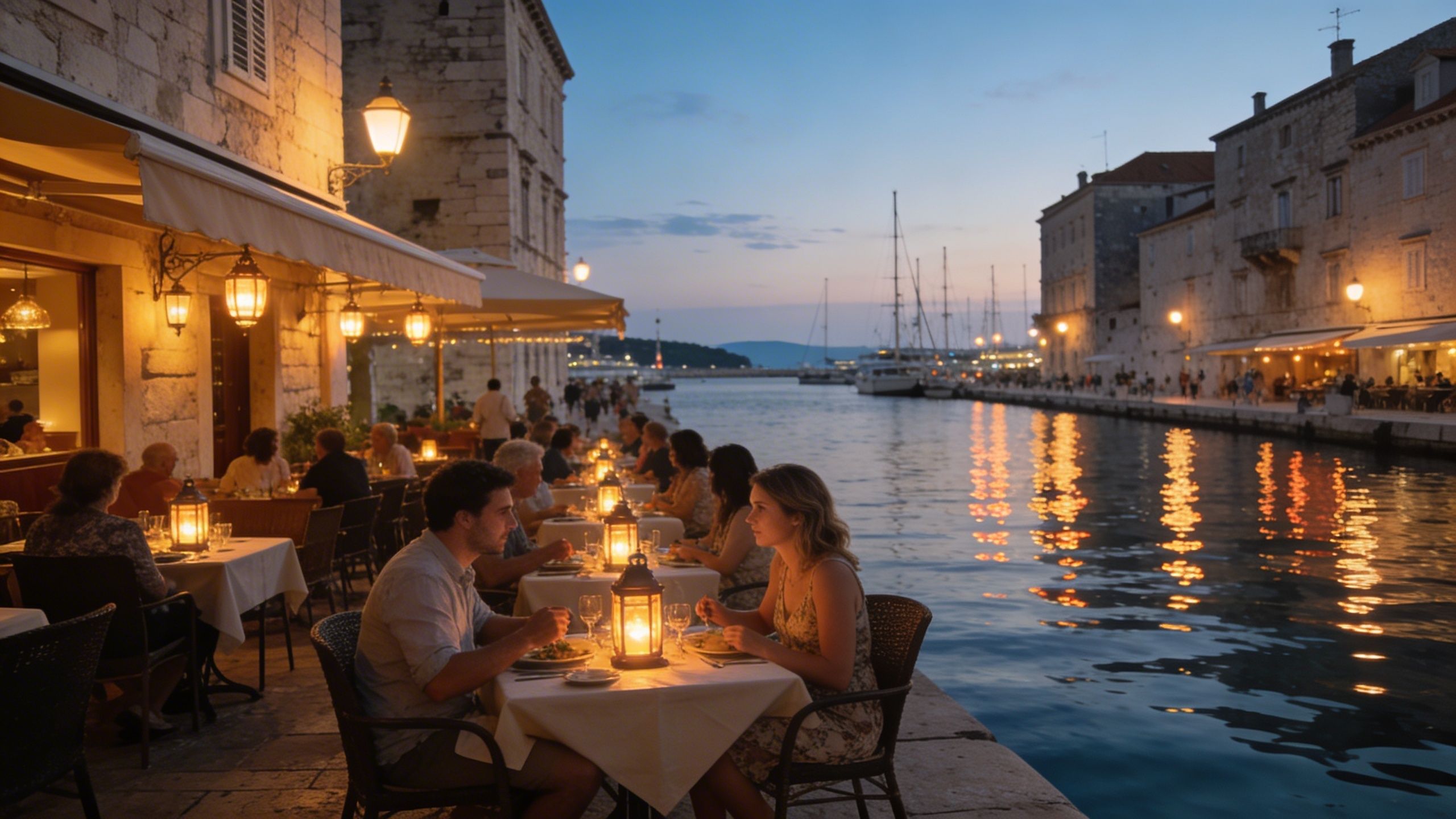
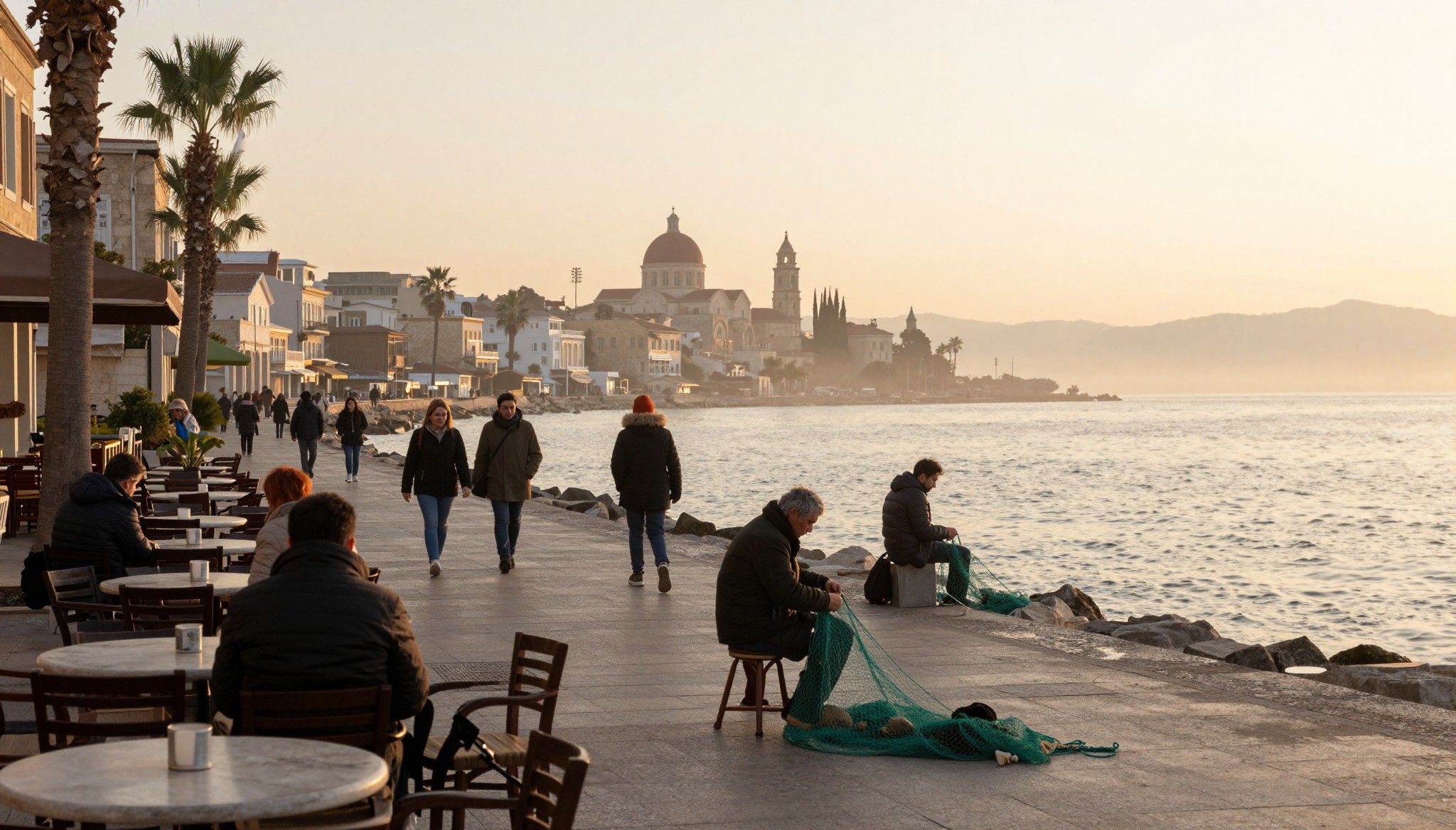
Imagine an early morning in Split: espresso steam rising against limestone façades, fisherfolk unloading last night’s catch at the Riva, and a quiet terrace where a restored Dalmatian townhouse receives its first light. That ease of rhythm — sea, market, and craft — is what draws many of us to Croatia. Yet the romance of living beside the Adriatic meets the ledger of taxes, permits and residency questions. This piece begins with the life you are buying, then shows the tax realities and planning moves that keep that life sustainable, discreet and rewarding.
Living the Croatian rhythm
Living in Croatia is tactile: cobbled lanes warm underfoot in summer, pine-scented breezes shape afternoons on the islands, and winter brings a quieter, more domestic season of truffle hunts and long lunches. Coastal towns such as Dubrovnik, Hvar and Trogir have a layered intimacy — historic cores, tucked harbours, and neighbourhood cafés where conversation keeps the day moving. Inland, Zagreb and Istrian hill towns offer a different tempo: seasonally vibrant markets, atelier workshops and a calendar of cultural festivals that anchor community life. Appreciating these rhythms matters because the taxes you pay, the rental demand you capture, and even renovation windows are shaped by season and place.
Seaside neighbourhoods: Split’s Veli Varoš and Hvar Town
Veli Varoš in Split feels like a village folded into a city: narrow lanes giving way to terraces where neighbours know your name, and restored stone houses that trade on provenance rather than gloss. Hvar Town’s waterfront life centres on the harbour and the morning fish market; properties here command strong short‑season rental interest but bring higher operating complexity. In both places, a living-focused purchase — a principal or part‑time home — changes how you think about tax: personal use limits, tourist rental registrations and municipal levies all follow from how and when you occupy the property.
Food, markets and the interior: Zagreb and Istria
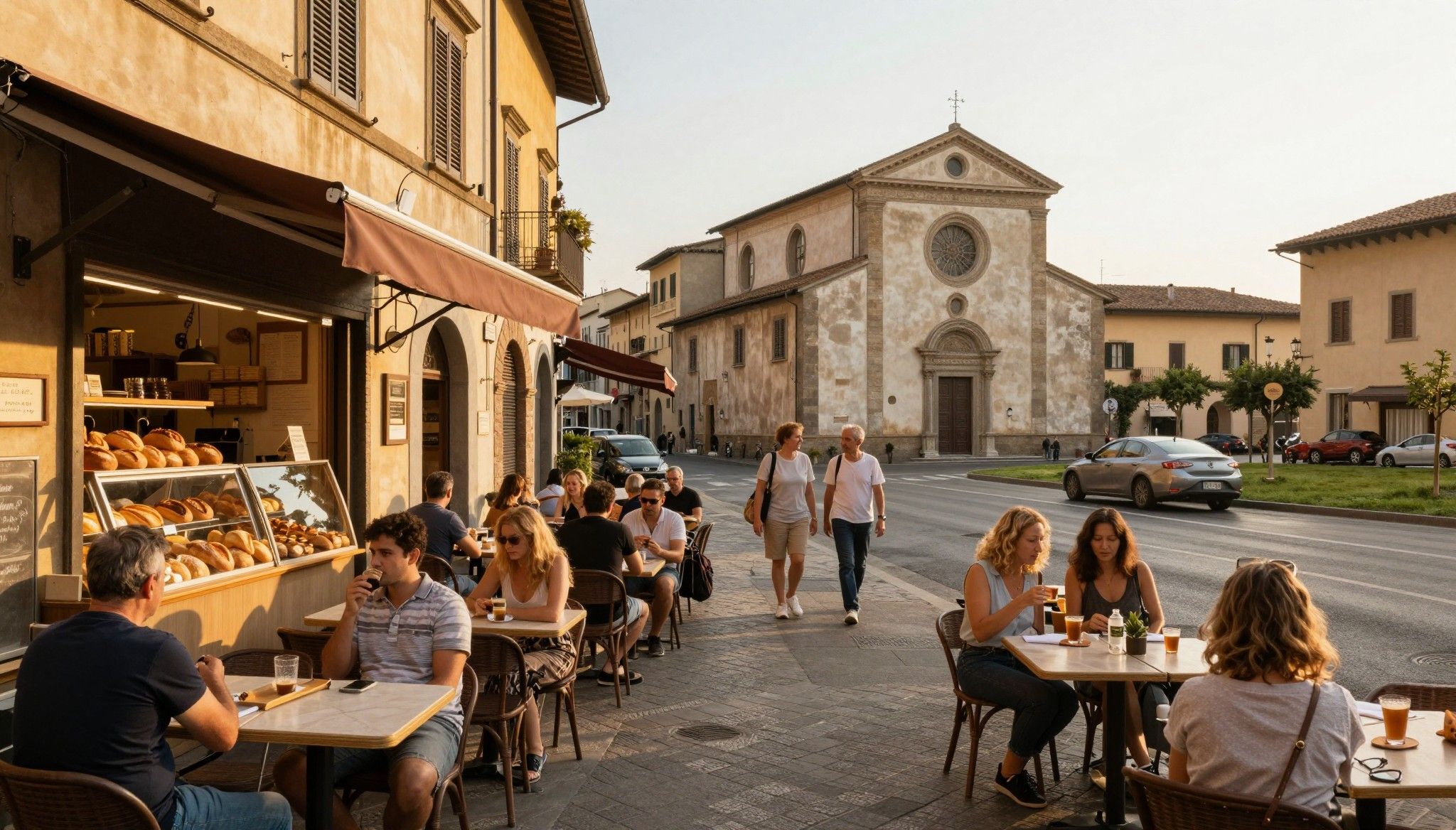
Mornings in Zagreb move from bakeries along Tkalčićeva to the open stalls of Dolac market; evenings belong to intimate restaurants where Istrian truffles and Malvasia wines appear on the menu. For buyers seeking life beyond summer tourism, these inland rhythms often mean steadier year‑round rental prospects and lower vacancy risk. Recent market commentary notes a divergence between coastal price pressure and growing interest in Zagreb and inland regions, a trend that informs tax planning for investors and residents alike.
- Lifestyle highlights: markets, beaches and hidden corners
- Stroll the Riva (Split) at dawn for quiet cafés and restored seafront apartments
- Explore Istrian hill towns (Motovun, Grožnjan) for olive‑oil terroir and stone farmhouses
- Market mornings at Dolac (Zagreb) for fresh produce and year‑round community life
Making the move: practical considerations that preserve the life you want
The pleasures of place meet a pragmatic ledger: transfer taxes, VAT on new builds, income and capital gains rules, and local fees. Knowing which taxes apply — and when — is the difference between a property that feels like an asset and one that feels like an ongoing surprise. Use a local tax specialist early; they translate municipal practice into planning, helping you shape purchase timing, ownership structure and intended use to your advantage.
Tax essentials in practice
In brief: resale (secondary) properties are typically subject to a property transfer tax (commonly referred to as 3% in market practice), while new developments may attract VAT (standard rate 25%) rather than transfer tax. Rental income is taxable and capital gains rules depend on holding period and the seller’s status. These headline rules influence whether you prefer a newly built seafront apartment or a restored stone house inland: VAT adds immediate cost to new builds, but older homes bring transfer tax and sometimes higher maintenance expectations.
Working with local experts
A genuine local advisor does more than show inventory: they clarify reciprocity (who may buy land), suggest ownership vehicles (personal ownership, Croatian company, or trust structures), and anticipate municipal costs such as tourist levies or registry fees. In recent years the number of agencies and professional advisors has grown, especially in Istria and along the Adriatic coast, making choice important: prioritise lawyers and tax advisers with proven cross‑border experience and audited references.
- Steps to align lifestyle and tax strategy
- Decide intended use (principal home, seasonal residence, long‑let or short‑term rental) — this directs tax registrations and local licences
- Ask whether the property is a new build (VAT applies) or resale (transfer tax often applies) and calculate both scenarios
- Engage a Croatian tax lawyer to evaluate ownership structures and cross‑border tax implications before signing
Insider knowledge: what expats wish they’d known
A frequent regret among buyers is treating Croatia as a single market. Coastal and inland dynamics differ materially: transaction volumes and pricing have cooled in many Adriatic hotspots while Zagreb and select inland areas show resilience. That divergence impacts tax exposure: coastal short‑term rental economics can look attractive on paper but bring higher municipal compliance and seasonal maintenance costs. Read recent transaction data carefully and match tax planning to region‑specific realities.
Cultural and seasonal realities that change numbers
Seasonality matters. The Adriatic’s summer high season concentrates income, but winter occupancy falls sharply and maintenance continues year‑round; insurance and restoration needs persist even when municipal tourism levies do not. Cultural norms — such as strong local preference for stone construction and shaded terraces — affect renovation budgets and, by extension, deductible expenses and VAT recovery possibilities on substantial restorations. Buyers who plan with seasons in mind find better alignment between expected lifestyle and after‑tax cashflow.
Long‑term stewardship and inheritance considerations
Croatia’s sense of place rewards stewardship: historic houses preserve value when restored with integrity. For international buyers, estate and inheritance planning should be considered at purchase. Local inheritance rules and double‑taxation treaties vary; a cross‑border will and clear ownership structure reduce friction for heirs. Treating a purchase as generational often guides decisions towards properties with documented provenance and lower long‑term tax friction.
- Red flags and things to check before you commit
- Unclear title or missing documentation for older stone houses (ask for historical land registry extracts)
- Mismatch between permitted use and marketed use (holiday rental licences vs private residence)
- Undisclosed municipal levies or planned local zone changes that affect tax or development rights
Conclusion: live the life, plan the ledger
Croatia offers a life composed of markets, coastlines and quiet winters — a life worth budgeting for. Start with how you want to live: the neighbourhoods, seasons and daily rituals you prize. Then align purchase type, ownership structure and tax advisors so the paperwork supports the life rather than constrains it. If you’d like, we can connect you with Croatian tax counsel and local advisors who specialise in harmonising lifestyle aspirations with a clear, efficient tax plan.
Having moved from Stockholm to Marbella in 2018, I help Scandinavian buyers navigate Spanish property law, restoration quality, and value through authentic provenance.